
On this page
- What Is Dried Onion (Dehydrated Onion)?
- How Are Onions Dehydrated?
- Which Forms of Dehydrated Onion Are Available?
- How Is Dehydrated Onion Used in Food Manufacturing?
- How Long Does Dehydrated Onion Last?
- Which Quality Parameters Do Buyers Check?
- How Do You Source Dehydrated Onion from India?
- Frequently asked questions
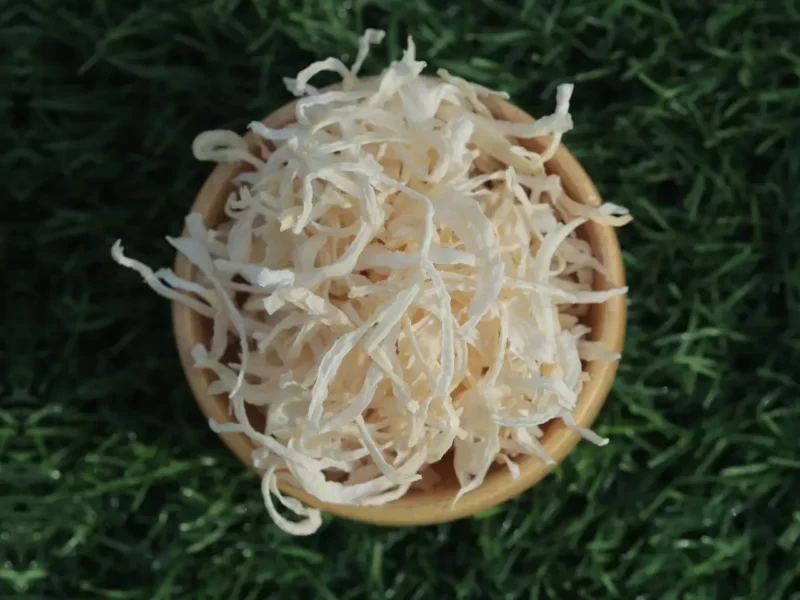
Dried onion, also called dehydrated onion, is fresh onion that has been peeled, sliced and dried to about 5–8% moisture, then cut or milled into flakes, chopped pieces, granules or powder. It keeps the flavour of onion in a light, shelf-stable form, and one kilogram replaces about 8–9 kg of fresh onion. Food manufacturers use it in seasonings, soups, sauces, snacks and ready meals. This guide explains what dried onion is, the main forms, how it is used and what buyers check.
Key takeaways
- Dehydrated onion is usually made from white onion, dried on belt dryers and graded by particle size.
- The main forms are flakes (kibbled), chopped, minced, granules and powder. Each form is defined by a size range in mm or mesh.
- Kept sealed in cool, dry storage, it typically lasts 18–24 months.
- India is the world’s largest dried onion exporter. Most production comes from the Mahuva area of Gujarat.
What Is Dried Onion (Dehydrated Onion)?
Dehydrated onion is onion with most of its water removed. A fresh onion is mostly water. Drying takes it down to about 5% moisture for powder and up to about 8% for larger cuts, under the Indian standard IS 4452 and FSSAI rules. At that level, bacteria and moulds cannot grow, so the product can be stored and shipped without refrigeration.
The terms “dried onion” and “dehydrated onion” mean the same product in trade. Both fall under HS code 0712 20 for dried onions, whole, cut, sliced, broken or in powder. Most export production uses white onion, because it gives a pale, even colour and a strong, clean onion flavour. International specifications such as ISO 5559 set the basic quality requirements.
Compared with fresh onion, dried onion has clear practical advantages for a factory. It takes up far less space, needs no cold store, and does not sprout or rot. There is no peeling waste and no tears on the production line. Its strength is also more uniform, because each lot is blended and tested before packing. The trade-off is texture: rehydrated pieces are softer than fresh onion, so dried onion suits cooked, blended and seasoned foods better than fresh salads.
How Are Onions Dehydrated?
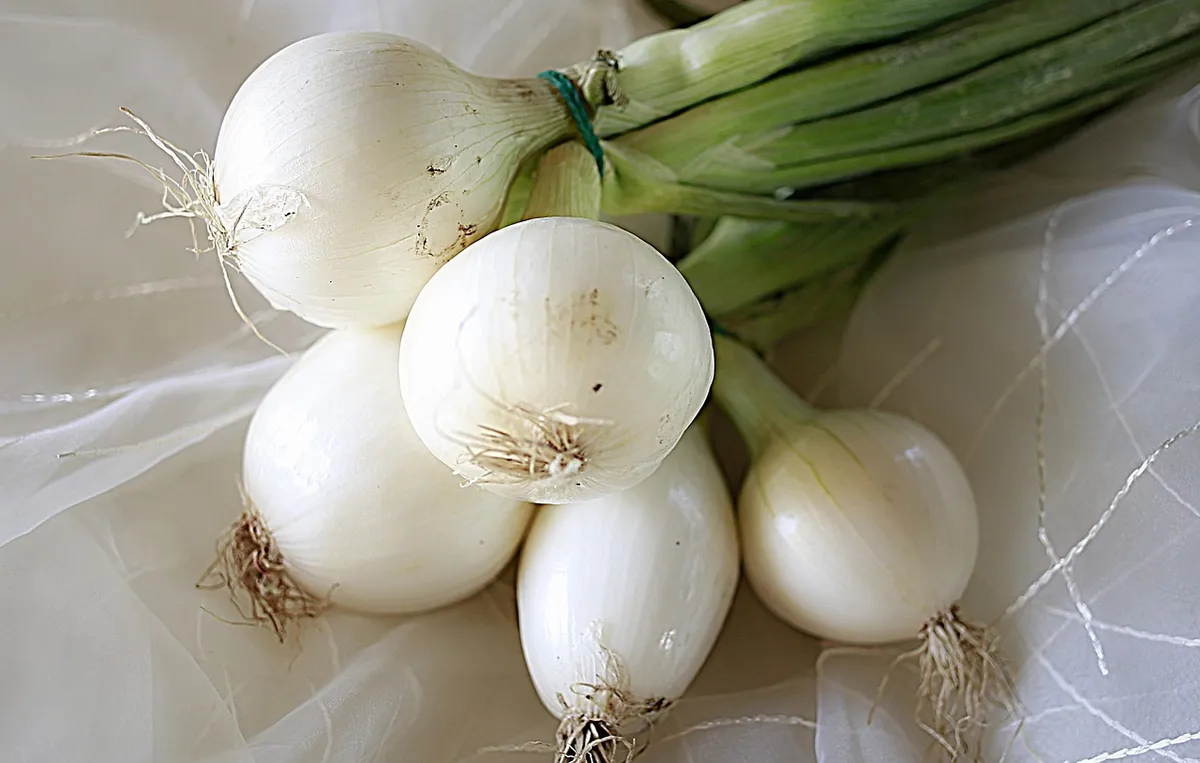
Onions are dehydrated by peeling, washing, slicing and drying them with warm air, then sizing the dried pieces. The process is simple in outline, but control at each step decides colour, flavour and microbial quality.
- Selection: mature white onions with high dry matter are chosen and graded.
- Peeling and washing: roots, tops and outer skins are removed, and the onions are washed in chlorinated water.
- Slicing: onions are cut into slices of a set thickness.
- Drying: slices pass through multi-stage belt dryers with controlled hot air until they reach the target moisture.
- Sizing: dried slices are broken, milled and sieved into flakes, chopped, minced, granules or powder.
- Cleaning: sortex machines remove dark pieces, and metal detectors check for metal fragments before packing.
Onion for dehydration is dried mainly during the Gujarat harvest, from about February to May, and finished stock is shipped all year round.
Which Forms of Dehydrated Onion Are Available?
Dehydrated onion comes in five main forms, defined by particle size. A good specification always gives the size in millimetres or mesh, not just a name such as “chopped”.
| Form | Typical size | Common uses |
|---|---|---|
| Flakes (kibbled) | 8–25 mm (8–15 mm or 10–20 mm on request) | Soups, stews, frying, further milling |
| Chopped | 3–5 mm; large chopped 5–8 mm | Sauces, ready meals, toppings |
| Minced | 1–3 mm | Rubs, dressings, meat products |
| Granules | 0.2–0.5 mm and 0.5–1 mm | Seasoning blends, snack coatings |
| Powder | 80–100 mesh (100–120 mesh on request) | Seasonings, soups, sauces, snack dust |
Larger pieces give visible onion texture in the finished food. Smaller particles disperse evenly and release flavour faster. Chopped onion rehydrates faster than flakes, and powder dissolves into liquids almost at once.
How Is Dehydrated Onion Used in Food Manufacturing?
Food manufacturers use dehydrated onion as a ready, consistent onion ingredient that needs no peeling, chopping or cold storage. It is weighed and added like any other dry ingredient, and its flavour is steady from batch to batch.
- Seasonings and spice blends: powder and granules are a base ingredient in many savoury blends.
- Snacks: powder is used in chip, cracker and extruded snack coatings.
- Soups, sauces and gravies: flakes, chopped onion and powder go into dry soup mixes, bouillon, ketchup and cooking sauces.
- Ready meals and noodles: chopped and minced onion add visible pieces to instant meals and noodle sachets.
- Meat processing: minced onion, granules and powder are used in sausages, burgers and marinades.
- Food service: kitchens use flakes and chopped onion to save labour and reduce waste.
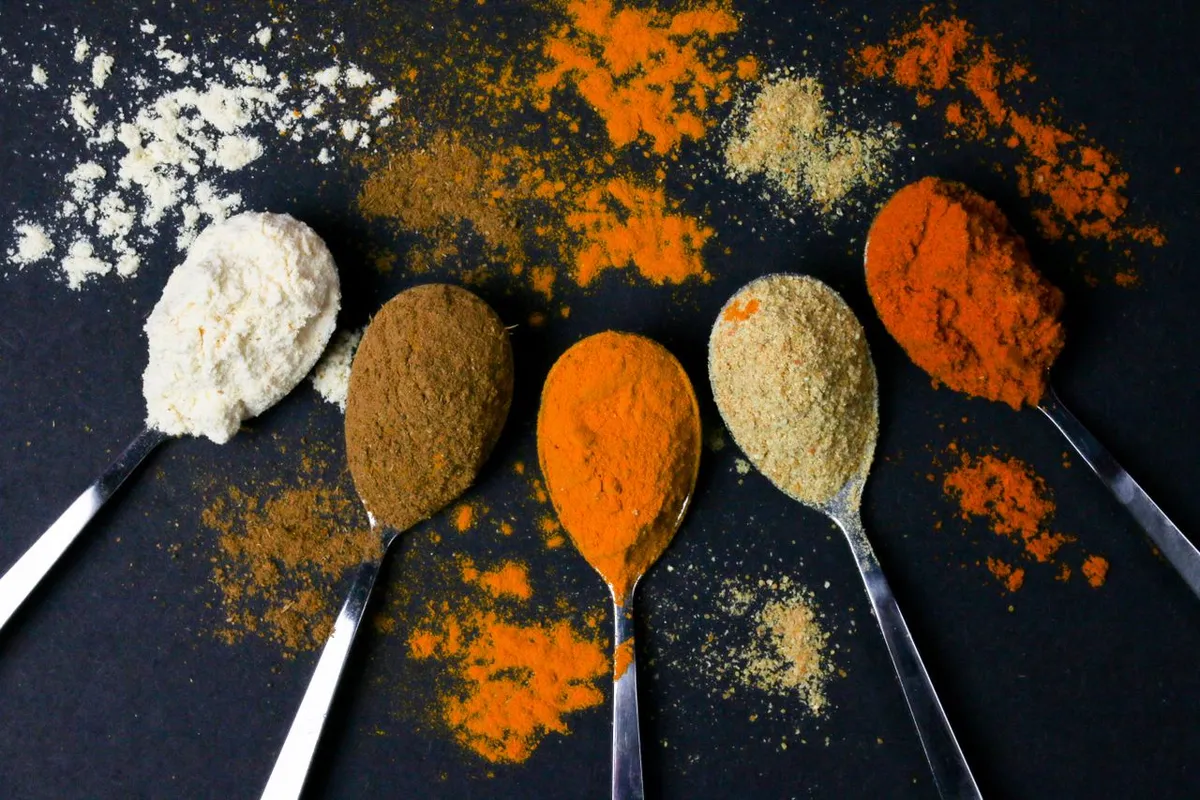
To rehydrate dried onion, soak flakes or chopped pieces in warm water until they soften, then drain them before use. In soups, sauces and stews, most cooks add the pieces directly, because they absorb water during cooking. Powder and granules need no rehydration.
When you replace fresh onion in a recipe, start from the weight ratio. Because about 8–9 kg of fresh onion make 1 kg of flakes, a recipe that uses 9 kg of fresh onion needs roughly 1 kg of dried onion plus extra water. Run a small trial first, because flavour strength varies with the cut and the onion lot.
How Long Does Dehydrated Onion Last?
Dehydrated onion typically lasts 18–24 months when it is kept sealed in cool, dry storage. The main risk is moisture. Onion powder is hygroscopic, which means it absorbs water from the air. If it picks up moisture, it can cake into lumps, lose flavour and become open to mould.
Export packing reflects this. Flakes and chopped onion are usually packed in 12.5–14 kg poly bags inside kraft paper bags or cartons. Powder and granules are packed in 20–25 kg poly-lined cartons, with aluminium-foil liners on request. Store the packs off the floor, away from heat, sunlight and strong odours, and reseal opened bags quickly. Our packaging page shows the export options.
Which Quality Parameters Do Buyers Check?
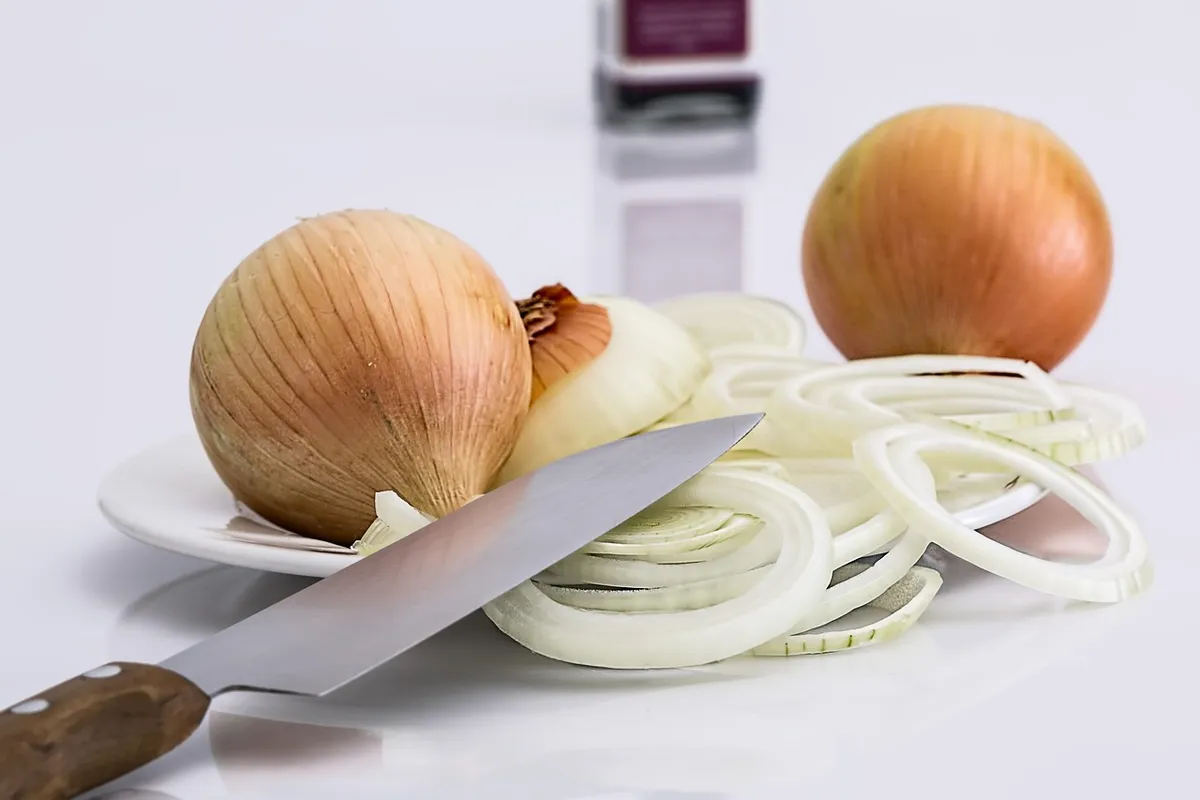
Buyers check moisture, particle size, colour, flavour, ash and microbiology on every lot of dehydrated onion. These parameters affect both food safety and how the onion performs in the final product.
- Moisture: 5% maximum for powder and 8% maximum for other forms under FSSAI rules. Many buyers ask for lower.
- Ash and acid-insoluble ash: ash 5% maximum and acid-insoluble ash 0.5% maximum. High values suggest sand or soil.
- Particle size: a stated mm or mesh range, with a tolerance for oversize and fines.
- Colour and flavour: white to creamy white, with a typical pungent onion flavour and no burnt or off-odour.
- Microbiology: total plate count, yeast and mould, coliforms, E. coli and Salmonella. Ready-to-eat uses often need a low-micro grade.
- Sterilisation method: ask for steam sterilisation, not ethylene oxide (ETO), which is not permitted in many markets.
- Foreign matter: confirm sortex cleaning and metal detection.
Ask for a Certificate of Analysis for each lot that covers moisture, ash, microbiology and pesticide residues. Our lab testing page explains the test panel we use.
Related reading: How Is Dehydrated Onion Made? The Onion Dehydration Process and Granulated Garlic vs Garlic Powder: Differences and Uses.
How Do You Source Dehydrated Onion from India?
To source dried onion from India, start with the form, the size range, the micro grade and the quantity, then confirm the container load. India is the world’s largest exporter of dried onion. According to World Bank WITS data, it shipped about 1.13 lakh tonnes worth US$ 221 million in 2024. Most production is around Mahuva in Bhavnagar district, Gujarat, in the country’s white onion belt.
Plan your loads carefully, because flakes are light. A 20 ft container holds only about 6–7 MT of onion flakes, but about 14–15 MT of onion powder. Each shipment travels with a Certificate of Analysis, a certificate of origin and, where required, a phytosanitary or health certificate. You can check landed cost per kilogram with our container load calculator.
Elysium Agri Corporation, based in Jamnagar, Gujarat, exports dehydrated white onion and garlic in flakes, chopped, minced, granules and powder. Every lot is tested for moisture, ash, microbiology and pesticides. Low-micro grades are steam-sterilised, never treated with ETO. We can combine several cuts in one container. Tell us the form, size, micro grade, quantity and destination port, and we will send a specification and price. Request a dehydrated onion quote →
Frequently asked questions
What is dehydrated onion?
Dehydrated onion is fresh onion that has been peeled, sliced and dried with warm air to about 5 to 8 percent moisture. It is then sized into flakes, chopped pieces, granules or powder. It keeps onion flavour in a light, shelf-stable form, and one kilogram replaces about 8 to 9 kilograms of fresh onion.
What forms does dehydrated onion come in?
The main forms are flakes or kibbled onion of 8 to 25 mm, chopped onion of 3 to 5 mm, large chopped of 5 to 8 mm, minced of 1 to 3 mm, granules of 0.2 to 1 mm and powder of 80 to 100 mesh. Each form suits different foods, from soups to seasoning blends.
How long does dehydrated onion last?
Dehydrated onion typically lasts 18 to 24 months when it is kept sealed in cool, dry storage. Moisture is the main risk, especially for powder, which absorbs water from the air and can cake. Store packs off the floor, away from heat and strong odours, and reseal opened bags quickly.
How do you rehydrate dried onion?
Soak flakes or chopped onion in warm water until the pieces soften, then drain them before use. In soups, sauces and stews you can add the pieces directly, because they absorb water as the dish cooks. Onion granules and powder do not need rehydration and blend straight into liquids or dry mixes.
What is dehydrated onion used for in food manufacturing?
Manufacturers use it in seasoning blends, snack coatings, dry soup mixes, bouillon, sauces, ready meals, instant noodles and meat products such as sausages and burgers. It saves peeling, chopping and cold storage, and gives a consistent onion flavour from batch to batch, which helps standardise recipes.
Related reads


