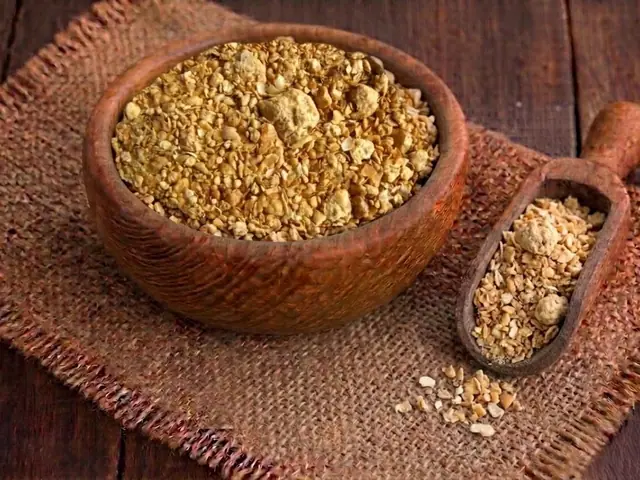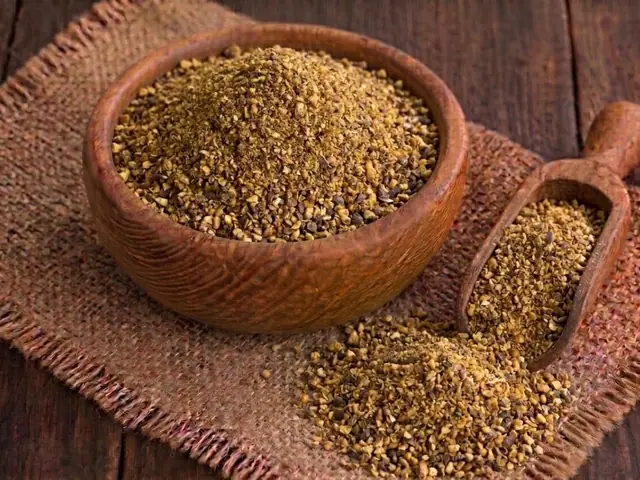
Corn DDGS (Distillers Dried Grains with Solubles)
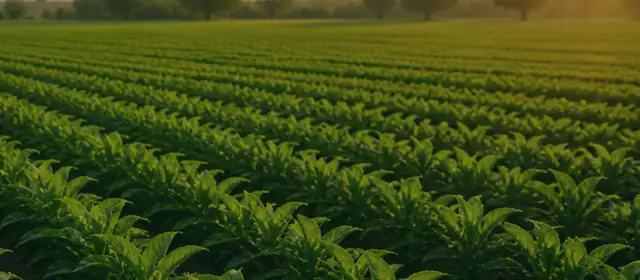
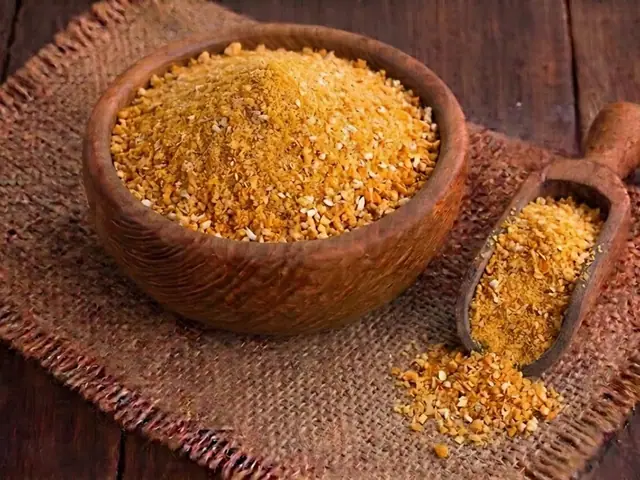
DDGS stands for distillers dried grains with solubles: the protein-, fat- and fibre-rich feed left after maize is fermented to make ethanol. Elysium Agri exports Indian corn DDGS with 26–32% protein and 5–10% fat for poultry, dairy, aqua and pig feed, and every lot is tested for aflatoxin before it ships.
India's ethanol-blending programme has turned the country into a DDGS producer of 3–5 million tonnes a year in a few years. Indian DDGS now sells to Vietnam, Bangladesh, Sri Lanka and Indonesia, at prices below US DDGS delivered to Asia.
Corn DDGS Specification
Crude Fat
5–10%
Crude Fibre
7–10%
Moisture
12% max (10% preferred)
Ash
7% max
Sulphur
1% max
Aflatoxin B1
≤ 20 µg/kg EU · ≤ 50 Asia, per lot
Colour
Golden yellow to light brown
Container Load
20 ft ≈ 16–18 MT
Corn DDGS: Full Export Specification
The standard export specification for our corn DDGS, compared with US Grains Council reference values. Indian DDGS varies more from plant to plant than US DDGS, so we quote each lot against its own Certificate of Analysis. Send your own specification with your enquiry.
| General | Specification | Note |
|---|---|---|
| Product | Corn (maize) distillers dried grains with solubles, from grain-ethanol distilleries | — |
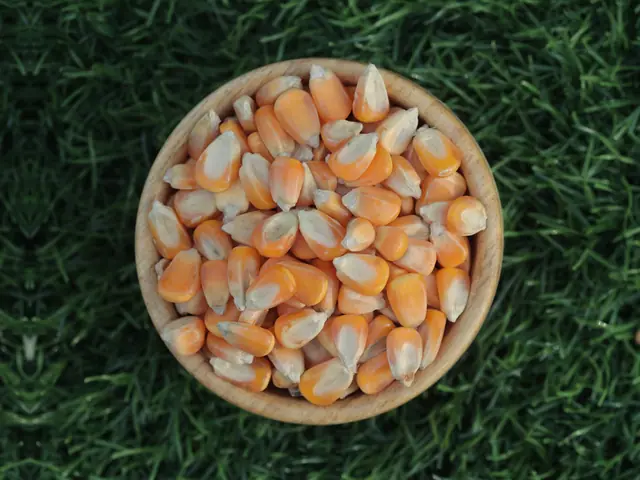
| Raw material | Indian non-GMO maize (no GM maize is grown in India) | Non-GMO declaration on request |
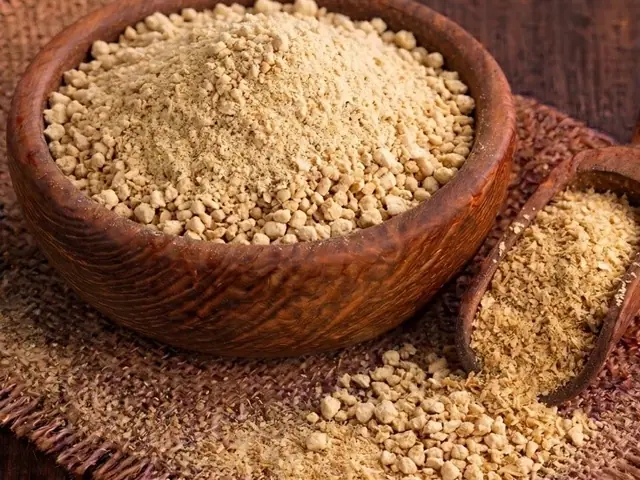
| Form | Free-flowing meal; pellets on request | Pellets load more per container |
| Proximate analysis (as fed) | Specification | Test method / note |
|---|---|---|
| Crude protein | 26–32% (grade stated on contract) | Kjeldahl / Dumas; US reference ≈ 27–31% |
| Crude fat | 5–10% | Soxhlet; reduced-oil DDGS ≈ 5–6% |
| Crude fibre | 7–10% | AOAC 962.09 |
| Moisture | ≤ 12% (≤ 10% preferred) | Oven; above 12% risks mould |
| Ash | ≤ 7% | AOAC 942.05 |
| Sulphur | ≤ 1% | ICP; above 0.6% can cause wet litter in poultry |
| Physical / quality | Specification | Test method / note |
|---|---|---|
| Colour | Golden yellow to light brown (dark colour means heat damage) | Visual / Hunter L* |
| Smell | Sweet, fermented; no burnt or musty smell | Sensory |
| Bulk density | ≈ 450–590 kg/m³ (meal) | US studies; pellets denser |
| Feed safety | Specification | Limit source / test |
|---|---|---|
| Aflatoxin B1 | EU / UK: ≤ 20 µg/kg (feed materials, 12% moisture) · ≤ 50 µg/kg (Asian buyers, per contract) | EU Directive 2002/32/EC (undesirable substances in feed); HPLC or LC-MS/MS |
| DON / zearalenone / fumonisins | EU guidance: DON ≤ 12, ZEA ≤ 3, fumonisin B1+B2 ≤ 60 mg/kg (maize by-products) | EU Rec. 2006/576/EC (new values from Jul 2027) |
| Salmonella | Absent in 25 g (when the contract requires it) | ISO 6579; common buyer clause, not an EU legal limit for all feed |
| Live insects | Nil; fumigated before loading where required | Visual; phytosanitary inspection |
| Commercial | Specification | Note |
|---|---|---|
| HS code | 2303 30 00 (brewing or distilling dregs and waste) | — |
| Packing | 50 kg PP bags · 1 MT jumbo bags · pellets in PP bags · bulk on request | Buyer's marks and private label on request |
| Container load | Volume-limited: 20 ft ≈ 16–18 MT meal | See Corn DDGS Packing and Container Loading |
| Shelf life | About 6–12 months in cool, dry storage below 12% moisture | Cool, dry, ventilated storage away from odours |
| Documents | Certificate of Analysis (protein, fat, fibre, moisture, sand / silica, aflatoxin B1) · Phytosanitary Certificate · Certificate of Origin · Fumigation Certificate (where required) · Independent inspection (SGS or buyer's surveyor) on request | — |
What Is DDGS, and Which Type Do You Need?
DDGS is what remains of the grain after its starch is fermented into ethanol: the protein, fat and fibre are concentrated about three times. Maize gives corn DDGS; India's distilleries also use surplus rice, which gives a higher-protein rice DDGS.
| Type | Protein / fat | Strength | Watch-outs |
|---|---|---|---|
| Indian corn DDGS | 26–32% / 5–10% | Energy plus protein; non-GMO maize | Aflatoxin and moisture vary by plant; test each lot |
| Indian rice DDGS | 45–50% / 2–9% | High protein, a partial soymeal substitute | Lower energy; check sulphur and fibre |
| US corn DDGS (reference) | ≈ 27–31% / 5–10% | Consistent, large volumes | GM maize; higher freight to Asia |
Corn DDGS Grades
Standard Corn DDGS 26–28%
For dairy and cattle feed.
Low-Aflatoxin Lots
≤ 20 µg/kg, for EU and demanding buyers.
Need more protein? Soyabean Meal →Rapeseed Meal →
Corn DDGS Packing and Container Loading
| Pack type | Net weight | Units per 20 ft | Net per 20 ft | Net per 40 ft HC |
|---|---|---|---|---|
| PP bag | 50 kg | ≈ 320–360 | ≈ 16–18 MT | ≈ 25–27 MT |
| PP bag (pellets) | 50 kg | — | Higher than meal (denser) | — |
| Jumbo bag | 1,000 kg | ≈ 18–20 | Volume-limited | — |
DDGS meal is light, so a 20 ft container fills by volume before weight.
Where Corn DDGS Is Used
Poultry Feed
Broilers and layers, often 5–10% of the diet.
Dairy and Cattle
Protein and digestible fibre for milk yield.
Aqua Feed
Shrimp and fish feed in Vietnam and Bangladesh.
Pig Feed
An energy and protein source.
Feed Mills
Replaces part of the soymeal and maize.
DDGS Price: What Sets It
DDGS is priced per metric tonne FOB or CFR, mostly on protein plus fat content, against maize and soymeal prices.
- Maize price: MSP 2026-27 is ₹2,410 per quintal; maize has risen sharply since May 2026.
- Soymeal price: the higher soymeal is, the more DDGS is worth.
- Protein and fat: each grade point changes the price.
- Ethanol output: more ethanol means more DDGS supply.
- US DDGS: US DDGS was about US$ 288/MT FOB Gulf in September 2026; India also allows US DDGS imports under a 0.5 Mt quota.
Prices move with the crop and the market, so we quote on the day. Tell us your grade, quantity and port for a current FOB, CFR or CIF price.
Tested, Certified and Traceable
Aflatoxin is the main risk in DDGS, because fermentation concentrates mycotoxins about three times, so we reject lots above the contract limit.
- Moisture check, sieving and bagging at the distillery
- Lot sampling at loading
- Proximate analysis, sand / silica and aflatoxin B1 tests
- Phytosanitary, fumigation and export documents
Documents with every shipment
Get a DDGS Quote
Share your grade, quantity and destination, and we will send an FOB or CIF price with the spec sheet.
Thank you. Our animal feed desk will send your price and spec sheet.
Frequently Asked Questions (FAQ)
What is the full form of DDGS?
DDGS stands for distillers dried grains with solubles. It is the dried feed co-product left when grain, usually maize, is fermented into ethanol.
What is the protein content of corn DDGS?
Corn DDGS usually contains 26–32% crude protein, 5–10% fat and 7–10% fibre as fed. Rice DDGS is higher in protein, about 45–50%.
What is corn DDGS used for?
Corn DDGS is fed to poultry, dairy cattle, pigs and fish and shrimp, replacing part of the maize and soymeal in compound feed.
What is the HS code for DDGS?
DDGS is exported from India under ITC-HS 2303 30 00, brewing or distilling dregs and waste.
Is Indian DDGS non-GMO?
Yes. India does not allow GM maize to be grown, so Indian corn DDGS is made from non-GMO maize. We provide a non-GMO declaration on request.
How much DDGS fits in a container?
DDGS meal is light: a 20 ft container holds about 16–18 MT and a 40 ft high-cube about 25–27 MT. Pellets load more.
What is the main quality risk in DDGS?
Aflatoxin. Fermentation concentrates mycotoxins, and Indian DDGS quality varies between plants, so each lot should be tested against the buyer's limit (20 µg/kg for the EU).
Who exports corn DDGS from India?
Elysium Agri Corporation, based in Jamnagar, Gujarat, exports corn DDGS in bags and pellets, with lot-wise protein, fat and aflatoxin testing.