Spices Exporter in India
Cumin, coriander, fennel, fenugreek, kalonji and turmeric from India's spice belt, cleaned to export grade and tested for pesticides, ethylene oxide and aflatoxin before every shipment.
Seed Spices and Turmeric We Export
Whole seed spices and turmeric in export grades, from Gujarat, Rajasthan and India's turmeric belts.
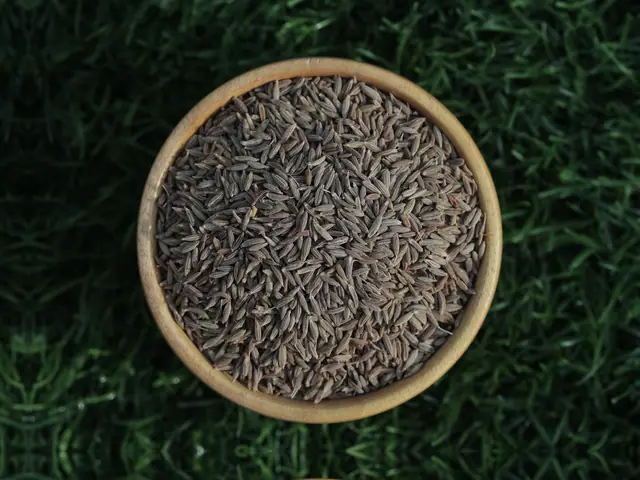
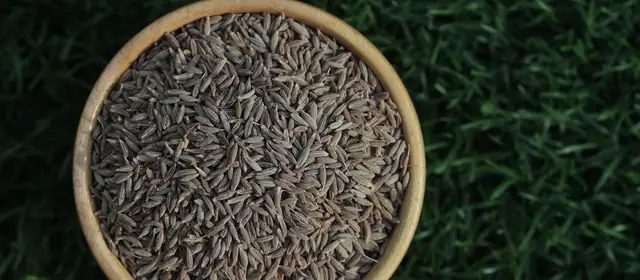
Cumin Seeds
Singapore 99, Gulf and Europe 99.5 sortex
View Product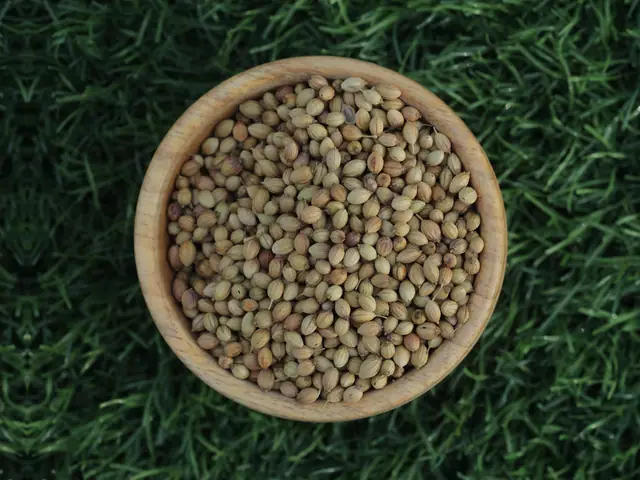
Coriander Seeds
Parrot, Scooter, Eagle, Badami, split
View Product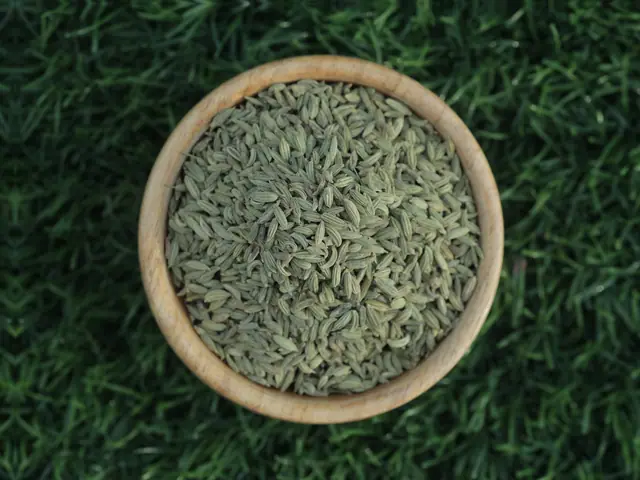
Fennel Seeds
Singapore and Europe quality, volatile oil 1.5%+
View Product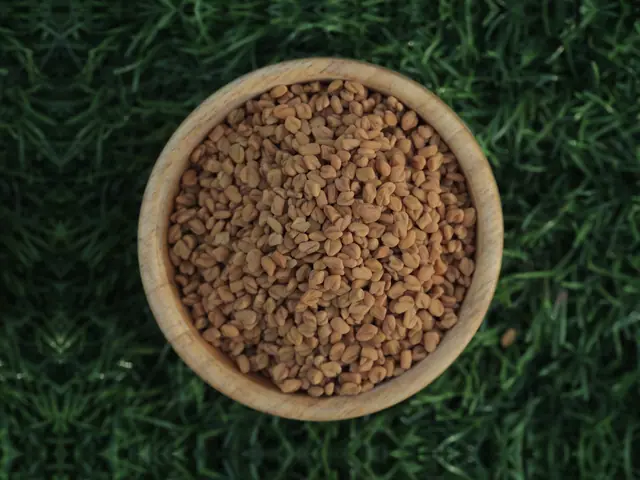
Fenugreek Seeds
98–99.5% sortex, ash ≤ 5%
View Product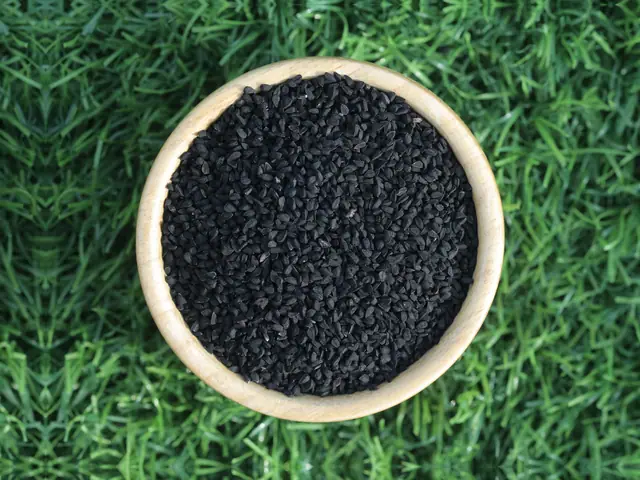
Black Cumin (Kalonji)
Nigella sativa, 99–99.5%
View Product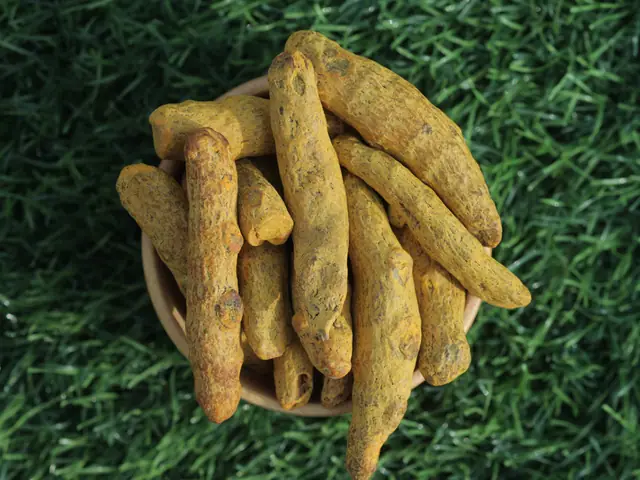
Turmeric Finger
Salem, Erode, Nizamabad; lead and chromate tested
View Product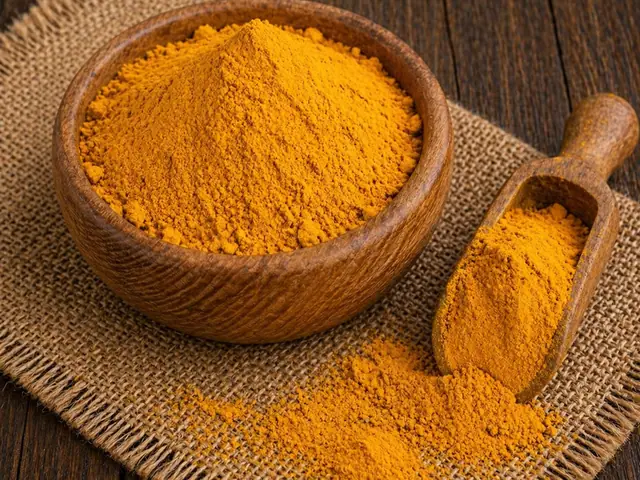
Turmeric Powder
2–5% curcumin, 60–100 mesh
View ProductSeed Spices From India's Spice Bowl
Elysium Agri Corporation is a spices exporter in India, based in Jamnagar, Gujarat. We supply whole seed spices and turmeric to importers, grinders, blenders and food manufacturers who buy in bulk, from single-spice containers to mixed loads.
Gujarat and Rajasthan grow more than 80% of India's seed spices, and Unjha in north Gujarat is one of Asia's largest cumin and fennel markets. Unjha cumin and fennel received GI tags in July 2026. As a spices exporter in Gujarat, we source cumin and fennel through Unjha, coriander through Gondal and Rajkot, and turmeric from Salem, Erode, Nizamabad and Sangli.
India exported spices worth US$ 4.43 billion in 2025-26 (Spices Board). China, the USA, the UAE and Bangladesh were the largest buyers.
India's Exports of the Spices We Ship (2025-26)
| Spice | Volume | Value | Main buyers |
|---|---|---|---|
| Cumin | 1,96,800 t | US$ 524.2 mn | UAE, Bangladesh, USA |
| Turmeric | 1,75,896 t | US$ 327.2 mn | USA, UAE, Bangladesh |
| Coriander | 60,211 t | US$ 77.0 mn | Malaysia |
| Fenugreek | 47,069 t | US$ 40.5 mn | UAE, Bangladesh, Sudan |
| Fennel | 33,038 t | US$ 47.8 mn | Bangladesh |
| All spices | 17,34,562 t | US$ 4,430.9 mn | China, USA, UAE, Bangladesh |
Source: Spices Board of India, item-wise and country-wise export data 2025-26.
Spices Board Registration and EU Testing
Every spice exporter in India must hold a Certificate of Registration as Exporter of Spices (CRES) from the Spices Board. Since 2023, EU-bound consignments of several spices go through the Board's mandatory sampling and testing, and Indian seed spices, ginger and turmeric are listed for ethylene oxide at the EU border, so each consignment needs an official ETO certificate. Indian cumin is also under 50% EU border checks for pesticides (Regulation (EU) 2019/1793 as amended by 2026/1206).
- 1
Sourcing
We buy cleaned lots from Unjha, Gondal, Rajkot and the turmeric markets.
- 2
Processing
Cleaning, grading and sortex to your specification.
- 3
Sampling
Lots are sampled by the Spices Board or an NABL-accredited lab.
- 4
Testing
Pesticides (incl. chlorpyrifos), ethylene oxide, aflatoxin, ochratoxin, Salmonella; lead, chromate and dyes for turmeric.
- 5
Clearance
Spices Board clearance, official ETO certificate for the EU, phytosanitary certificate and certificate of origin.
| Parameter | Our standard | Reference |
|---|---|---|
| Aflatoxin | B1 ≤ 5 / total ≤ 10 µg/kg | EU limit for listed spices, applied by contract |
| Ochratoxin A | ≤ 15 µg/kg | EU limit for spices |
| Ethylene oxide | Not detected | EU; Spices Board test level 0.02 mg/kg |
| Pesticide residues | Within EU / US / Japan MRLs | 117-pesticide panel for EU (Spices Board) |
| Lead | Seed spices ≤ 0.9 mg/kg · turmeric ≤ 1.5 mg/kg | EU limits |
| Pyrrolizidine alkaloids (cumin) | ≤ 400 µg/kg | EU limit |
| Sudan dyes (turmeric) | Not detected | Spices Board test for EU |
Bulk Spices: Container Loads and When to Buy
India's seed spices are rabi crops, sown from October to November and harvested from February to April; new-crop arrivals at Unjha and other mandis peak from March to May. Turmeric is harvested from January to April and reaches the markets from February to May.
| Spice | Approx. load per 20 ft | Approx. load per 40 ft |
|---|---|---|
| Cumin | 13–14 MT | 26–28 MT |
| Coriander | 9–10 MT | 18–21 MT |
| Fennel | 13.5–15 MT | 26–27 MT |
| Fenugreek | 22–24 MT (weight limit) | 27–28 MT |
| Kalonji | About 14 MT | About 26 MT |
| Turmeric powder | About 18 MT | About 27 MT |
Choosing a Bulk Spices Supplier in India
- Lot-wise lab report: pesticides, ETO, aflatoxin and Salmonella for your lot, not a generic certificate.
- Grade by specification: "Singapore 99" or "Eagle" mean different things to different traders; insist on purity, moisture and volatile oil numbers.
- No ETO fumigation: ask for steam sterilisation instead if you need low microbial counts.
- Realistic loading: coriander loads about 9–10 MT per 20 ft, not 19; check your landed cost.
- Origin and crop year: ask where and when each lot was grown. Ours come from Gujarat, Rajasthan and the major turmeric belts.
Spice Export Registrations and Documents
Spices Board CRES (No. CRES/SBCB/28692/2026-2027)
Certificate of Registration as Exporter of Spices (3-year block).
FSSAI Central Licence (No. 10726998000466)
Central food licence.
APEDA RCMC (No. RCMC/APEDA/05039/2023-2024)
Covers quinoa (other cereals).
Import Export Code
IEC AAKFE8383N (DGFT) · GSTIN 24AAKFE8383N1ZR.
Frequently Asked Questions (FAQ)
Which spices does Elysium Agri export?
Elysium Agri exports cumin, coriander, fennel, fenugreek, black cumin (kalonji), turmeric fingers and turmeric powder from India, as well as quinoa and flax seeds. All are available in export grades, machine-cleaned or sortex.
Which spices does India export the most?
By value, India's largest spice exports in 2025-26 were chilli, cumin, spice oils and oleoresins, cardamom, mint products and turmeric. Cumin exports were worth US$ 524 million and turmeric US$ 327 million (Spices Board).
Do Indian spices meet EU ethylene oxide and pesticide rules?
They can, but they must be tested. Indian seed spices and turmeric need an official ETO certificate for the EU, and Indian cumin faces 50% EU border checks for pesticides. Elysium Agri tests every EU lot and ships through the Spices Board's mandatory sampling.
What is CRES?
CRES is the Certificate of Registration as Exporter of Spices, issued by the Spices Board of India. Every spice exporter needs one in addition to an Import Export Code. It is issued for a three-year block.
Do you use ETO to sterilise spices?
No. Ethylene oxide is banned in the EU and many other markets.
When are Indian seed spices harvested?
Cumin, coriander, fennel and fenugreek are rabi crops harvested from February to April, with arrivals peaking at Unjha and other mandis from March to May. Turmeric arrives from February to May.
How many tonnes of spices fit in a container?
It depends on the spice. A 20 ft container holds about 13–14 MT of cumin, 9–10 MT of coriander, 13.5–15 MT of fennel and 22–24 MT of fenugreek, subject to shipping-line weight limits.
Can I mix spices in one container?
Yes. We can load several spices, for example cumin, coriander and fennel, in one container, each packed and labelled separately with its own lab report.
Who are spices exporters in Gujarat?
Gujarat has many spice exporters around Unjha, Rajkot and Gondal. Elysium Agri Corporation is a Jamnagar-based spices exporter shipping seed spices and turmeric with lot-wise pesticide, ETO and aflatoxin testing and Spices Board clearance.