De-Oiled Cake (Groundnut, Cottonseed, Sunflower and Sesame DOC)
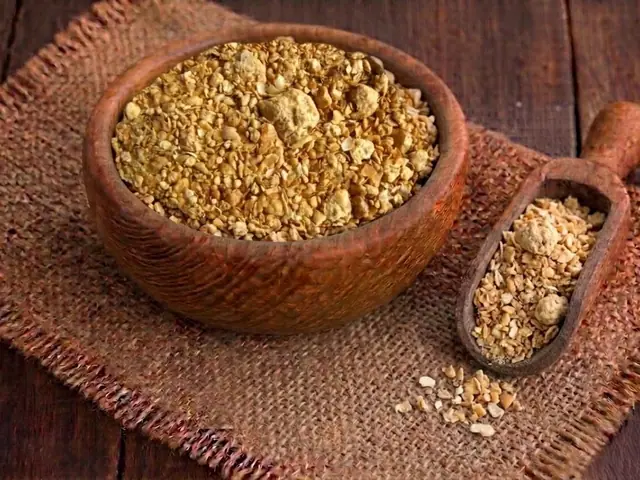
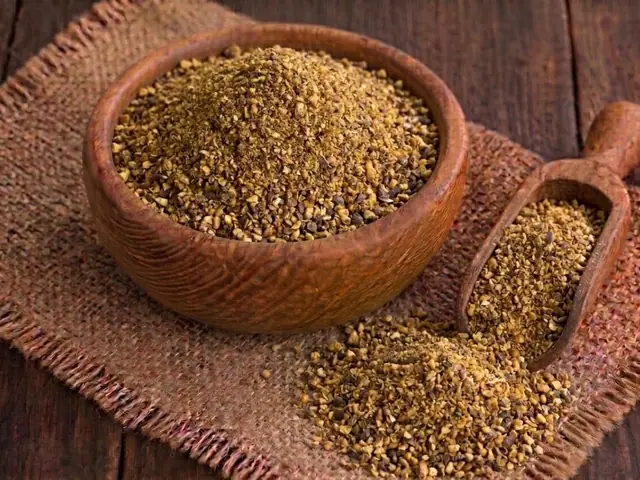
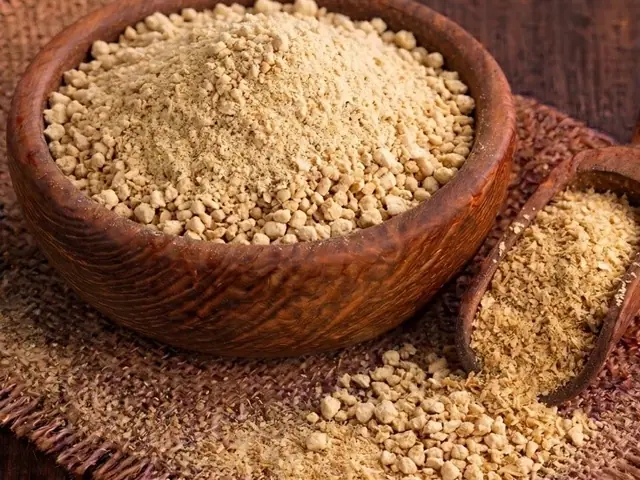
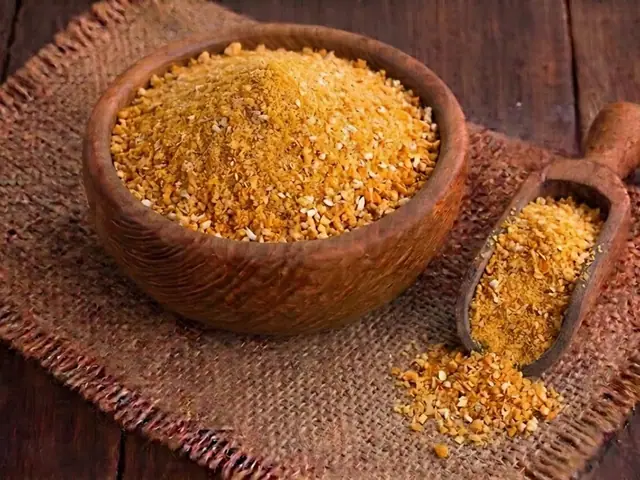
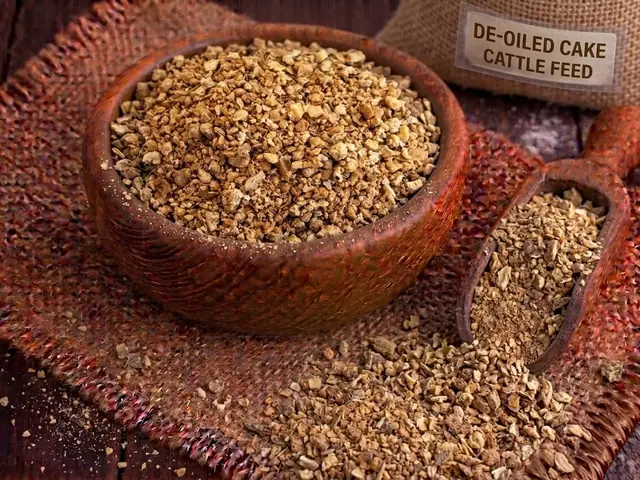
De-oiled cake (DOC) is the protein-rich meal left after oil is pressed or solvent-extracted from oilseeds. Elysium Agri supplies groundnut DOC from Gujarat's Saurashtra crushing belt, plus cottonseed, sunflower and sesame DOC, for cattle, poultry and aqua feed, with aflatoxin tested on every lot.
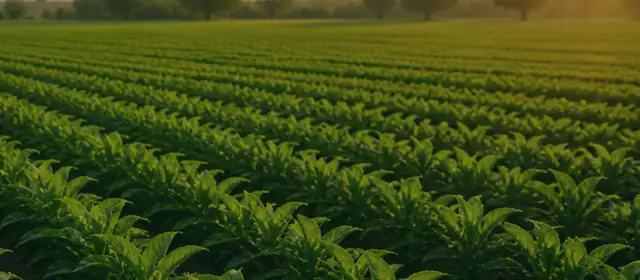
Gujarat grows about half of India's groundnuts, so groundnut extraction is made close to our Jamnagar base. Soybean and mustard (rapeseed) DOC have their own pages.
De-Oiled Cake (DOC) Specification
Groundnut DOC Protein
45–50% (extraction)
Groundnut Oil
≤ 1% extraction · 6–8% expeller cake
Cottonseed DOC Protein
≈ 38–42% (decorticated)
Sunflower DOC Protein
≈ 30–36%
Sesame DOC Protein
≈ 40–45%
Moisture
10% max
Sand / Silica
2.5% max
Aflatoxin B1
≤ 20 µg/kg EU · per contract for Asia
Free Gossypol
Cottonseed ≤ 1,200 mg/kg (EU)
De-Oiled Cake (DOC): Full Export Specification
Standard export specifications for the de-oiled cakes we supply, based on Indian trade specifications, the SEA export grades and EU feed limits. Groundnut DOC is our lead product. Send your own specification with your enquiry.
| General | Specification | Note |
|---|---|---|
| Products | Groundnut (peanut) DOC · cottonseed DOC · sunflower DOC · sesame DOC | Soybean and mustard DOC: see their own pages |
| Process | Solvent extraction (DOC / extraction meal) or expeller pressing (cake, higher oil) | Specify on order |
| Origin | Groundnut: Saurashtra, Gujarat · cottonseed: Gujarat · sunflower: Maharashtra, Karnataka | — |
| Form | Meal, pellets or broken cake | — |
| Typical values by cake | Specification | Test method / note |
|---|---|---|
| Groundnut DOC (extraction) | Protein 45–50% · oil ≤ 1% · fibre ≤ 8% · moisture ≤ 10% | SEA / trade spec; DKP |
| Groundnut expeller cake | Protein 40–45% · oil 6–8% · fibre ≤ 8% | Trade spec |
| Cottonseed DOC (decorticated) | Protein 38–42% · oil ≤ 2% · fibre ≤ 16% | DKP; undecorticated ≈ 22–28% protein |
| Sunflower DOC | Protein 30–36% · oil ≤ 2% · fibre 20–28% | Feedipedia; dehulled is higher in protein |
| Sesame DOC (extraction) | Protein 40–45% · oil ≤ 3% · fibre ≤ 10% | Feedipedia |
| Physical / quality | Specification | Test method / note |
|---|---|---|
| Sand / silica | ≤ 2.5% | Gravimetric; SEA grades |
| Moisture | ≤ 10% | Oven |
| Colour and smell | Typical of the seed; no mould, rancid or burnt smell | Sensory |
| Feed safety | Specification | Limit source / test |
|---|---|---|
| Aflatoxin B1 | EU / UK: ≤ 20 µg/kg (feed materials, 12% moisture) · ≤ 50–100 µg/kg per contract (Asian buyers) | EU Directive 2002/32/EC (undesirable substances in feed); HPLC or LC-MS/MS |
| Free gossypol (cottonseed) | ≤ 1,200 mg/kg (cottonseed cake / meal) | EU Directive 2002/32/EC (undesirable substances in feed) |
| Castor contamination | ≤ 10 mg/kg (Ricinus) in any feed | EU Directive 2002/32/EC (undesirable substances in feed) |
| Salmonella | Absent in 25 g (when the contract requires it) | ISO 6579; common buyer clause, not an EU legal limit for all feed |
| Commercial | Specification | Note |
|---|---|---|
| HS code | Groundnut 2305 00 10 / 20 / 90 · cottonseed 2306 10 · sunflower 2306 30 | — |
| Packing | 50 kg PP bags · 1 MT jumbo bags · pellets | Buyer's marks and private label on request |
| Container load | bulk vessels | See De-Oiled Cake (DOC) Packing and Container Loading |
| Shelf life | About 6 months in cool, dry storage | Cool, dry, ventilated storage away from odours |
| Documents | Certificate of Analysis (protein, fat, fibre, moisture, sand / silica, aflatoxin B1) · Phytosanitary Certificate · Certificate of Origin · Fumigation Certificate (where required) · Independent inspection (SGS or buyer's surveyor) on request | — |
Groundnut, Cottonseed, Sunflower and Sesame DOC Compared
In Indian trade, "DOC" means the meal left after oil extraction from any oilseed. Each cake has a different protein level and a different risk to test for.
| Cake | Protein | Best for | Test for |
|---|---|---|---|
| Groundnut DOC | 45–50% | Cattle, poultry, aqua | Aflatoxin (the main risk) |
| Cottonseed DOC | 22–42% | Cattle and buffalo (≤ 15% of the ration) | Free gossypol |
| Sunflower DOC | 30–36% | Cattle, layers | High fibre |
| Sesame DOC | 40–45% | Cattle, poultry | Phytate, oxalates |
| Castor DOC | Not a feed | Organic fertiliser only | Ricin (toxic) |
De-Oiled Cake Options
Groundnut DOC 45–50%
Low-aflatoxin lots on request.
Groundnut Expeller Cake
Higher oil, for cattle.
Cottonseed DOC
Decorticated or undecorticated.
Looking for soybean or mustard DOC? Soyabean Meal →Rapeseed Meal →
De-Oiled Cake (DOC) Packing and Container Loading
| Pack type | Net weight | Units per 20 ft | Net per 20 ft | Net per 40 ft HC |
|---|---|---|---|---|
| PP bag | 50 kg | ≈ 400–440 | ≈ 20–22 MT | ≈ 26–27 MT |
| PP bag (pellets) | 50 kg | — | Higher than meal (denser) | — |
| Jumbo bag | 1,000 kg | ≈ 18–20 | Volume-limited | — |
Where De-Oiled Cake (DOC) Is Used
Dairy and Cattle Feed
The largest use of groundnut and cottonseed DOC.
Poultry Feed
Groundnut and sesame DOC as protein.
Aqua Feed
Groundnut DOC in fish and shrimp feed.
Compound Feed Mills
Protein blending.
Buffalo and Goat Feed
Cottonseed cake.
Organic Fertiliser
Castor and neem cake (not feed).
De-Oiled Cake Price: What Sets It
De-oiled cakes are priced per metric tonne ex-plant or FOB, on protein, oil and aflatoxin.
- Oilseed crop: Gujarat's groundnut and cotton crops.
- Crushing margins: oil prices decide how much seed is crushed.
- Aflatoxin grade: low-aflatoxin groundnut DOC costs more.
- Protein level: priced by protein point.
- Soymeal price: the benchmark protein meal.
Prices move with the crop and the market, so we quote on the day. Tell us your grade, quantity and port for a current FOB, CFR or CIF price.
Tested, Certified and Traceable
Groundnut DOC is tested for aflatoxin on every lot, because aflatoxin carries into milk (as aflatoxin M1) when contaminated cake is fed to dairy cows.
- Lot sampling at loading
- Proximate analysis, sand / silica and aflatoxin B1 tests
- Phytosanitary, fumigation and export documents
Documents with every shipment
Get a DOC Quote
Share your grade, quantity and destination, and we will send an FOB or CIF price with the spec sheet.
Thank you. Our animal feed desk will send your price and spec sheet.
Frequently Asked Questions (FAQ)
What is DOC in animal feed?
DOC means de-oiled cake: the protein-rich meal left after oil is extracted from oilseeds such as groundnut, cottonseed, sunflower, sesame, soybean and mustard.
What is the protein content of groundnut DOC?
Groundnut extraction (DOC) contains about 45–50% protein with oil below 1%; groundnut expeller cake has 40–45% protein and 6–8% oil.
What is the difference between DOC and oil cake?
DOC or extraction meal is solvent-extracted and has less than 1–2% oil. Oil cake or expeller cake is mechanically pressed and keeps 6–12% oil.
Why is aflatoxin tested in groundnut DOC?
Groundnuts are prone to aflatoxin, and aflatoxin passes into cows' milk. The EU limit for aflatoxin B1 in feed materials is 20 µg/kg.
Is cottonseed DOC safe for animals?
Yes, within limits. Cottonseed meal contains gossypol, so it is fed mainly to adult cattle and buffalo; the EU limit for free gossypol in cottonseed meal is 1,200 mg/kg.
Is castor DOC used as animal feed?
No. Castor cake contains ricin and is sold as organic fertiliser, not feed. The EU allows no more than 10 mg/kg of castor in any feed.
What is the HS code for groundnut DOC?
Groundnut oil-cake and meal are classified under ITC-HS 2305 00 (2305 00 10, 20 or 90 depending on type).
Who exports de-oiled cake from India?
Elysium Agri Corporation, based in Jamnagar, Gujarat, supplies groundnut, cottonseed, sunflower and sesame DOC with lot-wise protein and aflatoxin testing.