

Lab Testing on Every Export Lot
Aflatoxin, pesticide residues, ethylene oxide, Salmonella and more, tested before shipment and reported on a Certificate of Analysis.
Results Your Customs Will Accept
NABL is a signatory of the ILAC mutual recognition arrangement, so its accredited results are recognised by accreditation bodies worldwide.
For spices we also use the Spices Board's Quality Evaluation Laboratory at Kandla, which is NABL-accredited and equipped with LC-MS/MS, GC-MS/MS and HPLC. For groundnuts to the EU, testing is done by APEDA-approved labs under the Peanut.Net system.
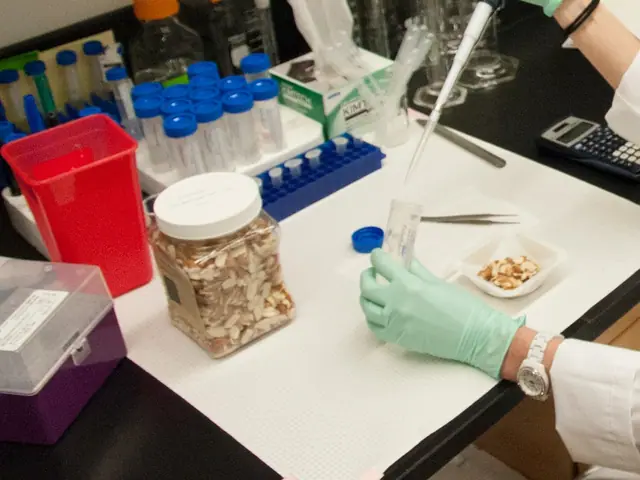
Our Standard Test Panel
| Test | Method | Typical limit (EU unless stated) | Products |
|---|---|---|---|
| Aflatoxin B1 and total | HPLC with fluorescence detection or LC-MS/MS | Peanuts B1 2 / total 4 µg/kg (direct use); spices 5 / 10; feed B1 20 | Peanuts, spices, grains, feed |
| Ochratoxin A | HPLC / LC-MS/MS | Spices 15–20 µg/kg (by spice) | Spices, grains |
| Pesticide residues | Multi-residue LC-MS/MS and GC-MS/MS (400+ compounds) | EU MRLs or destination MRLs | All |
| Ethylene oxide (sum with 2-chloroethanol) | GC-MS/MS | 0.05 mg/kg sesame; 0.1 mg/kg spices | Sesame, spices |
| Salmonella | ISO 6579-1 | Absent in 25 g | Sesame, spices, dehydrated, peanut butter |
| E. coli, TPC, yeast and mould | ISO 16649, ISO 4833, ISO 21527 | Per buyer specification | Spices, dehydrated, herbs |
| Heavy metals (lead, cadmium) | ICP-MS / AAS | EU Reg 2023/915 limits | Pulses, spices, seeds |
| Moisture, FFA, peroxide value | Oven / titration | Per product specification | Peanuts, sesame, seeds |
| Protein, fat, fibre, sand / silica | Kjeldahl, Soxhlet, gravimetric | Per contract grade | Animal feed, grains |
Limits are indicative; your contract limits apply. See each product page for the full specification.
Official Sampling and Certification
| Product | Official system | What it involves |
|---|---|---|
| Groundnuts | APEDA Peanut.Net | Approved ISO 17025 lab draws and seals samples (EU lots sampled under Reg 2023/2782); APEDA issues the Certificate of Export and the EU Health Certificate |
| Spices | Spices Board | Lab testing and health certificate for markets that require it, such as the EU |
| Other products | Buyer's specification | NABL lab CoA; third-party survey on request |
What Every Certificate of Analysis Includes
- Lab name, address and NABL accreditation number
- Unique report number on every page
- Product, lot and container number
- Sampling details, date received and test dates
- Test methods, results with units and limits of quantification
- The limit each result is compared with
- Name and signature of the authorised signatory
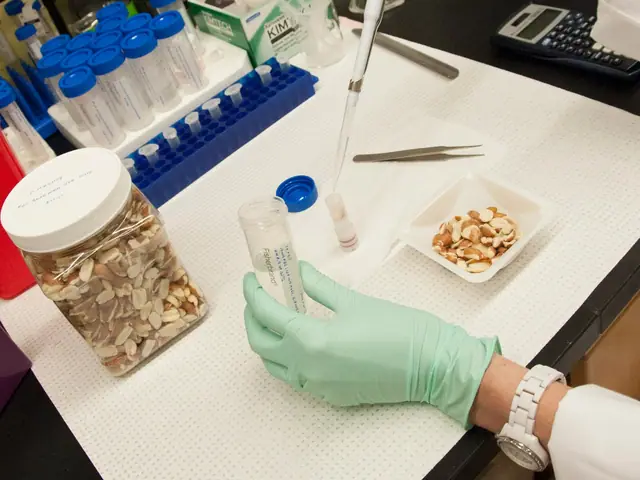
Your own testing
Send us your lab's specification and limits, or ask us to send a pre-shipment sample to your lab. Independent sampling by SGS, Intertek or Bureau Veritas can be arranged at loading.
Frequently Asked Questions (FAQ)
How do you test peanuts for aflatoxin?
Samples are drawn by an approved lab, then tested by HPLC with fluorescence detection or LC-MS/MS. For the EU, sampling follows Regulation 2023/2782 and the result is recorded in APEDA's Peanut.Net system.
Do you test sesame for ethylene oxide?
Yes. Sesame and spices are tested for ethylene oxide as the sum of EtO and 2-chloroethanol by GC-MS/MS, against the EU limit of 0.05 mg/kg for sesame.
Can you test to my own specification?
Yes. Share your parameters and limits, and we test each lot against them before shipment.
Is the Certificate of Analysis from an accredited lab?
Yes. Our CoAs come from NABL-accredited labs and show the lab's accreditation number, methods, results and limits.