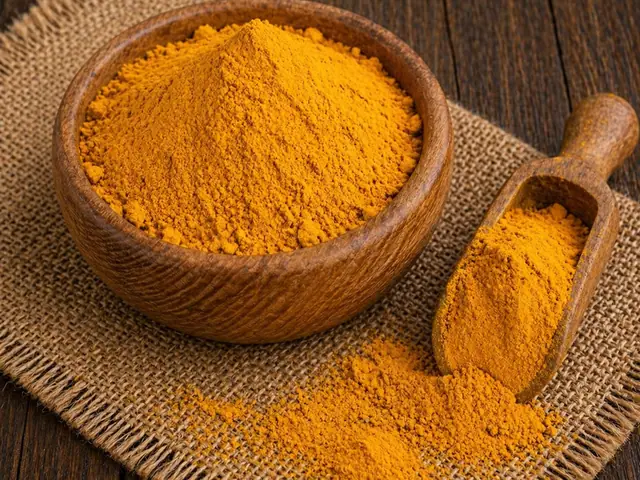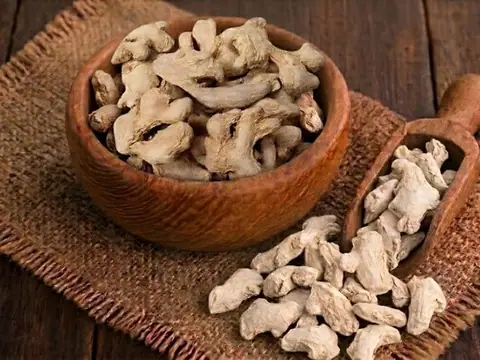
Dried Turmeric Fingers
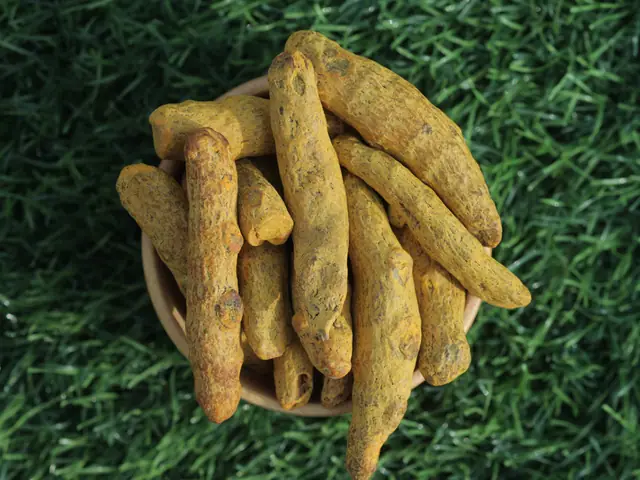
Elysium Agri exports dried turmeric fingers from India's main turmeric belts: Salem and Erode in Tamil Nadu, Nizamabad in Telangana and Sangli in Maharashtra. We supply unpolished, single-polished and double-polished fingers with 2–5% curcumin depending on variety, and every lot is tested for lead, chromate, aflatoxin and pesticide residues.
India grows about 80% of the world's turmeric and exported about 1.76 lakh tonnes worth US$ 327 million in 2025-26 (Spices Board). We polish fingers mechanically only, with no colourant, and test every lot for lead and chromate, because lead chromate added during polishing is the biggest safety risk in whole turmeric.
Turmeric Finger Specification
Curcumin
2% min · Salem 3–3.5% · Alleppey / Lakadong 5%+ on request
Finish
Unpolished, single or double polished (no colourant)
Size
3–6 cm fingers; pieces under 15 mm ≤ 3%
Moisture
10% max (Codex 12%)
Total Ash / AIA
≤ 8% / ≤ 1.5%
Lead and Chromate
Lead ≤ 1.5 mg/kg; chromate negative
Aflatoxin / OTA
B1 ≤ 5 · total ≤ 10 · OTA ≤ 15 µg/kg
Packing
25 / 50 kg jute or PP bags
Container Load
40 ft ≈ 25–28 MT
Dried Turmeric Fingers: Full Specification
The standard export specification for our dried turmeric fingers, benchmarked to Codex CXS 359-2024 and IS 3576. Send your own specification with your enquiry.
| General | Specification | Note |
|---|---|---|
| Product | Dried turmeric fingers (Curcuma longa L.), boiled, dried; polished or unpolished | — |
| Crop / season | Harvest Jan–Apr; peak arrivals Feb–May | — |
| Processing | Boiled 45–60 min, sun-dried to ≤ 10% moisture, drum-polished mechanically | No colourant or lead compounds |
| Physical | Specification | Test method / note |
|---|---|---|
| Size | 3–6 cm; pieces under 15 mm ≤ 3% | Sieve / measure |
| Broken | ≤ 5% | Visual |
| Extraneous / foreign matter | ≤ 0.5% | Codex max 0.5% |
| Defective rhizomes | ≤ 3% | Codex max 5% |
| Insect-defiled / mould | ≤ 1% / ≤ 1% | Codex max 1% / 3% |
| Moisture | ≤ 10% | ISO 939; Codex max 12%, IS 11% |
| Chemical | Specification | Test method / note |
|---|---|---|
| Curcumin (curcuminoids) | ≥ 2%; by variety: Nizamabad 2–2.25%, Erode 2.5–3%, Salem 3–3.5%, Alleppey / Lakadong 5%+ | HPLC / ASTA 18.0; Codex min 2% |
| Total ash | ≤ 8% | Codex whole max 8% |
| Acid-insoluble ash | ≤ 1.5% | Codex max 1.5% |
| Food safety | Specification | Test method / note |
|---|---|---|
| Aflatoxin | B1 ≤ 5 µg/kg; total ≤ 10 µg/kg | HPLC; EU limit for listed spices, applied by contract |
| Ochratoxin A | ≤ 15 µg/kg | HPLC; EU limit for spices |
| Ethylene oxide (ETO + 2-chloroethanol) | Not detected (below EU MRL; Spices Board test level 0.02 mg/kg for EU) | GC-MS/MS; no ETO fumigation used |
| Pesticide residues | Within EU / US / Japan MRLs (chlorpyrifos below LOQ) | LC-MS/MS and GC-MS/MS multi-residue screen |
| Lead | ≤ 1.5 mg/kg (EU limit for root spices); lead chromate negative | ICP-MS / AAS |
| Sudan I–IV, metanil yellow, lead chromate | Not detected | HPLC / spot test; chromium tested with lead |
| Salmonella | Absent in 25 g | ISO 6579-1 |
| Commercial | Specification | Note |
|---|---|---|
| HS code | 0910 30 20 (turmeric, dried) | 0910 30 30 for powder |
| Packing | 25 / 50 kg jute or PP bags · HDPE on request | Buyer's marks on request |
| Container load | 40 ft: about 25–28 MT | See Turmeric Finger Packing and Container Loading |
| Shelf life | Up to 24 months in cool, dry storage | Cool, dry, ventilated storage away from odours |
| Documents | Spices Board clearance / health certificate (mandatory sampling for EU) · Official ETO certificate for EU (Annex II) · Certificate of Analysis (pesticides, ETO, aflatoxin, ochratoxin, Salmonella) · Phytosanitary Certificate · Certificate of Origin · Fumigation Certificate (where required) | — |
Salem, Erode, Nizamabad or Rajapuri?
Indian turmeric is traded by origin, and origin tells you the curcumin level, colour and price.
Some polished turmeric has been adulterated with lead chromate to brighten the colour, mostly in double-polished roots. We polish mechanically only and test every lot for lead (EU limit 1.5 mg/kg) and chromate.
| Variety / origin | Curcumin (typical) | Look | Best for |
|---|---|---|---|
| Nizamabad (Telangana) | 2.0–2.25% | Bright yellow, bold | Volume grinding, Middle East, Bangladesh |
| Erode (Tamil Nadu, GI) | 2.5–3.0% | Yellow, medium | Powder, curry blends |
| Salem (Tamil Nadu) | 3.0–3.5% | Deep yellow-orange, bright | Premium powder, colour |
| Alleppey (Kerala) / Lakadong (Meghalaya, GI) | 5%+ / 6.8–7.5% | Deep orange | — |
| Option | What it means | Notes |
|---|---|---|
| Finger | Side rhizomes, 2–8 cm long | Grinds easily; higher price |
| Bulb | Central mother rhizome, round and fibrous | Lower price; more fibre |
| Unpolished | Dried with the outer skin | Lowest risk, dull colour |
| Single / double polished | Drum-polished to remove skin and brighten | Brighter; must be tested for lead and chromate |
Choose Your Turmeric Finger Grade
Europe / Japan Grade
Selected bold fingers, low defects, tested to EU / Japan limits.
Good / FAQ Grade
Standard fingers for grinding.
Bulbs
Lower-cost rhizomes for powder and extraction.
Need it ground? Turmeric Powder →
Turmeric Finger Packing and Container Loading
| Pack type | Net weight | Net per 20 ft | Net per 40 ft HC |
|---|---|---|---|
| Jute bag | 25 kg | ≈ 13–18 MT | ≈ 25–28 MT |
| Jute bag | 50 kg | ≈ 13–18 MT | ≈ 25–28 MT |
| PP bag | 25 / 50 kg | ≈ 13–18 MT | ≈ 25–28 MT |
Where Turmeric Fingers Are Used
Turmeric Powder Grinding
The main use; importers grind locally.
Curcumin Extraction
High-curcumin fingers for oleoresin and curcumin.
Curry Powder and Blends
Colour and flavour base.
Natural Food Colour
Yellow colour for food and drinks.
Traditional and Ayurvedic Uses
Whole turmeric for home and wellness.
Retail Whole Spice
Packed whole turmeric.
Turmeric Finger Price: What Sets It
Turmeric fingers are priced per metric tonne FOB. Nizamabad, Erode and Sangli markets and NCDEX futures lead the market.
- Variety and curcumin: Salem and high-curcumin origins cost more.
- Finger vs bulb: fingers cost more than bulbs.
- Polish: polished costs more than unpolished.
- Crop: Feb–May arrivals; supply tightens Aug–Nov.
- Compliance: EU-grade lots tested for lead and pesticides cost more.
Prices move with the crop and the market, so we quote on the day. Tell us your grade, quantity and port for a current FOB, CFR or CIF price.
Tested, Certified and Traceable
EU shipments go through the Spices Board's mandatory sampling and carry the official ETO certificate. Every lot is also tested for lead and chromium to rule out lead chromate.
- Sourcing from Gujarat and Rajasthan mandis
- Lot sampling (Spices Board / NABL-accredited lab)
- Pesticides, ETO, aflatoxin, ochratoxin and Salmonella tests
- Spices Board clearance and export documents
Documents with every shipment
Get a Turmeric Finger Quote
Share your variety, curcumin level and quantity, and we will send a price with the spec sheet.
Thank you. Our spices desk will send your price and spec sheet.
Frequently Asked Questions (FAQ)
Which Indian turmeric has the highest curcumin?
Lakadong turmeric from Meghalaya (about 6.8–7.5%) and Alleppey turmeric from Kerala (5%+) have the highest curcumin. Among the big trading origins, Salem (3–3.5%) is higher than Erode (2.5–3%) and Nizamabad (2–2.25%).
What is the difference between turmeric finger and bulb?
Fingers are the long side rhizomes (2–8 cm); bulbs are the round central mother rhizome. Fingers grind more easily and sell for more; bulbs are more fibrous and cheaper.
What is double polished turmeric finger?
Double-polished turmeric has been drum-polished twice to remove the skin and give a smooth, bright surface. It must be tested for lead and chromate, because adulteration with lead chromate is most often found in polished roots. Elysium Agri polishes mechanically only and tests every lot.
What is the specification of turmeric fingers for export?
Export turmeric fingers typically have curcumin of at least 2% (3%+ for Salem), ≤ 10% moisture, ≤ 0.5% foreign matter, total ash ≤ 8%, acid-insoluble ash ≤ 1.5%, lead ≤ 1.5 mg/kg and chromate negative, in line with Codex CXS 359-2024.
What is the HS code for turmeric fingers?
Dried turmeric fingers are exported from India under HS 0910 30 20. Turmeric powder is 0910 30 30.
When is turmeric harvested in India?
Turmeric is harvested from January to April. After boiling and drying, new-crop fingers reach Nizamabad, Erode and Sangli markets from February to May.
Who exports turmeric fingers from India?
Elysium Agri Corporation exports dried turmeric fingers from Salem, Erode, Nizamabad and Sangli origins, polished mechanically without colourants and tested for lead, chromate, aflatoxin and pesticides, with Spices Board clearance.