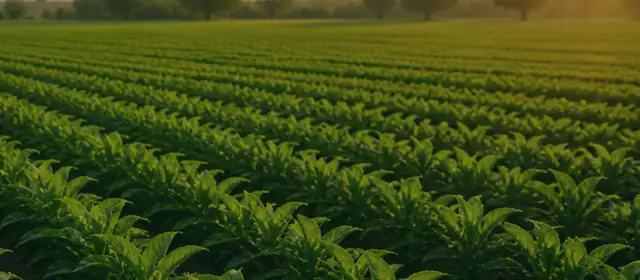
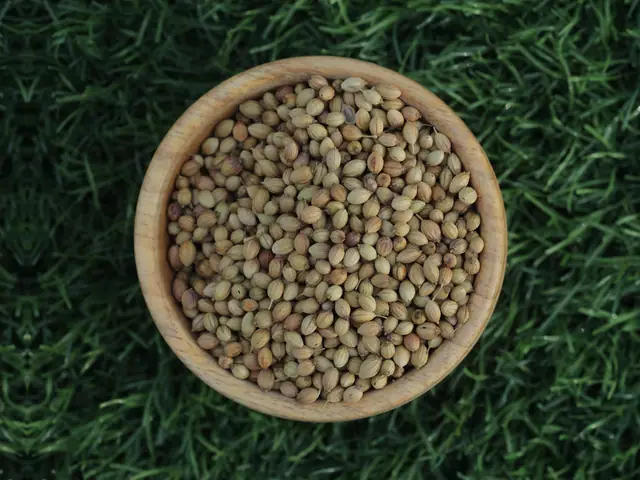
Coriander Seeds (Dhaniya)
Elysium Agri exports whole and split coriander seeds (dhaniya) from Gujarat, Madhya Pradesh and Rajasthan, India's coriander belt. We supply Parrot, Scooter, Eagle and Badami grades, machine-cleaned or sortex, from 98% to 99.5% purity, with every lot tested for pesticides, ethylene oxide and Salmonella.
Coriander grade names are not standardised across the trade, so every contract we sign states the colour, purity, split percentage and moisture, not just the grade name. India exported about 60,000 tonnes of coriander worth US$ 77 million in 2025-26 (Spices Board).
Coriander Seeds Specification
Grades
Parrot, Scooter, Eagle, Badami, split (dal)
Purity
98 / 99 / 99.5% (sortex)
Split Seeds
≤ 5% in whole grades
Damaged / Discoloured
≤ 2%
Moisture
9% max
Volatile Oil
0.2–0.4 ml/100 g
Total Ash / AIA
≤ 7% / ≤ 1.5%
Salmonella
Absent in 25 g
ETO and Pesticides
ETO not detected; EU / US MRLs
Container Load
20 ft ≈ 9–10 MT · 40 ft ≈ 18–21 MT
Coriander Seeds: Full Export Specification
The standard export specification for our whole coriander seeds, benchmarked to FSSAI, IS 2443 and AGMARK. Send your own specification with your enquiry.
| General | Specification | Note |
|---|---|---|
| Product | Whole coriander seeds (Coriandrum sativum L.), dried; also split (dhaniya dal) | — |
| Origin | Gujarat (Saurashtra, Gondal), Madhya Pradesh (Guna), Rajasthan (Kota, Ramganj Mandi) | — |
| Crop / season | Rabi crop, harvested Feb–Mar | — |
| Size | About 2–5 mm diameter | Indicative |
| Physical | Specification | Test method / note |
|---|---|---|
| Purity | 98 / 99 / 99.5% | ISO 927 |
| Extraneous matter | ≤ 1% | FSSAI max 1% |
| Split seeds (whole grades) | ≤ 5% | IS 2443 Special 4%; FSSAI 10% |
| Damaged / discoloured | ≤ 2% | FSSAI max 2% |
| Insect-damaged | ≤ 1% | FSSAI |
| Moisture | ≤ 9% | ISO 939; FSSAI / IS max 9% |
| Colour | Green (Parrot) to light brown (Eagle) to brown (Badami) | Visual, by grade |
| Chemical | Specification | Test method / note |
|---|---|---|
| Volatile oil | ≥ 0.2 ml/100 g (typical 0.2–0.4) | ISO 6571; AGMARK Special 0.2 |
| Total ash | ≤ 7% | FSSAI / IS 2443 |
| Acid-insoluble ash | ≤ 1.5% | FSSAI / IS 2443 |
| Food safety | Specification | Test method / note |
|---|---|---|
| Aflatoxin | B1 ≤ 5 µg/kg; total ≤ 10 µg/kg | HPLC; EU limit for listed spices, applied by contract |
| Ochratoxin A | ≤ 15 µg/kg | HPLC; EU limit for spices |
| Ethylene oxide (ETO + 2-chloroethanol) | Not detected (below EU MRL; Spices Board test level 0.02 mg/kg for EU) | GC-MS/MS; no ETO fumigation used |
| Pesticide residues | Within EU / US / Japan MRLs (chlorpyrifos below LOQ) | LC-MS/MS and GC-MS/MS multi-residue screen |
| Lead | ≤ 0.9 mg/kg (EU limit for seed spices) | ICP-MS / AAS |
| Salmonella | Absent in 25 g | ISO 6579-1 |
| Commercial | Specification | Note |
|---|---|---|
| HS code | 0909 21 90 (coriander, whole, other) | 0909 22 00 for crushed or ground; 0909 21 10 is seed quality |
| Packing | 25 / 50 kg PP bags · 25 kg paper with liner · 10 kg bags | Buyer's marks on request |
| Container load | 20 ft: about 9–10 MT · 40 ft: about 18–21 MT | See Coriander Packing and Container Loading |
| Shelf life | 12–18 months in cool, dry storage | Cool, dry, ventilated storage away from odours |
| Documents | Spices Board clearance / health certificate (mandatory sampling for EU) · Official ETO certificate for EU (Annex II) · Certificate of Analysis (pesticides, ETO, aflatoxin, ochratoxin, Salmonella) · Phytosanitary Certificate · Certificate of Origin · Fumigation Certificate (where required) | — |
Parrot, Scooter, Eagle and Badami Coriander Explained
Coriander grades describe colour, and colour follows freshness and quality. Because traders use the names differently, we always confirm grades by colour and specification.
| Grade | Colour | Quality | Typical use |
|---|---|---|---|
| Parrot (single / double) | Bright green | Premium, strongest aroma | Whole-seed retail, premium blends |
| Scooter | Light green with some brown | High | Blends, retail |
| Eagle | Light brown | Standard export grade | Grinding, curry powder |
| Badami | Brownish, some dark seeds | Economy | Grinding, oil |
| Split (dhaniya dal) | Husked halves | Lowest cost | Mukhwas, roasting, grinding |
| Indian standards (% max) | FSSAI | IS 2443 Special | AGMARK Special |
|---|---|---|---|
| Extraneous matter | 1.0 | 2 | 1.0 (0.8 organic + 0.2 inorganic) |
| Split seeds | 10 | 4 | 5 |
| Damaged / discoloured | 2 | 1 | 2 |
| Moisture | 9 | 9 | 9 |
| Total ash | 7 | 7 | 7 |
| Volatile oil (min) | 0.1 | 0.1 | 0.2 ml/100 g |
Whole, Split or Ground
Whole Coriander
Machine-cleaned or sortex, 98–99.5%.
Split Coriander / Dhaniya Dal
Husked halves for roasting and mukhwas.
Also see: Cumin Seeds →Fennel Seeds →
Coriander Packing and Container Loading
Coriander is very light for its volume, so containers load far fewer tonnes than for heavier seeds.
| Pack type | Net weight | Units per 20 ft | Net per 20 ft | Net per 40 ft HC |
|---|---|---|---|---|
| PP bag | 25 kg | ≈ 360–400 | ≈ 9–10 MT | ≈ 18–21 MT |
| PP bag | 40 / 50 kg | ≈ 190–240 | ≈ 9–10 MT | ≈ 18–21 MT |
| Paper bag with liner | 25 kg | ≈ 360–400 | ≈ 9–10 MT | ≈ 18–21 MT |
Where Coriander Seeds Are Used
Curry Powder and Masala
The largest use by volume.
Food Manufacturers
Sausages, pickles, sauces and seasonings.
Retail Spice Packs
Whole and ground coriander.
Brewing and Gin
Coriander in wheat beers and gin botanicals.
Mukhwas and Snacks
Roasted split coriander (dhaniya dal).
Essential Oil
Coriander oil distillation.
Coriander Seeds Price: What Sets It
Coriander is priced per metric tonne FOB. Grade (colour) moves the price most, followed by the rabi crop.
- Grade and colour: green Parrot costs more than Eagle and Badami.
- Crop: MP, Gujarat and Rajasthan harvests in Feb–Mar.
- Split vs whole: split is the lowest-cost form.
- Compliance: EU-grade tested lots carry a premium.
- Freight per tonne: low loads per container raise freight per tonne.
Prices move with the crop and the market, so we quote on the day. Tell us your grade, quantity and port for a current FOB, CFR or CIF price.
Tested, Certified and Traceable
EU shipments go through the Spices Board's mandatory sampling and carry the official ETO certificate.
- Sourcing from Gujarat and Rajasthan mandis
- Lot sampling (Spices Board / NABL-accredited lab)
- Pesticides, ETO, aflatoxin, ochratoxin and Salmonella tests
- Spices Board clearance and export documents
Documents with every shipment
Get a Coriander Quote
Share your grade, form and quantity, and we will send a price with the spec sheet.
Thank you. Our spices desk will send your price and spec sheet.
Frequently Asked Questions (FAQ)
What is the difference between Parrot, Scooter, Eagle and Badami coriander?
The grades describe colour. Parrot is bright green and premium, Scooter is light green with some brown, Eagle is light brown and the standard export grade, and Badami is brownish and used for grinding. Names vary between traders, so confirm the colour and spec on the contract.
What is the specification of coriander seeds for export?
Export coriander typically has 98–99.5% purity, ≤ 1% extraneous matter, ≤ 5% split seeds, ≤ 2% damaged or discoloured seeds, ≤ 9% moisture, total ash ≤ 7% and volatile oil of at least 0.2 ml/100 g, with Salmonella absent and pesticide and ETO residues within limits.
What is the HS code for coriander seeds?
Whole coriander seeds are exported under HS 0909 21 90. Ground or crushed coriander is 0909 22 00.
What is split coriander (dhaniya dal)?
Split coriander, or dhaniya dal, is coriander seed that has been husked and split into halves. It is roasted and eaten as a mouth freshener (mukhwas) or ground, and is the lowest-cost coriander form.
When is coriander harvested in India?
Coriander is a rabi crop harvested in February and March in Madhya Pradesh, Gujarat and Rajasthan. New-crop arrivals peak soon after.
Who exports coriander seeds from India?
Elysium Agri Corporation, based in Jamnagar, Gujarat, exports whole and split coriander seeds in Parrot, Scooter, Eagle and Badami grades, with lot-wise pesticide, ETO and Salmonella testing and Spices Board clearance.