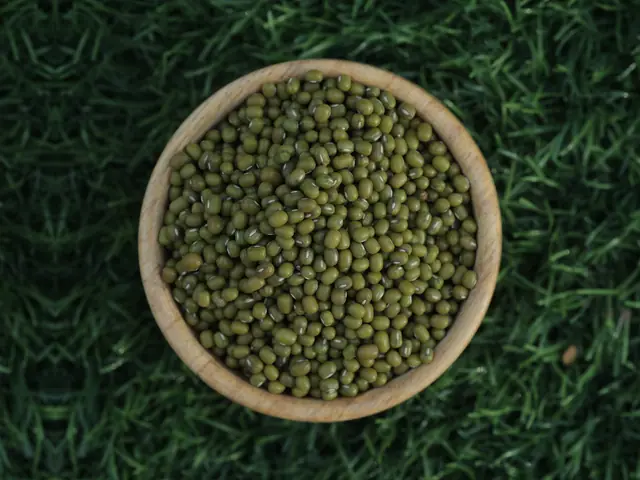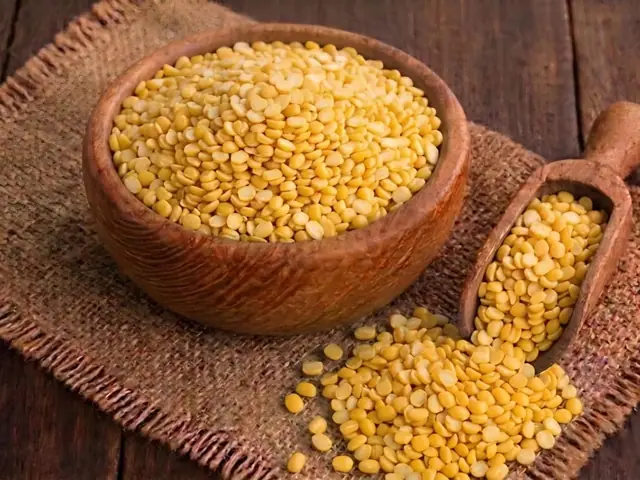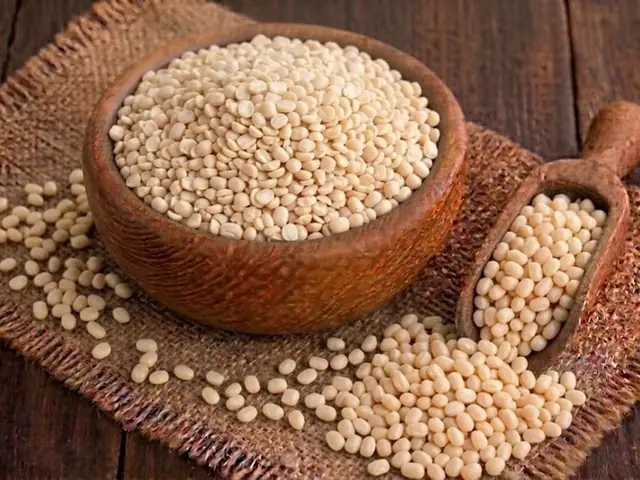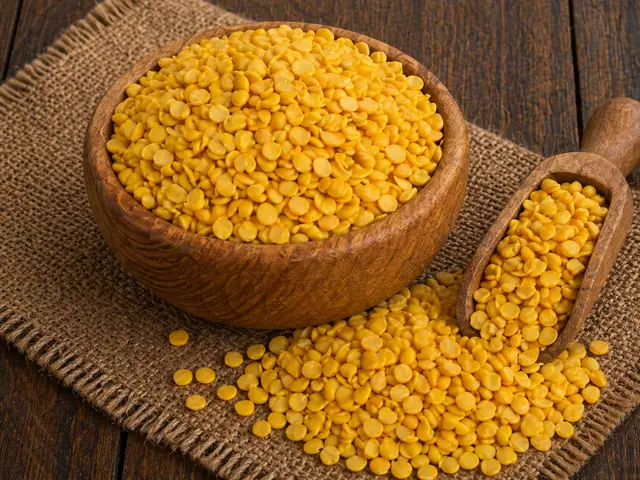
Green Lentils (Whole Lentils)
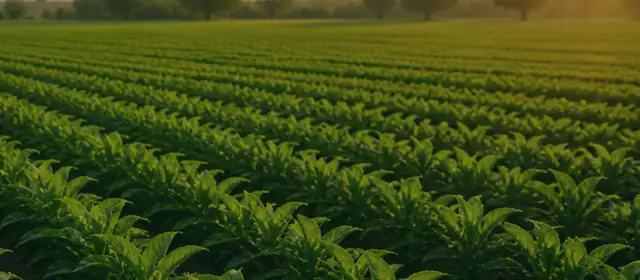
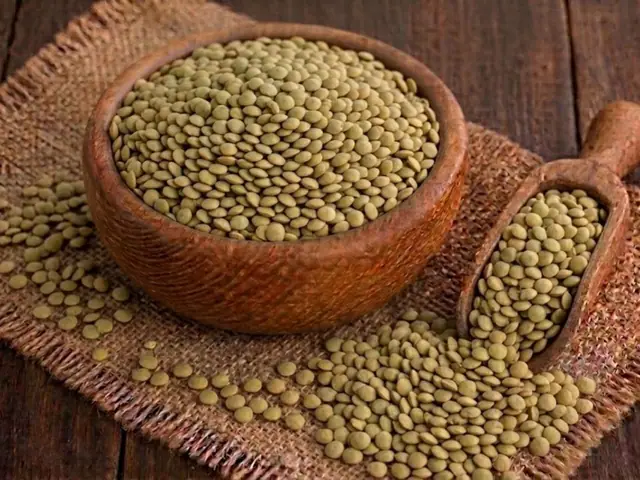
Green lentils are whole lentils with a green seed coat and yellow cotyledon, eaten whole in soups, salads and stews.
Most of the world's green lentils are grown in Canada; India grows mainly red lentils (masoor) and imports green lentils. We state the origin of every lot on the contract, and can combine green lentils with Indian pulses in one container.
Green Lentils Specification
Sizes
Large 6–7 mm · medium 5.5–6 mm · small 4.5–5.5 mm
Colour
Even green; discoloured ≤ 2%
Purity
99% min
Moisture
13% max (14% Canadian max)
Foreign Material
≤ 0.2–0.5%
Total Damage
≤ 2–3.5%
Peeled / Split / Broken
≤ 2–3.5%
Glyphosate
≤ 10 mg/kg (EU MRL); tested
Lead / Cadmium
≤ 0.20 / ≤ 0.040 mg/kg (EU)
Container Load
20 ft ≈ 24–25 MT
Green Lentils: Full Export Specification
The standard export specification for our green lentils, benchmarked to the Canadian No. 1–2 lentil grades, Codex CXS 171 and FSSAI. Send your own specification with your enquiry.
| General | Specification | Note |
|---|---|---|
| Product | Whole green lentils (Lens culinaris Medik.), green seed coat, yellow cotyledon | Also called brown / green lentils in retail |
| Size classes | Large (Laird type, 6–7 mm) · medium (Richlea type, 5.5–6 mm) · small (Eston type, 4.5–5.5 mm) | Canadian trade classes |
| Colour | Even light green; darkening increases with age | Visual |
| Physical | Specification | Test method / note |
|---|---|---|
| Purity | 99% min | — |
| Moisture | ≤ 13% | CAN max 14%; FSSAI max 14% |
| Foreign material | ≤ 0.2–0.5% | CAN No. 1: 0.2%, No. 2: 0.5% |
| Stones | ≤ 0.1% | CAN No. 1: 0.1% |
| Total damage | ≤ 2–3.5% | CAN No. 1: 2%, No. 2: 3.5% |
| Peeled, split, broken | ≤ 2–3.5% | CAN No. 1: 2%, No. 2: 3.5% |
| Contrasting classes (e.g. red) | ≤ 0.2–0.5% | CAN No. 1 / No. 2 |
| FSSAI / Codex benchmarks | Limit | Source |
|---|---|---|
| Moisture (FSSAI legal max) | 14% whole · 12% dehusked / split | FSSAI 2.4.6(22), 2025 |
| Extraneous matter | ≤ 1% (mineral ≤ 0.25%, animal origin ≤ 0.10%) | FSSAI; Codex CXS 171 |
| Other edible grains | ≤ 2% | FSSAI |
| Damaged (incl. broken ≤ 3%) | ≤ 7% | FSSAI; Codex slight defects |
| Discoloured | ≤ 3% | FSSAI |
| Food safety | Specification | Test method / note |
|---|---|---|
| Pesticide residues | Within EU / destination MRLs (e.g. EU chlorpyrifos and thiamethoxam 0.01 mg/kg) | LC-MS/MS and GC-MS/MS multi-residue screen |
| Glyphosate | ≤ 10 mg/kg (EU MRL for lentils); lower on request | LC-MS/MS |
| Lead | ≤ 0.20 mg/kg | ICP-MS; EU limit for pulses (Reg 2023/915) |
| Cadmium | ≤ 0.040 mg/kg | ICP-MS; EU limit for pulses |
| Uric acid | ≤ 100 mg/kg | FSSAI |
| Live insects | Nil | Visual; fumigated before loading |
| Commercial | Specification | Note |
|---|---|---|
| HS code | 0713 40 00 (lentils) | Same code for all lentil types |
| Packing | 25 / 50 kg PP or BOPP bags · jute bags on request · 1 MT jumbo bags | Buyer's marks and private label on request |
| Container load | 20 ft: about 24–26 MT · 40 ft HC: about 26–28 MT | See Green Lentils Packing and Container Loading |
| Documents | Phytosanitary Certificate · Certificate of Origin · Certificate of Analysis (moisture, admixture, pesticides, lead, cadmium) · Fumigation Certificate (where required by destination) · Independent inspection (SGS or buyer's surveyor) on request | — |
Large, Medium or Small Green Lentils?
Green lentils are traded by size class, named after Canadian varieties.
| Class | Size | Typical variety | Best for |
|---|---|---|---|
| Large green | 6–7 mm | Laird type | Retail, salads, whole-lentil dishes (Europe, Latin America) |
| Medium green | 5.5–6 mm | Richlea type | Retail, soups |
| Small green | 4.5–5.5 mm | Eston type | Soups, stews, canning, Middle East |
| Indian whole masoor | 3.5–5 mm | Desi masoor (brown coat, red inside) | Indian whole dal (not a true green lentil) |
Green Lentil Options
Large Green
6–7 mm, premium retail.
Small Green
4.5–5.5 mm, soups and canning.
Need red lentils? Red Lentils →
Green Lentils Packing and Container Loading
| Pack type | Net weight | Units per 20 ft | Net per 20 ft | Net per 40 ft HC |
|---|---|---|---|---|
| PP bag | 50 kg | ≈ 480–520 | ≈ 24–26 MT | ≈ 26–28 MT |
| PP / BOPP bag | 25 kg | ≈ 960–1,040 | ≈ 24–26 MT | ≈ 26–28 MT |
| Jumbo bag | 1,000 kg | ≈ 24 | ≈ 24 MT | ≈ 26–28 MT |
Where Green Lentils Are Used
Soups and Stews
Lentils hold their shape.
Salads
Whole lentil salads.
Canning
Canned lentils and ready meals.
Retail Packs
Supermarket packs.
Vegetarian Foods
Lentil burgers and plant-based foods.
Food Service
Restaurants and caterers.
Green Lentil Price: What Sets It
Green lentils are priced per metric tonne FOB or CNF by size and grade, following the Canadian crop.
- Canadian crop: Saskatchewan harvest and quality set world prices.
- Size: large green lentils cost more than small.
- Grade and colour: No. 1 bright-green lots carry a premium.
- Freight: origin and routing change landed cost.
- Import duty: India's 10% lentil duty affects re-export economics.
Prices move with the crop and the market, so we quote on the day. Tell us your grade, quantity and port for a current FOB, CFR or CIF price.
Tested, Certified and Traceable
Indian pulses are not under increased EU border checks, but we test to EU and destination limits for every buyer.
- Lot sampling
- Moisture, admixture, pesticide and heavy-metal tests
- Phytosanitary, fumigation and export documents
Documents with every shipment
Get a Green Lentil Quote
Share your grade, quantity and destination, and we will send an FOB or CIF price with the spec sheet.
Thank you. Our pulses desk will send your price and spec sheet.
Frequently Asked Questions (FAQ)
What are green lentils?
Green lentils are whole lentils with a green seed coat and a yellow inside. They keep their shape when cooked and are used in soups, salads and stews.
What sizes of green lentils are available?
Large green lentils (Laird type, about 6–7 mm), medium (Richlea type, 5.5–6 mm) and small (Eston type, 4.5–5.5 mm).
What is the specification of green lentils for export?
Export green lentils typically have 99% purity, moisture ≤ 13%, foreign material ≤ 0.2–0.5%, total damage ≤ 2–3.5% and glyphosate within the EU MRL of 10 mg/kg, in line with the Canadian No. 1–2 grades.
Are green lentils grown in India?
India grows mainly red lentils (masoor). Most of the world's green lentils come from Canada, and India imports them.
What is the HS code for green lentils?
Lentils of all types are classified under HS 0713 40 (India: 0713 40 00).
Who supplies green lentils from India?
Elysium Agri Corporation, based in Jamnagar, Gujarat, supplies green lentils in large, medium and small sizes, sortexed and tested for glyphosate and heavy metals, and can combine them with Indian pulses in one container.