Urad (Black Gram): Whole, Split and Gota
Elysium Agri exports urad (black gram, Vigna mungo) in all its trade forms: whole black urad, urad chilka (split with skin), urad gota (whole, dehusked white) and urad dal (split, dehusked). Every lot is cleaned, sortexed and tested for moisture, admixture, pesticides and heavy metals.
Urad is the pulse behind idli, dosa, vada, papad and dal makhani.
Urad Specification
Forms
Whole black · chilka · gota · dal
Purity
98–99% (sortex)
Moisture
12% max whole · 12% dehusked
Foreign Matter
0.5% max
Damaged
≤ 1% dehusked · ≤ 2% chilka
Broken
≤ 3%
Weevilled
≤ 0.5%
Lead / Cadmium
≤ 0.20 / ≤ 0.040 mg/kg (EU)
Container Load
20 ft ≈ 24–26 MT
Urad: Full Export Specification
The standard export specification for our urad, benchmarked to the FSSAI pulses standard and the Myanmar trade standard (MPBMSMA). Codex CXS 171 excludes Vigna mungo. Send your own specification with your enquiry.
| General | Specification | Note |
|---|---|---|
| Product | Black gram (Vigna mungo L. Hepper): whole, split with skin, dehusked whole or split | Urad / urd / black matpe |
| Varieties | Pant Urad, Vamban, Shekhar, Azad Urad and local types | — |
| Crop / season | Kharif (about 70%, new crop Oct), rabi and summer crops | Crop year on each contract |
| Physical | Specification | Test method / note |
|---|---|---|
| Purity | 98–99% | — |
| Moisture | ≤ 12% | ISO 24557; FSSAI max 14% whole / 12% dehusked |
| Foreign matter | ≤ 0.5% | FSSAI max 1% |
| Damaged | ≤ 1% (gota / dal) · ≤ 2% (whole / chilka) | MPBMSMA SQ max 2% |
| Weevilled | ≤ 0.5% | MPBMSMA SQ max 0.5% |
| Broken | ≤ 3% | FSSAI broken max 3% |
| Brown / off-colour (whole) | ≤ 2.5% | MPBMSMA SQ |
| FSSAI / Codex benchmarks | Limit | Source |
|---|---|---|
| Moisture (FSSAI legal max) | 14% whole · 12% dehusked / split | FSSAI 2.4.6(22), 2025 |
| Extraneous matter | ≤ 1% (mineral ≤ 0.25%, animal origin ≤ 0.10%) | FSSAI |
| Other edible grains | ≤ 2% | FSSAI |
| Damaged (incl. broken ≤ 3%) | ≤ 7% | FSSAI |
| Discoloured | ≤ 3% | FSSAI |
| Food safety | Specification | Test method / note |
|---|---|---|
| Pesticide residues | Within EU / destination MRLs (e.g. EU chlorpyrifos and thiamethoxam 0.01 mg/kg) | LC-MS/MS and GC-MS/MS multi-residue screen |
| Lead | ≤ 0.20 mg/kg | ICP-MS; EU limit for pulses (Reg 2023/915) |
| Cadmium | ≤ 0.040 mg/kg | ICP-MS; EU limit for pulses |
| Uric acid | ≤ 100 mg/kg | FSSAI |
| Live insects | Nil | Visual; fumigated before loading |
| Commercial | Specification | Note |
|---|---|---|
| HS code | 0713 31 10 (urad, Vigna mungo), whole or split | Moong is 0713 31 90; some exporters file split dals under 0713 90 10 |
| Packing | 25 / 50 kg PP or BOPP bags · jute bags on request · 1 MT jumbo bags | Buyer's marks and private label on request |
| Container load | 20 ft: about 24–26 MT · 40 ft HC: about 26–28 MT | See Urad Packing and Container Loading |
| Documents | Phytosanitary Certificate · Certificate of Origin · Certificate of Analysis (moisture, admixture, pesticides, lead, cadmium) · Fumigation Certificate (where required by destination) · Independent inspection (SGS or buyer's surveyor) on request | — |
Whole Urad, Chilka, Gota or Urad Dal?
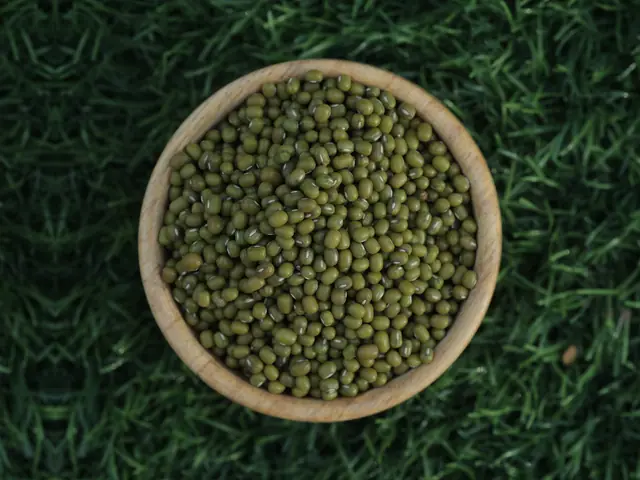
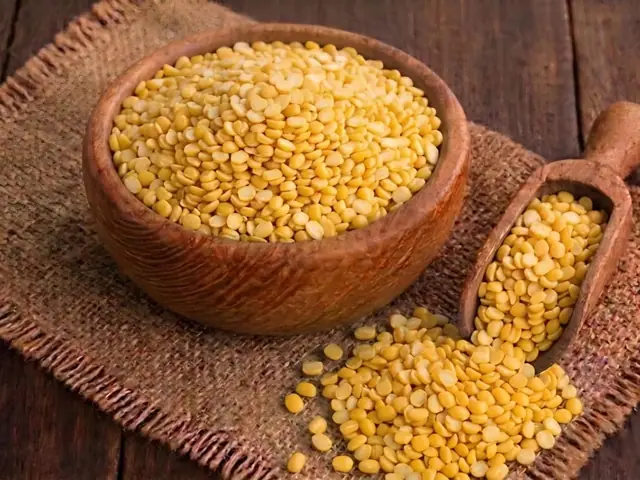
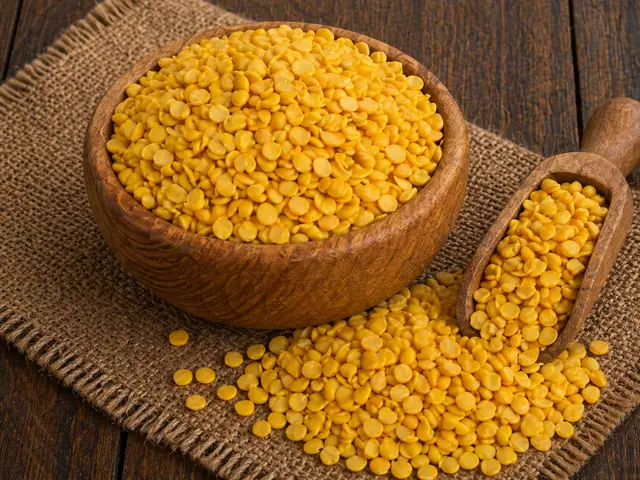
Urad is sold in four forms, from whole black bean to white split dal.
| Form | What it is | Colour | Main uses |
|---|---|---|---|
| Whole urad (sabut) | Whole bean, skin on | Black | Dal makhani, whole curries |
| Urad chilka | Split, skin on | Black and white | Dal, khichdi |
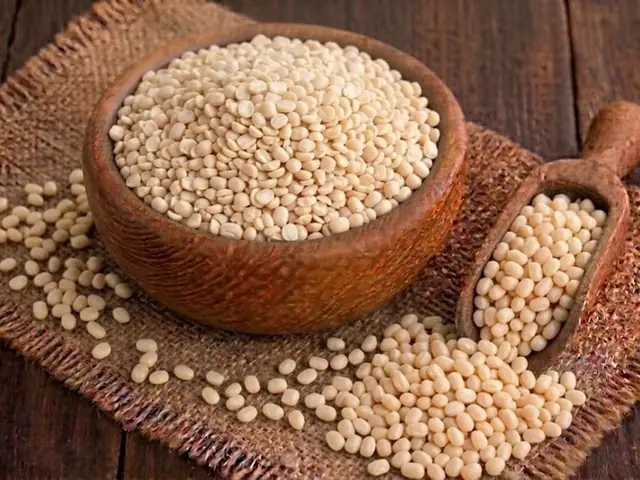
| Urad gota | Whole, skin removed | White | Idli / dosa batter, vada |
| Urad dal (washed) | Split, skin removed | White | Idli / dosa batter, papad, dal |
Urad Grades
FAQ / Machine Cleaned
For millers and processors.
Sortex
Retail and food manufacturers.
Urad Packing and Container Loading
| Pack type | Net weight | Units per 20 ft | Net per 20 ft | Net per 40 ft HC |
|---|---|---|---|---|
| PP bag | 50 kg | ≈ 480–520 | ≈ 24–26 MT | ≈ 26–28 MT |
| PP / BOPP bag | 25 kg | ≈ 960–1,040 | ≈ 24–26 MT | ≈ 26–28 MT |
| Jumbo bag | 1,000 kg | ≈ 24 | ≈ 24 MT | ≈ 26–28 MT |
Where Urad Is Used
Idli and Dosa Batter
Urad gota or dal with rice.
Papad
Urad dal flour for papad.
Dal Makhani
Whole black urad.
Vada and Snacks
Medu vada and fried snacks.
Retail Packs
All four forms for grocery stores.
Flour
Urad flour for batters and papad.
Urad Price: What Sets It
Urad is priced per quintal in Indian mandis and per metric tonne FOB. India's imports from Myanmar and Brazil have a big effect.
- Kharif crop: about 70% of urad arrives from October.
- Imports: about 1 million tonnes a year from Myanmar and Brazil; urad imports are free until March 2027.
- Support price: MSP 2026-27 is ₹8,200 per quintal.
- Form: gota and dal cost more than whole urad.
- Grade: bold, sortexed lots cost more.
Prices move with the crop and the market, so we quote on the day. Tell us your grade, quantity and port for a current FOB, CFR or CIF price.
Tested, Certified and Traceable
Indian pulses are not under increased EU border checks, but we test to EU and destination limits for every buyer.
- Lot sampling
- Moisture, admixture, pesticide and heavy-metal tests
- Phytosanitary, fumigation and export documents
Documents with every shipment
Get a Urad Quote
Share your grade, quantity and destination, and we will send an FOB or CIF price with the spec sheet.
Thank you. Our pulses desk will send your price and spec sheet.
Frequently Asked Questions (FAQ)
What is urad?
Urad (black gram, Vigna mungo) is a small black pulse used whole, split with skin (chilka), dehusked whole (gota) or split and dehusked (urad dal). It is the key pulse in idli, dosa, vada, papad and dal makhani.
What is urad gota?
Urad gota is whole urad with the black skin removed, leaving a white bean. It is widely used for idli and dosa batter and medu vada.
What is the specification of urad for export?
Export urad typically has 98–99% purity, moisture ≤ 12%, foreign matter ≤ 0.5%, damaged ≤ 1–2%, weevilled ≤ 0.5% and broken ≤ 3%, with pesticide, lead and cadmium results to buyer limits.
What is the HS code for urad?
Urad (black gram), whole or split, is exported from India under ITC-HS 0713 31 10. Moong is 0713 31 90.
Can urad be exported from India?
Yes. Urad exports are "Free". India also imports about 1 million tonnes a year, mainly from Myanmar and Brazil, and urad imports are free until 31 March 2027.
Which countries buy urad from India?
India's moong and urad exports (HS 0713 31) go mainly to the USA, Bangladesh, Canada, the UAE, the UK, Sri Lanka and Nepal, largely for South Asian cooking.
Who exports urad from India?
Elysium Agri Corporation, based in Jamnagar, Gujarat, exports whole urad, urad chilka, urad gota and urad dal, sortexed and tested for moisture, admixture, pesticides and heavy metals.