Chia Seeds (Salvia hispanica)
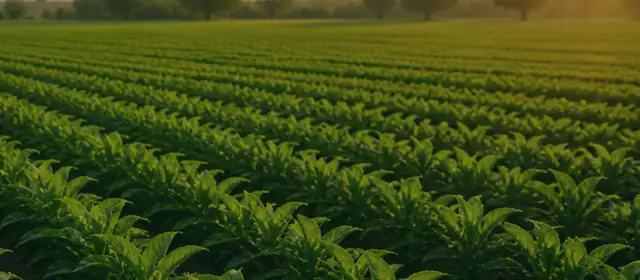
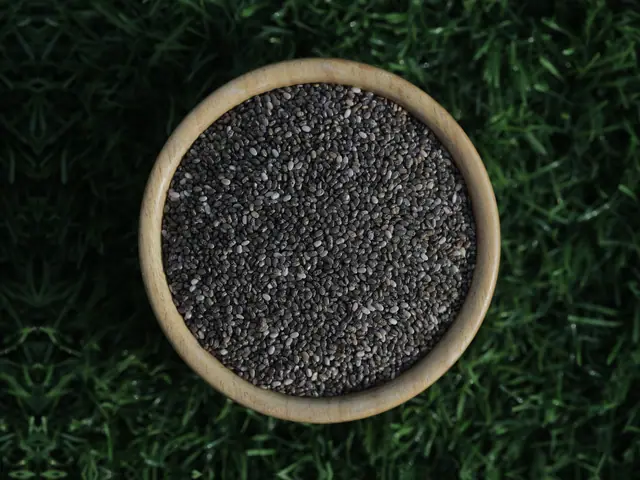
Elysium Agri is a chia seeds supplier exporting Indian black chia (Salvia hispanica) in machine-cleaned and sortex grades up to 99.95% purity. Our chia comes from Madhya Pradesh's Neemuch–Mandsaur belt and newer growing areas in Maharashtra and Karnataka, cleaned to export grade and tested for microbiology, aflatoxin, pesticides and cadmium before loading.
Paraguay and Bolivia still dominate world chia, but Indian chia is now a growing alternative for buyers in Asia, the Middle East and Europe. Chia is an authorised novel food in the EU, and since 2021 it can be sold there "as such", in bulk as well as pre-packed.
Chia Seeds Specification
Botanical Name
Salvia hispanica L.
Purity
99.5% machine · 99.9–99.95% sortex
Moisture
8% max
Fat / Protein
About 30–34% / 17–22%
Omega-3 (ALA)
About 17–19 g per 100 g
Dietary Fibre
About 34 g per 100 g
Salmonella
Absent in 25 g
Aflatoxin
B1 ≤ 2 · total ≤ 4 µg/kg
Container Load
20 ft ≈ 18–19 MT · 40 ft ≈ 26 MT
Chia Seeds: Full Export Specification
The standard export specification for our black chia seeds, written to EU buyer norms and the FSSAI chia standard. Send your own specification with your enquiry.
| General | Specification | Note |
|---|---|---|
| Product | Whole chia seeds (Salvia hispanica L.), dried, cleaned | EU label name: "Chia seeds (Salvia hispanica)" |
| Crop / season | Rabi crop: sown Oct–Dec, harvested Feb–Mar | Crop year on each contract |
| Colour | Black / grey mottled (standard); white chia on request | Visual |
| Taste / odour | Neutral, no rancid or musty odour | Sensory |
| Physical | Specification | Test method / note |
|---|---|---|
| Purity | 99.5% (machine-cleaned) · 99.9–99.95% (sortex) | ISO 605 |
| Foreign matter | ≤ 0.05–0.5% by grade | FSSAI max 1% (mineral ≤ 0.25%) |
| Other edible seeds | ≤ 0.5% | FSSAI |
| Moisture | ≤ 8% | ISO 665; FSSAI legal max 11.5% |
| 1,000-seed weight | 1.2–1.6 g | FSSAI |
| Composition (typical) | Value per 100 g | Source / note |
|---|---|---|
| Fat | 30–34 g | Soxhlet; USDA 30.7 g |
| Alpha-linolenic acid (omega-3) | About 17–19 g (≈ 58–60% of fat) | GC; USDA 17.8 g |
| Protein | 17–22 g | Kjeldahl; USDA 16.5 g |
| Dietary fibre | About 34 g | AOAC 991.43 |
| Calcium | About 630 mg | USDA FoodData Central |
| Acidity of extracted fat | ≤ 2.0 mg KOH/g | FSSAI |
| Food safety | Specification | Test method / note |
|---|---|---|
| Yeast and mould | ≤ 10⁴ cfu/g | ISO 21527 |
| E. coli | < 10 cfu/g | ISO 16649-2 |
| Salmonella | Absent in 25 g | ISO 6579-1 |
| Aflatoxin | B1 ≤ 2 µg/kg; total ≤ 4 µg/kg | HPLC; EU limit for oilseeds for direct consumption |
| Pesticide residues | Within EU MRLs (default 0.01 mg/kg where no MRL) | LC-MS/MS and GC-MS/MS multi-residue screen |
| Commercial | Specification | Note |
|---|---|---|
| HS code | 1207 99 90 (other oil seeds) | EU import code CN 1207 99 96 |
| Packing | 25 kg multi-wall kraft paper with PE liner · 25 kg PP · 1 MT big bags | Buyer's marks and private label on request |
| Container load | 20 ft: about 18–19 MT · 40 ft: about 26 MT | See Chia Packing and Container Loading |
| Shelf life | 24 months from production in cool, dry storage | Cool, dry, ventilated storage away from odours |
| Documents | Certificate of Analysis (micro, aflatoxin, pesticides, cadmium) · Phytosanitary Certificate · Certificate of Origin · Fumigation Certificate (where required) · Organic certificate (organic lots only) | — |
Selling Indian Chia in the EU: What the Rules Allow
Chia seed is on the EU's Union list of authorised novel foods (Regulation (EU) 2017/2470). Later amendments widened its uses and removed the daily-intake label.
| Use | EU condition |
|---|---|
| Chia seeds as such (bulk or pre-packed) | Allowed since Regulation (EU) 2021/668 |
| Fruit, nut and seed mixes; yoghurt and dairy; puddings; juices and drinks; confectionery | No maximum level |
| Bread | Max 5% whole or ground chia |
| Baked products and breakfast cereals | Max 10% whole chia |
| Sterilised ready-to-eat meals | Max 5% |
| Label name | "Chia seeds (Salvia hispanica)"; the old 15 g/day statement was removed in 2020 (Regulation (EU) 2020/24) |
EU caps on heat-treated foods stay because of the acrylamide question raised by EFSA.
Choose Your Chia Grade
Machine Cleaned 99.5%
For oil pressing, blending and feed-grade uses.
Sortex 99.9–99.95%
For retail packing, bakery and EU / US food makers.
Also from our range: Psyllium Husk →. Flax Seeds →
Chia Packing and Container Loading
| Pack type | Net weight | Units per 20 ft | Net per 20 ft | Net per 40 ft HC |
|---|---|---|---|---|
| Multi-wall kraft paper with PE liner | 25 kg | ≈ 720–760 | ≈ 18–19 MT | ≈ 26 MT |
| PP bag | 25 kg | ≈ 720–760 | ≈ 18–19 MT | ≈ 26 MT |
| Big bag | 1,000 kg | ≈ 18 | ≈ 18 MT | ≈ 26 MT |
Where Chia Seeds Are Used
Bakery
Breads, crackers and gluten-free bakes (EU caps apply).
Breakfast and Snacks
Granola, muesli, bars and seed mixes.
Dairy and Plant-Based
Yoghurts, puddings and plant milks.
Beverages
Chia drinks and smoothies.
Retail Packers
Whole chia for branded superfood packs.
Chia Oil
Cold-pressed oil rich in omega-3 (ALA).
Chia Seeds Price: What Sets It
Chia is priced per metric tonne FOB. World prices follow the South American crop, so Indian prices move with Paraguay's harvest as well as our own.
- South American crop: frost cut Paraguay's 2025 crop by about half and pushed world prices up.
- Indian crop: Neemuch arrivals from February to April set local prices.
- Purity and treatment: sortex 99.95% and treated low-micro lots cost more.
- Organic: certified organic chia carries a large premium.
- Freight and currency: container rates and the rupee.
Prices move with the crop and the market, so we quote on the day. Tell us your grade, quantity and port for a current FOB, CFR or CIF price.
Tested, Certified and Traceable
Microbiology is the main reason EU buyers reject Indian chia, so every lot is tested for plate count, yeast and mould, E. coli and Salmonella at an NABL-accredited lab, along with aflatoxin, pesticide residues and cadmium. Chia is not under increased EU border checks for India, but we ship to EU limits for every buyer.
- Sourcing from Neemuch and partner farms
- Lab tests: micro, aflatoxin, pesticides, cadmium
- Phytosanitary and export documents
Documents with every shipment
Get a Chia Quote
Share your grade, quantity and destination, and we will send an FOB or CIF price with the spec sheet.
Thank you. Our herbs desk will send your price and spec sheet.
Frequently Asked Questions (FAQ)
What is the specification of chia seeds for export?
Export chia seeds typically have 99.5–99.95% purity, 8% max moisture, about 30–34% fat, 17–22% protein and 17–19 g of omega-3 (ALA) per 100 g, with Salmonella absent in 25 g, aflatoxin B1 ≤ 2 µg/kg and pesticide residues within EU limits.
What is the HS code for chia seeds?
Chia seeds are exported from India under ITC-HS 1207 99 90 (other oil seeds). The EU import code is CN 1207 99 96.
Where is chia grown in India?
Indian chia is grown mainly in Madhya Pradesh (Neemuch and Mandsaur), with newer areas in Maharashtra, Karnataka (Mysuru) and Uttar Pradesh. It is a rabi crop sown from October to December and harvested in February and March.
Can Indian chia seeds be sold in the EU?
Yes. Chia seed is an authorised novel food in the EU, and since 2021 it can be sold as such, in bulk or pre-packed. Heat-treated foods have limits (5% in bread, 10% in baked products and breakfast cereals). Buyers expect low microbial counts, so ask for a lot-wise lab report.
What is the difference between black and white chia seeds?
Black and white chia are the same species, Salvia hispanica, with almost identical nutrition. Black (mottled) chia is the standard trade type; white chia is rarer and usually costs more. Brown seeds are immature and are removed in cleaning.
What is the shelf life of chia seeds?
Up to 24 months from production when stored cool and dry, below about 30 °C and away from moisture. Most EU buyers ask for at least 12 months of shelf life remaining on delivery.
Who supplies chia seeds from India?
Elysium Agri Corporation, based in Jamnagar, Gujarat, supplies Indian black chia seeds in machine-cleaned and sortex grades, with lot-wise micro, aflatoxin, pesticide and cadmium testing for export buyers.