Psyllium Seeds (Isabgol Seeds)
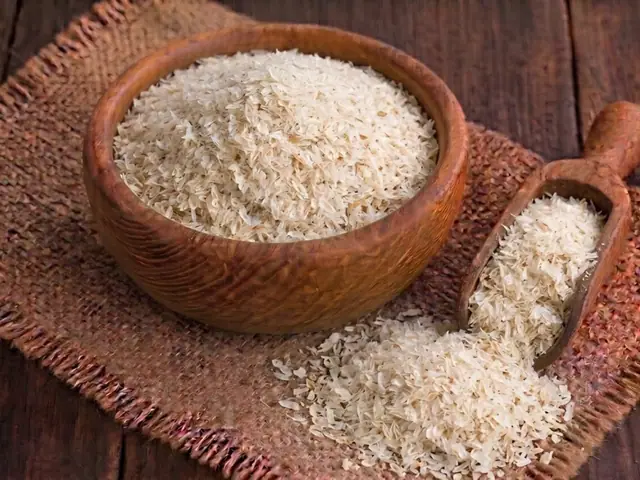
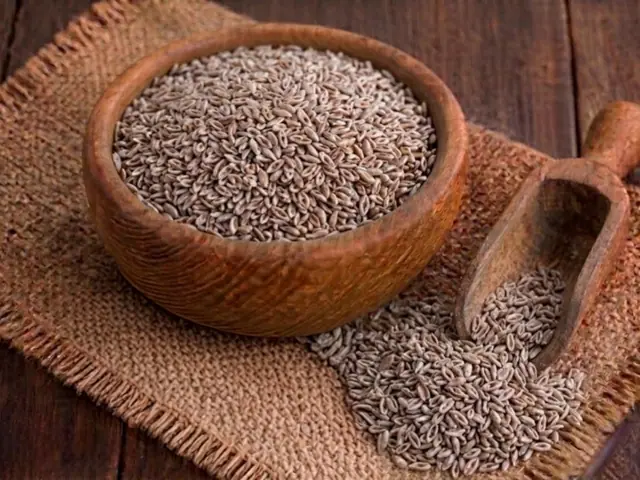
Psyllium seeds (isabgol seeds, Plantago ovata) are the small, boat-shaped seeds whose outer coat is milled into psyllium husk. Elysium Agri exports whole psyllium seed from north Gujarat and Rajasthan, cleaned to 98–99% purity, for husk processors, pharmaceutical buyers of ispaghula seed and herbal brands.
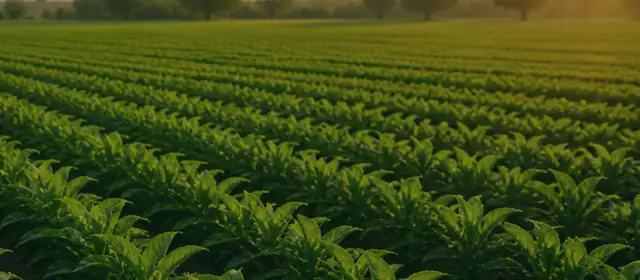
India grows about 85–90% of the world's psyllium, and most of it is processed around Unjha in Gujarat, a short drive from our sourcing network. The seed is a rabi crop, with new-crop arrivals from March to April.
Psyllium Seeds Specification
Botanical Name
Plantago ovata Forssk.
Purity
98 / 99%
Foreign Matter
≤ 1% / ≤ 0.5% by grade
Swelling Index
≥ 9 ml/g (Ph. Eur. ispaghula seed)
Husk Content
About 25% of seed weight
Salmonella
Absent in 25 g
Pesticides and ETO
Within EU / US MRLs; ETO not detected
Packing
25 / 50 kg PP bags
Psyllium Seeds: Full Export Specification
The standard export specification for our whole psyllium seed. Pharmaceutical buyers can specify European Pharmacopoeia (ispaghula seed) tests. Send your own specification with your enquiry.
| General | Specification | Note |
|---|---|---|
| Product | Whole psyllium seed (Plantago ovata Forssk.), cleaned, dried | Isabgol / ispaghula seed |
| Origin | Gujarat (Banaskantha, Kutch, Patan, Mehsana) and Rajasthan (Barmer, Jalore, Nagaur), India | Traded through Unjha |
| Crop / season | Rabi crop: sown Nov, harvested Feb–Apr; arrivals Mar–Apr | Crop year on each contract |
| Appearance | Small, boat-shaped, pinkish-grey to brown seeds | Visual |
| Physical | Specification | Test method / note |
|---|---|---|
| Purity | 98% / 99% | Buyer method |
| Foreign matter (stones, stalks, other seeds) | ≤ 1% (98) / ≤ 0.5% (99) | — |
| Swelling index | ≥ 9 ml/g | Ph. Eur. "Ispaghula seed" monograph |
| Husk yield on milling | About 25% (indicative) | Processor data (RACP) |
| Food safety | Specification | Test method / note |
|---|---|---|
| Total plate count | ≤ 10⁵ cfu/g | ISO 4833-1 |
| E. coli | Absent in 1 g | ISO 16649-2 |
| Salmonella | Absent in 25 g | ISO 6579-1 |
| Pesticide residues | Within EU / US MRLs | LC-MS/MS and GC-MS/MS multi-residue screen |
| Ethylene oxide (ETO + 2-chloroethanol) | Not detected; no ETO fumigation | GC-MS/MS |
| Commercial | Specification | Note |
|---|---|---|
| HS code | 1211 90 13 (psyllium seed, isobgul) | Husk ships under 1211 90 32 |
| Packing | 25 / 50 kg PP bags · jute bags on request | Buyer's marks and private label on request |
| Container load | 40 ft: about 26 MT | See Psyllium Seed Packing and Container Loading |
| Shelf life | 24 months in cool, dry storage | Cool, dry, ventilated storage away from odours |
| Documents | Certificate of Analysis (purity, swell volume, micro, heavy metals, pesticides) · Phytosanitary Certificate · Certificate of Origin · Fumigation Certificate (where required) | — |
From Psyllium Seed to Husk: The Milling Yield
Psyllium husk is the seed coat, removed by milling and winnowing. One tonne of clean seed gives roughly:
| Output | Share of seed | Use |
|---|---|---|
| Husk (sat isabgol) | About 25% | Laxatives, fibre supplements, food |
| Gola / golaisab (de-husked kernel) | About 60% | Cattle feed |
| Lali | About 7% | Cattle feed |
| Khakha (coarse coat) | About 5% | Low-grade husk, feed and industrial uses |
| Process loss | About 3% | — |
Source: RACP Isabgol Husk DPR, Rajasthan. Actual yields depend on seed quality and the mill.
Psyllium Seed Grades and Forms
Seed 99%
Machine-cleaned, for pharmaceutical and herbal buyers.
Seed 98%
For husk processors and milling.
Psyllium Husk
Need the husk instead? 85–99% purity.
Looking for the milled product? Psyllium Husk →
Psyllium Seed Packing and Container Loading
| Pack type | Net weight | Units per 20 ft | Net per 20 ft | Net per 40 ft HC |
|---|---|---|---|---|
| PP bag | 50 kg | ≈ 360–400 | ≈ 18–20 MT | ≈ 26 MT |
| PP bag | 25 kg | ≈ 720–800 | ≈ 18–20 MT | ≈ 26 MT |
| Jute bag | 50 kg | ≈ 360–400 | ≈ 18–20 MT | ≈ 26 MT |
Where Psyllium Seed Is Used
Husk Processing
Milled into psyllium husk and powder.
Pharmaceuticals
Ispaghula seed as a bulk laxative (Ph. Eur.).
Ayurvedic and Unani Medicine
Whole isabgol seed preparations.
Herbal and Nutraceutical Brands
Seed powders and blends.
Food Ingredients
Seed mucilage as a natural thickener.
Animal Feed
Kernel by-products after milling.
Psyllium Seed Price: What Sets It
Psyllium seed is priced per quintal at Unjha and per metric tonne FOB for export. The seed price drives the husk price too.
- Sown area: farmers switch between isabgol, cumin and mustard each rabi season.
- Harvest weather: rain near harvest makes the seed shed and cuts supply.
- Carry-over stock: stocks at Unjha soften or firm prices before the new crop.
- US demand: the USA takes most of India's husk, so fibre-supplement demand moves seed prices.
- Purity: 99% seed costs more than 98%.
Prices move with the crop and the market, so we quote on the day. Tell us your grade, quantity and port for a current FOB, CFR or CIF price.
Tested, Certified and Traceable
- Seed bought at Unjha and north Gujarat and Rajasthan mandis
- Lot sampling
- Lab tests: purity, swell volume, micro, heavy metals, pesticides and ETO
- Export documents
Documents with every shipment
Get a Psyllium Seed Quote
Share your purity, quantity and destination, and we will send a price with the spec sheet.
Thank you. Our herbs desk will send your price and spec sheet.
Frequently Asked Questions (FAQ)
What are psyllium seeds?
Psyllium seeds are the seeds of Plantago ovata, known in India as isabgol. The seed coat is milled off to make psyllium husk, a soluble fibre used in laxatives and fibre supplements. The whole seed is also used in herbal medicine.
What is the difference between psyllium seed and psyllium husk?
The seed is the whole grain; the husk is its outer coat, about 25% of the seed's weight. The husk holds most of the soluble fibre and swells far more in water (40 ml/g or more, against about 9 ml/g for whole seed).
What is the HS code for psyllium seeds?
Psyllium seed is exported from India under ITC-HS 1211 90 13 (psyllium seed, isobgul). Psyllium husk uses 1211 90 32.
Where is psyllium grown in India?
Mainly in Rajasthan (Barmer, Jalore, Nagaur) and Gujarat (Banaskantha, Kutch, Patan, Mehsana), with smaller areas in Madhya Pradesh. Most of India's crop is traded and processed around Unjha, Gujarat.
When is new-crop psyllium available?
Psyllium is a rabi crop sown in November and harvested from February to April. New-crop seed reaches Unjha in March and April.
How much of the world's psyllium comes from India?
India supplies about 85–90% of the world's psyllium, and exports most of what it grows, mainly as husk.
Who exports psyllium seeds from India?
Elysium Agri Corporation, based in Jamnagar, Gujarat, exports whole psyllium (isabgol) seed at 98–99% purity, sourced through Unjha, with lot-wise lab testing and export documents.