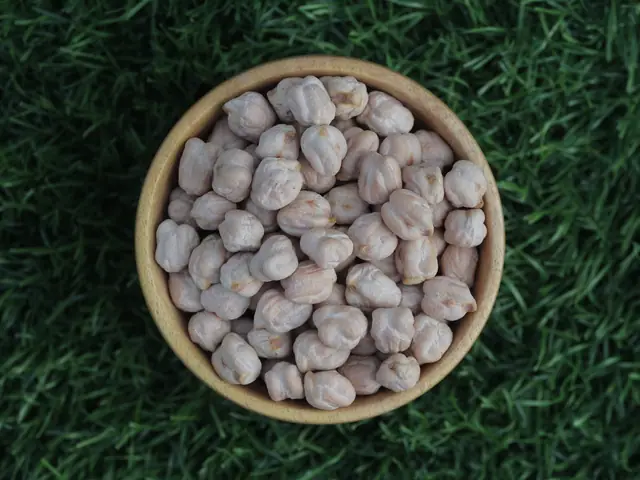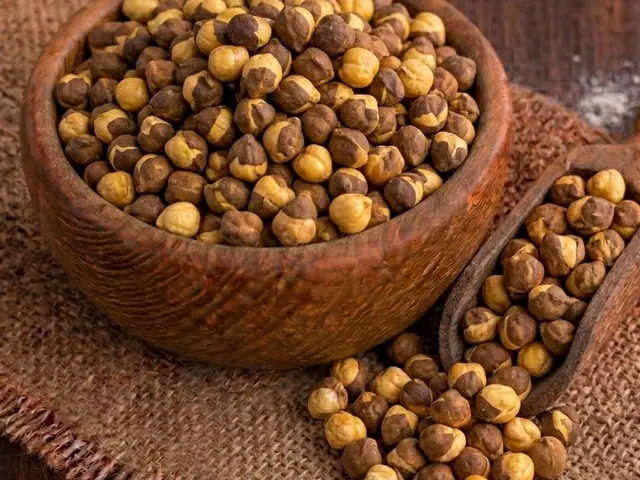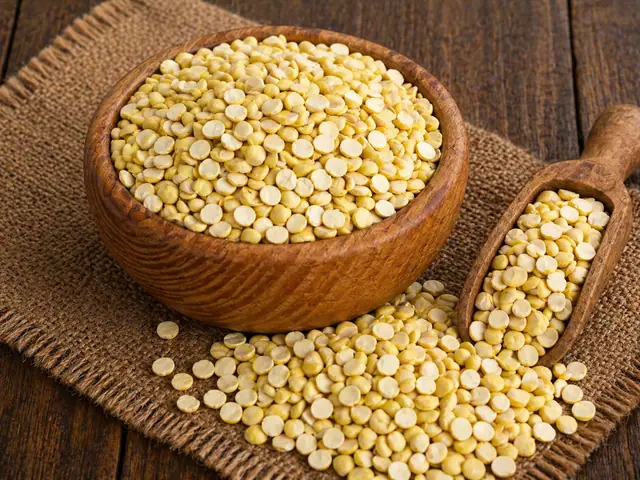
Desi Chickpeas (Desi Chana / Bengal Gram)
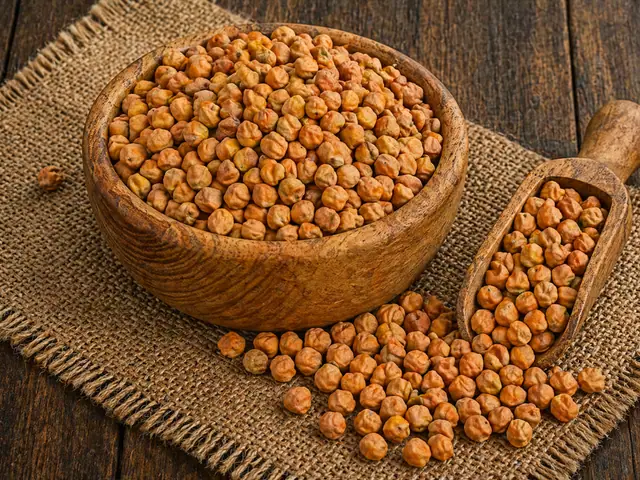
Desi chickpeas (desi chana, Bengal gram, kala chana) are the small, brown chickpeas that make up most of India's crop. Elysium Agri exports whole desi chana, machine-cleaned and sortexed, for dal millers, besan (gram flour) makers, roasters and importers serving South Asian, Middle Eastern and African markets.
India grew about 11.8 million tonnes of gram in 2025-26, most of it desi, and Gujarat is one of the main growing states.
Desi Chickpeas Specification
Size
5–7 / 6–8 mm
Colour
Light to dark brown
Purity
98–99%
Moisture
12% max
Foreign Matter
0.5% max
Damaged / Discoloured
≤ 2%
Weevilled
≤ 0.5%
Broken / Immature
≤ 2% each
Lead / Cadmium
≤ 0.20 / ≤ 0.040 mg/kg (EU)
Container Load
20 ft ≈ 24–25 MT
Desi Chickpeas: Full Export Specification
The standard export specification for our whole desi chana, benchmarked to Codex CXS 171-1989 and the FSSAI pulses standard. Send your own specification with your enquiry.
| General | Specification | Note |
|---|---|---|
| Product | Whole desi chickpeas (Cicer arietinum L., desi type), dried, cleaned | Desi chana / Bengal gram / kala chana |
| Varieties | JG 11, JG 14, RSG 888, Vijay, DCP 92-3 and local types | ICRISAT |
| Crop / season | Rabi crop: sown Oct–Nov, harvested Feb–Apr; arrivals Mar–May | Crop year on each contract |
| Colour / shape | Light to dark brown; small, angular, rough coat | Visual; kala chana (black) on request |
| Physical | Specification | Test method / note |
|---|---|---|
| Purity | 98–99% | — |
| Moisture | ≤ 12% | ISO 24557; Codex / FSSAI max 14% |
| Foreign matter (extraneous) | ≤ 0.5% | Codex / FSSAI max 1% (mineral ≤ 0.25%) |
| Damaged / discoloured | ≤ 2% | FSSAI discoloured max 3% |
| Weevilled grains | ≤ 0.5% | Buyer limit |
| Broken / split | ≤ 2% | Codex / FSSAI broken max 3% |
| Shrivelled / immature | ≤ 2% | Buyer limit |
| Codex / FSSAI benchmarks | Limit | Source |
|---|---|---|
| Serious defects | ≤ 1% | Codex CXS 171; FSSAI 2.4.6 |
| Slight defects (incl. broken ≤ 3%) | ≤ 7% | Codex CXS 171; FSSAI |
| Other edible grains | ≤ 2% | FSSAI |
| Food safety | Specification | Test method / note |
|---|---|---|
| Lead | ≤ 0.20 mg/kg | ICP-MS; EU limit for pulses (Reg 2023/915) |
| Cadmium | ≤ 0.040 mg/kg | ICP-MS; EU limit for pulses |
| Uric acid | ≤ 100 mg/kg | FSSAI |
| Live insects | Nil | Visual; fumigated before loading |
| Commercial | Specification | Note |
|---|---|---|
| HS code | 0713 20 20 (Bengal gram / desi chana) | Kabuli is 0713 20 10 |
| Packing | 25 / 50 kg PP bags · jute bags on request · 1 MT jumbo bags | Buyer's marks and private label on request |
| Container load | 20 ft: about 24–25 MT · 40 ft HC: about 26–28 MT | See Desi Chana Packing and Container Loading |
| Shelf life | 12 months in cool, dry storage | Cool, dry, ventilated storage away from odours |
| Documents | Phytosanitary Certificate · Certificate of Origin · Certificate of Analysis (moisture, admixture, pesticides incl. glyphosate, lead, cadmium) · Fumigation Certificate (where required by destination) · Independent inspection (SGS or buyer's surveyor) on request | — |
Desi Chana vs Kabuli Chana
Both are Cicer arietinum, but they look, cook and sell differently.
| Point | Desi chana | Kabuli chana |
|---|---|---|
| Size | Small, 5–8 mm | Large, 7–14 mm |
| Colour and coat | Brown to black; thick, rough coat | Cream; thin, smooth coat |
| Share of India's crop | Most of the crop | Smaller share |
| Main uses | Chana dal, besan, roasted chana, whole curries | Hummus, canning, salads, retail |
| HS code (India) | 0713 20 20 | 0713 20 10 |
| Price | Lower | Higher, rising with size |
Desi Chana Grades and Forms
Machine Cleaned
For dal millers and besan makers.
Sortex Cleaned
For retail packs and roasting.
Want it ready to eat? Roasted Chickpeas →. Need white chickpeas? Kabuli Chickpeas →
Desi Chana Packing and Container Loading
| Pack type | Net weight | Units per 20 ft | Net per 20 ft | Net per 40 ft HC |
|---|---|---|---|---|
| PP bag | 50 kg | ≈ 480–500 | ≈ 24–25 MT | ≈ 26–28 MT |
| PP bag | 25 kg | ≈ 960–1,000 | ≈ 24–25 MT | ≈ 26–28 MT |
| Jute bag | 50 kg | ≈ 480–500 | ≈ 24–25 MT | ≈ 26–28 MT |
Where Desi Chana Is Used
Dal Mills
Split and dehusked into chana dal.
Besan / Gram Flour
Flour for snacks, batters and sweets.
Roasting
Roasted chana, with or without skin, and roasted dal.
Whole Curries
Kala chana and chana masala.
Sprouting
Sprouts for salads and health foods.
Snack Makers
Fried and spiced chana snacks.
Desi Chana Price: What Sets It
Desi chana is quoted per quintal in Indian mandis and per metric tonne FOB for export. Government support prices put a floor under the market.
- Indian crop: the rabi harvest in MP, Rajasthan, Maharashtra and Gujarat.
- Support price: the 2026-27 MSP for gram is ₹5,875 per quintal.
- Imports: Australian desi chana and India's import duty affect local prices.
- Dal and besan demand: domestic milling demand competes with exports.
- Size and cleaning: bold, sortexed lots cost more.
Prices move with the crop and the market, so we quote on the day. Tell us your grade, quantity and port for a current FOB, CFR or CIF price.
Tested, Certified and Traceable
Indian chickpeas are not under increased EU border checks, but we test to EU limits for every buyer.
- Lot sampling
- Moisture, admixture, pesticide and heavy-metal tests
- Phytosanitary, fumigation and export documents
Documents with every shipment
Get a Desi Chickpea Quote
Share your size, quantity and destination, and we will send an FOB or CIF price with the spec sheet.
Thank you. Our chickpea desk will send your price and spec sheet.
Frequently Asked Questions (FAQ)
What are desi chickpeas?
Desi chickpeas (desi chana, Bengal gram) are the small, brown chickpeas with a thick, rough coat that make up most of India's chickpea crop. They are used for chana dal, besan (gram flour), roasted chana and whole curries.
What is the difference between desi and kabuli chana?
Desi chana is small (5–8 mm), brown and rough-coated; kabuli is large (7–14 mm), cream-coloured and smooth. Desi is mostly milled into dal and besan or roasted; kabuli is used for hummus, canning and retail.
What is the specification of desi chana for export?
Export desi chana typically has 98–99% purity, moisture ≤ 12%, foreign matter ≤ 0.5%, damaged or discoloured ≤ 2%, weevilled ≤ 0.5% and broken ≤ 2%, within Codex CXS 171 and FSSAI limits.
What is the HS code for desi chickpeas?
Desi chana (Bengal gram) is exported from India under ITC-HS 0713 20 20. Kabuli chana is 0713 20 10.
Is Bengal gram the same as desi chana?
Yes. Bengal gram is the trade and official name for desi chana (brown chickpeas). Split and dehusked, it becomes chana dal.
Can I export desi chana from India freely?
Yes. Chickpeas are "Free" for export under India's export policy. Shipments through land customs stations to Bangladesh and Nepal need registration with DGFT.
Who exports desi chana from India?
Elysium Agri Corporation, based in Jamnagar, Gujarat, exports whole desi chana (Bengal gram), machine-cleaned or sortexed, with lot-wise moisture, admixture and pesticide testing.