Split Blanched Peanuts
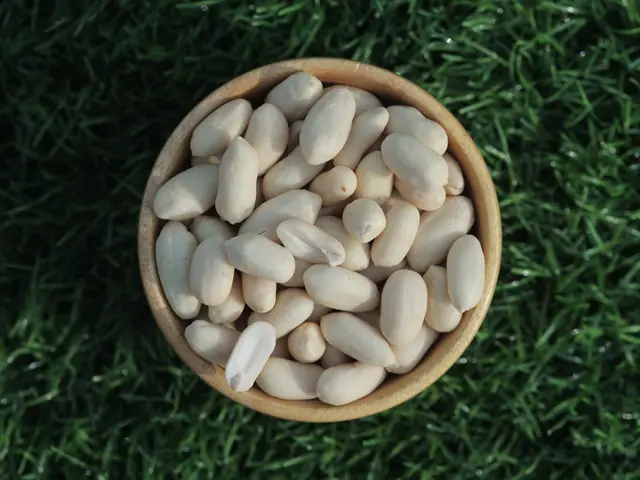
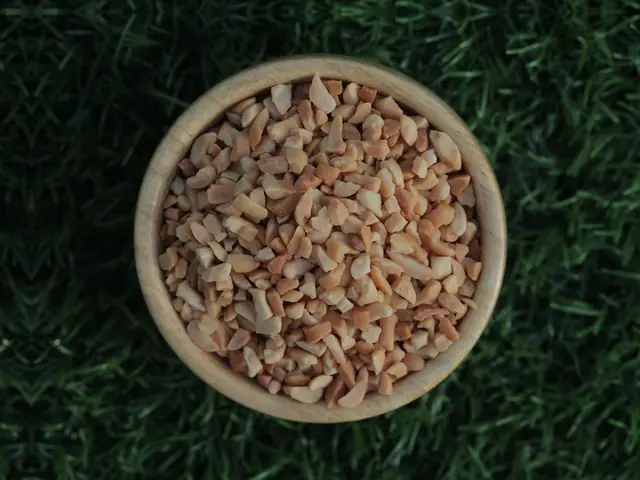
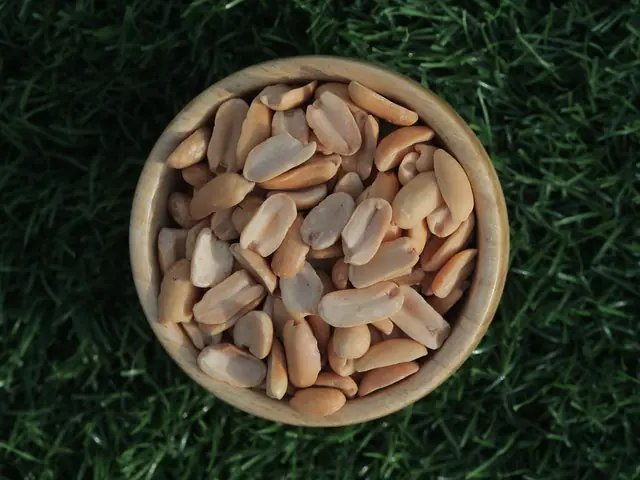
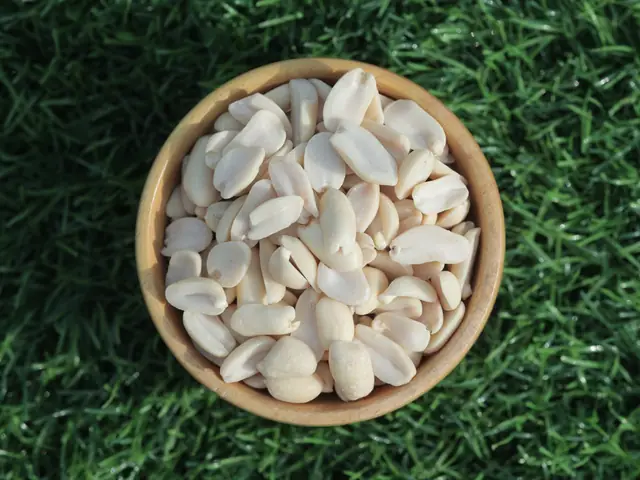
Split blanched peanuts are blanched peanut kernels separated into their two natural halves, with the red skin removed and the heart (germ) screened out. Elysium Agri exports split blanched peanuts from Gujarat, made from Bold or Java kernels, colour-sorted and tested for aflatoxin and microbiology before every shipment.
Splits cost less than whole blanched kernels because appearance doesn't matter once they are ground, baked or coated. Removing the heart avoids the bitter note it can give in peanut butter, which is why butter and confectionery makers buy degermed splits.
Split Blanched Peanuts Specification
Source Kernel
Bold or Java, from counts 40/50, 50/60, 60/70
Splits
Halves 90%+ of the lot
Whole Kernels
4% max
Small Pieces / Fines
2% max
Hearts (Germ)
Removed (degermed)
Red Skin
3% max
Moisture
5% max
Aflatoxin
EU 2 / 4 ppb or as per your market
Packing
25 kg vacuum, PP with liner, jumbo bags
Container Load
20 ft ≈ 18–19 MT · 40 ft HC ≈ 26–27 MT
Blanched Peanut Splits: Full Specification
The standard export specification for our split blanched peanuts. The split tolerances follow the US Runner Splits grade as a benchmark.
| General | Specification | Note |
|---|---|---|
| Product | Split blanched peanuts (blanched peanut halves), raw, not roasted | — |
| Source kernel | Bold or Java HPS, Gujarat origin | Specify on order |
| Process | Split blanching: kernels split, skins and hearts removed, colour sorted | — |
| Hearts (germ) | Removed (degermed) | Hearts can taste bitter in peanut butter |
| Colour | Creamy white | Visual |
| Physical | Specification | Test method / note |
|---|---|---|
| Split definition | Separated half of a peanut kernel | USDA Runner Splits definition |
| Whole kernels | 4% max | USDA benchmark 4% |
| Pieces passing 17/64 in (6.7 mm) round screen | 2% max | USDA benchmark 2% |
| Red skin remaining | 3% max | Visual count |
| Foreign matter | 0.2% max; stones nil | USDA benchmark 0.2% |
| Damaged kernels | 0.5% max | Visual |
| Admixture | 1% max | Visual |
| Chemical | Specification | Test method / note |
|---|---|---|
| Oil content | 48–52% | ISO 659 |
| Free fatty acid (as oleic) | 1.0% max | ISO 660 |
| Food safety | Specification | Test method / note |
|---|---|---|
| Aflatoxin, EU (direct consumption) | B1 ≤ 2 µg/kg; total ≤ 4 µg/kg | HPLC at an APEDA-approved lab (EN ISO 16050); Certificate of Analysis per lot |
| Aflatoxin, other markets | As per destination rules or your contract (e.g. USDA 15 µg/kg, US FDA 20 µg/kg total) | As above |
| Salmonella | Absent in 25 g | ISO 6579-1 |
| Metal contamination | Nil; metal-detected | In-line metal detector |
| Commercial | Specification | Note |
|---|---|---|
| HS code | Commonly declared from India under 1202 42 (shelled groundnuts); some destinations classify blanched peanuts under 2008 11 (e.g. US HTS 2008.11.22) | Confirm with the buyer's customs broker |
| Packing | 25 kg vacuum bags in carton or PP outer · 25 / 50 kg PP with liner · jumbo bags 500–1,000 kg | — |
| Container load | 20 ft: about 18–19 MT · 40 ft HC: about 26–27 MT | See Split Blanched Peanut Packing and Container Loading |
| Documents | APEDA Certificate of Export · Certificate of Analysis (aflatoxin + microbiology) · Phytosanitary Certificate · Certificate of Origin · Health Certificate (where required) · FSSAI licence details on invoice | — |
Split or Whole Blanched: Which Do You Need?
Both are skin-free and raw. The difference is shape, price and where they are used.
- Why hearts are removed
- The heart (germ) sits between the two halves and can taste bitter. Screening it out gives a cleaner, sweeter flavour in peanut butter and paste.
| Split blanched | Whole blanched | |
|---|---|---|
| Shape | Halves, hearts removed | Whole kernels (10–15% splits allowed) |
| Price | Lower | Higher (whole kernels carry a premium) |
| Best for | Peanut butter, paste, chikki and brittle, bakery, bars, namkeen | Snacks, coated nuts, chocolate, retail packs |
| Appearance | Not critical | Important |
Choose Your Splits
Bold Splits
Larger halves from Bold kernels, for bakery, chikki and toppings.
Java Splits
Round halves from Java kernels, the usual choice for peanut butter.
Degermed
Hearts screened out (standard).
Roasted Splits
Split blanched, then dry-roasted, for namkeen and ready-to-use bakery.
Need whole kernels or smaller pieces? Blanched Peanuts →Diced Peanuts →
Split Blanched Peanut Packing and Container Loading
| Pack type | Net weight | Units per 20 ft | Net per 20 ft | Net per 40 ft HC |
|---|---|---|---|---|
| Vacuum bag in carton | 25 kg | ≈ 720–760 | ≈ 18–19 MT | ≈ 26–27 MT |
| Vacuum bag | 12.5 kg | ≈ 1,450–1,520 | ≈ 18–19 MT | ≈ 26–27 MT |
| PP bag with liner | 25 / 50 kg | 760 / 380 | 19 MT | 26–27 MT |
| Jumbo bag | 1,000 kg | 18 | 18 MT | 26 MT |
Where Split Blanched Peanuts Are Used
Peanut Butter and Paste
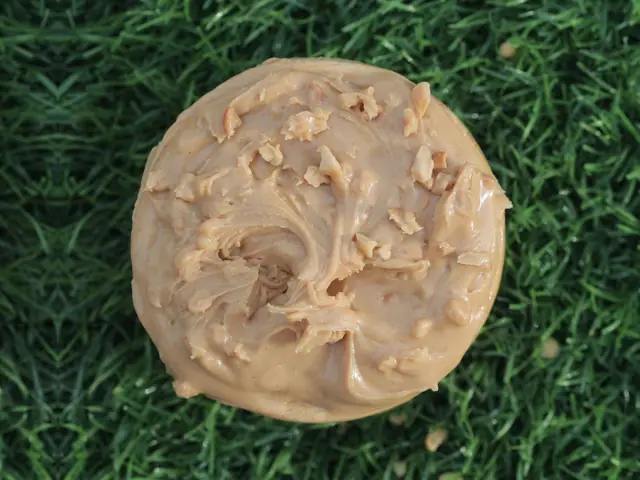
Degermed halves for a smooth, sweet butter at a lower raw-material cost.
Chikki and Brittle
Halves bind well with jaggery and sugar.
Bakery and Snack Bars
Cookies, bars and granola.
Namkeen and Masala Peanuts
Fried and spiced split peanuts.
Confectionery
Fillings and coated pieces.
Bird Food
Split peanuts are a popular bird-feed ingredient in the UK and US.
Split Blanched Peanut Price: What Sets It
Splits are priced per metric tonne, FOB an Indian port, usually below whole blanched kernels of the same origin.
- Source kernel: Bold splits cost more than Java splits.
- Raw-kernel market: split prices follow the kernel market.
- Degerming and sorting: heart removal and colour sorting add cost.
- Aflatoxin and micro standard: EU-compliant lots carry a premium.
- Packing: vacuum cartons cost more than PP.
Prices move with the crop and the market, so we quote on the day. Tell us your grade, quantity and port for a current FOB, CFR or CIF price.
Tested, Certified and Traceable
- Raw kernel selection
- Split blanching and degerming at an APEDA-registered unit
- Colour sorting and metal detection
- Lab test (aflatoxin + microbiology)
- APEDA Certificate of Export
Documents with every shipment
Get a Split Blanched Peanut Quote
Share your source kernel, quantity and use, and we will send a price with the spec sheet.
Thank you. Our peanut desk will send your price and spec sheet.
Frequently Asked Questions (FAQ)
What are split blanched peanuts?
Split blanched peanuts are peanut kernels that have been blanched to remove the red skin and separated into their two natural halves, usually with the heart (germ) removed. They are raw, creamy white and used mainly for peanut butter, confectionery, bakery and snacks.
What is the difference between split and whole blanched peanuts?
Both are skin-free raw kernels. Whole blanched peanuts are kept intact for snacks and coated nuts, where appearance matters. Split blanched peanuts are halves, cost less, and suit peanut butter, chikki, bakery and bars, where the shape isn't seen.
Why are peanut hearts removed?
The heart, or germ, sits between the two halves of the kernel and can taste bitter. Removing it gives a cleaner, sweeter flavour, which matters most in peanut butter and paste. Commercial processors normally discard the hearts.
Why are split peanuts cheaper than whole peanuts?
Whole kernels carry a premium because they are used where appearance matters. Splits come from the same kernels but suit processing uses such as peanut butter and bakery, so buyers who don't need whole kernels get better value.
What is the specification of split blanched peanuts?
Standard split blanched peanuts have 4% max whole kernels, 2% max small pieces, 3% max red skin, 5% max moisture, 0.2% max foreign matter, 48–52% oil and 1% max FFA, with hearts removed. Aflatoxin and microbiology are tested per lot.
What is the HS code for split blanched peanuts?
Indian exporters usually declare split blanched peanuts under HS 1202 42 (shelled groundnuts, not roasted). Some importing countries classify blanched peanuts under 2008 11. Confirm the code with your customs broker before shipment.
Who exports split blanched peanuts from India?
Elysium Agri Corporation, based in Jamnagar, Gujarat, exports split blanched peanuts from Bold and Java kernels, degermed and colour-sorted at an APEDA-registered unit, with lot-wise aflatoxin and microbiology testing, in vacuum packing.