Chickpeas Exporter in India
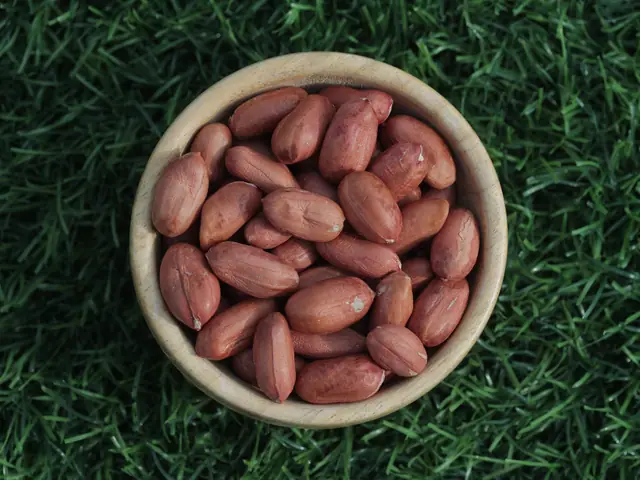
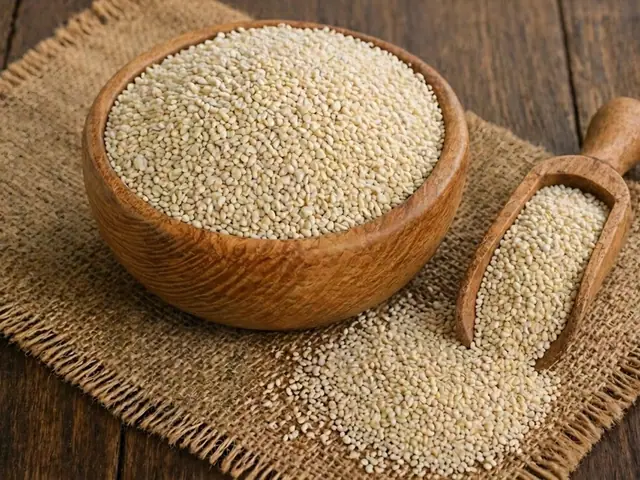
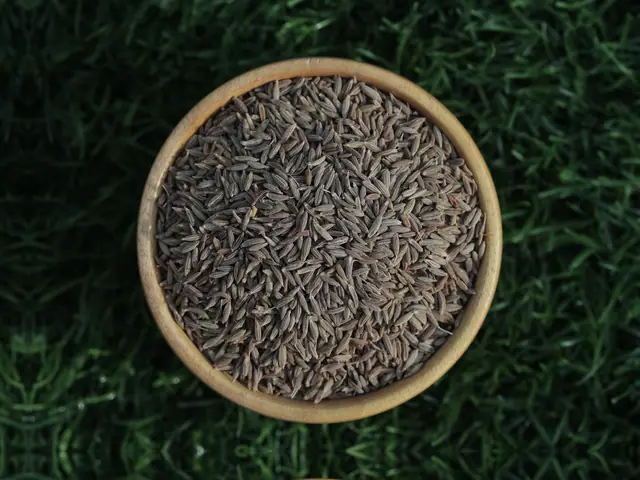
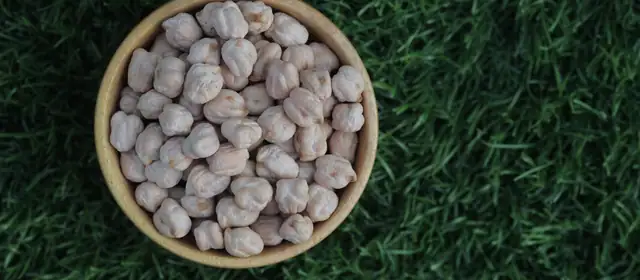
Kabuli chickpeas from 8 to 12 mm+, desi chana, and roasted chana with skin, without skin and split, graded, sortexed and tested before every shipment.
Kabuli, Desi and Roasted Chickpeas We Export
Raw chickpeas graded by size and roasted chana ready to eat, each with a full specification on its page.
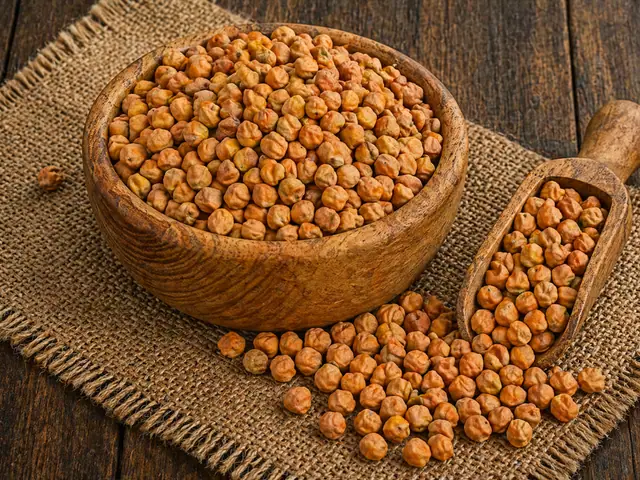
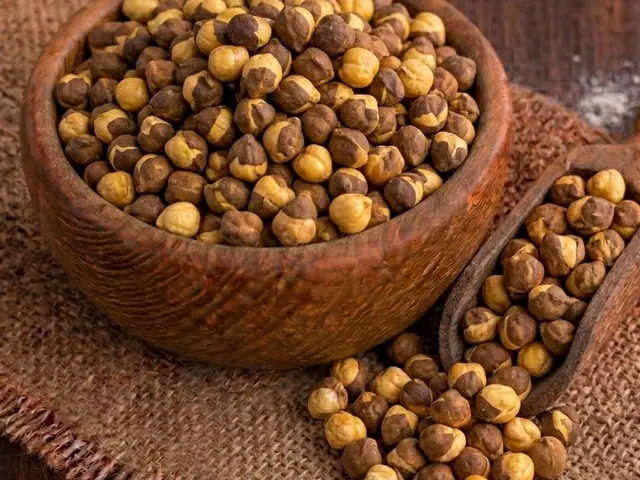
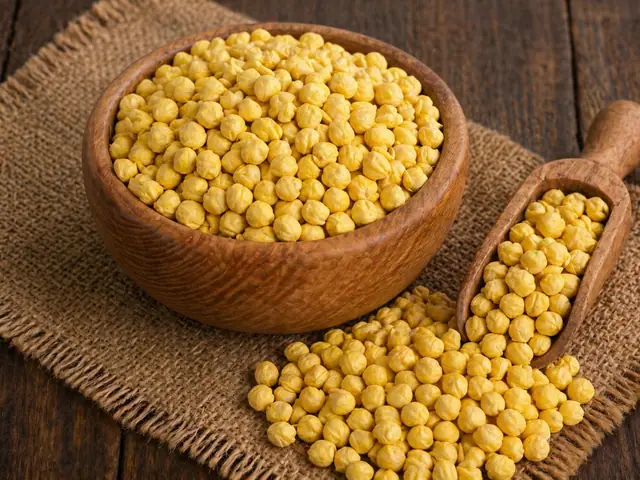
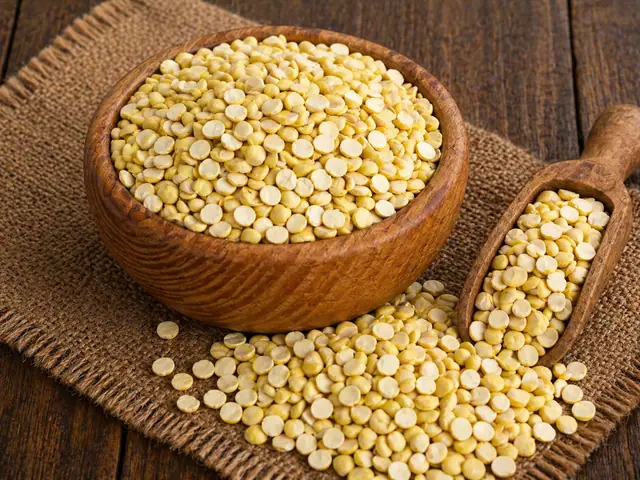
Indian Chickpeas, Raw and Roasted
Elysium Agri Corporation is a chickpeas exporter in India, based in Jamnagar, Gujarat. We supply Kabuli Chickpeas in every export size, whole Desi Chickpeas, and Roasted Chickpeas with skin, without skin and split to importers, canners, hummus and snack makers, dal millers and ethnic-food distributors.
India is the world's largest chickpea grower, with about 11.8 million tonnes of gram in 2025-26. Most of it is desi chana eaten at home, but kabuli exports are rising fast.
India's Chickpea Exports (HS 0713 20)
| Year | Volume | Value | Top buyers |
|---|---|---|---|
| 2025 | About 3.88 lakh t | US$ 382 million | UAE, Algeria, Iran, Bangladesh, China |
| 2024 | About 2.47 lakh t | US$ 283 million | UAE, Bangladesh, Iran, Algeria, Sri Lanka |
| 2023 | About 2.93 lakh t | US$ 287 million | Bangladesh, UAE, Turkey, Sri Lanka, Saudi Arabia |
Source: World Bank WITS (UN Comtrade), calendar years, raw chickpeas only. India's 2025-26 gram production: 117.92 lakh tonnes (Ministry of Agriculture, 2nd advance estimate).
Kabuli, Desi and Roasted: Specs, Codes and Rules
Raw chickpeas are graded to Codex CXS 171 and India's FSSAI pulses standard; roasted chana is a ready-to-eat food and is tested for microbiology as well. Indian chickpeas are not under increased EU border checks, but every shipment must meet EU limits for pesticide residues, lead (0.20 mg/kg) and cadmium (0.040 mg/kg). Chickpeas are free to export from India.
- Raw kabuli and desi: moisture, admixture, defects, pesticides (incl. glyphosate), lead, cadmium.
- Roasted chana: moisture, Salmonella, E. coli, yeast and mould, aflatoxin, plus the raw-chana residue tests.
| Product | Key spec | ITC-HS code | Standard | Typical uses |
|---|---|---|---|---|
| Kabuli chickpeas | 7–8 to 12+ mm, moisture ≤ 12% | 0713 20 10 | Codex CXS 171; FSSAI 2.4.6 | Hummus, canning, retail |
| Desi chickpeas | 5–8 mm, moisture ≤ 12% | 0713 20 20 | Codex CXS 171; FSSAI 2.4.6 | Dal, besan, roasting |
| Roasted chana (3 forms) | Moisture ≤ 5%, Salmonella absent | — | IS 18140:2023 | Snacks, chutneys, sattu |
EU status per Regulation (EU) 2019/1793 as amended by 2026/1206 (chickpeas not listed). Export policy: Free (DGFT); land-border shipments to Bangladesh and Nepal need DGFT registration.
Bulk Chickpeas: Container Loads and When to Buy
India's chickpeas are a rabi crop, sown in October and November and harvested from February to April. New-crop kabuli and desi reach the Indore, Rajasthan and Gujarat markets from March to May, usually the best time to book. Roasted chana is made all year from stored desi chana.
| Product | Approx. load per 20 ft | Approx. load per 40 ft HC |
|---|---|---|
| Kabuli chickpeas | 24–25 MT (weight limit) | 26–28 MT |
| Desi chickpeas | 24–25 MT (weight limit) | 26–28 MT |
Roasted loads are estimates; confirm with a trial load.
Choosing a Chickpea Supplier in India
- Size in mm and count: "12 mm" should come with a count per ounce and a screen tolerance.
- Sortex and defects: ask for damaged, weevilled and broken limits, not just "99% purity".
- Residue tests: glyphosate and other pesticides, lead and cadmium to your market's limits.
- Crop year: new-crop chickpeas cook better; ask when your lot was harvested.
- Roasted chana tested as food: moisture, Salmonella and aflatoxin for every lot.
- Realistic loading: raw chickpeas load about 24–25 MT per 20 ft; roasted chana only about half that.
Chickpea Export Registrations and Documents
APEDA RCMC (No. RCMC/APEDA/05039/2023-2024)
Covers pulses and processed foods (roasted chana).
Import Export Code
IEC AAKFE8383N (DGFT) · GSTIN 24AAKFE8383N1ZR.
Frequently Asked Questions (FAQ)
Which chickpeas does Elysium Agri export?
Elysium Agri exports kabuli chickpeas (7–8 mm to 12 mm+), whole desi chickpeas (Bengal gram), and roasted chana with skin, without skin and split (roasted chana dal), each with a full specification and lot-wise testing.
How much chickpea does India export?
India exported about 3.9 lakh tonnes of chickpeas worth US$ 382 million in 2025 (WITS / UN Comtrade), mainly to the UAE, Algeria, Iran, Bangladesh and China. India is also the world's largest chickpea producer.
What is the difference between kabuli, desi and roasted chana?
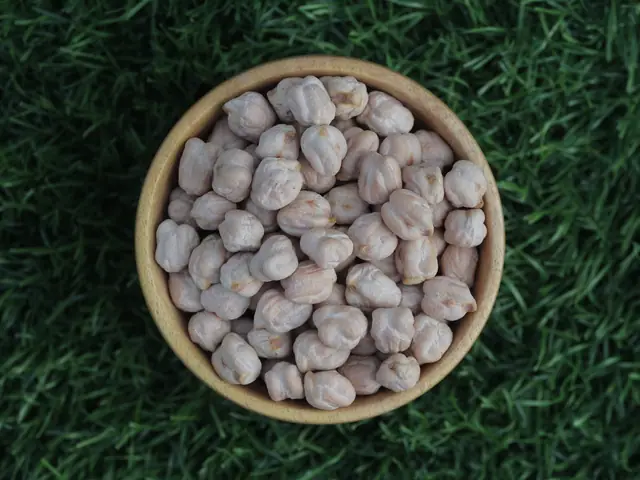
Kabuli is the large, cream-coloured chickpea used for hummus and canning. Desi is the small, brown chickpea used for dal, besan and roasting. Roasted chana is desi chana roasted until crisp, sold with skin, without skin or split.
What are the HS codes for chickpeas?
In India, kabuli chana is 0713 20 10 and desi chana (Bengal gram) is 0713 20 20. Roasted chana is usually exported under 2008 19 40; confirm with your customs broker.
Do Indian chickpeas face EU border checks?
No. Indian chickpeas are not listed for increased checks under Regulation (EU) 2019/1793, but they must meet EU limits for pesticide residues, lead (0.20 mg/kg) and cadmium (0.040 mg/kg).
When is the new chickpea crop available in India?
Chickpeas are harvested from February to April, and new-crop arrivals peak from March to May.
Can I mix raw and roasted chickpeas in one container?
Yes. We can load kabuli, desi and roasted chana together, each packed and labelled separately with its own documents.
Who exports chickpeas from Gujarat?
Elysium Agri Corporation, based in Jamnagar, Gujarat, exports kabuli and desi chickpeas and roasted chana, with size grading, sortex cleaning and lot-wise testing to EU limits.