
On this page
- What Is De-Oiled Rice Bran (DORB)?
- How Is DORB Produced from Rice Bran?
- What Is the Nutrient Profile of DORB?
- How Is DORB Used in Cattle, Poultry and Aqua Feed?
- What Is the Difference Between DORB and Full-Fat Rice Bran?
- Which Quality Parameters and Storage Conditions Matter for DORB?
- How Do You Buy DORB in Bulk from India?
- Frequently asked questions
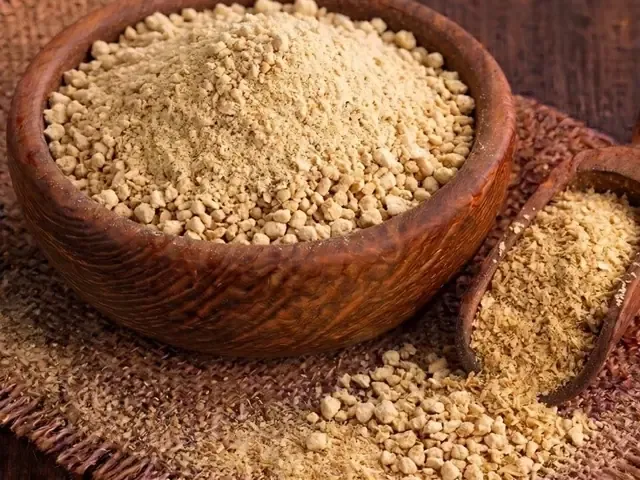
De-oiled rice bran (DORB) is the meal left after the oil is solvent-extracted from rice bran. It is a low-fat, fibre-rich feed ingredient with about 14–16% crude protein and less than 1% oil, used mainly in cattle, poultry and fish feed. DORB is also called rice bran extraction, defatted rice bran or rice bran meal. This guide explains what de-oiled rice bran is, how it is made, its nutrient profile, how feed mills use it and what to check when you buy it in bulk.
Key takeaways
- DORB is a by-product of rice bran oil extraction, so it is cheap, widely available and low in fat.
- Typical export DORB carries 14–16% crude protein, oil of 1% max, crude fibre of 12–14% max and moisture of 11–12% max.
- Removing the oil makes DORB far more stable in storage than full-fat rice bran, which turns rancid quickly.
- Sand and silica, aflatoxin B1 and protein are the main quality points to check on every lot.
What Is De-Oiled Rice Bran (DORB)?
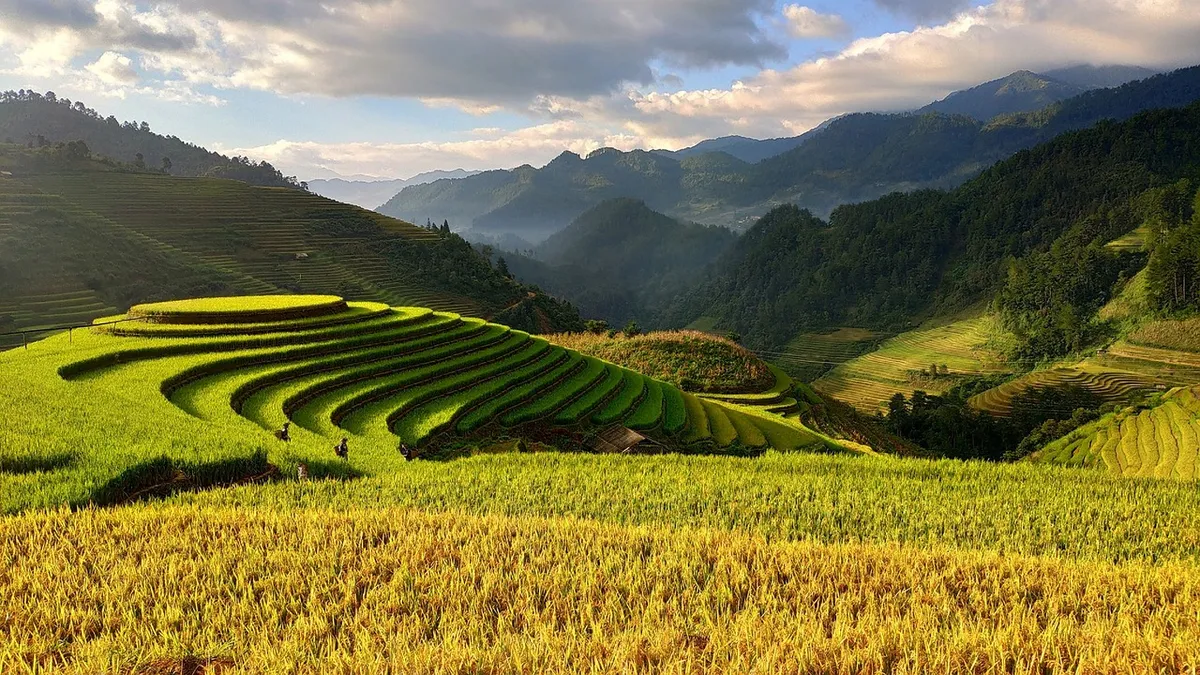
De-oiled rice bran is rice bran after almost all of its oil has been removed. Rice bran is the brown outer layer of the rice grain, removed when brown rice is polished into white rice. According to Feedipedia, the animal feed resources database of INRAE, CIRAD, AFZ and FAO, rice bran makes up about 10% of paddy rice. Full-fat bran is rich in oil, so it is sent to solvent plants that extract rice bran oil. The meal that remains is DORB.
In feed markets the product goes by several names: DORB, DRB, de-oiled rice bran, defatted rice bran, rice bran extraction and rice bran meal. All of them describe the same solvent-extracted product. It is light to dark brown, free-flowing and has a mild, fresh smell when it is in good condition. It can be shipped as meal or as pellets. Pellets reduce dust and load more tonnes into a container.
How Is DORB Produced from Rice Bran?
DORB is produced by solvent extraction of rice bran in an oil extraction plant. The process has four main steps.
- Bran collection: rice mills collect bran during polishing and send it quickly to the extraction plant. Speed matters, because fresh bran starts to go rancid soon after milling.
- Conditioning and pelleting: the bran is cleaned, conditioned and often pelleted so that the solvent can pass through it evenly.
- Solvent extraction: a food-grade solvent, usually hexane, dissolves the oil out of the bran. The crude oil goes on to be refined into rice bran oil.
- Desolventising and drying: the remaining meal is heated to remove the solvent, then dried and cooled. This meal is DORB.
The quality of DORB depends heavily on the bran that goes in. If a rice mill mixes husk into the bran, the DORB will have more fibre, more silica and less protein. That is why experienced buyers ask about sand, silica and fibre, not only protein.
What Is the Nutrient Profile of DORB?
DORB is a moderate-protein, high-fibre, low-fat feed ingredient. The table compares our standard export specification for DORB with average values for defatted and full-fat rice bran published by Feedipedia. Note that Feedipedia’s averages are on a dry-matter basis, while the export specification is on an as-fed basis.
| Parameter | Elysium export DORB (as fed) | Defatted rice bran, Feedipedia average (dry matter) | Full-fat rice bran, Feedipedia average (dry matter) |
|---|---|---|---|
| Crude protein | 14–16% | 17.1% | 14.8% |
| Oil (ether extract) | 1% max | 1.0% | 17.2% |
| Crude fibre | 12–14% max | 14.8% | 8.6% |
| Moisture | 11–12% max | Not applicable (dry basis) | Not applicable (dry basis) |
| Sand / silica | 2.5% max | Varies with husk content | Varies with husk content |
| Aflatoxin B1 | EU / UK: 20 µg/kg max; per contract for Asia | Not applicable | Not applicable |
Because the oil has been removed, DORB has less energy than full-fat bran. Its value lies in low-cost protein and fibre. Nutritionists usually balance it with energy sources such as maize, and with higher-protein meals such as soybean meal. For a comparison of other protein meals, see our guide to DDGS vs soybean meal.
How Is DORB Used in Cattle, Poultry and Aqua Feed?
DORB is used mainly in cattle and dairy feed, and also in poultry, fish, shrimp and pig rations. Its main roles are to supply affordable protein and fibre and to act as a carrier or filler in compound feed.
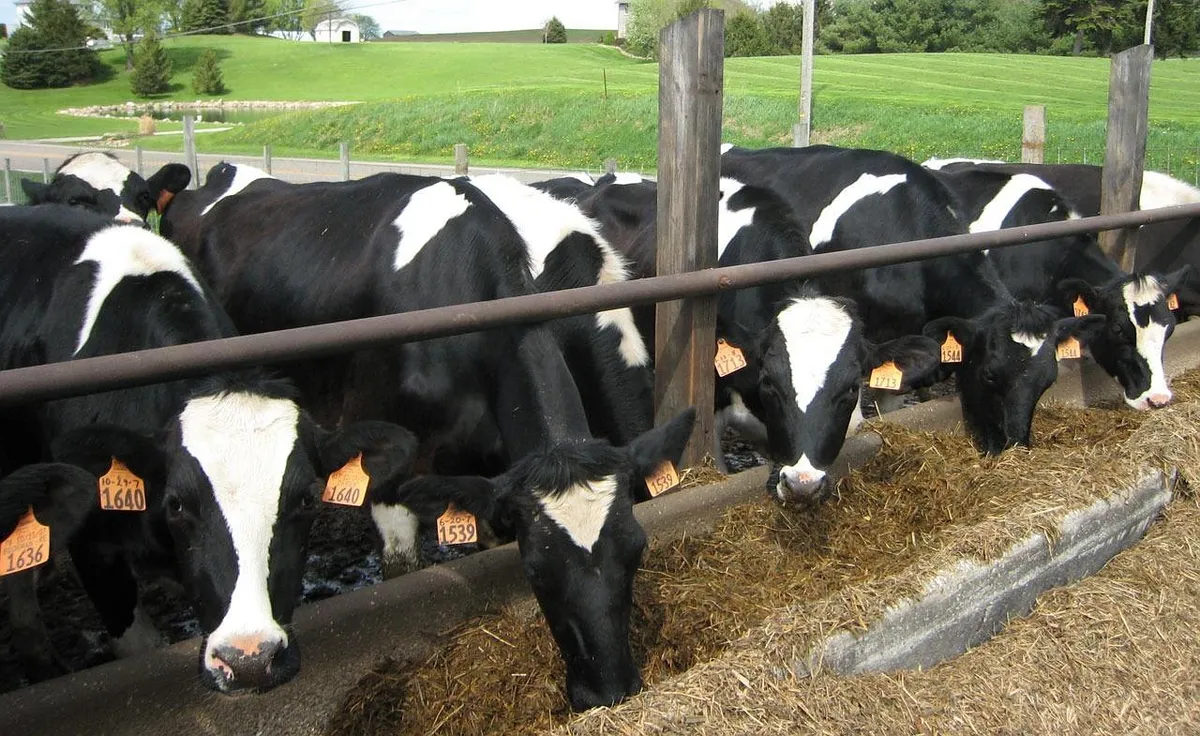
- Cattle and dairy feed: the largest use. DORB is a common ingredient in cattle feed concentrates and compound dairy feed. Feedipedia notes that defatted bran can improve forage digestibility in hay-based diets.
- Poultry feed: used at moderate levels because of its fibre. Feedipedia reports that broilers tolerate up to about 15% rice bran, and layers perform best below 10%. Higher levels need careful formulation.
- Fish and shrimp feed: widely used in aquaculture feeds in Vietnam, Thailand and Bangladesh, which are the main buyers of Indian DORB.
- Pig feed: an energy and fibre source, especially in grower and finisher rations.
- Compound feed mills: a cost-effective filler and protein ingredient in mixed feeds.
Inclusion levels depend on the animal, the rest of the ration and local prices, so they should be set by a qualified nutritionist. Our guide to importing animal feed from India covers the other Indian feed ingredients that are often blended with DORB.
What Is the Difference Between DORB and Full-Fat Rice Bran?
The main difference is oil. Full-fat rice bran keeps its oil, typically 14–18% according to Feedipedia, while DORB has 1% or less. That single difference changes energy, storage life and cost.
| Point | DORB (de-oiled) | Full-fat rice bran |
|---|---|---|
| Oil content | About 1% or less | About 14–18% |
| Energy value | Lower | Higher |
| Protein and fibre share | Higher, as oil is removed | Lower |
| Storage stability | Good; little fat to go rancid | Poor unless stabilised; turns rancid quickly |
| Suitability for export | Good; ships well in bags or pellets | Limited; needs stabilisation and fast use |
| Typical price | Lower | Higher, linked to oil value |
Full-fat bran contains enzymes that break down its oil soon after milling. Feedipedia reports that free fatty acids in unstabilised bran can rise by about 1% per hour. This is why most full-fat bran is used locally or sent straight to extraction, and why DORB is the form that is traded internationally.
Which Quality Parameters and Storage Conditions Matter for DORB?
The key quality parameters are protein, sand and silica, fibre, moisture and aflatoxin B1. Write each one into your contract with a clear limit and test method.
- Crude protein: the main value driver. Ask for a minimum, such as 14% or 16%.
- Sand and silica: the most common reason for claims on DORB, because husk and dust add silica. A limit of 2.5% maximum is a common export term.
- Crude fibre: high fibre often signals added husk.
- Moisture: keep it at 11–12% or lower to limit mould growth in transit.
- Aflatoxin B1: for the EU and UK, feed materials must meet 20 µg/kg under Directive 2002/32/EC. Our article on aflatoxin in animal feed explains the limits.
- Smell and insects: the meal should smell fresh, with no rancid or musty odour and no live insects.
Store DORB in a cool, dry, ventilated warehouse, on pallets and away from walls. Use lined containers and desiccants for long sea voyages, and use older stock first. Pellets store and ship better than loose meal because they create less dust and absorb less moisture from the air.
Related reading: Poultry Feed Formulation: Ingredients and Nutrient Basics and Mustard Cake for Cattle: A Guide to Rapeseed Meal in Rations.
How Do You Buy DORB in Bulk from India?
Now that you know what de-oiled rice bran is, the next step is to buy it on a clear specification from a supplier that tests every lot. India is the world’s largest DORB exporter when exports are open, with 5.95 lakh tonnes shipped in 2022-23, mainly to Vietnam, Thailand and Bangladesh. India banned DORB exports in July 2023, and DGFT lifted the ban on 3 October 2025 (Notification 37/2025-26), so exports are now free. We check the current DGFT status before every contract.
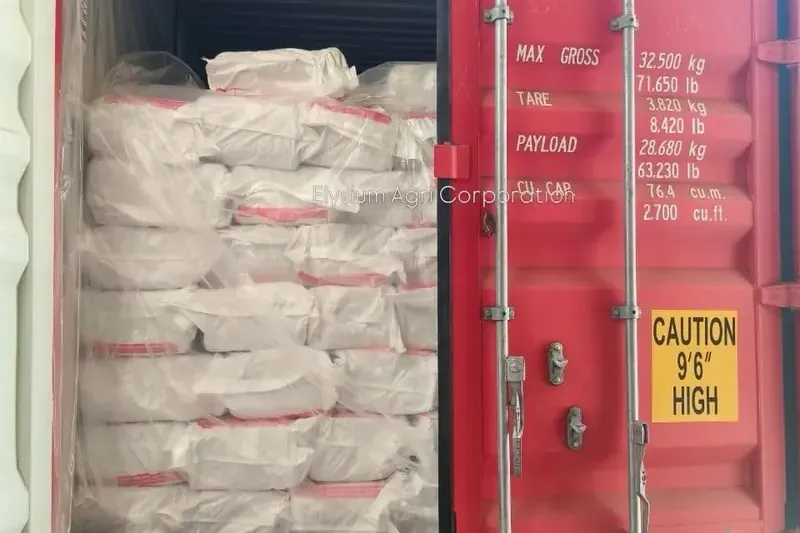
Elysium Agri Corporation exports de-oiled rice bran with 14–16% protein and oil below 1%, as meal or pellets, in 50 kg PP bags or 1 MT jumbo bags. A 20 ft container holds about 18–20 MT of meal; you can plan your order with our container load calculator. Each lot is tested for protein, fat, fibre, moisture, sand and silica, and aflatoxin B1, as set out on our lab testing page, and ships with a certificate of analysis, a phytosanitary certificate and a certificate of origin.
Tell us your protein and silica limits, quantity and destination port, and we will send a price with the specification sheet. Request a DORB quote →
Frequently asked questions
What is de-oiled rice bran?
De-oiled rice bran (DORB) is the meal left after oil is solvent-extracted from rice bran, the brown outer layer removed when rice is polished. It is a low-fat, fibre-rich feed ingredient with about 14 to 16% crude protein and less than 1% oil. It is also called rice bran extraction, defatted rice bran or rice bran meal.
How is DORB made from rice bran?
Rice mills send fresh bran to an extraction plant, where it is cleaned, conditioned and often pelleted. A solvent, usually hexane, dissolves the oil, which is refined into rice bran oil. The remaining meal is heated to remove the solvent, then dried and cooled. This meal is DORB, sold loose or as pellets in bags.
How is DORB used in cattle and poultry feed?
In cattle and dairy feed, DORB supplies low-cost protein and fibre and is a common ingredient in compound concentrates. In poultry feed it is used at moderate levels because of its fibre; Feedipedia reports broilers tolerate up to about 15% rice bran and layers below 10%. A nutritionist should set exact inclusion rates for each ration.
How much protein does de-oiled rice bran contain?
Export-grade de-oiled rice bran typically contains 14 to 16% crude protein on an as-fed basis. Feedipedia gives an average of about 17% on a dry-matter basis. The actual figure depends on the rice variety and on how much husk is mixed into the bran, so buyers should set a minimum protein level in the contract.
What is the difference between rice bran and de-oiled rice bran?
Full-fat rice bran keeps its oil, typically 14 to 18%, so it has more energy but turns rancid quickly unless stabilised. De-oiled rice bran has had the oil removed, leaving about 1% or less. That makes it lower in energy, higher in protein and fibre share, cheaper and much more stable for storage and export.
Related reads


