
On this page
- What Are DDGS and Soybean Meal?
- What Is the DDGS Protein Content Compared with Soybean Meal?
- How Do Amino Acids and Energy Differ?
- What Inclusion Rates Suit Each Livestock Species?
- How Do Cost and Availability Compare?
- Which Quality and Mycotoxin Checks Matter?
- Buying DDGS in Bulk from India
- Frequently asked questions
Corn DDGS protein content is usually 26–32%, compared with 46–48% for soybean meal, so DDGS is a medium-protein feed that also supplies energy from its 5–10% fat. It replaces part of the soybean meal and maize in a ration, but it cannot fully replace soybean meal because it is much lower in lysine. This guide compares DDGS and soybean meal on protein, amino acids, energy, inclusion rates, cost and quality risks, so you can decide how to use each in your feed.
Key takeaways
- DDGS has about 26–32% protein and 5–10% fat; soybean meal has 46–48% protein and little fat.
- Lysine is the main gap: DDGS supplies far less than soybean meal, so diets need synthetic lysine.
- Ruminants and older pigs can take the highest DDGS levels; young animals take the least.
- Aflatoxin is the main quality risk in DDGS, so test every lot.
What Are DDGS and Soybean Meal?
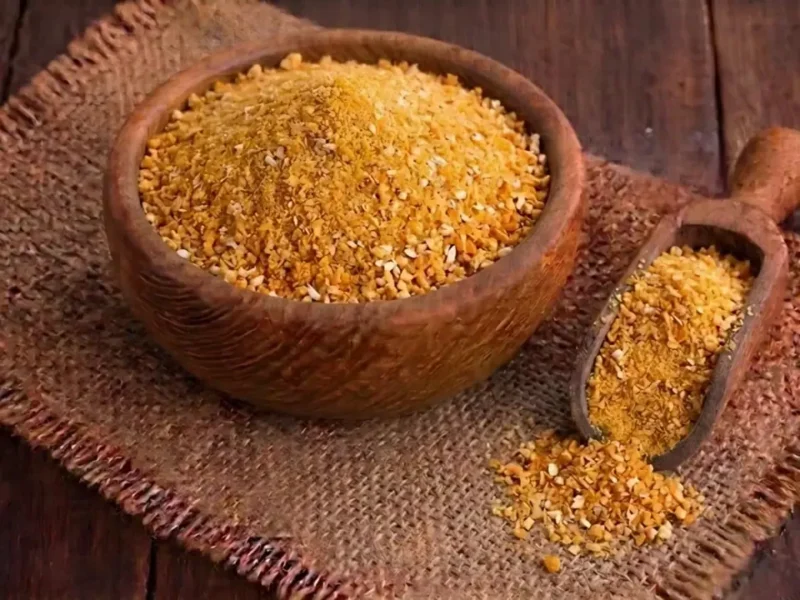
DDGS and soybean meal are both protein-rich co-products, but they come from different industries. DDGS (distillers dried grains with solubles) is what remains after the starch in grain, usually maize, is fermented into ethanol. Removing the starch concentrates the protein, fat and fibre about three times. India’s distilleries also use surplus rice, which gives a higher-protein rice DDGS of about 45–50%.
The process is simple to follow. Grain is ground, cooked and fermented with yeast, which turns the starch into ethanol. After distillation, the remaining stillage is separated into wet grains and a thin liquid. The liquid is concentrated into syrup (the “solubles”), mixed back with the grains and dried. The drying step decides much of the final colour and the quality of the protein.
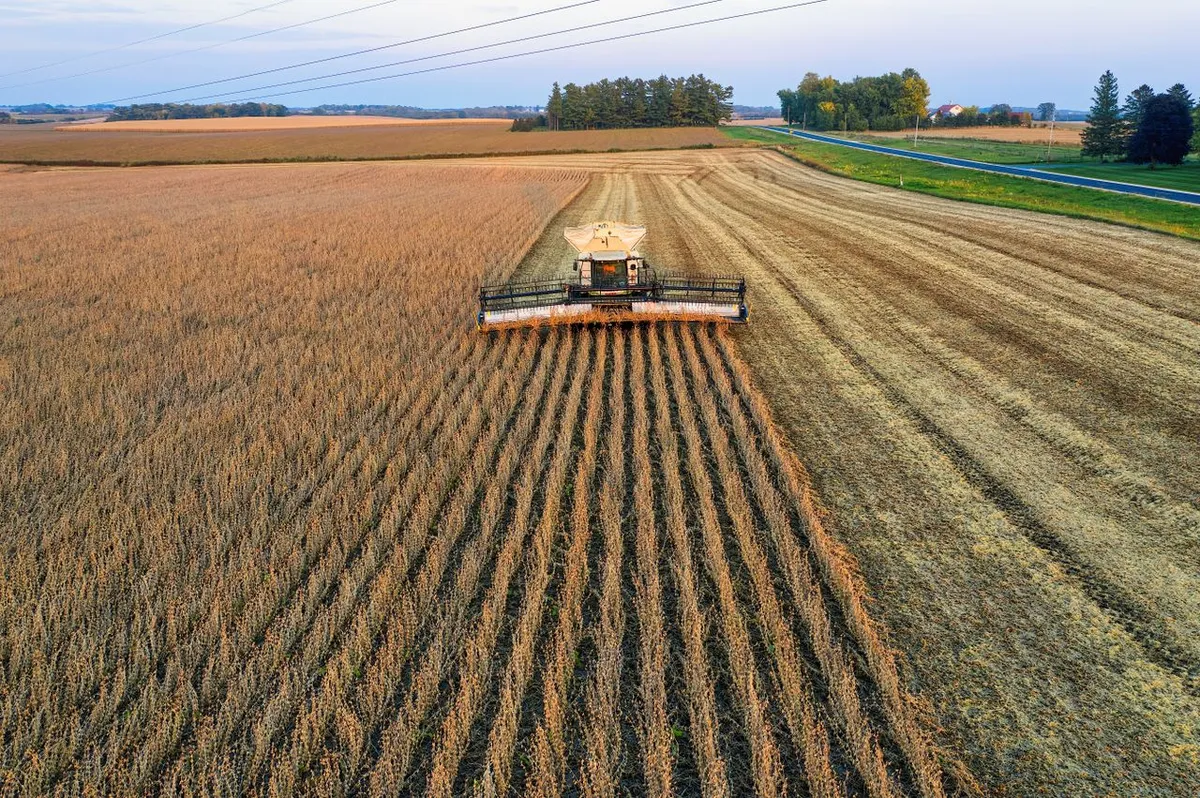
Soybean meal is what remains after oil is extracted from soybeans. It is the world’s most widely used protein meal in poultry and pig feed. Indian soybean meal is non-GMO, because India permits no GM soybean cultivation, which makes it valuable to European non-GMO feed chains.
What Is the DDGS Protein Content Compared with Soybean Meal?
Soybean meal has about one and a half times the protein of corn DDGS. The table compares typical export specifications as fed.
| Parameter | Corn DDGS | Rice DDGS | Soybean meal |
|---|---|---|---|
| Crude protein | 26–32% | About 45–50% | 46–48% (hi-pro 48%) |
| Crude fat | 5–10% | Varies by plant | 0.5–1.5% |
| Crude fibre | 7–10% | Varies by plant | 5–6% max |
| Moisture | 12% max (10% preferred) | Per contract | 12% max |
| Lysine | Low (about 0.6–0.9%) | Low | High; the benchmark protein |
| Main risk to test | Aflatoxin | Aflatoxin | Urease activity, aflatoxin |
| Load per 20 ft | About 16–18 MT (meal) | About 16–18 MT | About 20–22 MT |
DDGS protein varies more between plants than soybean meal protein. Always buy on the grade stated in the contract and confirmed on the Certificate of Analysis. If you compare offers on a dry matter basis, adjust each figure for its moisture first, so that a wetter lot does not look cheaper than it is.
How Do Amino Acids and Energy Differ?
The biggest nutritional difference is lysine, the first limiting amino acid in most pig and poultry diets. University of Missouri Extension lists DDGS lysine at 0.6–0.9%, far below soybean meal. Lysine digestibility in DDGS also varies, because heat during drying can damage it. A darker brown colour is a common sign of heat damage, while good DDGS is golden yellow to light brown.
Energy is where DDGS gains. Its higher fat content means DDGS provides a useful amount of energy as well as protein. This is why DDGS usually replaces a mix of maize and soybean meal, not soybean meal alone. University of Missouri Extension gives an example for pigs: 10% DDGS can replace about 4.25% soybean meal and 5.7% corn when 0.10% crystalline lysine is added.
DDGS also contains more available phosphorus than maize, which can reduce the need for added phosphate. On the other hand, its sulphur content can be high, which matters in ruminant rations with high inclusion.
For cattle, lysine matters less, because rumen microbes make their own protein. A good share of DDGS protein also passes the rumen undegraded, which suits high-yielding dairy cows. Its digestible fibre adds energy without the starch load of grain. This is why ruminants can use DDGS at higher levels than pigs and poultry.
What Inclusion Rates Suit Each Livestock Species?
DDGS inclusion depends on the species and stage of growth. Older animals and ruminants tolerate more; young animals tolerate less. The rates below are guidance from University of Missouri Extension for pigs and cattle, and common trade practice for poultry.
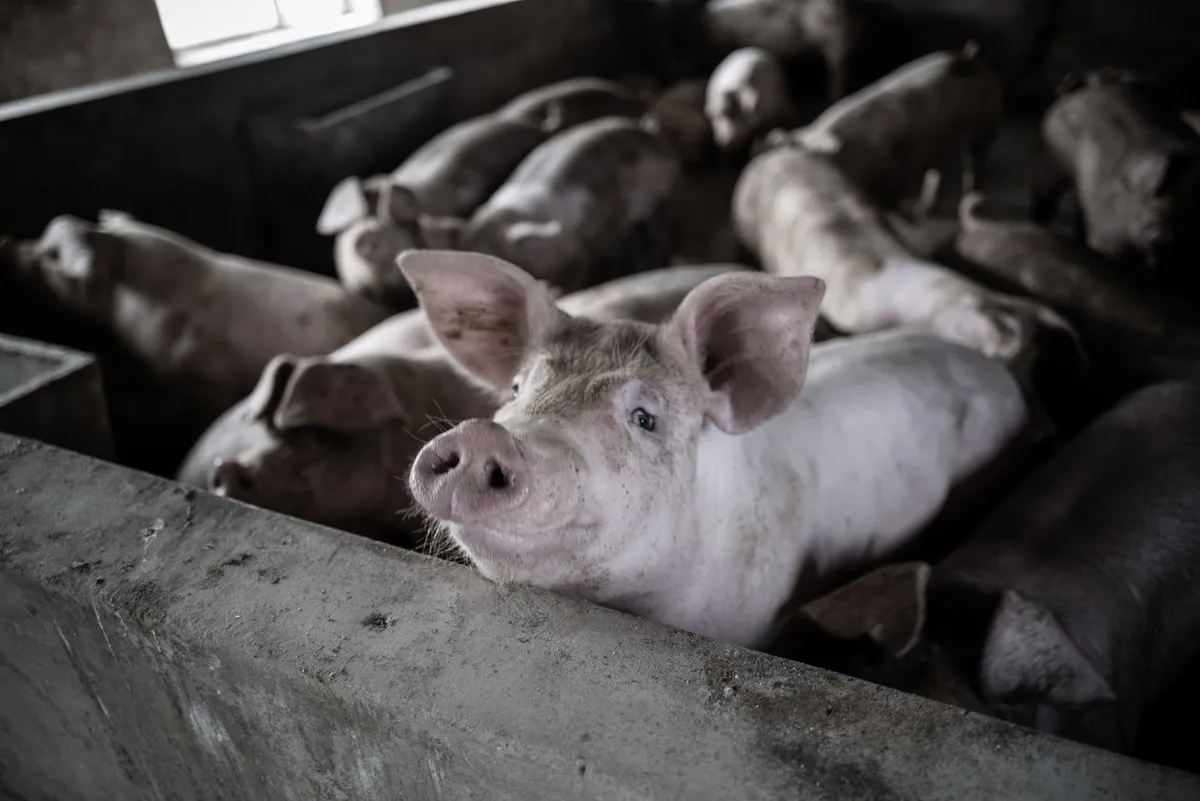
- Nursery pigs: 2.5–5% of the diet.
- Growing-finishing pigs: up to 20%, commonly limited to 10%.
- Gestating sows: up to 40%. Lactating sows: up to 10%.
- Dairy cattle: not more than 20% of the total ration on a dry matter basis.
- Finishing beef cattle: about 15–20% of dietary dry matter.
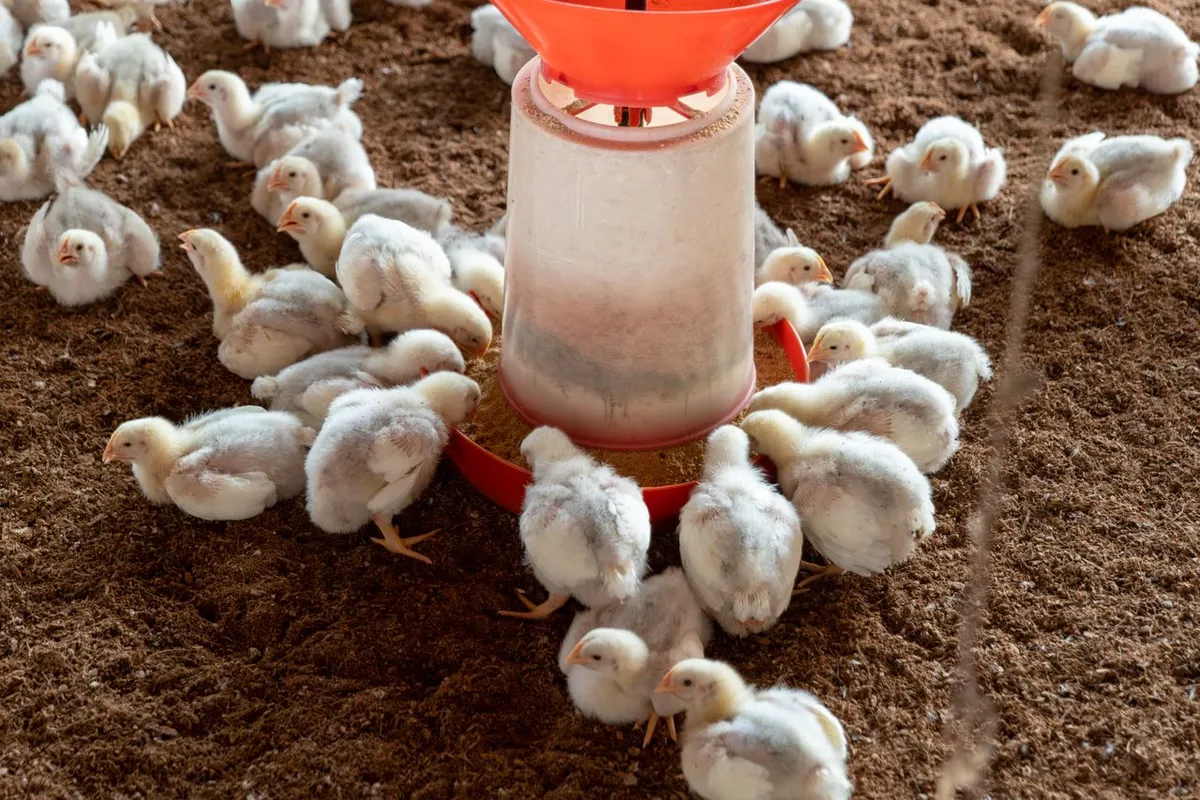
- Poultry (broilers and layers): often 5–10% of the diet, with amino acids balanced on a digestible basis.
Soybean meal has fewer limits, because its amino acid profile is well balanced. It is commonly the main protein source in pig and poultry diets. In practice, nutritionists use DDGS to reduce the amount of soybean meal and maize, not to remove soybean meal completely.
How Do Cost and Availability Compare?
DDGS is usually cheaper per tonne than soybean meal, and it is priced mostly on its protein plus fat content, against maize and soybean meal prices. The best way to compare is the cost per unit of digestible protein and energy in your formula, not the price per tonne. A least-cost formulation program will show how much DDGS your diet can take at current prices, after allowing for the added lysine, the fat energy and any phosphate saved. When soybean meal prices rise, DDGS usually earns a larger place in the formula.
Availability depends on very different markets. DDGS supply follows ethanol production, which has grown in India as distilleries expand. Soybean meal supply follows the soybean crop and crushing margins. Indian soybean meal usually costs more than Argentine or Brazilian meal, so it sells best where non-GMO status or short shipping distance counts, such as Europe, Nepal, Bangladesh and the Gulf.
Freight matters too. DDGS meal is light, so a 20 ft container holds only about 16–18 MT before it is full by volume. Soybean meal loads about 20–22 MT. Pellets load more than meal. Use our container load calculator and landed cost calculator to compare delivered costs.
Which Quality and Mycotoxin Checks Matter?
Aflatoxin is the main risk in DDGS. Fermentation removes starch but leaves mycotoxins behind, concentrating them about three times compared with the original grain. Indian DDGS quality also varies between plants. Every lot should be tested against your limit, which is 20 µg/kg aflatoxin B1 for feed materials in the EU and UK.
Check these parameters on every Certificate of Analysis:
- DDGS: protein, fat, fibre, moisture, sand and silica, colour and aflatoxin B1.
- Soybean meal: protein, fat, fibre, moisture, sand and silica, urease activity (a check on proper heat treatment) and aflatoxin B1.
Our lab testing page lists the tests we run on feed ingredients, and independent inspection by SGS or your own surveyor is available on request.
Related reading: Soybean Meal Protein Content vs Groundnut and Mustard Cake and Cotton Seed Oil Cake for Cattle: Protein, Gossypol and Limits.
Buying DDGS in Bulk from India
When you buy on DDGS protein content, agree the protein and fat grade, the maximum moisture and the aflatoxin limit in the contract. Ask whether the product is corn or rice DDGS, and whether you need meal or pellets. DDGS can cake in storage when it is warm and moist, so keep it cool and dry, and use it within about 6–12 months. Pellets flow better through bins and feed mills and load more tonnes per container, while meal is easier to mix into compound feed.
Elysium Agri Corporation, based in Jamnagar, Gujarat, exports corn DDGS with 26–32% protein and 5–10% fat, in bags and pellets, with lot-wise protein, fat and aflatoxin testing. We reject lots above the contract aflatoxin limit. We also export non-GMO soybean meal at 46–48% protein, and groundnut and other de-oiled cakes. Our registrations are on the certificates page.
Tell us the product, grade, quantity and port, and we will send a current FOB or CFR price. Request a DDGS quote →
Frequently asked questions
What is the protein content of DDGS?
Corn DDGS usually contains 26 to 32% crude protein as fed, with 5 to 10% fat and 7 to 10% fibre. Rice DDGS, made by Indian distilleries from surplus rice, is higher at about 45 to 50% protein. Protein varies between ethanol plants, so buy on a stated grade confirmed by a lot-wise Certificate of Analysis.
How does DDGS compare with soybean meal?
Soybean meal has more protein, 46 to 48%, and a better amino acid balance, especially lysine. DDGS has less protein, 26 to 32%, but more fat, so it adds energy. DDGS usually replaces a mix of maize and soybean meal in a ration. It is also lighter, so fewer tonnes fit in a container.
How much DDGS can be included in poultry feed?
In trade practice, DDGS is often used at 5 to 10% of broiler and layer diets. Higher levels are possible when the diet is formulated on digestible amino acids and supplemented with lysine, but quality must be consistent. Always test each lot for aflatoxin, because poultry are sensitive and DDGS concentrates mycotoxins from the grain.
Can DDGS fully replace soybean meal?
No. DDGS is much lower in lysine than soybean meal, and its amino acid digestibility varies with drying heat. It works as a partial replacement. University of Missouri Extension gives an example where 10% DDGS replaces about 4.25% soybean meal and 5.7% corn in a pig diet, with 0.10% synthetic lysine added.
What are the limitations of DDGS in feed?
The main limits are low and variable lysine, variable quality between plants, higher fibre that young animals use poorly, possible high sulphur for ruminants and concentrated mycotoxins, especially aflatoxin. Dark colour can signal heat damage. Set inclusion rates by species and stage, and test protein, fat, moisture and aflatoxin on every lot.
Related reads


