
On this page
- What Is Cottonseed Cake?
- How Is Cottonseed Cake Produced?
- What Is the Protein and Nutrient Profile?
- What Is Gossypol?
- Feeding Limits by Animal Class
- How Can You Manage Gossypol Risk in Rations?
- What Quality Parameters Matter When Buying Cotton Seed Oil Cake?
- Sourcing Oilseed Cakes from India
- Frequently asked questions
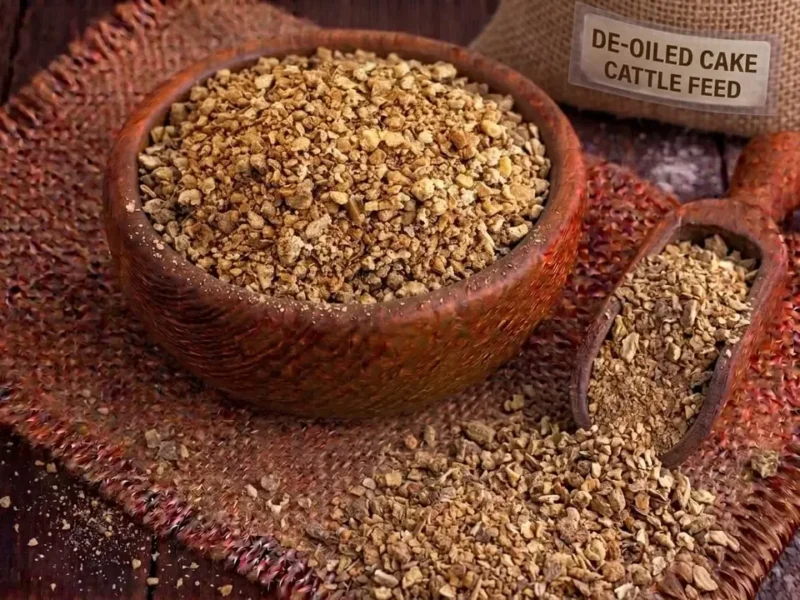
Cotton seed oil cake is the protein-rich meal left after oil is pressed or extracted from cottonseed. It is a safe and economical protein source for adult cattle and buffalo when fed within limits, because it contains gossypol, a natural compound that young and single-stomached animals tolerate poorly. Decorticated cottonseed meal carries about 38–42% protein, and undecorticated cake about 22–28%. This guide covers how the cake is made, its nutrient profile, gossypol limits by animal class and the quality checks buyers should use.
Key takeaways
- Cottonseed cake is best suited to adult ruminants, which tolerate gossypol far better than calves, pigs and poultry.
- Protein ranges from about 22% in undecorticated cake to about 42% in decorticated solvent meal.
- The EU limit for free gossypol in cottonseed cake and meal is 1,200 mg/kg; complete feed for adult cattle is limited to 500 mg/kg.
- Buy on tested protein, oil, fibre, moisture, sand, aflatoxin and free gossypol.
What Is Cottonseed Cake?
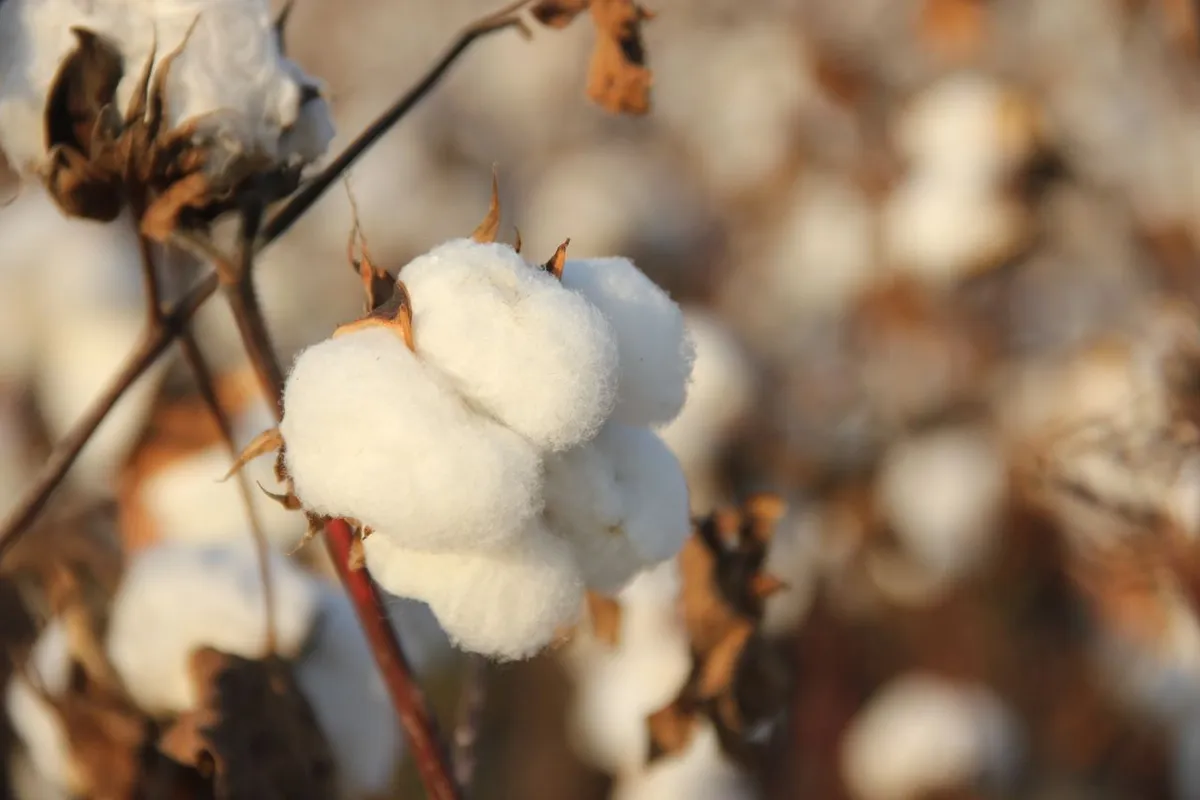
Cottonseed cake is the by-product left after the oil is removed from cottonseed, the seed of the cotton plant. In Indian trade it is known as cottonseed DOC (de-oiled cake) when solvent-extracted, and as cottonseed cake or khal when expeller-pressed. It is a major protein feed for dairy cattle and buffalo in India and in many other cotton-growing countries.
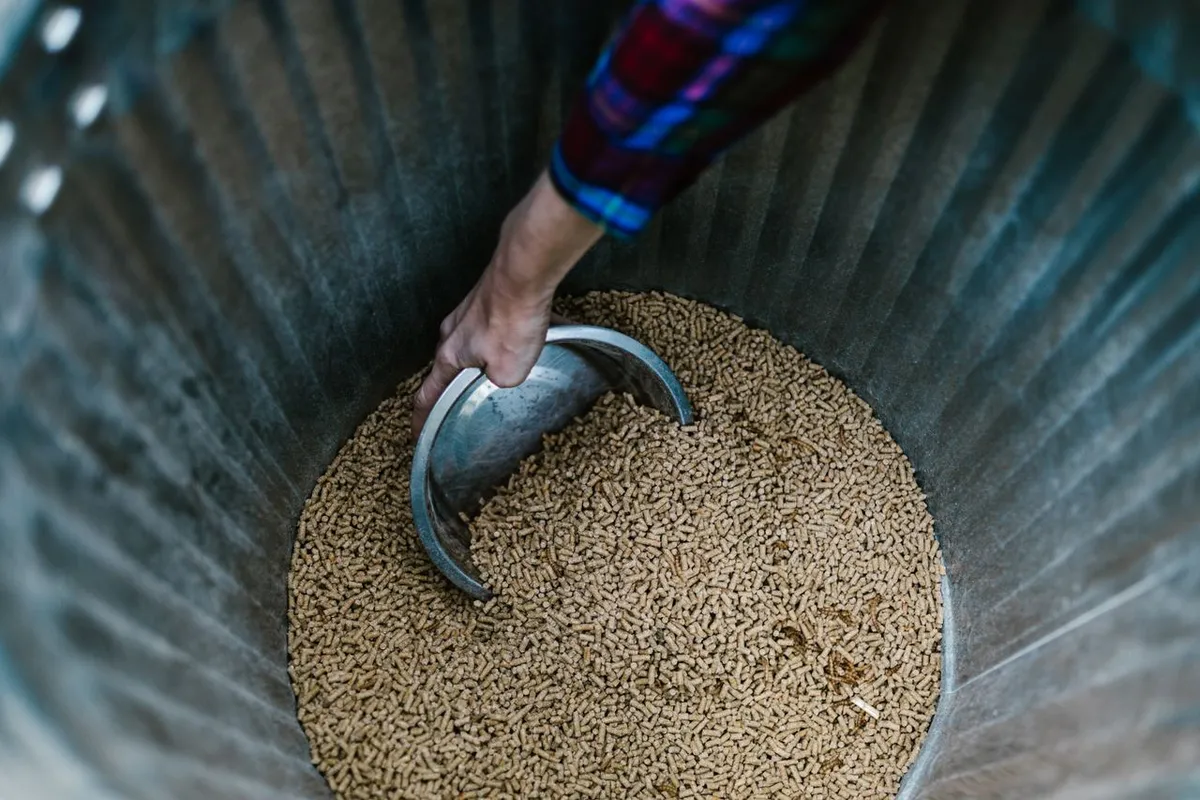
Cotton is grown widely in Gujarat, so cottonseed crushing plants operate close to the cotton belt. The cake is sold as meal, pellets or broken cake. Its main buyers are dairy farms, compound feed mills and cattle feed traders.
How Is Cottonseed Cake Produced?
Cottonseed cake is produced in three main stages: ginning, preparation and oil removal. The method chosen decides the protein, oil and fibre in the final product.
- Ginning: the cotton lint is separated from the seed. Some short fibres (linters) stay on the seed.
- Decortication (optional): the hull is cracked and removed. Decorticated (dehulled) seed gives a cake with more protein and less fibre. Undecorticated seed is crushed with the hull.
- Oil removal: expeller pressing squeezes the oil out mechanically and leaves more oil in the cake. Solvent extraction removes most of the remaining oil and gives a meal with 2% oil or less.
Heat during processing also matters. It binds part of the gossypol to protein, which lowers the free gossypol level. However, too much heat can reduce the availability of the amino acid lysine.
Each type has a place in the market. Expeller cake keeps more oil, so it supplies more energy, which many dairy farmers value. Solvent-extracted meal has more protein per tonne and less oil, so it stores longer and suits compound feed mills that formulate to tight protein targets. When you compare offers, compare the price per unit of protein, not only the price per tonne.
What Is the Protein and Nutrient Profile?
Cottonseed cake is a medium-to-high protein feed with more fibre than groundnut or soybean meal. The protein level depends mainly on whether the hulls were removed. Typical trade values are shown below.
| Product | Protein | Oil | Fibre |
|---|---|---|---|
| Cottonseed DOC, decorticated (solvent) | About 38–42% | 2% max | 16% max |
| Cottonseed cake, undecorticated | About 22–28% | Higher in expeller cake | Higher, due to hulls |
| Groundnut DOC (for comparison) | 45–50% | 1% max | 8% max |
For cattle, the fibre in undecorticated cake is not a problem, because rumen microbes digest it. The rumen also breaks down part of the gossypol. This is why cottonseed cake has a long history in dairy rations, especially where it is cheaper per unit of protein than other meals. For comparisons with other meals, see our soybean meal page and our de-oiled cake range.
What Is Gossypol?
Gossypol is a natural yellow pigment found in small glands in the cotton plant and its seed. It protects the plant against insects. In feed, it can be toxic when animals eat too much over time. It occurs in two forms: free gossypol, which is biologically active, and bound gossypol, which is attached to protein and is much less available to the animal.
A 2017 EFSA statement on free gossypol notes that single-stomached (monogastric) animals are more susceptible to gossypol than ruminants, and that calves are the most sensitive ruminants. It also reports that dairy cows tolerated high intakes without clinical effects, although some subclinical effects were seen at lower levels. Gossypol can also affect fertility in breeding bulls.
Feeding Limits by Animal Class
The EU sets maximum free gossypol levels in feed under Directive 2002/32/EC, as amended. These limits are a useful benchmark for any market. The table shows the levels for complete feed, at 12% moisture, as summarised in the EFSA statement.
| Feed or animal class | Max. free gossypol (mg/kg) | Practical note |
|---|---|---|
| Cottonseed cake and meal (feed material) | 1,200 | Test each lot |
| Complete feed, cattle (except calves) | 500 | Most tolerant class |
| Complete feed, sheep and goats (except lambs and kids) | 300 | Moderate tolerance |
| Complete feed, calves and poultry (except laying hens) | 100 | Use with care |
| Complete feed, rabbits, lambs, kids and pigs (except piglets) | 60 | Low inclusion only |
| Other complete feed (including laying hens and piglets) | 20 | Generally avoid cottonseed cake |
In practice, we suggest keeping cottonseed DOC at up to about 15% of the ration for cattle and buffalo. Always ask your nutritionist to set the final level against the tested free gossypol of your lot.
How Can You Manage Gossypol Risk in Rations?
You manage gossypol risk by controlling how much free gossypol each animal receives over time. The following steps help:
- Test free gossypol on every lot and calculate the level in the complete ration, not only in the cake.
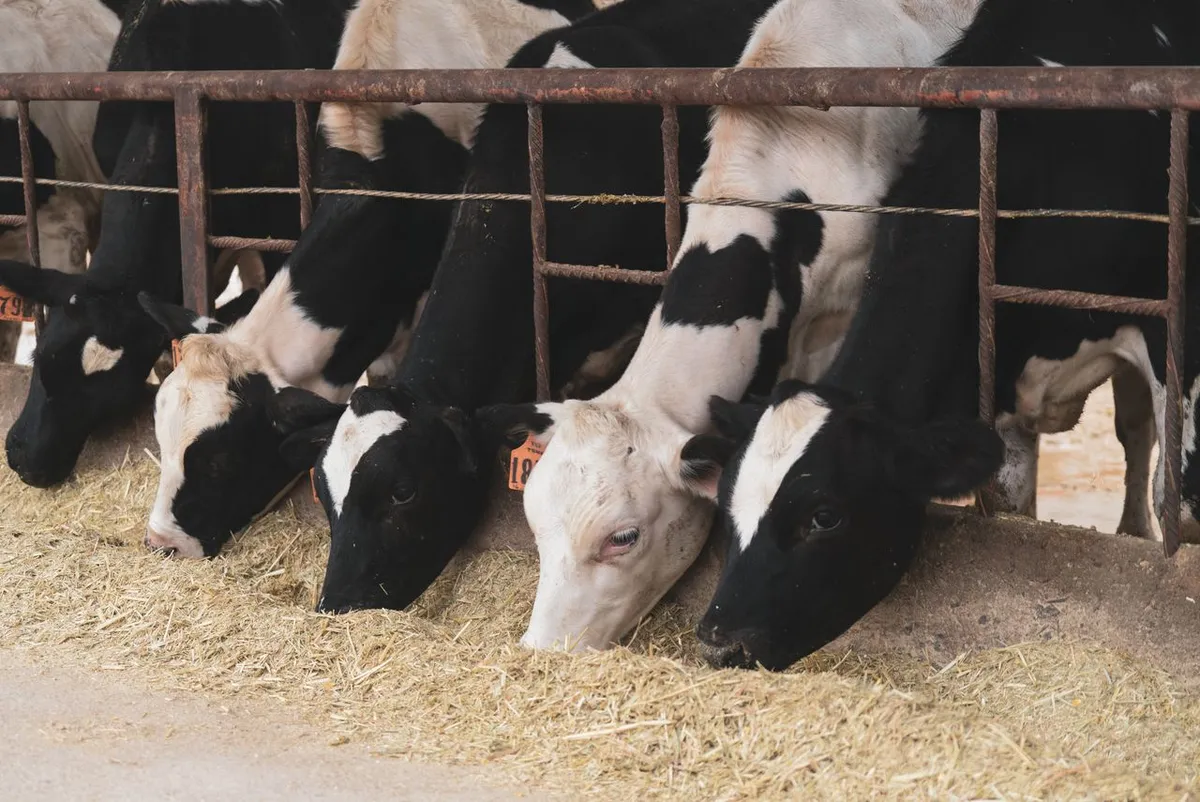
- Feed cottonseed cake mainly to adult cattle and buffalo, and limit it in calves.
- Avoid or strictly limit it in pigs, poultry and laying hens. Gossypol can also cause yolk discolouration in eggs.
- Limit it in breeding bulls because of possible effects on fertility.
- Blend it with other protein meals, such as groundnut DOC, rather than using it as the only protein source.
Remember that gossypol can come from more than one source. Some dairy rations include both whole cottonseed and cottonseed cake. Whole cottonseed has a much higher legal limit, 5,000 mg/kg under EU rules, so a ration that uses both can reach high free gossypol levels quickly. Add up all sources when you check the ration against the limit for each animal class.
What Quality Parameters Matter When Buying Cotton Seed Oil Cake?
Buy cotton seed oil cake on a written specification and a lot-wise Certificate of Analysis. The main parameters are:
- Protein, oil and fibre: for decorticated DOC, about 38–42% protein, 2% oil max and 16% fibre max.
- Moisture: 10% max, to avoid mould in storage.
- Sand and silica: 2.5% max.
- Aflatoxin B1: 20 µg/kg max for the EU, or per contract for Asian buyers.
- Free gossypol: 1,200 mg/kg max under EU rules.
- Castor contamination: the EU allows no more than 10 mg/kg of castor in any feed, so crushing plants must keep castor separate.
The HS code for cottonseed oil cake is 2306 10. Our lab testing page explains how we test each feed lot.
Related reading: DDGS Protein Content vs Soybean Meal: A Feed Buyer's Comparison and Soybean Meal Protein Content vs Groundnut and Mustard Cake.
Sourcing Oilseed Cakes from India
India is a large producer of oilseed cakes, and Gujarat is a centre for both groundnut and cottonseed crushing. When you buy cotton seed oil cake, agree the type (decorticated or undecorticated), the process, the form (meal, pellets or broken cake) and the full test panel before shipment. Store the cake in a cool, dry, ventilated place, off the floor and away from damp walls. Oilseed cakes with high moisture can grow mould and develop aflatoxin, so check the moisture again on arrival and use older stock first.
Elysium Agri Corporation, based in Jamnagar, supplies groundnut, cottonseed, sunflower and sesame DOC, with lot-wise protein and aflatoxin testing. Our cottonseed DOC is sourced in Gujarat and packed in 50 kg PP bags or 1 MT jumbo bags, with buyer’s marks on request. We also supply corn DDGS and rapeseed meal for blended rations. Our registrations are listed on the certificates page.
Tell us the cake type, quantity and destination port, and we will send a specification and price. Request a cottonseed cake quote →
Frequently asked questions
Is cottonseed cake safe for cattle?
Yes, within limits. Adult cattle and buffalo tolerate cottonseed cake well, because rumen microbes break down part of the gossypol it contains. Problems arise when intake of free gossypol is too high for too long. Test each lot, keep the ration within EU-style limits such as 500 mg/kg free gossypol in complete feed for adult cattle, and blend with other proteins.
What is gossypol and why does it matter in cottonseed cake?
Gossypol is a natural yellow pigment in cotton seed glands that protects the plant from insects. In feed, free gossypol can harm animals that eat too much, especially calves, pigs and poultry, and can affect fertility in breeding bulls. The EU limits free gossypol in cottonseed cake and meal to 1,200 mg/kg.
How much protein does cottonseed cake contain?
Protein depends on processing. Decorticated, solvent-extracted cottonseed meal usually contains about 38 to 42% protein with 2% oil or less. Undecorticated cake, made with the hulls left on, contains about 22 to 28% protein and more fibre. Always buy on the tested protein figure stated on the Certificate of Analysis for your lot.
How much cottonseed cake can be fed to cattle?
As a practical guide, cottonseed DOC is usually kept at up to about 15% of the ration for adult cattle and buffalo. The real limit depends on the free gossypol in your lot and in the whole ration. Under EU rules, complete feed for adult cattle may contain up to 500 mg/kg free gossypol.
Can cottonseed cake be fed to calves?
Only in small amounts. Calves, especially before the rumen is fully developed, are the most sensitive ruminants to gossypol. EU rules limit free gossypol in complete feed for calves to 100 mg/kg, compared with 500 mg/kg for adult cattle. Many nutritionists avoid cottonseed cake in young calf starters and use other protein meals instead.
Related reads


