On this page
- What Is Urad Dal?
- What Are the Urad Dal Nutrition Facts?
- How Much Protein and Fibre Does Urad Dal Contain?
- Which Vitamins and Minerals Are in Urad Dal?
- How Do Whole, Split and Washed Urad Differ in Nutrition?
- What Does the Research Say About Urad Dal?
- How Is Urad Dal Used in Cooking?
- How Can You Buy Urad Dal in Bulk from India?
- Frequently asked questions
Urad dal nutrition facts, per 100 g of dry black gram, are about 341 kcal, 25 g protein, 18 g dietary fibre, 59 g carbohydrate and only 1.6 g fat, with useful amounts of iron, magnesium, potassium, phosphorus and folate, according to USDA FoodData Central. That makes urad one of the most protein-dense pulses in the Indian kitchen. This fact sheet explains what the numbers mean, how whole, split and washed urad differ, and what research says about preparing it.
Key takeaways
- Dry urad has about 25 g of urad dal protein per 100 g, and about 7.5 g per 100 g once boiled.
- Fibre is high at about 18 g per 100 g of dry whole black gram, and the skin holds much of it.
- Urad supplies iron, magnesium, potassium, phosphorus, zinc and folate, but its plant iron is absorbed less easily than iron from meat.
- Soaking and cooking lower tannins and improve protein digestibility, so preparation matters as much as the label.
What Is Urad Dal?
Urad dal is the split, usually dehusked, seed of black gram (Vigna mungo), a pulse grown widely in India. The whole bean has a black skin and a creamy white inside. In English it is also called black gram, black matpe or urd bean. It is a close relative of moong (Vigna radiata), but the two are different crops with different tastes and textures.
Urad is sold in four trade forms: whole black urad (sabut), urad chilka (split with skin), urad gota (whole, skin removed) and urad dal (split, skin removed, often called washed or white urad). It gives the soft, fluffy texture of idli and dosa batter, the body of dal makhani, and the crisp bite of papad and medu vada. Our guide to types of dal places urad alongside the other common pulses.
What Are the Urad Dal Nutrition Facts?
The table below shows the nutrient profile of dry black gram and of boiled black gram, from the entries for “mungo beans, mature seeds, raw” and “mungo beans, mature seeds, cooked, boiled, without salt” in USDA FoodData Central. “Mungo bean” is the USDA name for urad.
| Nutrient | Per 100 g dry urad | Per 100 g boiled urad |
|---|---|---|
| Energy | 341 kcal | 105 kcal |
| Water | 10.8 g | 72.5 g |
| Protein | 25.2 g | 7.5 g |
| Total fat | 1.6 g | Under 1 g |
| Carbohydrate | 59.0 g | – |
| Dietary fibre | 18.3 g | – |
| Potassium | 983 mg | – |
| Phosphorus | 379 mg | – |
| Magnesium | 267 mg | – |
| Calcium | 138 mg | – |
| Iron | 7.6 mg | – |
| Zinc | 3.4 mg | – |
| Folate | 216 µg | – |
Source: USDA FoodData Central, SR Legacy. Dry values are for whole mature seeds. Boiled values shown only where checked.
Boiling adds water, so every value per 100 g falls by roughly two-thirds. When you compare urad with other foods, check whether a label uses the dry or the cooked weight. A typical serving of cooked dal is a bowl of about 150–200 g, made from roughly 50–60 g of dry pulse.
How Much Protein and Fibre Does Urad Dal Contain?
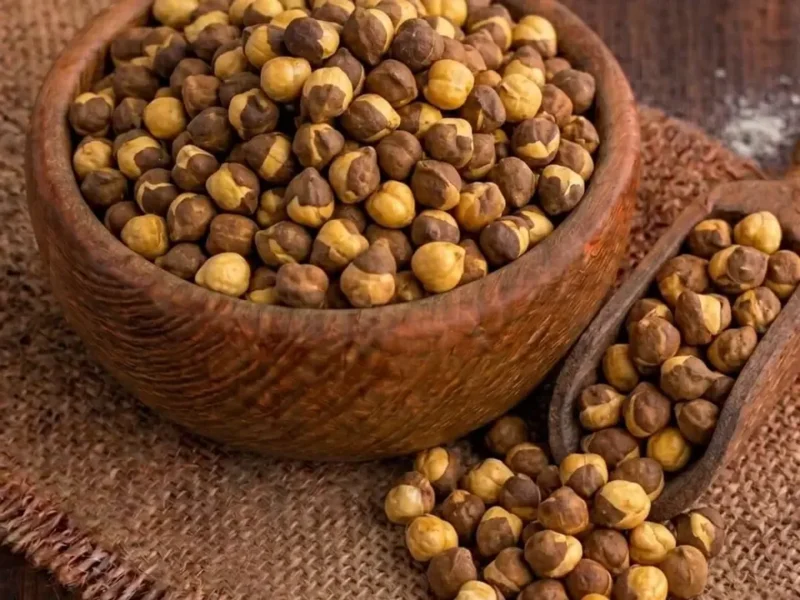
Urad dal contains about 25 g of protein and 18 g of fibre per 100 g dry, which places it among the richest pulses for both. For comparison, USDA lists dry chickpeas at about 20 g of protein per 100 g. Our article on chickpea protein and nutrition gives the full chickpea profile.
Like most pulses, urad protein is rich in lysine but lower in the sulphur amino acids methionine and cysteine. Cereals have the opposite pattern. This is why urad and rice work well together, as in idli, dosa and dal with rice. The two foods together give a more balanced amino acid profile than either alone.
The fibre in urad includes both soluble and insoluble types. Much of the insoluble fibre sits in the black seed coat, so whole urad and chilka keep more fibre than white, dehusked dal. Urad also contains starch and other carbohydrates that are fermented in the gut. Some people find that soaking, thorough cooking and the traditional use of asafoetida and ginger make urad easier to digest.
Which Vitamins and Minerals Are in Urad Dal?
Urad dal is a good plant source of iron, magnesium, potassium, phosphorus, zinc and folate, with smaller amounts of calcium and B vitamins such as thiamin and niacin. Per 100 g dry, it gives about 7.6 mg of iron and 267 mg of magnesium.
- Iron: urad contains non-haem iron, the form found in plants. The NIH Office of Dietary Supplements notes that non-haem iron is absorbed less well than haem iron from meat, and that vitamin C in the same meal improves absorption. A squeeze of lemon or a tomato-based dish helps.
- Magnesium and potassium: both are present in large amounts, as in most pulses.
- Phosphorus: much of it is bound as phytate, which also reduces mineral absorption. Soaking, fermenting and cooking lower phytate levels.
- Folate: about 216 µg per 100 g dry. Folate is sensitive to heat and leaches into cooking water, so the amount you eat depends on how the dal is cooked.
How Do Whole, Split and Washed Urad Differ in Nutrition?
Whole, split and washed urad have nearly the same protein per gram, but whole and chilka urad keep the skin and so contain more fibre and more of the dark polyphenols and tannins. Washed (dehusked) urad dal is lower in fibre, cooks faster and gives a whiter, smoother batter. Our guide on how dal is made explains the dehusking and splitting steps.
| Form | Skin | Fibre | Cooking | Typical use |
|---|---|---|---|---|
| Whole urad (sabut) | On | Highest | Long; soak first | Dal makhani, whole curries |
| Urad chilka | On, split | High | Medium | Dal, khichdi |
| Urad gota | Removed, whole | Lower | Medium | Idli and dosa batter, vada |
| Urad dal (washed) | Removed, split | Lowest | Fastest | Batter, papad, dal |
Relative comparison. The USDA values above are for whole seeds; dehusked dal has the same protein per gram but less fibre.
For buyers, the choice depends on the end product. A dal makhani brand needs bold, clean whole urad. An idli and dosa batter maker needs gota or washed dal with good whiteness and low brokens.
What Does the Research Say About Urad Dal?
Research on urad mainly looks at how preparation changes its nutritional value, and the findings support traditional methods of soaking, cooking and fermenting. Black gram contains tannins and enzyme inhibitors that can lower protein digestibility. A study in Plant Foods for Human Nutrition found that soaking black gram in water at 100 °C for 45 minutes reduced tannins by about 22%. Soaking in sodium bicarbonate solution reduced them further, and cooking lowered tannins again while improving protein digestibility.
More broadly, pulses as a food group are low in fat and high in protein and fibre. Dietary guidelines in many countries, including India and the USA, recommend them as part of a varied diet. There is no reliable evidence that urad treats any disease, and no single food should be seen as a cure.
How Is Urad Dal Used in Cooking?
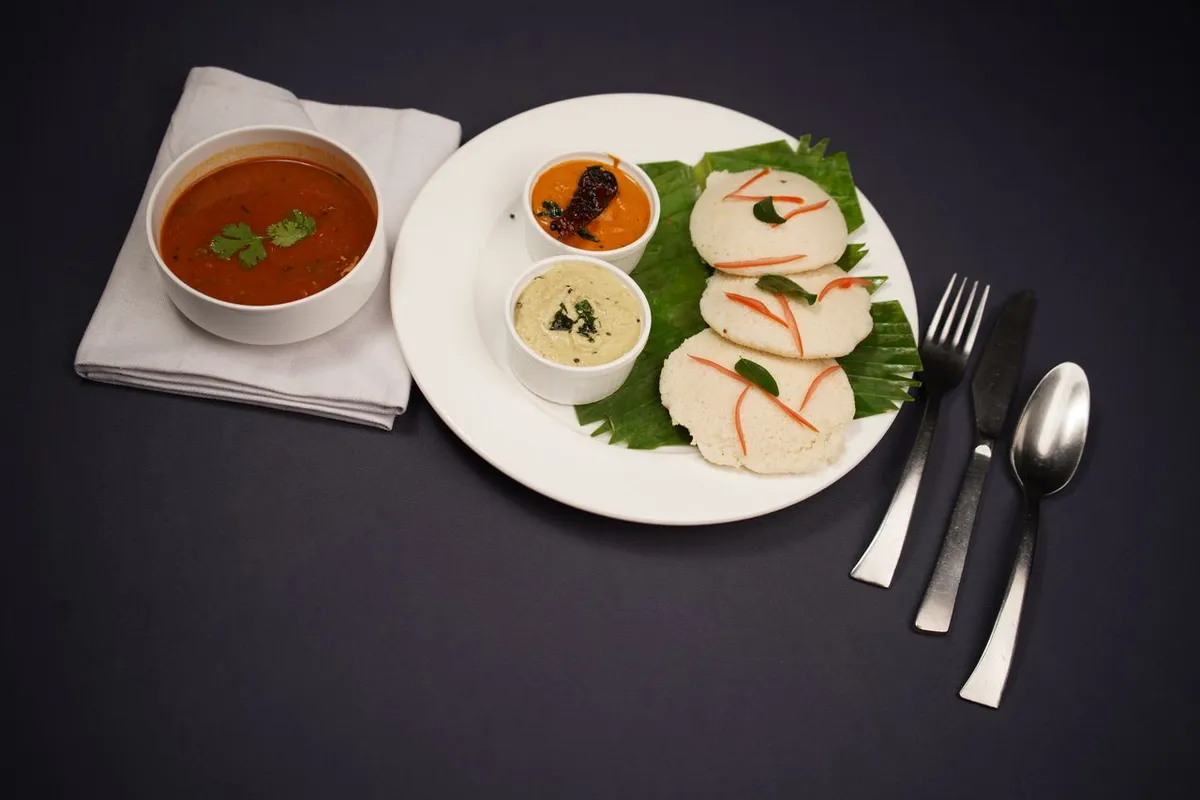
Urad dal is used in batters, dals, snacks and papad across India and in South Asian cooking abroad. Its high protein and natural mucilage trap air, which gives soft idli and crisp, lacy dosa.
- Idli and dosa: soaked urad gota or dal is ground with rice and fermented overnight.
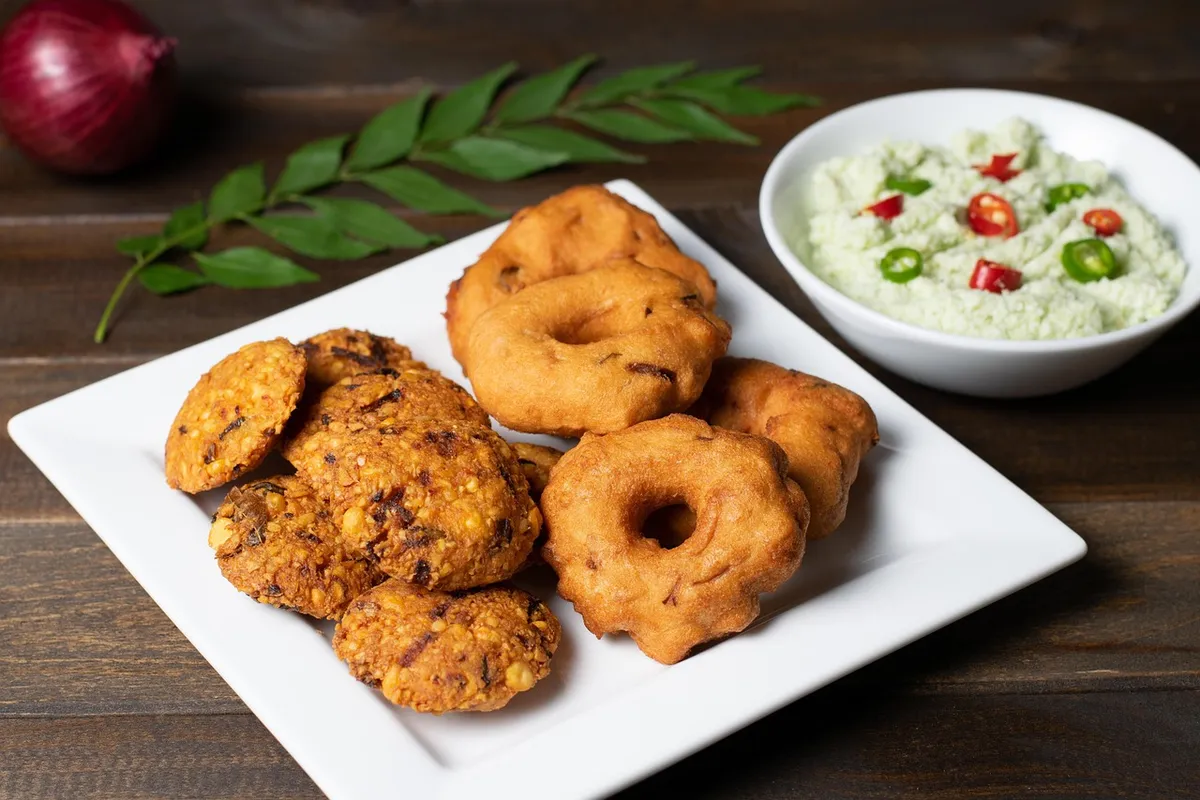
- Medu vada: a thick urad batter is shaped into rings and deep-fried.
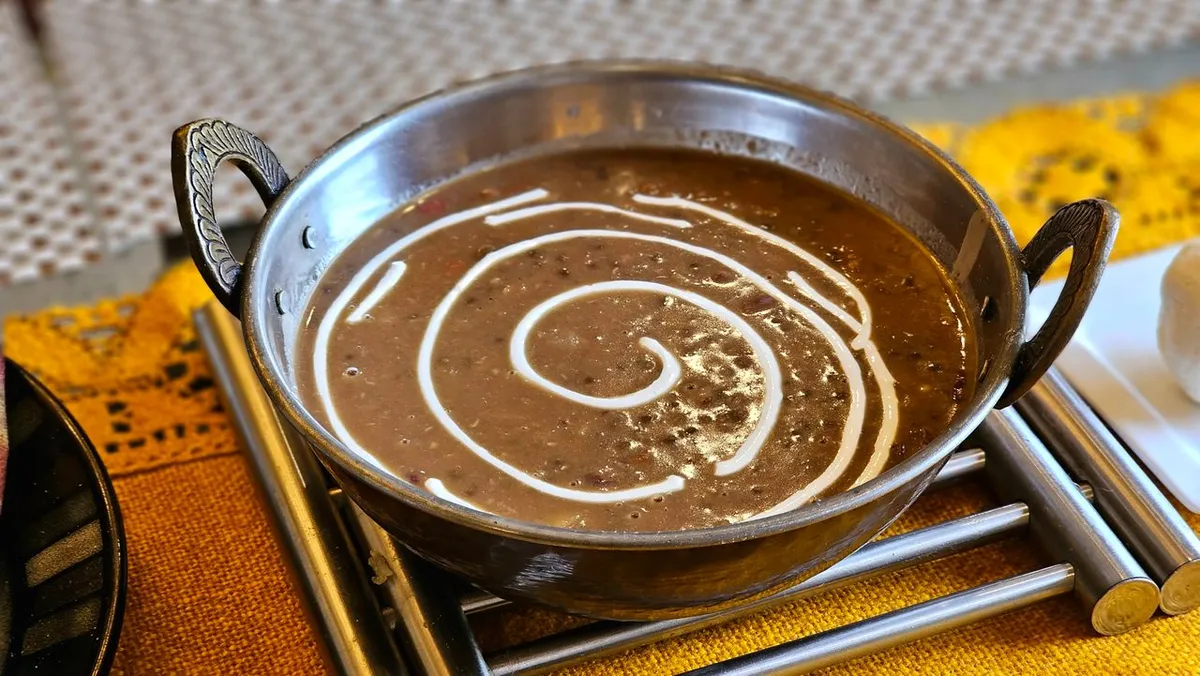
- Dal makhani: whole black urad is slow-cooked with kidney beans, tomato and butter.
- Papad: urad flour is made into a stiff dough, rolled thin and dried.
- Tempering: a teaspoon of washed urad dal is fried in oil with mustard seeds to add crunch to South Indian dishes.
This article is for general information and is not medical or dietary advice.
How Can You Buy Urad Dal in Bulk from India?
India is the world’s largest producer and consumer of pulses. For urad, the main kharif crop, about 70% of the total, arrives from October. For food brands and importers, the urad dal nutrition facts on your pack depend on clean, well-graded stock with low moisture and no contamination.
Elysium Agri Corporation exports urad in all four forms: whole black, chilka, gota and dal. Our sortex grades are 98–99% pure, with moisture 12% max and foreign matter 0.5% max. Every lot is tested for pesticide residues and for lead and cadmium against EU limits, as listed on our lab testing page. We pack in 25 or 50 kg PP or BOPP bags, about 24–26 MT in a 20 ft container, with private label on request. We also supply green moong beans for mixed-pulse orders; see our moong nutrition facts for a comparison.
Tell us the form, grade, quantity and destination port, and we will send an FOB or CIF price with the specification sheet. Request an urad dal quote →
Frequently asked questions
What nutrients does urad dal contain?
Urad dal contains protein, dietary fibre and complex carbohydrates, with very little fat. Per 100 g dry, USDA data shows about 341 kcal, 25 g protein and 18 g fibre, plus iron, magnesium, potassium, phosphorus, zinc, calcium and folate. It also supplies smaller amounts of B vitamins such as thiamin and niacin.
How much protein is in urad dal?
Dry urad contains about 25 g of protein per 100 g, according to USDA FoodData Central. Once boiled, it has about 7.5 g per 100 g because it absorbs water. Urad protein is rich in lysine, so eating it with rice, as in idli or dal and rice, gives a more balanced amino acid profile.
Is urad dal a good source of fibre?
Yes. Dry whole black gram has about 18 g of dietary fibre per 100 g in USDA data, which is high even for a pulse. Much of the insoluble fibre is in the black skin, so whole urad and urad chilka provide more fibre than washed, dehusked urad dal, which is smoother and cooks faster.
What is the difference between whole and split urad nutrition?
Whole and split urad have nearly the same protein per gram. The main difference is the skin. Whole urad and split urad with skin keep more fibre, tannins and polyphenols, while washed, dehusked urad dal has less fibre, cooks faster and gives a whiter batter for idli, dosa and papad.
Is urad dal rich in iron?
Urad is a good plant source of iron, with about 7.6 mg per 100 g of dry whole seeds in USDA data. It is non-haem iron, which the body absorbs less easily than iron from meat. Eating urad with a source of vitamin C, such as lemon or tomato, helps the body absorb more of it.
Related reads