
On this page
- What Is Dal and How Is It Made?
- How Are Raw Pulses Cleaned and Graded?
- What Happens During Pitting, Conditioning and Dehusking?
- How Are the Pulses Split?
- Why Is Dal Polished and Colour Sorted?
- Dal Mill Process: Stages and Yields
- Which Quality Checks Are Made Before Packing?
- How Do You Source Dal and Split Pulses from India?
- Frequently asked questions
The dal mill process turns whole pulses into split dal in six main steps: cleaning and grading, pitting and conditioning, dehusking, splitting, polishing and colour sorting, then packing. The mill removes the outer husk and splits each seed into its two halves, called cotyledons. Modern mills recover about 82–85% of the raw pulse as dal. The rest becomes husk, powder and broken pieces, which are mostly sold as animal feed.
Key takeaways
- Dal is a whole pulse that has been dehusked and split. Toor dal, moong dal, urad dal, chana dal and masoor dal are all made this way.
- Conditioning with oil or water loosens the husk before it is removed on emery rollers.
- Dal recovery is about 65–75% in traditional mills and 82–85% in modern mills.
- Polishing is optional. Unpolished dal is preferred for EU and US retail, while polished and oily dal sell in other markets.
What Is Dal and How Is It Made?
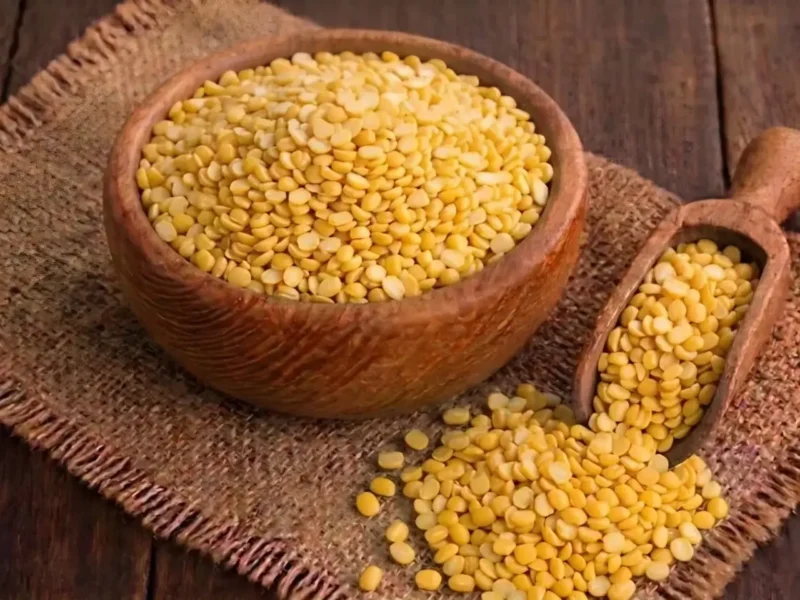
Dal is the Indian name for a split pulse, usually with the husk removed. The word is also used for the cooked dish. A whole pulse, such as green moong, has a seed coat around two cotyledons. When the seed coat is removed and the seed is split, you get dal. Split moong without its green skin, for example, is sold as moong mogar, or yellow moong dal.
Dal is made in a dal mill. This is a factory that cleans the raw pulse, loosens the husk, removes it with abrasive rollers, splits the seed and finishes it for sale. Most pulses grown in India are eaten as dal, so dal milling is one of the country’s largest food-processing industries. The same process is used for pigeon peas (toor dal), urad, moong, chana and masoor, with small changes for each pulse. If you are unsure which dal is which, our guide to types of dal explains the main kinds.
There are two main forms of split pulse. Split dal with the skin left on is called chilka, as in moong chilka. Split dal with the skin removed is called dhuli or mogar. Whole dehusked seed, such as urad gota, is a third form.
How Are Raw Pulses Cleaned and Graded?
Raw pulses are first cleaned to remove everything that is not sound seed. Pulses arrive from the farm with dust, straw, stones, mud balls, weed seeds and damaged seed. These must come out before milling, because they damage the rollers and spoil the finished dal.
- Pre-cleaning: a scalper and sieves remove large impurities such as straw, sticks and sand.
- Fine cleaning and destoning: sieves and a destoner remove small stones and heavy particles.
- Gravity separation: a gravity table removes light, shrivelled and weevil-damaged seed.
- Size grading: seed is sorted into size bands. Even size matters because the husk is removed more evenly when all seeds are the same size.
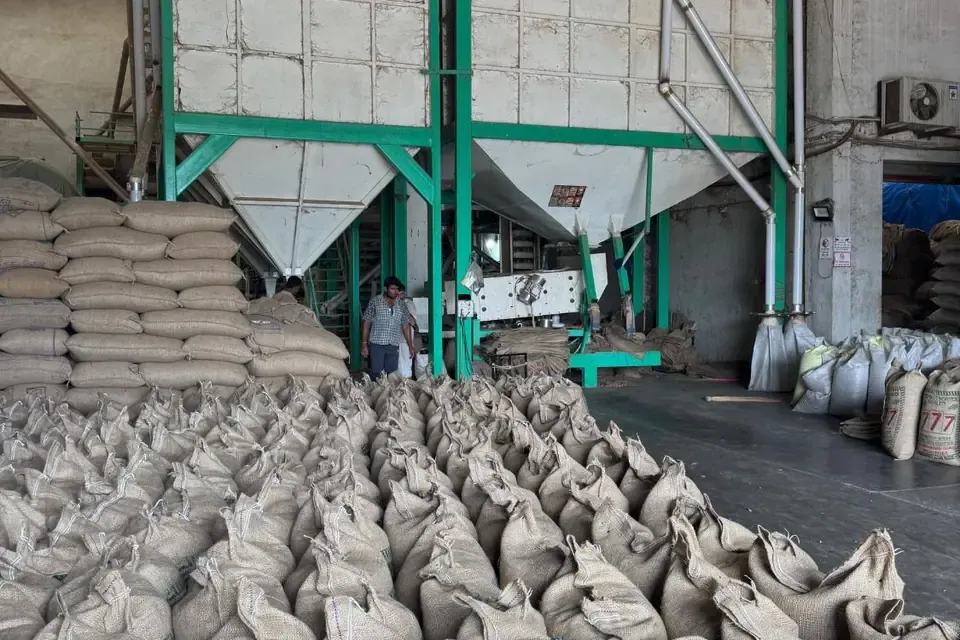
Good cleaning protects the dal yield. A mill that starts with clean, evenly sized seed breaks fewer seeds in the later steps.
What Happens During Pitting, Conditioning and Dehusking?
Pitting scratches the husk, conditioning loosens it, and dehusking removes it. In many pulses, especially toor and urad, the husk is held tightly to the seed by natural gums. It will not come off cleanly without treatment.
Pitting. The cleaned seed is passed lightly through emery rollers. This makes small cracks and scratches in the husk so that oil or water can get underneath it.
Conditioning. There are two common methods:
- Dry method: a small amount of edible oil is mixed into the seed, which is then left to rest. It may be sun-dried or dried in a dryer and wetted again in several cycles. This method is common in large commercial dal mills.
- Wet method: the seed is soaked in water, then dried. The husk loosens quickly, but drying needs care and space.
Dehusking. The conditioned seed passes through emery-coated rollers, often several times. Each pass rubs off more husk, and aspirators blow the loose husk away. Some seeds split during this step, which is useful. Dehusking is where most of the weight is lost, because the husk, some germ and fine powder are removed. In toor, the seed coat makes up about 10% of the seed, according to ICRISAT.
How Are the Pulses Split?
The dehusked seed is split into its two halves by impact or by a splitting machine. In many mills, the seed is thrown against a hard surface in an elevator or a splitter. The force breaks the seed along its natural line between the cotyledons. The seed must be at the right moisture. If it is too wet, it squashes. If it is too dry, it shatters into broken pieces and powder.
After splitting, sieves separate the product into whole dehusked seed, split dal, broken pieces and powder. Whole seeds that did not split may go back through the splitter. For products sold whole, such as urad gota, the splitting step is skipped.
Why Is Dal Polished and Colour Sorted?
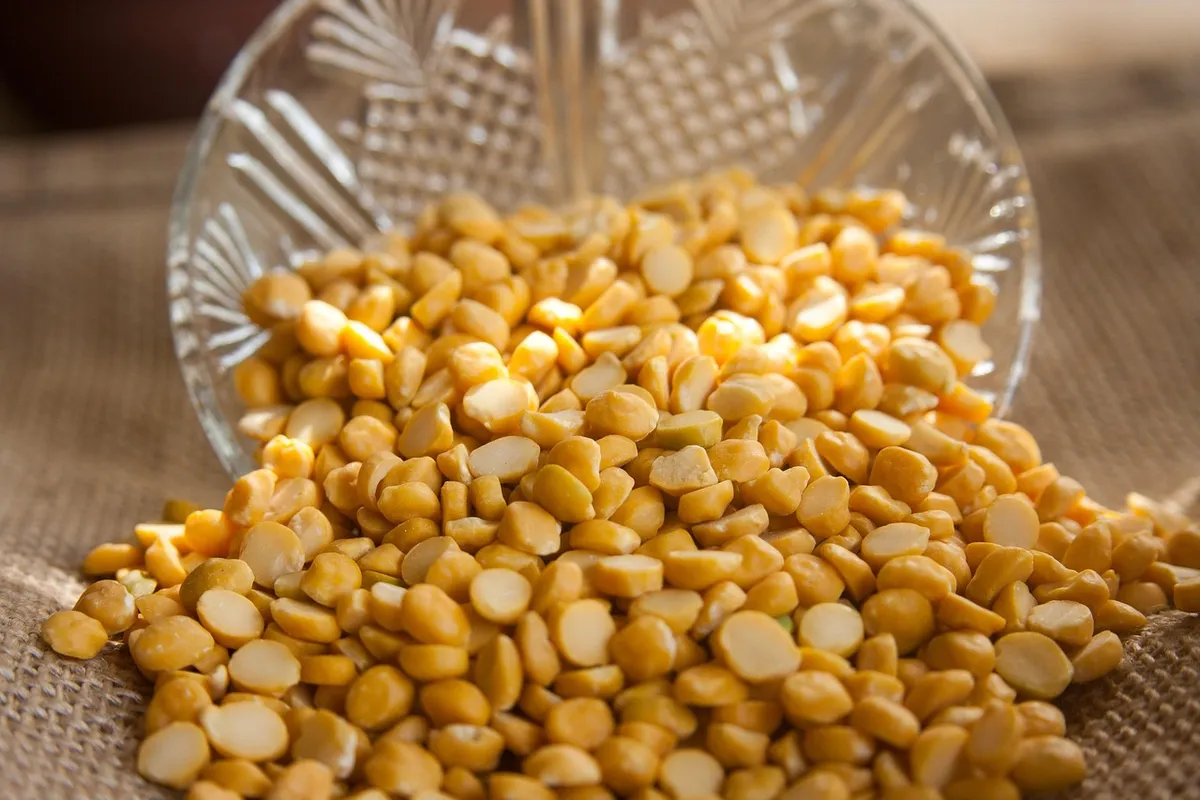
Dal is polished to give it a brighter, more even surface, and colour sorted to remove off-colour and damaged pieces. Polishing is a market choice, not a safety step. Colour sorting, often called sortex after a well-known brand of optical sorter, is a quality step that most export buyers expect.
Toor dal is a good example of how finish works. It is sold in three finishes:
- Unpolished: milled and sortexed with no polish. It is preferred for health-food shops and for EU and US retail.
- Water-polished: polished with water for a brighter look. It is common in Indian and Gulf retail.
- Oily (oil-polished): coated with a little edible oil to protect against insects. “Oily toor dal” is a known product in US and UK South Asian stores.
The finish should always be declared on the label. If you sell into a market where shoppers expect “no polish”, write “unpolished” into your contract and your specification.
Dal Mill Process: Stages and Yields
The table below sums up the dal mill process. It shows what each stage does, what it removes, and the yield figures reported for Indian dal mills.
| Stage | What happens | Removed or by-product |
|---|---|---|
| Cleaning and grading | Sieving, destoning, gravity separation, sizing | Dust, straw, stones, light and damaged seed |
| Pitting | Light pass on emery rollers to scratch the husk | A little husk and powder |
| Conditioning | Oil or water treatment, resting and drying | Moisture adjusted; nothing removed |
| Dehusking | Repeated passes on emery rollers, aspiration | Husk (about 10% of the seed in toor), fines |
| Splitting | Impact splitting, then sieving | Broken pieces and powder |
| Polishing and sorting | Optional water or oil polish, optical colour sorting | Off-colour and damaged pieces |
| Overall dal recovery | Traditional mills: about 65–75% | Modern mills: about 82–85% |
Dal mill process stages. Recovery figures from a Rajasthan government dal mill project report; actual yield varies by pulse and lot.
A dal mill project report prepared for the Rajasthan Agricultural Competitiveness Project puts traditional dal recovery at about 65–75% and modern recovery at 82–85%. It notes that each repeated dehusking pass produces around 1.5–2% fines. Fewer passes and better conditioning mean more dal from each tonne of pulses. This is why dal costs more per tonne than the whole pulse.
Which Quality Checks Are Made Before Packing?
Before packing, finished dal is checked for moisture, purity, broken pieces, foreign matter and food-safety limits. In India, the FSSAI pulses standard sets moisture at 14% maximum for whole pulses and 12% for dehusked dal. It also limits extraneous matter to 1%, damaged grains to 7% (with broken at 3%) and uric acid to 100 mg/kg. Export contracts are usually tighter.
For export, each lot should also be tested for pesticide residues and heavy metals. Indian pulses are not under increased EU border checks, but shipments must still meet EU or destination limits, including lead at 0.20 mg/kg and cadmium at 0.040 mg/kg. Our lab testing page sets out the tests we run.
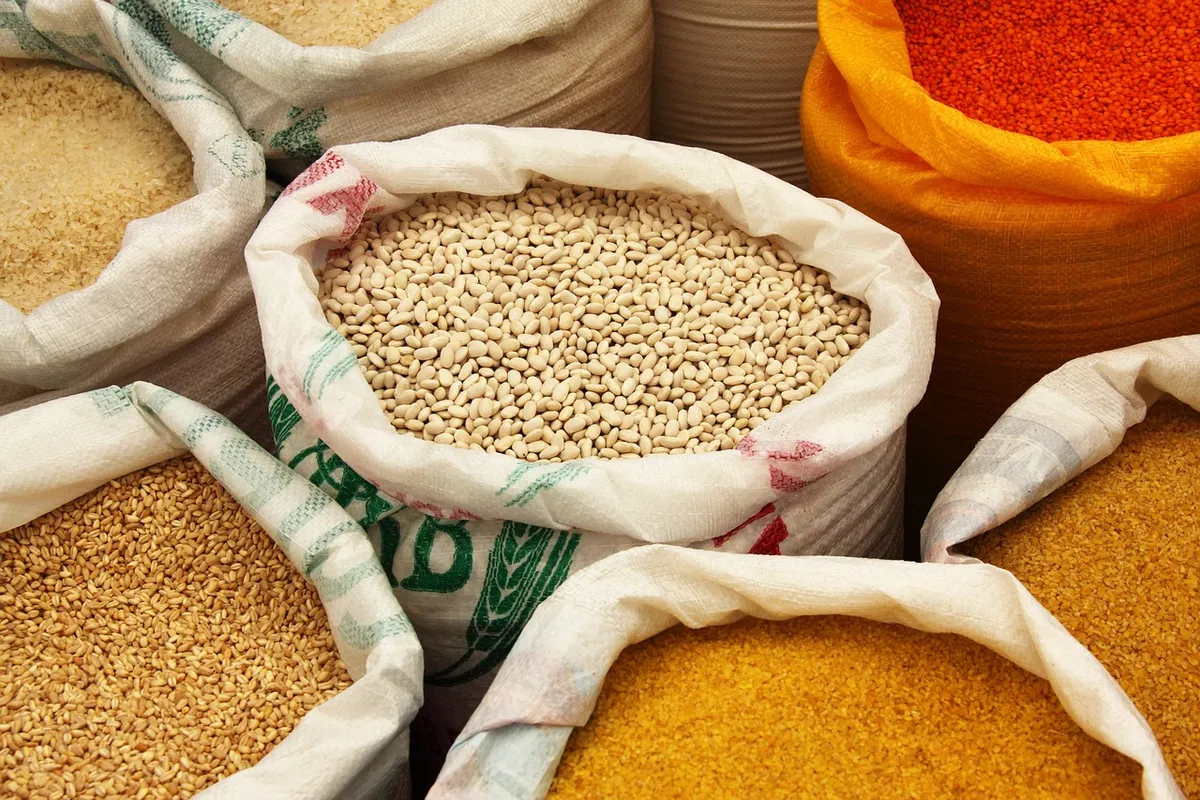
Dal is then packed in new PP or BOPP bags, in bulk or in retail packs under your own brand. Split dal has more exposed surface than whole pulses, so it should be stored cool and dry and kept away from strong odours. See our packaging options for bag sizes and liners.
Related reading: Urad Dal Nutrition Facts: Protein, Fibre and Minerals and Green Gram Nutrients: Moong Nutrition Facts per 100g.
How Do You Source Dal and Split Pulses from India?
To source dal from India, choose the pulse and form (whole, chilka, mogar or gota), the finish (unpolished, water-polished or oily), the purity and the packing. Ask for a lot-wise certificate of analysis and agree the residue limits for your market. Knowing the dal mill process helps you compare offers, because finish, sortex cleaning and recovery all affect price.
Elysium Agri Corporation, based in Jamnagar, Gujarat, exports whole pulses and split dals: green moong, moong mogar, urad (whole, chilka, gota and dal), toor dal, red and green lentils and dried green peas. Our dals are sortexed to 98–99.9% purity and tested to EU limits before every shipment. We can load several pulses and dals in one container, each packed and labelled with its own documents, and we offer private-label packing. For background on the trade, read our guide to importing pulses from India.
Tell us the dal, finish, grade, quantity and destination port, and we will send a price and specification sheet. Request a dal and pulses quote →
Frequently asked questions
How is dal made from whole pulses?
Dal is made in a dal mill. The whole pulses are cleaned and graded, then pitted and conditioned with oil or water to loosen the husk. Emery rollers remove the husk, and the seed is split into two halves by impact. The dal is then sieved, optionally polished, colour sorted and packed.
What is the difference between whole and split dal?
Whole dal is the complete seed, with or without its husk, such as whole moong or urad gota. Split dal is the seed broken into its two halves. Split dal with the skin left on is called chilka, and split dal without the skin is called dhuli or mogar. Split, skinless dal cooks fastest.
Why is dal polished during processing?
Dal is polished to give it a brighter and more even look. Water polishing adds shine, and oil polishing coats the dal with a little edible oil that also helps protect against insects. Polishing is a market choice, not a safety step. Many EU and US buyers prefer unpolished dal, so the finish should be declared on the label.
What is a dal mill?
A dal mill is a processing plant that turns whole pulses into dal. It includes cleaners, destoners, graders, conditioning bins, emery roller dehullers, splitters, sieves, polishers and optical colour sorters. Traditional dal mills recover about 65 to 75 percent of the pulse as dal, while modern mills recover about 82 to 85 percent.
What are the steps in pulses processing?
Pulses processing usually follows these steps: pre-cleaning, destoning and gravity separation; size grading; pitting; oil or water conditioning; dehusking on emery rollers; splitting; sieving out broken pieces and powder; optional polishing; optical colour sorting; quality testing; and packing. Whole pulses sold intact skip the dehusking and splitting steps.
Related reads


