
On this page
- How Does Importing Pulses from India Work?
- Which Chickpeas and Pulses Can You Import from India?
- How Do You Choose a Reliable Indian Pulse Exporter?
- What Quality Specifications and Lab Testing Apply to Pulses?
- Which Documents Are Required to Import Pulses?
- How Do Packaging, Containers and Shipping Terms Work?
- How Do Customs Clearance and Phytosanitary Rules Work?
- How Do You Source Chickpeas and Pulses from Elysium?
- Frequently asked questions
To import pulses from India, choose a registered exporter, agree the pulse, size, purity and residue limits in writing, approve a sample, and ship by container with a phytosanitary certificate, a certificate of origin and a lot-wise Certificate of Analysis. India is the world’s largest producer of pulses, and the chickpeas, lentils, moong, urad and toor dal it exports are free to ship. This guide takes you through each step, from choosing a pulse to customs clearance.
Key takeaways
- Chickpeas are India’s largest pulse export, at about 3.88 lakh tonnes in 2025, mainly to the UAE, Algeria, Iran, Bangladesh and China.
- State defect limits as numbers: moisture, foreign matter, damaged, weevilled and broken grains, not just “99% purity”.
- No Indian pulses are under increased EU border checks, but every lot must meet limits for pesticides, lead and cadmium.
- Pulses are dense, so a 20 ft container reaches its weight limit at about 24–26 MT.
How Does Importing Pulses from India Work?
Importing pulses from India follows a clear sequence. You send your specification, receive a quote and type sample, sign a contract, and the exporter cleans, sorts, tests, packs and ships the lot. You then clear customs with the documents the exporter sends.
- Specify: pulse, variety, size, finish (polished or unpolished), packing and destination.
- Check the exporter: confirm its IEC, APEDA, FSSAI and GST registrations.
- Approve a sample: check size, colour, cooking and defects.
- Contract: name the specification, Incoterm, shipment period and payment terms.
- Pre-shipment testing: the lot is tested and the report is sent before loading.
- Ship and clear: the container sails and your broker clears it on arrival.
Check policy before each order. The pulses Elysium ships are “Free” for export, and the 2017 ban on moong, urad and tur dal exports has been lifted. India’s own import rules differ by pulse and change often, which can affect origin and price.
Which Chickpeas and Pulses Can You Import from India?
India exports chickpeas, lentils, moong and urad, pigeon peas (toor dal) and dried peas. Chickpeas are the largest. According to World Bank WITS data, India shipped about 3.88 lakh tonnes of chickpeas worth US$ 382 million in 2025. In 2024 it also shipped about 1.69 lakh tonnes of lentils, mostly to Bangladesh, and about 77,000 tonnes of moong and urad, mainly to the USA, Bangladesh, Canada, the UAE and the UK.
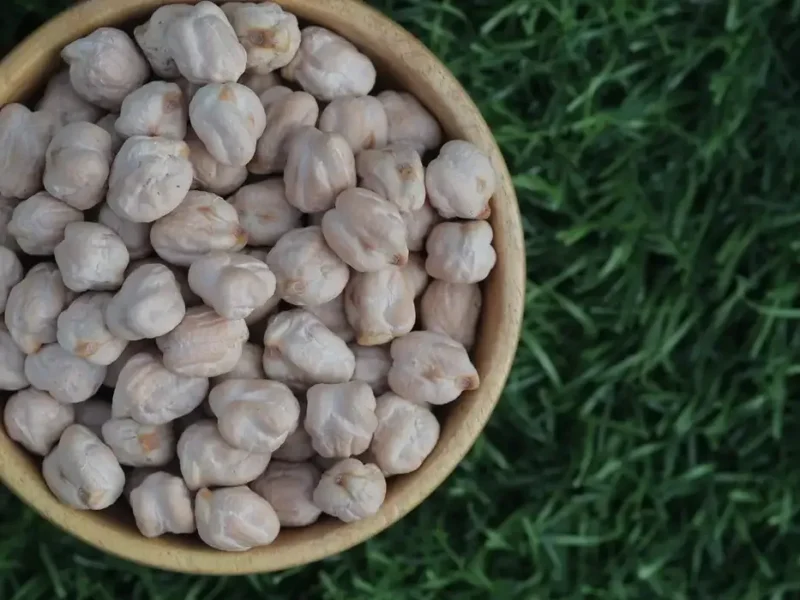
- Kabuli chickpeas: large, cream-coloured, sized from 7–8 mm to 12 mm and above. Used for hummus, canning and retail.
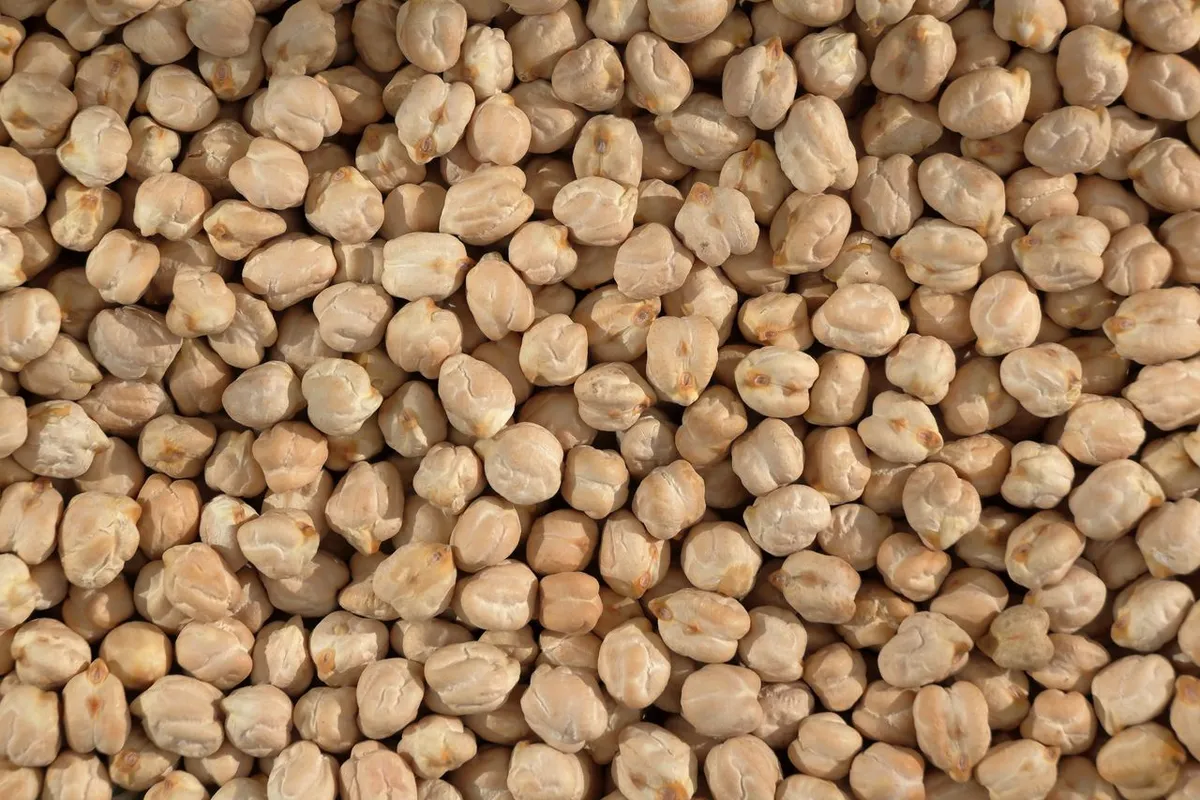
- Desi chickpeas: smaller brown Bengal gram, 5–8 mm. Used for dal, besan (gram flour) and roasting.
- Moong and urad: whole, split and dehusked forms for South Asian cooking.
- Pigeon peas and toor dal: whole or split, unpolished or oily.
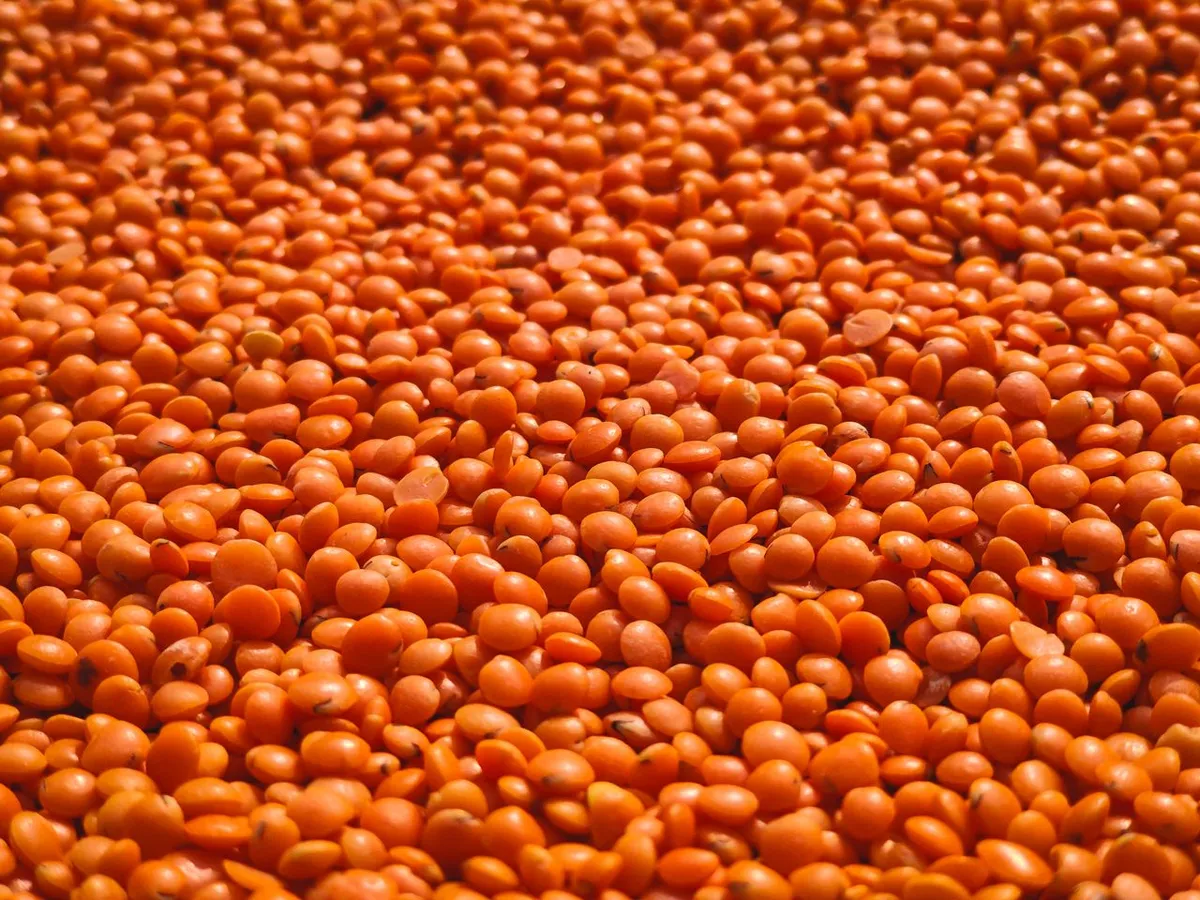
- Red and green lentils, and dried green peas: whole and split.
Timing your purchase helps with price and choice. Chickpeas, lentils and dried peas are rabi (winter) crops: chickpeas are sown in October and November and harvested from February to April, while new-crop lentils and peas arrive in March and April. Green moong has a summer crop in June and a kharif crop in September and October. About 70% of urad is a kharif crop that arrives in October and November, and pigeon peas, which take about 180 days to mature, arrive from January to March. Buying soon after these arrivals usually gives the widest choice of lots. Our crop calendar shows each window.
How Do You Choose a Reliable Indian Pulse Exporter?
Choose an exporter that states origin, finish and defect limits clearly, and that tests every lot. These five checks separate a reliable exporter from a trader:
- Origin stated: India imports lentils, tur and urad, so ask whether your lot is Indian-grown or milled from imports.
- Finish stated: unpolished, water-polished or oily dal, declared on the label.
- Defect limits in numbers: moisture, foreign matter, damaged, weevilled and broken grains.
- Residue tests: pesticides, glyphosate for lentils and peas, lead and cadmium to your market’s limits.
- Verified registrations: IEC on the DGFT portal, GST on the GST portal, and an APEDA RCMC that covers pulses.
Before you pay an advance, confirm that the bank account belongs to the same company named on the IEC and GST records.
What Quality Specifications and Lab Testing Apply to Pulses?
Pulses are graded on moisture, foreign matter, damaged and broken grains, and tested for residues and heavy metals. India’s FSSAI pulses standard sets moisture at 14% for whole pulses and 12% for dehusked pulses, extraneous matter at 1%, and damaged grains at 7%, of which broken grains at 3%. Kabuli and desi chickpeas are usually shipped at 12% moisture or less. Codex standard CXS 171-1989 covers lentils, peas and chickpeas.
For the EU, lead must stay within 0.20 mg/kg and cadmium within 0.040 mg/kg under Regulation (EU) 2023/915. Glyphosate is a common test for lentils, where the EU limit is 10 mg/kg. Sortex cleaning brings purity to 98–99.9%. Ask for a lot-wise report from an NABL-accredited lab and, on larger orders, an independent inspection by SGS or a similar company. Our lab testing page lists the tests we run.
Which Documents Are Required to Import Pulses?
A pulse shipment from India travels with a standard set of trade, quality and plant-health documents. The table shows what each one does.
| Document | Issued by | Purpose |
|---|---|---|
| Commercial invoice | Exporter | States value, quantity and terms for customs |
| Packing list | Exporter | Lists bags, weights and marks |
| Bill of lading | Shipping line | Title document needed to collect the goods |
| Phytosanitary certificate | Plant Quarantine, Government of India | Confirms the lot was inspected and is free of listed pests |
| Certificate of origin | Chamber of commerce or authorised agency | Proves Indian origin; preferential versions can lower duty |
| Certificate of Analysis | NABL-accredited laboratory | Moisture, defects, residues, lead and cadmium for your lot |
| Fumigation certificate | Approved fumigation agency | Only when the buyer or destination requires it |
Standard documents for pulses shipped from India.
In India’s tariff, kabuli chickpeas fall under 0713 20 10, desi chickpeas under 0713 20 20, lentils under 0713 40 00, urad under 0713 31 10 and moong under 0713 31 90. Check your local line with our HS code finder.
How Do Packaging, Containers and Shipping Terms Work?
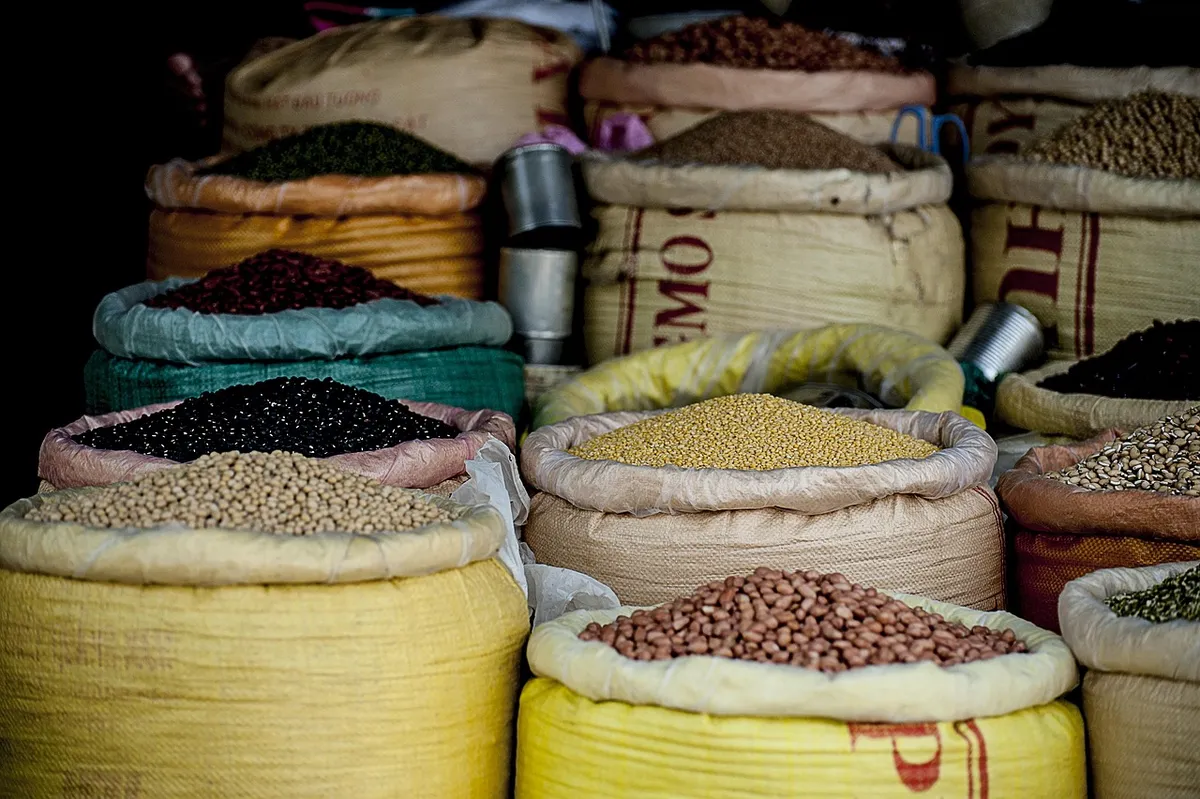
Pulses are usually packed in new 25 or 50 kg PP or BOPP bags, with or without a liner, in jute bags on request, or in 1 MT jumbo bags. Private-label retail packs are also possible. Because pulses are dense, a 20 ft container reaches its weight limit at about 24–26 MT, and a 40 ft carries only about 26–28 MT. A 20 ft is usually the better value. You can also mix several pulses in one container, each packed and documented separately. Use our container load calculator to plan the load.
The Incoterm decides who books and pays for the freight. Under FOB you book the ship. Under CFR the exporter pays the freight, and under CIF the exporter also insures the cargo. FOB suits buyers with their own forwarder and freight rates, while CFR or CIF is simpler for a first order. See FOB vs CIF for agri imports for a full comparison.
How Do Customs Clearance and Phytosanitary Rules Work?
Pulses are plant products, so most countries require a phytosanitary certificate issued under the International Plant Protection Convention (IPPC). In India, it is issued by the Plant Quarantine authority after the lot is inspected. Some importing countries also set their own pest rules, such as fumigation for storage insects, so share your import permit conditions with the exporter before loading.
At arrival, your customs broker files the entry with the invoice, packing list, bill of lading and certificates. Food authorities may take samples for residue or pest checks. Dense, clean and well-dried pulses rarely cause problems, but a missing certificate or a lot number that does not match the report can hold the container at port and add storage costs.
Related reading: Chickpea Nutrition: Protein per 100g, Fibre and Minerals and Chickpeas White vs Brown: Kabuli and Desi Chana Compared.
How Do You Source Chickpeas and Pulses from Elysium?
Elysium Agri Corporation, based in Jamnagar, Gujarat, is a pulses and chickpeas exporter. We supply kabuli and desi chickpeas, roasted chana, green moong, moong mogar, urad, toor dal, red and green lentils and dried green peas. See our full pulses range. Every lot is cleaned, sortexed and tested for pesticides, glyphosate, lead and cadmium before shipment, and we can load several pulses in one container.
If you plan to import pulses from India for the first time, tell us the pulse, size, finish, quantity and destination port, and we will send a quote with the specification sheet. Request a pulses quote →
Frequently asked questions
What documents are needed to import chickpeas from India?
A chickpea shipment usually carries a commercial invoice, packing list, bill of lading, phytosanitary certificate, certificate of origin and a Certificate of Analysis from an accredited lab. A fumigation certificate is added when the buyer or destination requires it. Your own country may need an import permit, so check with your customs broker first.
Which pulses are exported from India in bulk?
India exports chickpeas in the largest volumes, followed by lentils, moong and urad, pigeon peas or toor dal, and dried peas. Chickpeas go mainly to the UAE, Algeria, Iran, Bangladesh and China. Moong and urad go to the USA, Bangladesh, Canada, the UAE and the UK, largely for South Asian cooking.
How do I choose between FOB, CFR and CIF for pulses?
Choose FOB if you have your own forwarder and good freight rates, because you control the booking. Choose CFR if you want the exporter to book and pay the freight. Choose CIF if you also want the exporter to arrange marine insurance. CFR or CIF is often simpler for a first order from India.
How are pulses tested for quality before shipment?
Each lot is checked for moisture, foreign matter, damaged, weevilled and broken grains, and tested for pesticide residues, lead and cadmium. Lentils and peas are also tested for glyphosate. The results come on a Certificate of Analysis from an NABL-accredited lab, and buyers can appoint SGS or a similar inspector on larger orders.
What are the phytosanitary requirements for importing pulses?
Most countries require a phytosanitary certificate for pulses, because they are plant products. In India, the Plant Quarantine authority inspects the lot and issues the certificate before shipment. Some countries also require fumigation or other pest treatments. Share your import permit conditions with the exporter before loading so the certificate carries the right declarations.
Related reads


