
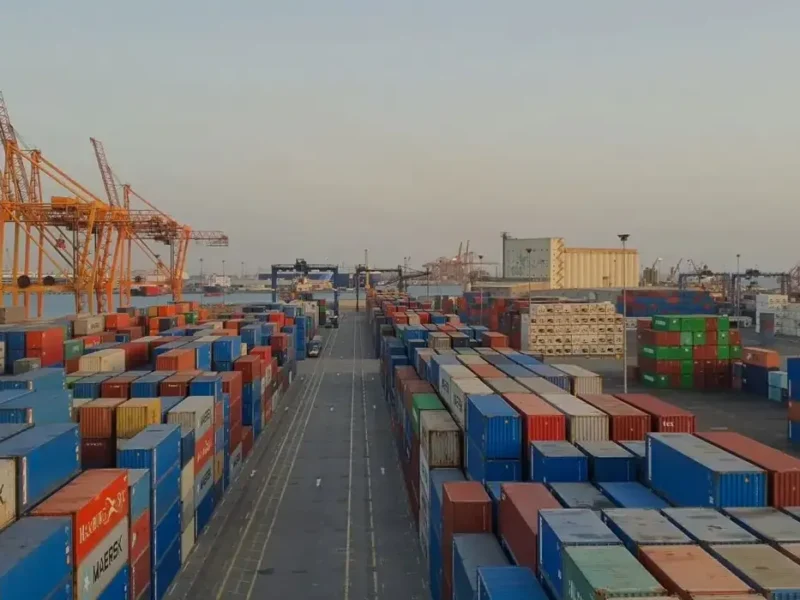
On this page
- How Does Importing from India Work?
- How Do You Find and Verify an Indian Supplier?
- How Do You Request Samples and Quotations?
- Which Incoterms and Payment Terms Are Used?
- Which Documents Are Needed for Import Clearance?
- How Do Shipping, Customs Clearance and Delivery Work?
- How Do You Start Your First Order with an Indian Exporter?
- Frequently asked questions
Importing from India works in seven steps: register as an importer in your own country, find and verify an Indian exporter, approve a sample, agree the price, Incoterm and payment terms in a contract, receive the shipping documents, clear the goods through your customs and collect the container. The exporter handles Indian export clearance; you handle import clearance at your end. This guide walks a first-time buyer through each step, with a focus on agricultural products such as spices, peanuts, sesame, pulses and grains.
Key takeaways
- Check the exporter’s IEC, GST and export council registrations on Indian government portals before you pay anything.
- Approve a type sample, then write the grade, specification, Incoterm and payment terms into a contract.
- FOB, CFR and CIF are the most common Incoterms for Indian agri exports.
- Your customs broker needs the invoice, packing list, bill of lading, certificate of origin and any food safety certificates.
How Does Importing from India Work?
Importing from India is a trade between two registered businesses, supported by banks, shipping lines and customs authorities in both countries. The exporter in India prepares, tests, packs and loads the goods and clears Indian export customs. The shipping line carries the container. You, the importer, clear customs in your country, pay any duty and tax, and collect the goods.
Do you need an import licence? It depends on your country and product, not on India. Most countries require importers to have a business registration and a customs number. In the EU this is an EORI number. Food importers often need extra registration with the food authority. In the USA, for example, food importers must file prior notice with the FDA and usually keep a Foreign Supplier Verification Program. Ask your customs broker which rules apply to you before you place the first order.
How Do You Find and Verify an Indian Supplier?
Find suppliers through trade shows, export promotion councils, trade directories and referrals, then verify every company before you pay. India has many genuine exporters, but fake websites and payment fraud also exist.
A genuine Indian food exporter should be able to show these registrations, all of which you can check online:
- Import Export Code (IEC): check it on the DGFT portal under “View Any IEC Details”. The status should be Active.
- GST registration (GSTIN): use “Search Taxpayer” on the GST portal to confirm the legal name and address.
- Export council registration: an APEDA RCMC for most agricultural products, or Spices Board registration (CRES) for spices.
- FSSAI licence: India’s food safety licence, searchable on the FoSCoS portal.
Then hold a video call, ask to see the goods or warehouse, and make sure the bank account is in the company’s legal name. Never pay to a personal account, and confirm any change in bank details by phone. You can see how we present our own details on our verify Elysium page.
How Do You Request Samples and Quotations?
Send a clear enquiry with the product, grade or specification, quantity, packing, destination port and preferred Incoterm. The more exact the enquiry, the more accurate and comparable the quotes.
- Enquiry: include your own specification sheet if you have one, such as purity, moisture, aflatoxin or pesticide limits.
- Quotation: the exporter replies with a price per tonne, valid for a short period, and the specification it will meet.
- Type sample: a sample of the grade is sent by courier. Test it for appearance, taste and, if needed, in a lab.
- Contract: once approved, agree a written contract or proforma invoice that names the grade, specification, quantity, packing, Incoterm, shipment period, payment terms and documents.
Agricultural prices move with each crop, so quotes are usually valid only for a few days. To compare suppliers fairly, compare them on the same grade, the same Incoterm and the same test limits. Our landed cost calculator helps you estimate the full cost to your warehouse.
Also agree in the contract how quality will be checked and what happens if a result is disputed. A good contract names the lab or inspection company, the sampling point (at loading or at arrival), and how a retained sample will be used to settle a difference. Clear terms protect both sides and make a first order much smoother.
Which Incoterms and Payment Terms Are Used?
The Incoterm decides who pays for and arranges each part of the journey. The payment term decides when and how you pay. Both must be agreed in the contract. Incoterms are defined by the International Chamber of Commerce; the current version is Incoterms 2020.
| Term | What it means | When buyers use it |
|---|---|---|
| FOB (Free On Board) | Exporter delivers the goods on board at the Indian port. Buyer books and pays freight and insurance. | Buyers with their own freight forwarder or contract rates |
| CFR (Cost and Freight) | Exporter pays freight to your port. Buyer arranges insurance. | Buyers who want a delivered port price but insure separately |
| CIF (Cost, Insurance and Freight) | Exporter pays freight and minimum insurance to your port. | First-time buyers who want a simple port price |
| Advance TT | Full or part payment by bank transfer before shipment. | Small orders and trusted relationships |
| Part advance + balance against documents | A deposit is paid, and the balance is paid when scanned documents are sent. | The most common term for repeat agri orders |
| CAD (Cash Against Documents) | Banks release the original documents when you pay. | Buyers who want bank control of documents |
| LC at sight | Your bank guarantees payment when compliant documents are presented. | Larger or first orders with more risk |
Common Incoterms and payment terms when importing from India.
For a deeper comparison, read our guide to FOB vs CIF for agri imports from India.
Which Documents Are Needed for Import Clearance?
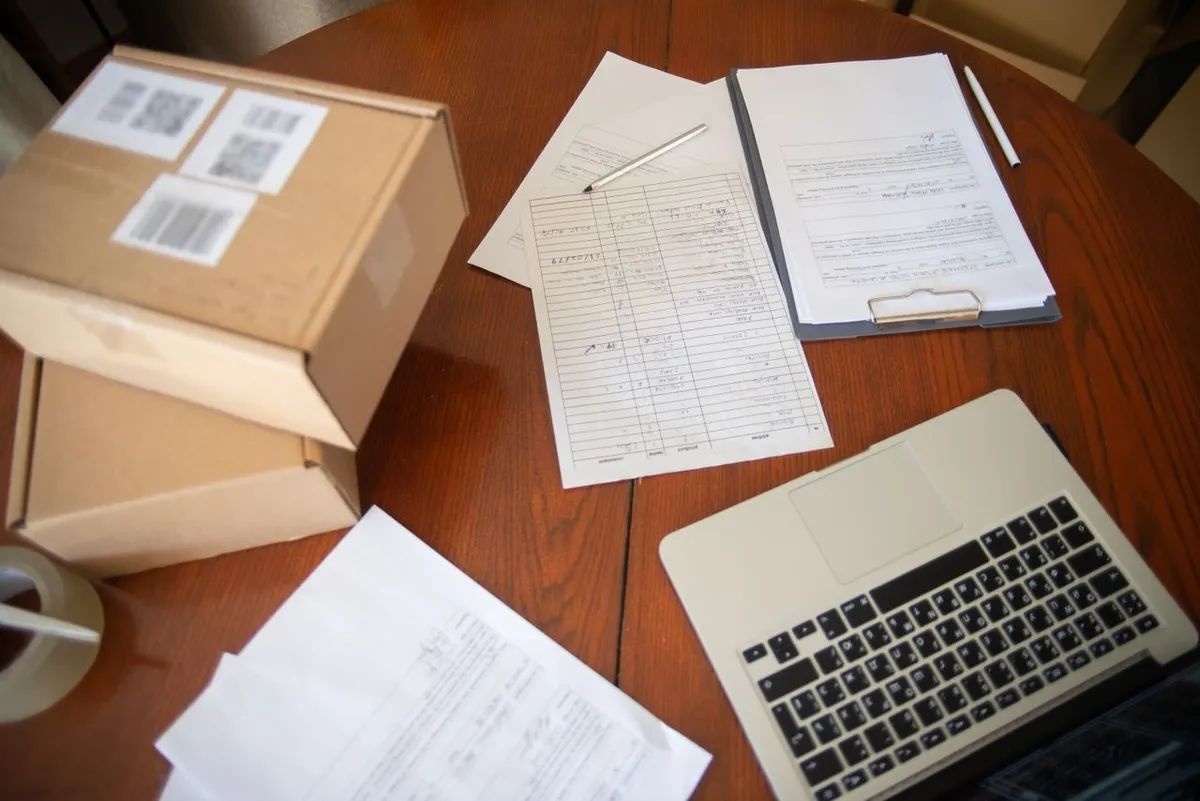
Your customs broker will need a standard set of shipping documents. For food and agricultural products, the usual set is:
- Commercial invoice: value, quantity, description and HS code.
- Packing list: number of bags or cartons, net and gross weight, and marks.
- Bill of lading: issued by the shipping line, and needed to collect the container.
- Certificate of origin: a preferential version can reduce duty where a trade agreement applies.
- Phytosanitary certificate: for plant products such as seeds, spices, pulses and grains.
- Certificate of Analysis: lab results for the lot, such as aflatoxin, pesticides or Salmonella.
- Other certificates where required: fumigation, health certificates, or official certificates for products under extra EU controls.
Check the correct tariff code early, because it sets your duty rate and any special controls. Our HS code finder lists the codes for common agri products.
How Do Shipping, Customs Clearance and Delivery Work?
Most agricultural products from India travel by sea in 20 ft or 40 ft containers. Exporters in Gujarat usually ship from Mundra, Kandla (Deendayal) or Pipavav. Gulf ports are usually reached in under a week. Europe and East Asia usually take three to five weeks port to port, depending on the route and transhipment.
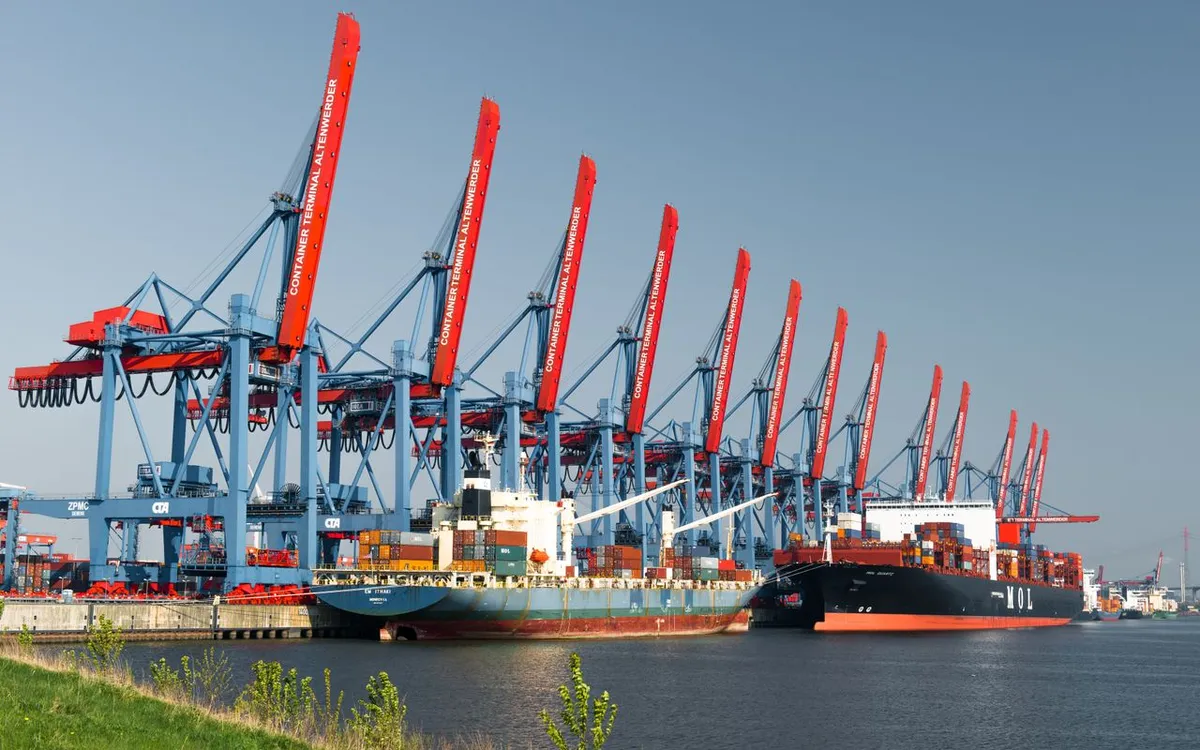
Before arrival, your broker prepares the import declaration and any food authority filings. When the ship arrives, customs may release the goods directly or select them for document checks, physical inspection or sampling. Once duty and tax are paid and the goods are released, you collect the container from the port and return the empty container within the free time. If you only need small quantities, ask about mixed loads; the container load calculator shows how much fits.

Related reading: FOB vs CIF vs CFR: Incoterms Compared for Importers and How to Find Suppliers in India: A 12-Point Exporter Checklist.
How Do You Start Your First Order with an Indian Exporter?
Start with one product and one container, choose a payment term that protects you, and agree the test limits for your market in writing. After a few clean shipments, you can add products or move to easier payment terms.
Elysium Agri Corporation is a registered exporter in Jamnagar, Gujarat, with IEC, GST, APEDA RCMC, Spices Board and FSSAI registrations listed on our certificates page. We export peanuts, sesame, spices, pulses, grains, dehydrated vegetables and animal feed from Mundra, Kandla and Pipavav. We accept advance TT, part advance with balance against documents, CAD and LC at sight. Every lot is tested before loading, and you can appoint SGS or any surveyor to inspect at loading. Typical lead time is two to three weeks from confirmed order to loading, depending on product and season.
If you are importing from India for the first time, tell us the product, grade, quantity and destination port, and we will guide you through each step. Request an import quote →
Frequently asked questions
How do I import goods from India for the first time?
First, register as an importer in your own country and ask a customs broker about product rules. Then find an Indian exporter, verify its registrations, approve a sample and sign a contract naming grade, Incoterm, payment terms and documents. The exporter ships the goods, and your broker clears them through customs so you can collect them.
What documents are required to import from India?
The usual set is a commercial invoice, packing list, bill of lading and certificate of origin. Food and plant products also need a phytosanitary certificate and a Certificate of Analysis for the lot. Some products or markets need fumigation, health or official certificates. Your customs broker will confirm the exact list for your product and country.
Do I need an import licence to buy from Indian exporters?
India does not require a licence from foreign buyers, but your own country may. Most countries need a business registration and a customs number, such as an EORI number in the EU. Food importers often need extra registration with the food authority, such as FDA prior notice in the USA. Check your local rules first.
How do I verify an Indian exporter before paying?
Check the exporter's Import Export Code on the DGFT portal, its GSTIN on the GST portal, and its APEDA, Spices Board or FSSAI registration. Hold a video call, ask to see the goods, and make sure the bank account is in the company's legal name. Confirm any change in bank details by phone before paying.
What Incoterms are commonly used when importing from India?
FOB, CFR and CIF are the most common Incoterms for agricultural goods from India. Under FOB, you arrange freight from the Indian port. Under CFR, the exporter pays freight to your port, and under CIF the exporter also arranges minimum insurance. First-time buyers often choose CIF or CFR for a simple delivered port price.
Related reads


