

On this page
- Why Are Chickpeas a Plant-Protein Staple?
- What Are the Chickpea Nutrition Facts per 100g?
- How Much Protein Do Chickpeas Have, and Which Amino Acids?
- What Fibre, Carbohydrates and Fats Do Chickpeas Provide?
- Which Vitamins and Minerals Are in Chickpeas?
- How Are Chickpeas Used in Plant-Based Products?
- What Does the Research Say?
- How Do You Source Chickpeas from India?
- Frequently asked questions
Chickpea nutrition is built on protein and fibre: 100 g of raw, dried chickpeas provides about 378 kcal, 20.5 g of protein, 12.2 g of dietary fibre and 63 g of carbohydrate, according to USDA FoodData Central. Cooked chickpeas, which absorb water, provide about 164 kcal and 8.9 g of protein per 100 g. Chickpeas are also a good source of folate, iron, magnesium and potassium. This fact sheet sets out the numbers, the protein quality and the main uses in plant-based food.
Key takeaways
- Dried chickpeas contain about 20 g of protein per 100 g. Chana protein is the same for kabuli and desi types within normal variation.
- Chickpea protein is rich in lysine but limited in methionine, so it pairs well with cereals.
- Chickpeas are high in fibre and folate, and low in fat compared with oilseeds.
- Chickpea flour, protein concentrates, hummus and roasted chana are growing plant-based product categories.
Why Are Chickpeas a Plant-Protein Staple?
Chickpeas are a plant-protein staple because they combine good protein content with fibre, low fat, a mild taste and a long shelf life as a dried seed. They are one of the world’s most important pulses, and India is the largest producer. Chickpeas are eaten whole, split (chana dal), ground into flour (besan) and roasted as a snack.
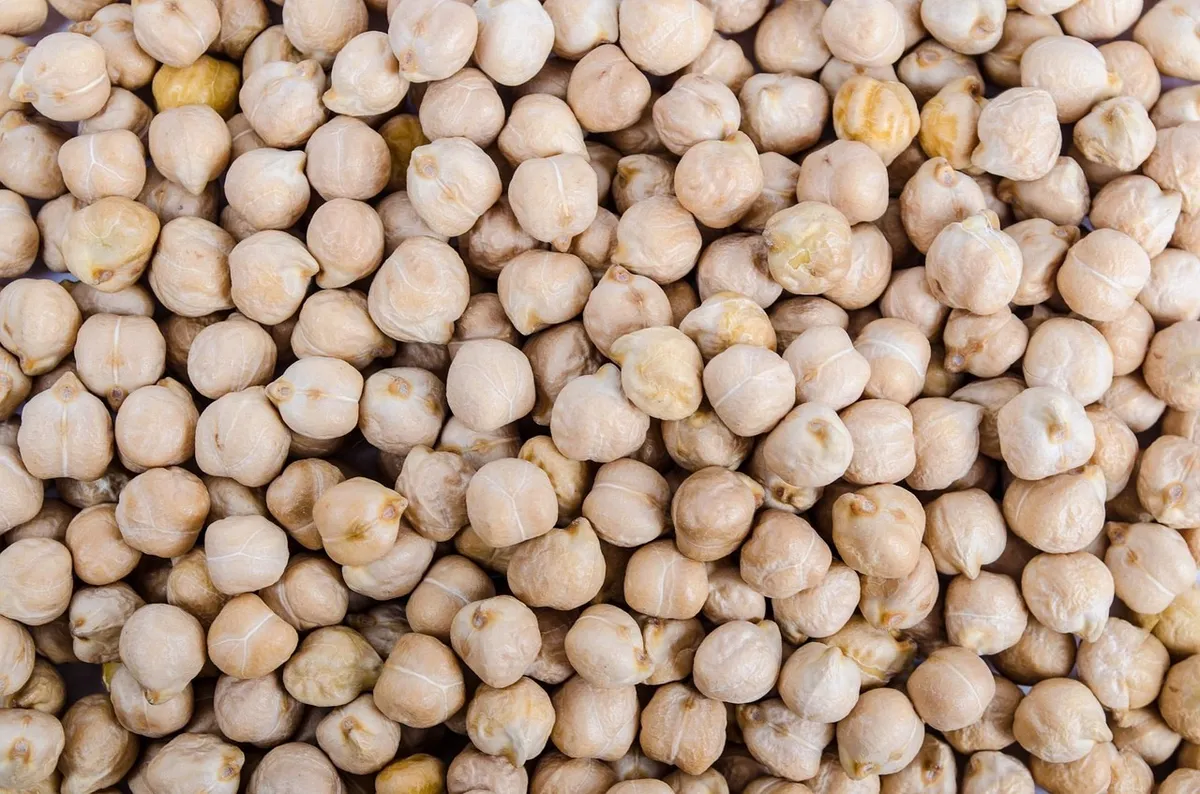
There are two main types. Kabuli chickpeas are large, cream-coloured seeds with a thin coat, used in hummus, salads and canning. Desi chickpeas (Bengal gram, kala chana) are smaller and darker with a thicker coat, and are used mostly for chana dal and besan. Both types have similar protein levels; desi has more fibre in its coat. Our guide to white vs brown chickpeas compares them in detail.
What Are the Chickpea Nutrition Facts per 100g?
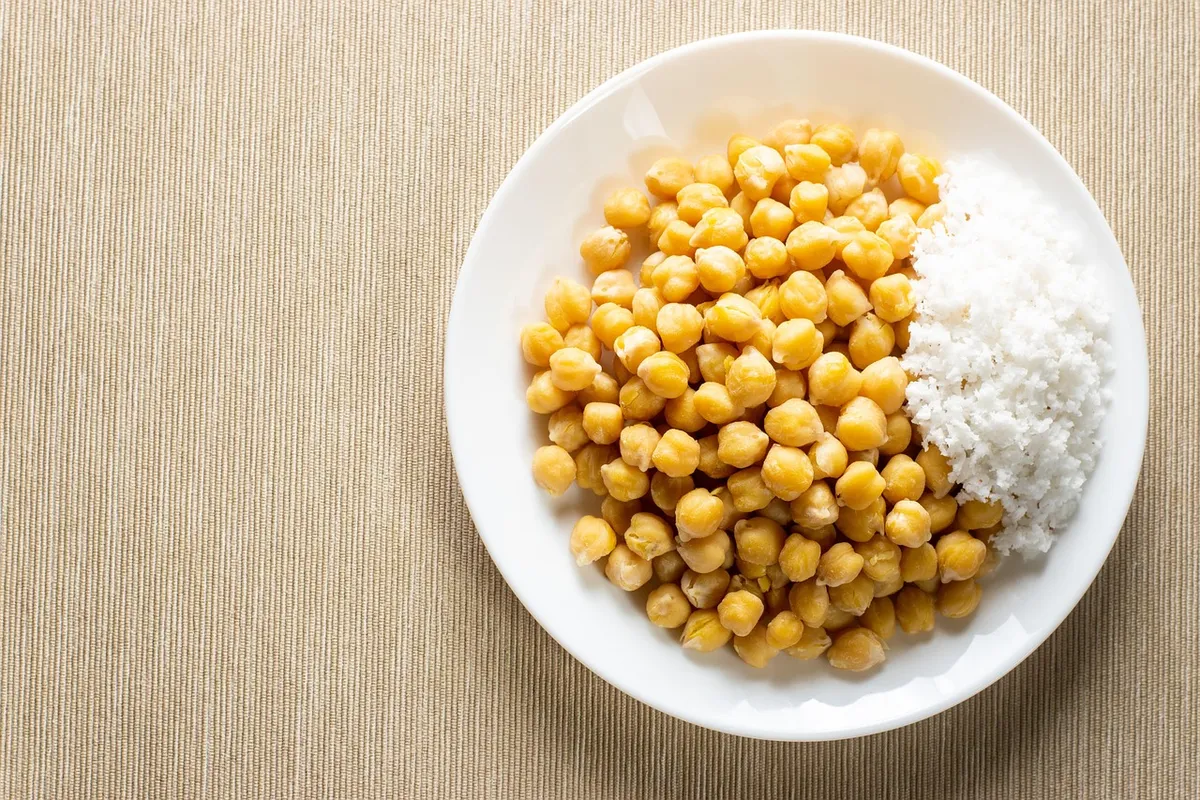
The table shows USDA values for raw (dried) chickpeas and for chickpeas cooked by boiling without salt. Cooked values are lower because the seed absorbs water; the nutrients per seed do not fall by the same amount.
| Nutrient (per 100 g) | Raw, dried | Cooked, boiled |
|---|---|---|
| Energy | 378 kcal | 164 kcal |
| Protein | 20.5 g | 8.9 g |
| Total fat | 6.0 g | 2.6 g |
| Carbohydrate | 63.0 g | 27.4 g |
| Dietary fibre | 12.2 g | 7.6 g |
| Folate | 557 µg | – |
| Iron | 4.3 mg | – |
| Magnesium | 79 mg | – |
| Phosphorus | 252 mg | – |
| Potassium | 718 mg | – |
| Zinc | 2.8 mg | – |
Source: USDA FoodData Central (SR Legacy, chickpeas, mature seeds, raw; and cooked, boiled, without salt).
Values for a given lot vary with variety, growing season and moisture. For product labels, food manufacturers should use their own lab results or the nutrient database required in their market.
How Much Protein Do Chickpeas Have, and Which Amino Acids?
Chickpea protein per 100 g is about 20.5 g for dried seeds and about 8.9 g for cooked chickpeas. Roasted chana, which is dried after roasting, has about 20–22 g of protein per 100 g. This makes chickpeas one of the better plant sources of protein, though raw lentils and mung beans usually contain a little more protein per 100 g.
Are chickpeas a complete protein? Chickpeas contain all nine essential amino acids, but not in ideal proportions. Like most pulses, they are rich in lysine and relatively low in the sulphur amino acids methionine and cysteine. Cereals such as wheat and rice have the opposite pattern. Eating chickpeas with grains, for example hummus with bread or chana with rice, gives a more balanced amino acid profile. Food manufacturers use the same principle when they blend chickpea protein with cereal or other plant proteins.
In everyday portions, a cup of cooked chickpeas (about 164 g) provides about 14.5 g of protein and 12.5 g of fibre, based on the same USDA data. For labelling in the EU, Regulation (EC) No 1924/2006 allows a “source of protein” claim when at least 12% of a food’s energy comes from protein, and a “high protein” claim at 20%. In dried chickpeas, protein supplies a little over 20% of the energy, but the claim must be checked against the finished product, because other ingredients change the balance.
What Fibre, Carbohydrates and Fats Do Chickpeas Provide?
Most of the energy in chickpeas comes from carbohydrate, mainly starch, with a large share of fibre. Dried chickpeas contain about 12 g of fibre per 100 g, both soluble and insoluble. Part of the starch is slowly digested, and together with the fibre and protein this gives chickpeas a moderate effect on blood sugar compared with refined starchy foods.
Chickpeas contain about 6 g of fat per 100 g, more than most other pulses but far less than oilseeds such as peanuts or sesame. The fat is mostly unsaturated. Chickpeas also contain oligosaccharides, a type of fermentable carbohydrate that can cause wind in some people. Soaking, discarding the soaking water and thorough cooking can reduce this effect.
Which Vitamins and Minerals Are in Chickpeas?
Chickpeas are an especially good source of folate, with about 557 µg per 100 g of dried seed. They also provide useful amounts of iron, magnesium, phosphorus, potassium, zinc, manganese and copper, and B vitamins such as thiamin and vitamin B6.
Like other pulses, chickpeas contain phytic acid, which can reduce the absorption of iron and zinc. Soaking, sprouting, fermenting and cooking lower phytate levels. Eating chickpeas with a source of vitamin C, such as tomatoes or lemon juice, can also help the body absorb plant iron. Sprouted chickpeas and fermented chickpea batters, common in Indian cooking, are traditional ways of improving both digestibility and mineral availability, and food developers are now using the same steps in new products.
How Are Chickpeas Used in Plant-Based Products?
Chickpeas are used in plant-based products as whole seeds, flour and protein ingredients. Their mild taste and light colour make them easy to formulate with.
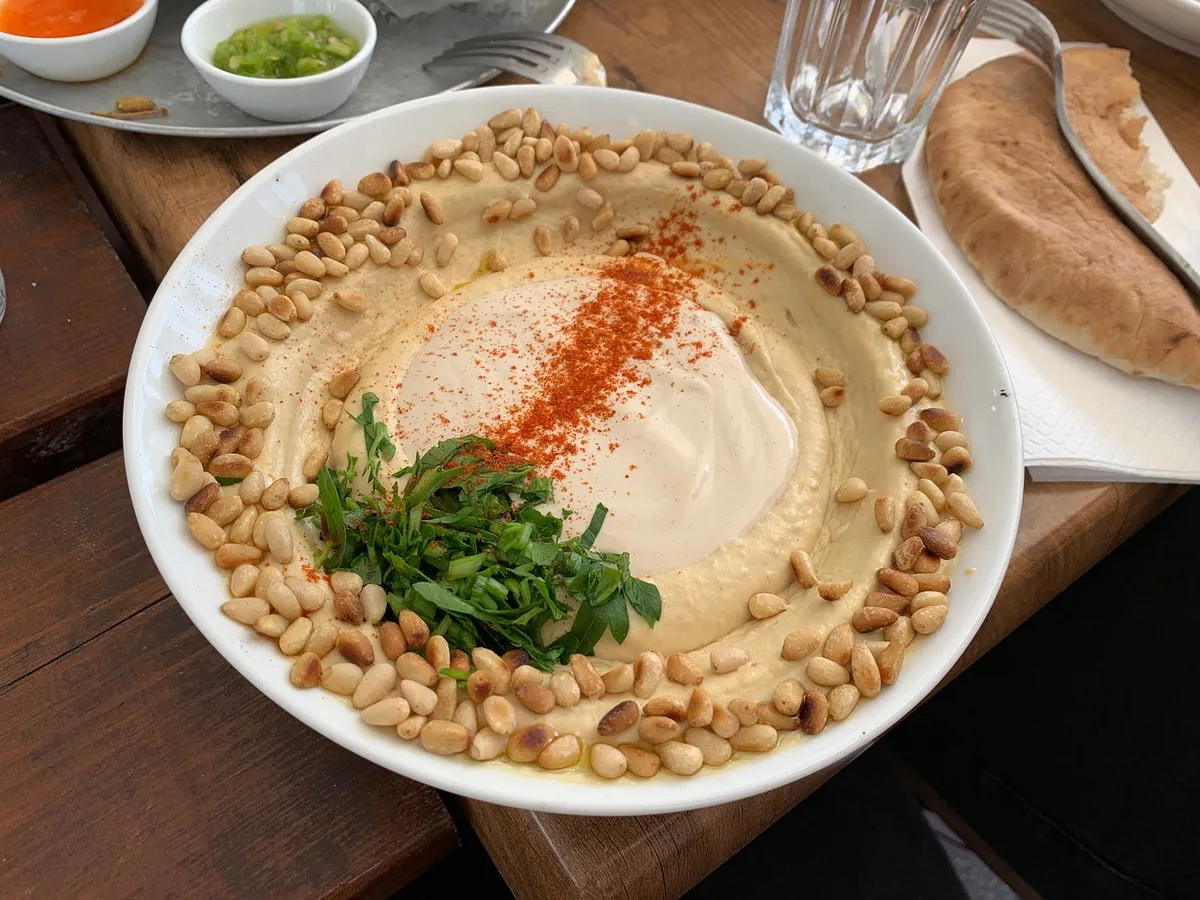
- Hummus and dips: the largest use of kabuli chickpeas in many Western and Middle Eastern markets.
- Canned and ready meals: whole cooked chickpeas in curries, soups and salads.
- Chickpea flour (besan): used in batters, flatbreads, gluten-free baking and snacks.
- Protein concentrates and isolates: used in meat alternatives, plant-based dairy and protein drinks.
- Aquafaba: the cooking liquid of chickpeas, used as an egg-white replacer.
- Roasted chana and snacks: high-protein snacks, sattu flour and snack mixes.
For protein ingredients, chickpeas are milled into flour and then separated into protein-rich and starch-rich fractions, either by air classification (a dry process) or by wet extraction. The protein fraction is used in alternatives to meat and dairy, while the starch and fibre fractions find uses in bakery, snacks and noodles. Kabuli chickpeas are often preferred where a light colour and mild taste matter.
What Does the Research Say?
Research on chickpeas mostly studies them as part of a pulse-rich diet. A 2016 review in Nutrients on chickpeas and hummus found that people who eat chickpeas or hummus had higher intakes of fibre, folate, magnesium, potassium and iron, and better diet quality scores. The review suggests chickpeas may play a beneficial role in weight management and in glucose and insulin regulation, with a positive effect on some markers of cardiovascular health.
Health authorities in many countries recommend pulses as part of a balanced diet, as a source of protein and fibre that can replace some animal protein. The evidence supports chickpeas as a nutritious food, not as a treatment for any condition.
This article is for general information and is not medical or dietary advice.
Related reading: Desi Chana in English: Names, Types and Forms Explained.
How Do You Source Chickpeas from India?
If chickpea nutrition is part of your product story, consistent raw material helps. Specify the type, size, purity, moisture and residue limits in your contract, and ask for a Certificate of Analysis for every lot. New-crop chickpeas arrive in India from March to May; see our crop calendar.
Elysium Agri Corporation exports kabuli chickpeas in sizes from 7–8 mm to 12 mm and above, as well as desi chickpeas and roasted chana. Our kabuli is machine-cleaned, size-graded and sortexed to 99%+ purity, and every lot is tested for moisture, admixture, pesticide residues and heavy metals; see our lab testing page. A 20 ft container holds about 24–25 MT. Share your type, size, quantity and port, and we will send a price and specification. Request a chickpea quote →
Frequently asked questions
How much protein is in 100g of chickpeas?
According to USDA FoodData Central, 100 g of raw, dried chickpeas contains about 20.5 g of protein. Cooked chickpeas contain about 8.9 g per 100 g, because the seeds absorb water during cooking. Roasted chana, which is dry, contains about 20 to 22 g of protein per 100 g, depending on the product.
Are chickpeas a complete protein?
Chickpeas contain all nine essential amino acids, but not in ideal proportions. They are rich in lysine and relatively low in the sulphur amino acids methionine and cysteine. Eating them with cereals such as wheat or rice, which have the opposite pattern, gives a more balanced amino acid profile across the meal.
How many calories are in cooked chickpeas?
Chickpeas cooked by boiling without salt contain about 164 kcal per 100 g, according to USDA data. The same weight of raw, dried chickpeas contains about 378 kcal. The difference comes from the water the seeds absorb during soaking and cooking, which adds weight but no energy.
How does chickpea protein compare with other pulses?
Dried chickpeas contain about 20 g of protein per 100 g, which is a little less than raw lentils or mung beans. Chickpeas contain more fat than most pulses, at about 6 g per 100 g. Like other pulses, chickpea protein is rich in lysine and works well alongside cereal proteins.
What fibre and minerals do chickpeas provide?
Dried chickpeas provide about 12 g of dietary fibre per 100 g, both soluble and insoluble. They are an excellent source of folate, at about 557 micrograms per 100 g, and provide iron, magnesium, phosphorus, potassium, zinc, manganese and copper. Soaking and cooking help reduce phytate, which can limit mineral absorption.
Related reads


