
On this page
- What Is Desi Chana Called in English?
- Chana, Bengal Gram and Chickpea: How Do the Names Compare?
- What Is the Difference Between Desi and Kabuli Chickpeas?
- Which Forms of Desi Chana Are Traded: Whole, Split and Flour?
- What Is Desi Chana Called in Indian Languages and in Trade?
- How Is Desi Chana Used in Food and Manufacturing?
- How Do You Source Desi Chickpeas from India?
- Frequently asked questions
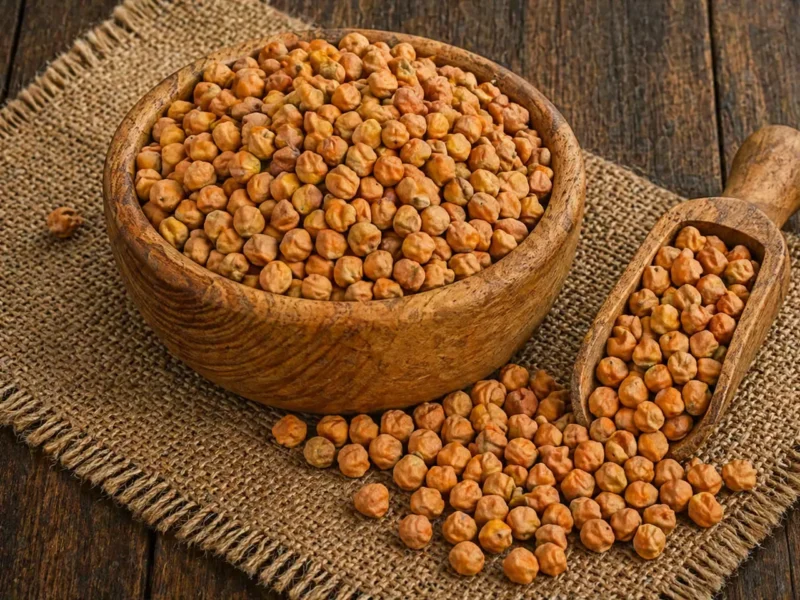
Desi chana in English is the desi chickpea, also called Bengal gram or brown chickpea. It is the small, dark, rough-coated type of chickpea (Cicer arietinum) that makes up most of India’s crop. The word “chana” alone simply means chickpea, so traders add “desi” or “kabuli” to say which type they mean. This glossary explains the names, the forms and the trade terms you will meet when you buy desi chana from India.
Key takeaways
- Desi chana is called desi chickpea, Bengal gram, brown chickpea or black chickpea (kala chana) in English.
- Desi and kabuli chana are the same species, but they differ in size, colour, coat, use and HS code.
- Whole desi chana, chana dal and besan (gram flour) are three different trade products with different buyers.
- India grows most of the world’s chickpeas, and desi types make up most of the Indian crop.
What Is Desi Chana Called in English?
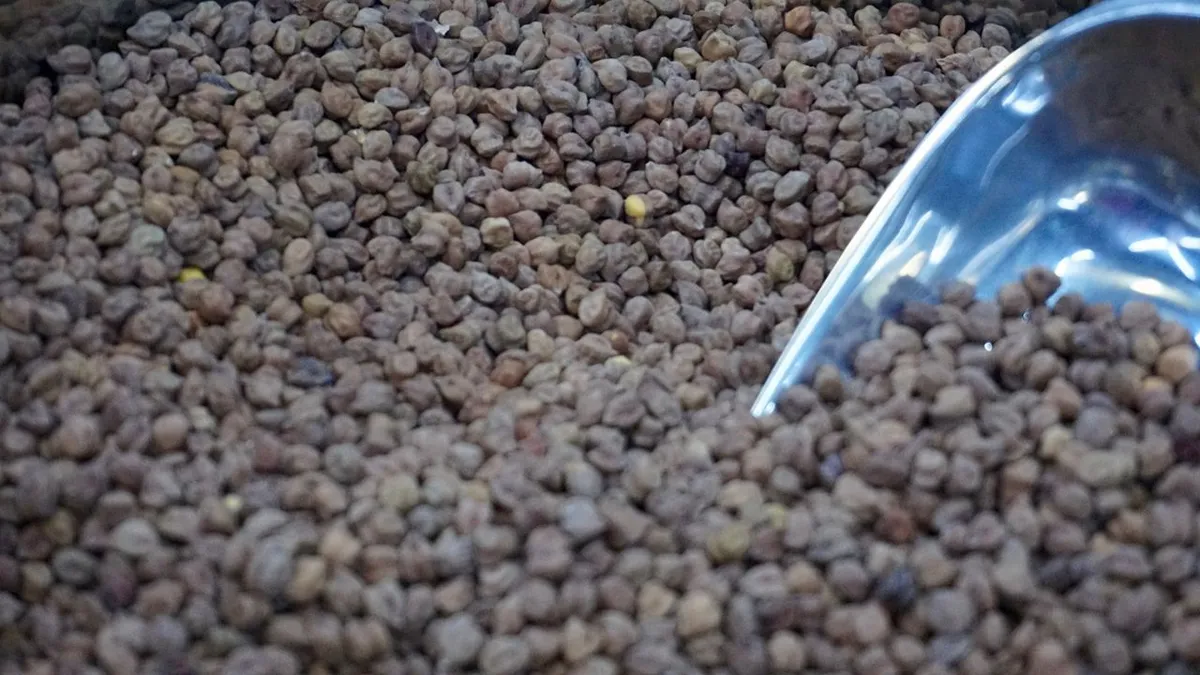
Desi chana is called the desi chickpea in English. In Indian English and in trade documents it is also called Bengal gram. Shops and recipes often say brown chickpeas, and the darkest lots are sold as black chickpeas or kala chana. All of these names describe the same seed: a small, angular chickpea with a thick brown to black coat and a yellow kernel inside.
The word “desi” means “local” or “native” in Hindi. It separates the traditional Indian type from the larger, cream-coloured kabuli type. The scientific name for both types is Cicer arietinum L. So, when an Indian supplier writes “desi chana”, “Bengal gram” or “gram” on a quote, you can read it as “desi chickpeas”. On our desi chickpeas page we use all three names because buyers search for them in different ways.
Chana, Bengal Gram and Chickpea: How Do the Names Compare?
Chana is the Hindi word for chickpea. Bengal gram is an older English trade name for the desi type. Chickpea is the international name for the whole species. The table below shows how the common names line up, so you can match a supplier’s quote with your own product list.
| Name you may see | What it means in English | Where it is used |
|---|---|---|
| Chana | Chickpea (any type) | Hindi, Gujarati and Indian retail |
| Desi chana | Desi chickpea, brown chickpea | Indian trade and export quotes |
| Kala chana | Black chickpea (dark desi type) | Retail packs, recipes |
| Bengal gram | Desi chickpea | Indian government data, HS code descriptions |
| Gram | Chickpea | Indian crop statistics and mandi prices |
| Kabuli chana | Kabuli chickpea, white chickpea, garbanzo bean | Global trade, canning, hummus |
| Chana dal | Split, dehusked desi chickpea | Dal mills, Indian grocery |
| Besan | Gram flour, chickpea flour | Snack, batter and sweet makers |
In India’s export tariff, Bengal gram (desi chana) has its own code, 0713 20 20, while kabuli chana is 0713 20 10. Using the right name on your purchase order helps you get the right HS code on the invoice.
What Is the Difference Between Desi and Kabuli Chickpeas?
Desi and kabuli chickpeas are the same species, but desi seeds are small, brown and rough, while kabuli seeds are large, cream-coloured and smooth. They also go to different end uses. Desi chana is mainly split into dal or milled into besan. Kabuli chana is mainly cooked whole, canned or made into hummus.
| Point | Desi chana | Kabuli chana |
|---|---|---|
| Seed size | Small, about 5–8 mm | Large, about 7–14 mm |
| Colour and coat | Brown to black; thick, rough coat | Cream; thin, smooth coat |
| Share of India’s crop | Most of the crop | Smaller share |
| Main uses | Chana dal, besan, roasted chana, whole curries | Hummus, canning, salads, retail |
| HS code (India) | 0713 20 20 | 0713 20 10 |
| Price | Lower | Higher, and rises with seed size |
India dominates world chickpea supply. The ICAR-Indian Institute of Pulses Research puts India’s share of global chickpea production at about 73% in 2020, and chickpea alone makes up close to half of India’s pulse output. Most of that crop is desi. For a closer look at colour types, read our guide to white vs brown chickpeas, and see the kabuli chickpeas page for the larger white type.
Which Forms of Desi Chana Are Traded: Whole, Split and Flour?
Desi chana is traded in three main forms: whole seed, split dal and flour. Each form has its own name, its own buyers and its own quality points. The whole seed is the raw material for the other two, so most exporters ship whole desi chana and let the buyer’s mill split or grind it.
| Form | English name | How it is made | Main buyers |
|---|---|---|---|
| Whole desi chana | Desi chickpeas, Bengal gram | Cleaned and graded whole seed | Dal millers, besan makers, roasters, importers |
| Chana dal | Split Bengal gram | Seed is dehusked and split into two halves | Grocery packers, restaurants, food service |
| Besan | Gram flour, chickpea flour | Chana dal is ground into fine flour | Snack makers, sweet makers, batter producers |
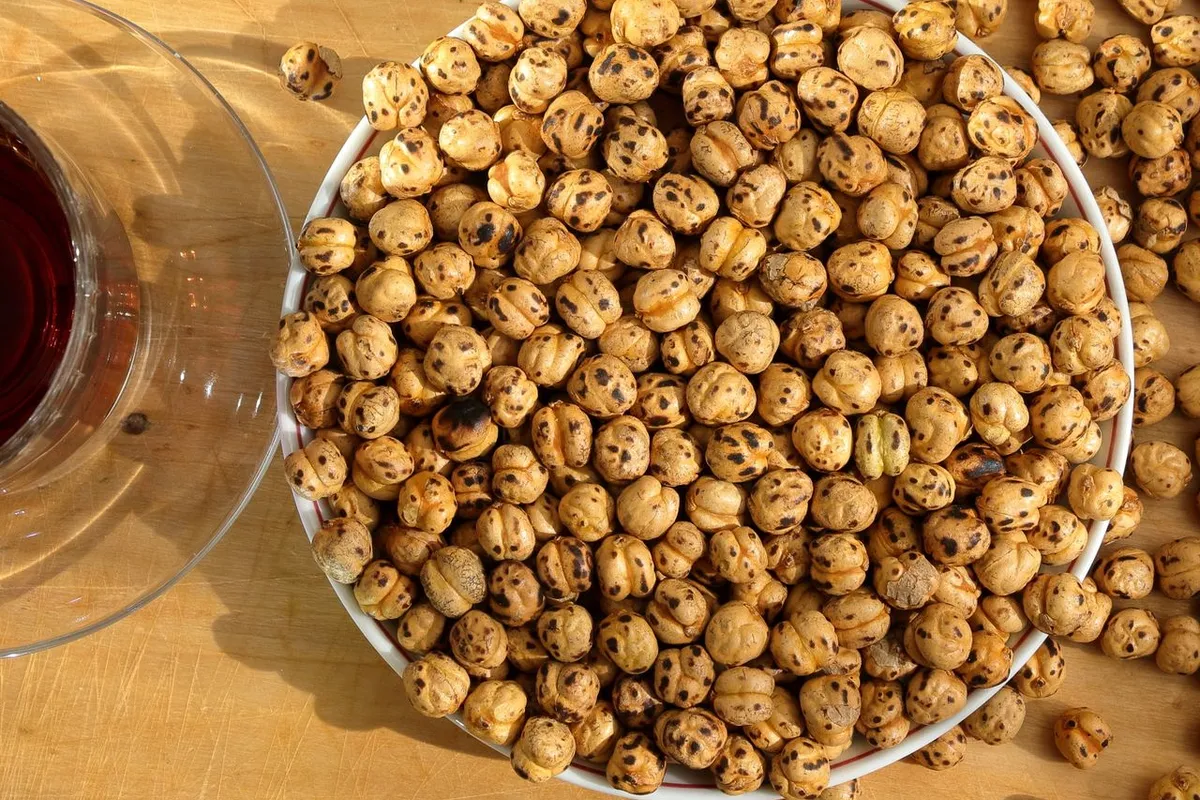
| Roasted chana | Roasted chickpeas | Whole seed or dal is roasted, with or without skin | Snack brands, retail packers |
| Kala chana | Black chickpeas | Darker desi lots sorted for colour | Retail, ethnic grocery |
For whole seed, buyers usually specify size (5–7 or 6–8 mm), purity, moisture and the level of damaged or broken grains. Our standard export specification for whole desi chana is 98–99% purity, moisture of 12% maximum and foreign matter of 0.5% maximum, benchmarked to Codex CXS 171-1989 and the FSSAI pulses standard. If you sell roasted products, our roasted chickpeas range is made from the same raw material.
What Is Desi Chana Called in Indian Languages and in Trade?
Desi chana has a different name in almost every Indian language. If you buy through Indian agents or read mandi reports, these names help you follow the market. The most common ones are listed below.
- Hindi and Gujarati: chana (desi chana, kala chana)
- Punjabi: chhole or chana
- Marathi: harbhara
- Bengali: chhola
- Tamil: kadalai (karuppu kadalai for the black type)
- Telugu: senagalu
- Kannada: kadale
- Malayalam: kadala
In trade, Indian crop statistics and mandi prices simply say “gram”. Export contracts and customs papers often use “Bengal gram” or “desi chickpeas”. Outside India, buyers may call the same product “brown chickpeas” or “desi type chickpeas”. If you are unsure, ask your supplier to quote the botanical name, the seed size and the HS code. That removes any doubt between desi and kabuli lots.
How Is Desi Chana Used in Food and Manufacturing?
Most desi chana is processed before it reaches the consumer. Dal mills, flour mills and snack factories are the largest users. Households also cook the whole seed in curries and sprout it for salads.
- Dal milling: the seed is dehusked and split to make chana dal, one of the most common dals in South Asian cooking.
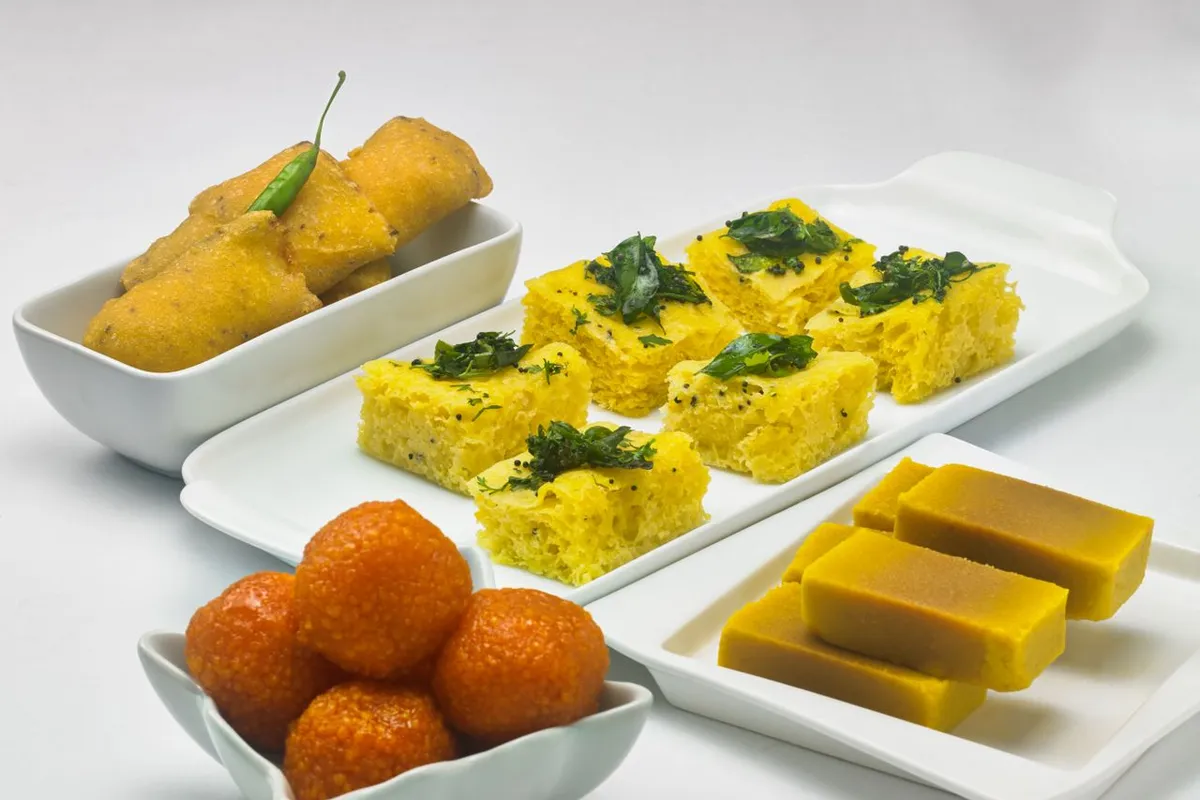
- Besan (gram flour): chana dal is ground into flour for batters, fried snacks, noodles (sev) and sweets such as besan laddoo.
- Roasting: roasted chana, with or without skin, is sold as a high-protein snack.
- Whole curries: kala chana and chana masala use the whole seed after soaking.
- Snack manufacturing: fried and spiced chana and gram-flour snacks are large export categories.
- Sprouting: sprouted chana is used in salads and health foods.
Because so much desi chana is milled, buyers look closely at seed uniformity, moisture and the share of damaged grains. These points affect dal yield and flour colour. Chickpeas are also valued for their protein and fibre; see our article on chickpea protein and nutrition for the figures.
Related reading: Kabuli Chana Size Guide: Chickpea Sizes from 7 mm to 14 mm and Toor Dal vs Chana Dal: Pigeon Peas vs Chickpeas Compared.
How Do You Source Desi Chickpeas from India?
Now that you know what desi chana is called in English, the next step is to buy it on a clear specification. Name the type (desi, brown or black), the size, the cleaning method (machine-cleaned or sortex) and the packing on your enquiry. India’s desi chana is a rabi crop. It is sown in October and November and harvested from February to April, so fresh-crop arrivals peak from March to May. Our crop calendar shows these windows.
Elysium Agri Corporation exports machine-cleaned and sortex-cleaned whole desi chana from Jamnagar, Gujarat. We pack in 25 kg or 50 kg PP bags, jute bags or 1 MT jumbo bags, and a 20 ft container holds about 24–25 MT. Each lot is tested for moisture, admixture, pesticide residues, lead and cadmium, and ships with a phytosanitary certificate, a certificate of origin and a certificate of analysis. Our lab testing page lists the full test panel, and our general guide to importing chickpeas and pulses from India covers documents and payment terms.
Tell us your size, quantity and destination port, and we will send an FOB, CFR or CIF price with the specification sheet. Request a desi chickpea quote →
Frequently asked questions
What is desi chana called in English?
Desi chana is called the desi chickpea in English. It is also known as Bengal gram, brown chickpea or, for the darkest lots, black chickpea (kala chana). All these names describe the small, angular chickpea with a thick brown coat that makes up most of India's chickpea crop. Its botanical name is Cicer arietinum L.
What is chana in English?
Chana is the Hindi word for chickpea. On its own it can mean any chickpea, so traders add a word to be clear. Desi chana means the small brown chickpea, also called Bengal gram. Kabuli chana means the large cream chickpea, also called the garbanzo bean. Chana dal is the split, dehusked desi chickpea.
What is Bengal gram in English?
Bengal gram is itself an English name. It is the older Indian trade name for the desi chickpea, the small brown type of Cicer arietinum. Indian crop statistics, mandi reports and the export tariff use it widely. India's HS code 0713 20 20 covers Bengal gram, while kabuli chickpeas fall under 0713 20 10.
Is desi chana the same as chickpea?
Yes. Desi chana is one type of chickpea. Chickpea (Cicer arietinum) has two main market types: desi and kabuli. Desi chana is small, brown and rough-coated, and is mainly milled into chana dal and besan. Kabuli chana is large, cream and smooth, and is mainly used whole for hummus, canning and salads.
What is the difference between desi chana and kabuli chana?
Desi chana is small (about 5 to 8 mm), brown to black, with a thick rough coat, and costs less. Kabuli chana is larger (about 7 to 14 mm), cream-coloured, with a thin smooth coat, and costs more. Desi goes mostly to dal mills, besan makers and roasters, while kabuli goes to hummus makers, canners and retail packers.
Related reads


