

On this page
- Pigeon Peas vs Chickpeas: What Is the Difference?
- What Are Pigeon Peas (Toor)?
- What Are Chickpeas (Chana)?
- Toor Dal vs Chana Dal: How Do They Compare?
- How Do Cooking and Processing Differ?
- Which Trade Forms and Specifications Are Typical?
- Which Is More Commonly Traded?
- How Do You Buy Pigeon Peas and Chickpeas in Bulk?
- Frequently asked questions
Toor dal and chana dal come from two different plants. Toor dal is the split, dehusked seed of the pigeon pea (Cajanus cajan), while chana dal is the split, dehusked seed of the desi chickpea (Cicer arietinum). In the toor dal vs chana dal comparison, toor dal cooks faster and turns soft and creamy, while chana dal stays firmer and has a nuttier taste. This guide compares them as crops, foods and traded goods.
Key takeaways
- Pigeon peas (tur, toor, arhar) and chickpeas (chana, gram) are different species. They are not interchangeable in recipes or contracts.
- Toor dal is softer and cooks faster. Chana dal is firmer, needs soaking and is also milled into besan (gram flour).
- Chickpeas are traded in far larger volumes. India exported about 3.9 lakh tonnes of chickpeas in 2025, against roughly 35,000 tonnes of pigeon peas in 2024.
- Both ship under HS heading 0713 and load about 24 MT in a 20 ft container, so a mixed pulse programme is simple to plan.
Pigeon Peas vs Chickpeas: What Is the Difference?
Pigeon peas and chickpeas are both dried pulses, but they belong to different plant species. Pigeon pea is a tall, woody shrub grown mainly in the monsoon (kharif) season. Chickpea is a short, bushy plant grown in the dry winter (rabi) season. Whole pigeon peas are small and round; chickpeas are larger, either brown (desi) or cream (kabuli).
In Indian kitchens the names change once the seed is split. Split, dehusked pigeon peas become toor dal (also called tur dal or arhar dal). Split, dehusked desi chickpeas become chana dal. Both dals are yellow, so new buyers sometimes confuse them. If you are building a range of Indian dals, our guide to the types of dal explains how each one is named and used.
What Are Pigeon Peas (Toor)?
Pigeon peas are the seeds of Cajanus cajan, known in India as tur, toor or arhar. The crop is sown with the monsoon and grows for about 180 days. It is harvested from December to February, and new-crop arrivals reach the markets from January to March. Maharashtra and Karnataka grow about two-thirds of India’s tur, and Gulbarga tur dal from Karnataka carries a Geographical Indication (GI) tag.
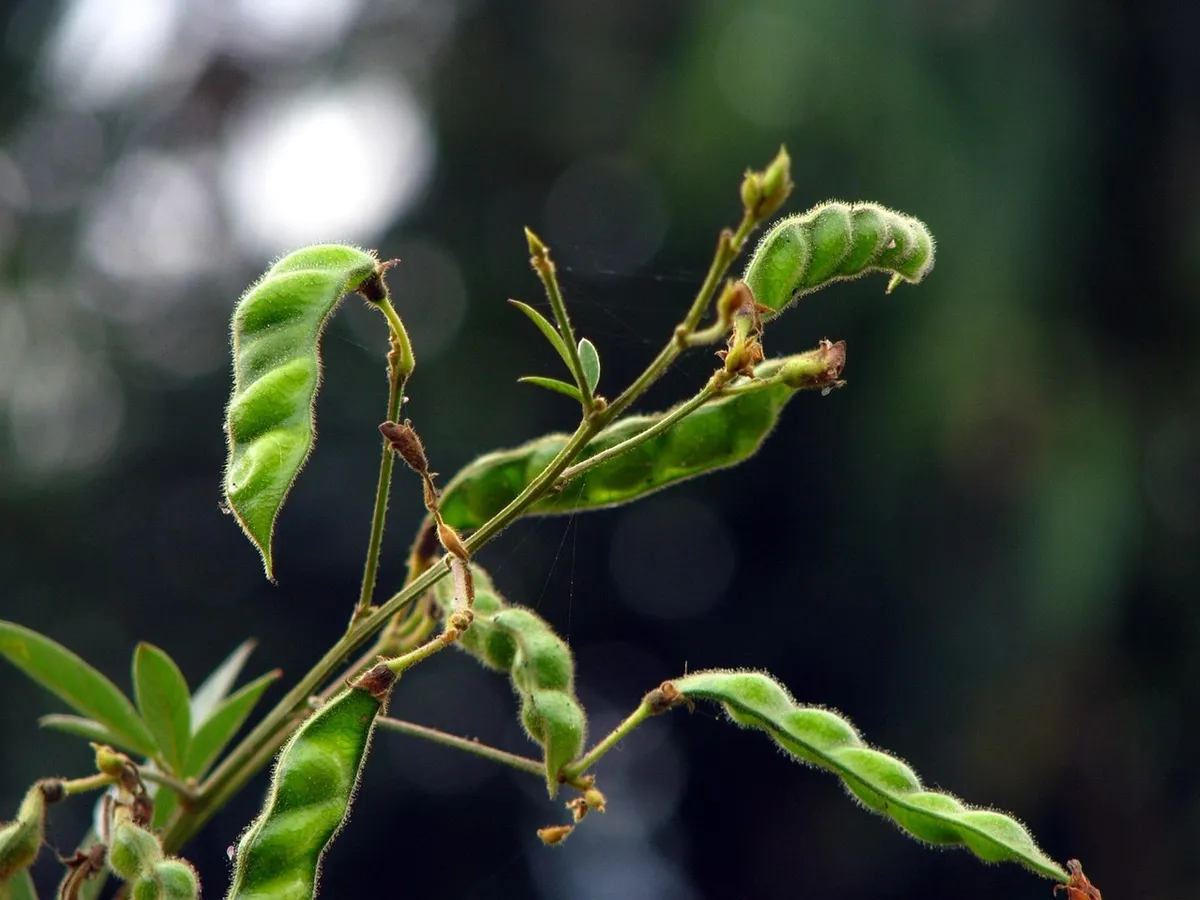
Most pigeon peas are eaten as toor dal. It is the base of sambar in South India and of everyday dal across the country. Whole pigeon peas are also used in Caribbean and African cooking. India is the largest consumer of pigeon peas and also imports tur from Mozambique, Tanzania, Malawi and Myanmar to meet home demand. This is why toor dal exports from India are relatively small and go mainly to Indian communities in the USA, UAE, Canada, Nepal and the UK.
Toor dal is sold by finish as well as by grade. Unpolished dal is milled and sortexed with no coating. Water-polished dal is brighter. Oily toor dal is coated with a little edible oil to protect it from insects, and it is a well-known product in US and UK diaspora stores. You can see each option on our pigeon peas and toor dal page.
What Are Chickpeas (Chana)?
Chickpeas are the seeds of Cicer arietinum, known in India as chana or gram. They are a rabi crop, sown in October and November and harvested from February to April. India is the world’s largest chickpea grower, with about 11.8 million tonnes of gram in 2025-26. The main growing states are Madhya Pradesh, Rajasthan, Maharashtra and Gujarat.
There are two main types. Desi chickpeas are small (5–8 mm), brown and rough-coated, and they make up most of India’s crop. They are split into chana dal, ground into besan (gram flour) and roasted into roasted chana. Kabuli chickpeas are larger (7–14 mm), cream-coloured and smooth. They are used whole for hummus, canning, salads and retail packs. Chana dal is made only from desi chickpeas, so a buyer comparing toor dal vs chana dal is really comparing pigeon peas with desi chana.
Toor Dal vs Chana Dal: How Do They Compare?
Toor dal is softer, quicker to cook and lower in fat. Chana dal is firmer, takes longer to cook and has a slightly higher fat content. Protein is similar in the two. The table below sets out the main differences for buyers and product developers. Nutrition values are for the raw, mature whole seed from USDA FoodData Central (pigeon peas, FDC 172436; chickpeas, FDC 173756).
| Point | Toor dal (pigeon peas) | Chana dal (desi chickpeas) |
|---|---|---|
| Botanical name | Cajanus cajan | Cicer arietinum (desi type) |
| Other names | Tur, toor, arhar, red gram | Chana, Bengal gram, gram |
| Indian crop season | Kharif; harvested Dec–Feb | Rabi; harvested Feb–Apr |
| Look of the dal | Bright yellow, thin, flat halves | Golden yellow, thicker, rounder halves |
| Texture after cooking | Soft and creamy; breaks down easily | Firm; holds its shape |
| Taste | Mild, slightly earthy | Nutty, slightly sweet |
| Protein (raw, per 100 g) | 21.7 g | 20.5 g |
| Fat (raw, per 100 g) | 1.5 g | 6.0 g |
| Dietary fibre (raw, per 100 g) | 15.0 g | 12.2 g |
| Energy (raw, per 100 g) | 343 kcal | 378 kcal |
| Main uses | Sambar, everyday dal, canned dal | Dal, besan, roasted chana, snacks |
| India HS code | 0713 60 00 | 0713 20 20 |
The USDA figures describe the whole, raw seed; dehusked dal is a little lower in fibre. For a fuller look at chickpea protein, see our article on chickpea protein and nutrition.
How Do Cooking and Processing Differ?
Toor dal cooks faster than chana dal. It is usually rinsed and cooked without soaking, and it softens into a smooth, thick dal. Chana dal is denser. Most cooks soak it before cooking, and it still needs more time to become tender. Chana dal keeps its shape, so it also suits dry dishes and sweets.
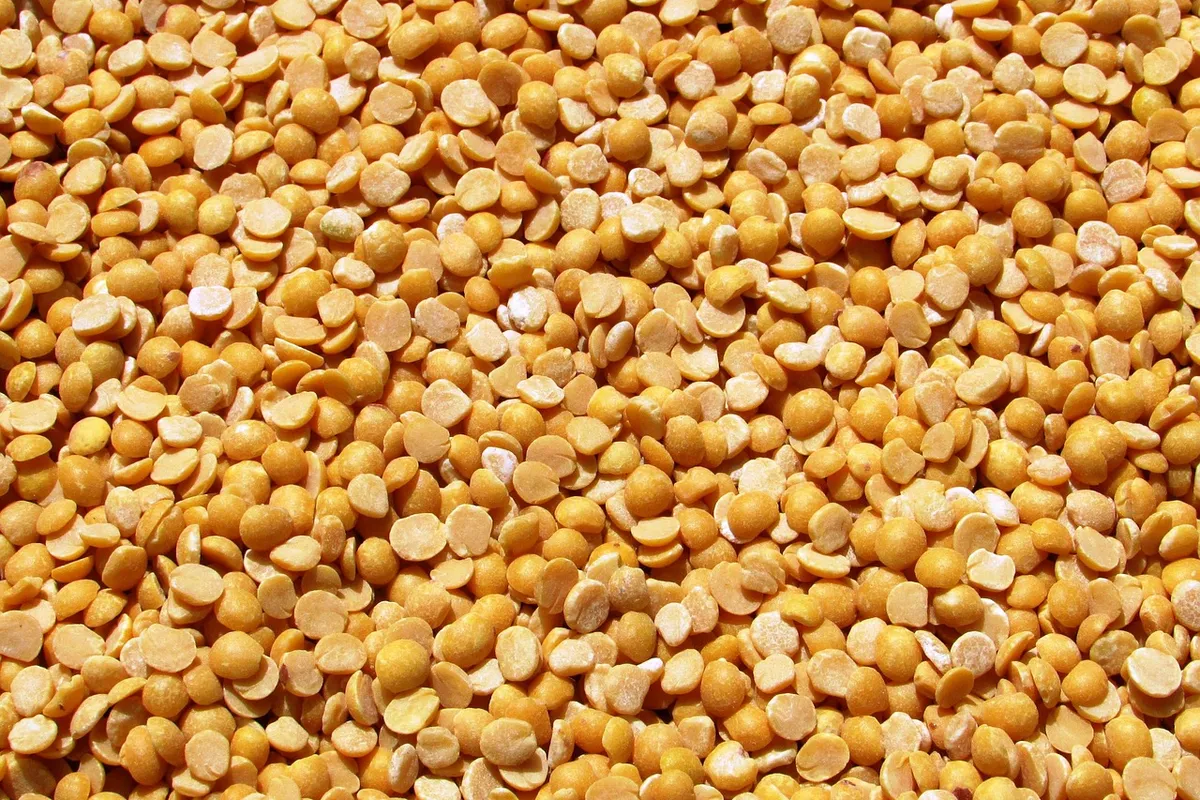
The milling routes are also different. Pigeon peas have a tight seed coat. Dal mills often pre-treat the seed with oil and water before dehusking, and then split, grade and sortex the dal. The finish (unpolished, water-polished or oily) is added at the end. Desi chickpeas are dehusked and split into chana dal in the same kind of mill. However, chana also has two major processing routes that toor does not: grinding into besan, and roasting into roasted chana with skin, without skin or split.
Which Trade Forms and Specifications Are Typical?
Both pulses are traded whole and split, cleaned to 98–99% purity, with moisture capped at 12%. Export lots are sortexed and lab tested for moisture, admixture, pesticide residues and heavy metals. Indian pulses are not under increased EU border checks, but every lot shipped to the EU must still meet the EU limits for lead (0.20 mg/kg) and cadmium (0.040 mg/kg) in pulses.
- Whole tur: for dal millers and canners. Typical specification: purity 98–99%, moisture 12% max, foreign matter 0.5% max, damaged or discoloured 2% max.
- Toor dal: the same limits, plus broken pieces 3% max. Specify the finish: unpolished, water-polished or oily.
- Whole desi chana: sold by size (5–7 mm or 6–8 mm), machine-cleaned or sortexed. Broken and immature seeds are usually capped at 2% each.
Packing is similar for both: 25 kg or 50 kg PP bags, jute bags on request, or 1 MT jumbo bags. A 20 ft container holds about 24 MT of toor and about 24–25 MT of desi chana. A 40 ft high cube holds about 26–28 MT. Our container load calculator helps you plan bag counts and net weight for each pulse.
Which Is More Commonly Traded?
Chickpeas are traded in much larger volumes than pigeon peas. According to World Bank WITS (UN Comtrade) data, India exported about 3.9 lakh tonnes of chickpeas worth US$ 382 million in 2025, mainly to the UAE, Algeria, Iran, Bangladesh and China. India’s pigeon pea exports in 2024 were only about 35,000 tonnes. India is a net importer of tur, and much of the world’s pigeon pea trade flows into India from East Africa and Myanmar.
For an importer, this means two different market types. Chickpeas are a global commodity with buyers in the Middle East, North Africa, Europe and Asia. Toor dal is a more specialised product, bought mainly by ethnic-grocery distributors and food service companies that serve South Asian and Caribbean communities.
Related reading: Kabuli Chana Size Guide: Chickpea Sizes from 7 mm to 14 mm and How Roasted Chana Is Made: Sand Roasting, Dehulling and Splitting.
How Do You Buy Pigeon Peas and Chickpeas in Bulk?
Start with your end use, then write a clear specification. When you compare toor dal vs chana dal for a new range, decide first whether your customers want a soft everyday dal (toor) or a firmer dal, flour or snack base (chana). Then name the form, grade, finish, moisture limit, packing and destination residue limits. Ask for a pre-shipment sample and a lot-wise lab report before you confirm.
Elysium Agri Corporation exports whole tur and toor dal (unpolished, water-polished and oily), whole desi chickpeas for dal millers and besan makers, kabuli chickpeas in every export size, and roasted chana. We are based in Jamnagar, Gujarat. Every lot is cleaned, sortexed and tested for moisture, admixture, pesticides, lead and cadmium before loading.
Tell us the product, grade, quantity and destination port, and we will send a current price and a specification sheet. Request a pigeon peas or chickpeas quote →
Frequently asked questions
What is the difference between toor dal and chana dal?
Toor dal is split, dehusked pigeon pea (Cajanus cajan), while chana dal is split, dehusked desi chickpea (Cicer arietinum). Toor dal is thinner and bright yellow, cooks quickly and turns soft and creamy. Chana dal is thicker and golden, needs soaking and longer cooking, holds its shape and has a nuttier taste. It is also ground into besan.
Are pigeon peas the same as chickpeas?
No. Pigeon peas and chickpeas are different plant species. Pigeon pea is a tall shrub grown in India's monsoon season, and its seed becomes toor dal. Chickpea is a short winter crop, and its desi type becomes chana dal while the larger kabuli type is used whole. The two differ in taste, texture, uses and HS code.
Which cooks faster, toor dal or chana dal?
Toor dal cooks faster. It is usually rinsed and cooked without soaking and quickly softens into a smooth dal. Chana dal is denser and firmer, so most cooks soak it first, and it still needs a longer cooking time to become tender. For ready meals and canning, cooking time is one reason processors often choose toor dal for creamy dishes.
How do pigeon peas and chickpeas differ in protein?
Protein is similar. USDA FoodData Central lists about 21.7 g of protein per 100 g for raw, mature pigeon peas and about 20.5 g for raw, mature chickpeas. The bigger difference is fat: chickpeas contain about 6 g per 100 g against about 1.5 g in pigeon peas. Pigeon peas are also slightly higher in dietary fibre.
Which is more commonly traded, pigeon peas or chickpeas?
Chickpeas are traded in much larger volumes. India exported about 3.9 lakh tonnes of chickpeas in 2025, mainly to the UAE, Algeria, Iran, Bangladesh and China. India's pigeon pea exports were only about 35,000 tonnes in 2024, because India consumes most of its tur and also imports pigeon peas from East Africa and Myanmar.
Related reads


