

On this page
- What Are Kharif and Rabi Crops?
- When Is the Kharif Season, and Which Crops Grow in It?
- When Is the Rabi Season, and Which Crops Grow in It?
- How Do Kharif and Rabi Crops Compare?
- What Are Zaid Crops?
- Why Do Kharif and Rabi Seasons Matter for Buyers?
- How Can You Plan Sourcing Around Kharif and Rabi Crops?
- Frequently asked questions
Kharif and rabi crops are India’s two main crop seasons. Kharif crops are sown with the monsoon rains in June and July and harvested from September to November, while rabi crops are sown after the monsoon, from October to December, and harvested from February to May. A third, shorter summer season called zaid fits between them. For importers, these seasons decide when new crop reaches the market, when supply is widest and when prices often move.
Key takeaways
- Kharif crops depend on the southwest monsoon. Rice, maize, soybean, groundnut, moong, urad and kharif sesame are typical kharif crops.
- Rabi crops grow in the cool, dry winter on stored soil moisture and irrigation. Wheat, chickpea, mustard, cumin, coriander and quinoa are typical rabi crops.
- Zaid crops are short summer crops, grown between March and June with irrigation.
- New-crop months differ by crop, so plan contracts around harvest windows, not the calendar year.
What Are Kharif and Rabi Crops?
Kharif crops are monsoon-season crops, and rabi crops are winter-season crops. The names come from Arabic: kharif means autumn, the season when monsoon crops are harvested, and rabi means spring, the season when winter crops are harvested. Indian farmers, traders and government statistics all use these terms.
The split follows India’s climate. Most of the country gets the bulk of its rain from the southwest monsoon between June and September. Crops that need heat and plenty of water are sown when the rains arrive. Once the monsoon ends, the soil still holds moisture and the weather turns cool and dry. Crops that prefer mild days and cool nights are sown then and grow through the winter.
The Ministry of Agriculture reports production by season. For example, its first advance estimates for 2024-25 put kharif foodgrain production at 1,647.05 lakh tonnes, including a record 1,199.34 lakh tonnes of kharif rice.
When Is the Kharif Season, and Which Crops Grow in It?
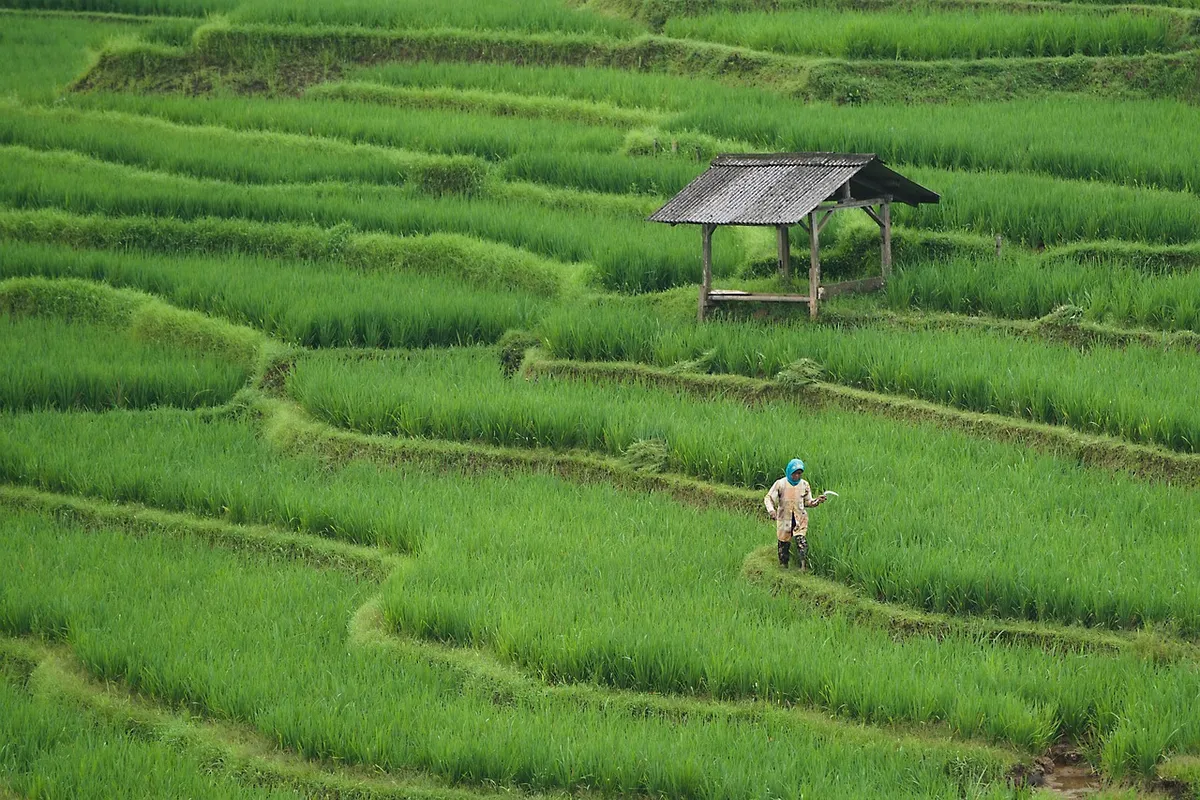
The kharif season runs from June to November. Farmers sow when the monsoon reaches their area, usually in June and July, and harvest from September to November. Because the crops depend on rain, the timing and strength of the monsoon have a direct effect on kharif yields and on the date when new crop arrives.
The monsoon normally reaches Kerala, at the southern tip of India, around the start of June, and then moves north and west over the following weeks. Gujarat and Rajasthan usually receive it later than the south and east. This is why sowing dates differ from state to state. A late or patchy monsoon delays sowing and can push the harvest back. Too much rain near harvest can also damage quality, for example by causing discoloured or sprouted grain.
Common kharif crops include:
- Cereals and millets: rice, kharif maize, bajra (pearl millet) and kharif jowar (sorghum).
- Oilseeds: groundnut, soybean and kharif sesame.
- Pulses: moong (green gram), urad (black gram) and tur (pigeon pea).
- Long-duration crops: turmeric and ginger, which are planted in the kharif season but harvested months later.
- Others: cotton and kharif onion.
In Gujarat, the kharif groundnut and sesame crops are among the most important for exporters. Groundnut is sown in June and July and reaches the market from October to December. Kharif maize, which supplies corn grain and products such as grits and flour, follows a similar pattern.
When Is the Rabi Season, and Which Crops Grow in It?
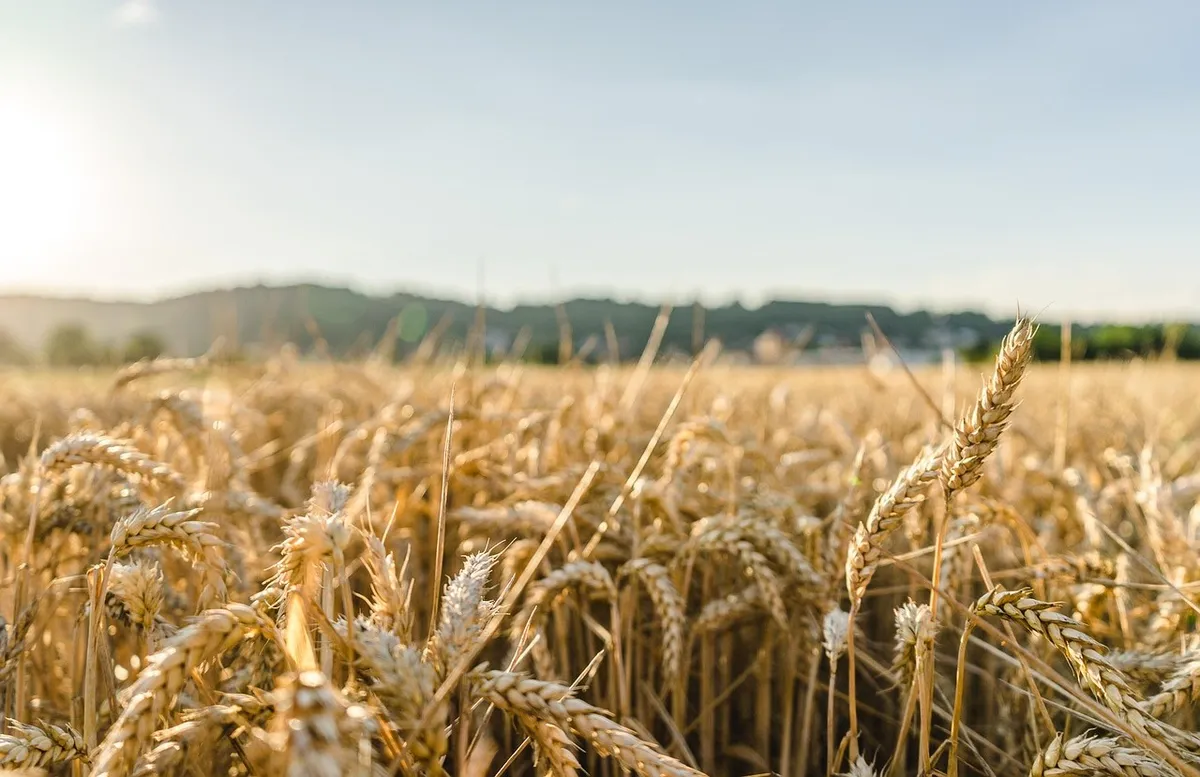
The rabi season runs from October to May. Sowing takes place from October to December, after the monsoon ends, and harvest runs from February to May. Rabi crops grow on the moisture left in the soil after the rains and on irrigation from canals, wells and tube wells. Cool weather during growth and warm, dry weather at harvest suit these crops.
Rabi crops are less exposed to rainfall swings, but they face other risks. A sudden warm spell in February or March, when wheat grain is filling, can reduce yields. Unseasonal rain or hail at harvest can affect seed spices and pulses that are drying in the field.
Common rabi crops include:
- Cereals: wheat, rabi maize and barley.
- Pulses: chickpea (chana), lentil (masur) and field peas.
- Oilseeds: rapeseed-mustard and flax (linseed).
- Seed spices: cumin, coriander, fennel, fenugreek and nigella.
- Others: quinoa, chia, psyllium (isabgol), garlic, potato and rabi onion.
Wheat is the largest rabi crop. The Ministry’s third advance estimates for 2024-25 put wheat production at 1,175.07 lakh tonnes. Gujarat and Rajasthan are also the heart of India’s seed spice belt, so most export cumin, coriander and fennel come from the rabi crop. You can learn more about the main grain in our guide to Indian wheat varieties.
How Do Kharif and Rabi Crops Compare?
The main differences between kharif and rabi crops are the sowing and harvest months, the source of water and the weather the crops need. The table sums them up.
| Point | Kharif | Rabi | Zaid |
|---|---|---|---|
| Sowing | June–July | October–December | February–April |
| Harvest | September–November | February–May | April–June |
| Water source | Monsoon rain | Stored soil moisture and irrigation | Irrigation |
| Weather | Hot and humid | Cool growth, warm and dry harvest | Hot and dry |
| Main risk | Late, weak or excess rain | Warm spells at grain filling, unseasonal rain at harvest | Water shortage and heat |
| Typical crops | Rice, maize, groundnut, soybean, moong, urad, sesame, bajra | Wheat, chickpea, mustard, cumin, coriander, fennel, quinoa, chia | Summer groundnut, summer sesame, summer moong, melons |
Kharif, rabi and zaid seasons compared. Months are typical and vary by state and year.
Some crops grow in more than one season. Maize, jowar and onion have both kharif and rabi crops. Groundnut, sesame and moong have kharif and summer crops. For these, ask your supplier which season a lot comes from, because quality and price can differ between seasons.
What Are Zaid Crops?
Zaid crops are short-duration summer crops grown between the rabi harvest and the next monsoon, roughly from March to June. They need irrigation, because there is little rain in these months. Farmers grow them on fields that would otherwise lie empty, so they add extra income and extra supply.
Typical zaid crops are watermelon, muskmelon, cucumber, vegetables and fodder crops. In Gujarat, the summer season also produces large crops of groundnut, sesame, moong and bajra. Summer groundnut and summer sesame are sown in January and February and reach the market in May and June. This gives buyers a second window for these oilseeds.
Why Do Kharif and Rabi Seasons Matter for Buyers?
Kharif and rabi seasons matter because they set when fresh stock is available, when the widest choice of lots is on offer and when prices are most likely to change. Planning around them helps you buy the right quality at the right time.
- New-crop timing: new crop arrives soon after harvest. Cumin arrives around March, wheat from April, and kharif groundnut from October.
- Quality and choice: just after harvest, mills and exporters have the most lots to choose from, which helps with tight specifications.
- Price signals: the size of the coming crop moves prices. A weak monsoon can lift kharif prices, while a good rabi crop can soften spice and pulse prices.
- Old-crop gaps: before a new harvest, stocks of the old crop can run low. July and August bring few new crops, so trade runs on rabi and summer stocks.
- Shipping plans: booking shipments for the weeks after harvest avoids paying for long storage.
Weather can shift each season by two to four weeks. If you depend on new crop for a launch or a tender, agree the crop year in the contract and ask for updates on sowing and crop condition. Our guide to the harvest seasons of Indian crops goes into more detail by product.
Related reading: Millet Nutrition: Protein, Fibre and Minerals Compared and Difference Between Atta and Maida, and Where Suji Fits.
How Can You Plan Sourcing Around Kharif and Rabi Crops?
Use a crop calendar to match your orders to the harvest of each product. Our free Indian crop calendar shows the sowing, harvest, new-crop and peak-supply months for more than 30 crops across the kharif, rabi and zaid seasons. You can filter by season or category, see what is new in each month, and download the calendar as a PDF.
Elysium Agri Corporation exports oilseeds, spices, pulses and grains from Jamnagar, Gujarat, and we buy close to the main markets for each crop. We can tell you when new crop will be ready, hold samples for approval and plan shipments for the first weeks of each harvest. Every lot is tested before loading; our lab testing page explains how. To work out the full cost of an order, use the landed cost calculator.
Tell us which products you need and when, and we will plan your orders around the kharif and rabi crops. Request a new-crop quote →
Frequently asked questions
What is the difference between kharif and rabi crops?
Kharif crops are sown with the monsoon in June and July and harvested from September to November. They need heat and plenty of water. Rabi crops are sown after the monsoon, from October to December, and harvested from February to May. They grow in cool, dry weather on stored soil moisture and irrigation.
When are kharif and rabi crops sown and harvested?
Kharif crops are usually sown in June and July, when the southwest monsoon arrives, and harvested between September and November. Rabi crops are sown from October to December and harvested from February to May. Exact dates vary by state and year, and the monsoon can move them by two to four weeks.
Which crops are grown in the kharif season?
Main kharif crops include rice, kharif maize, bajra, jowar, groundnut, soybean, kharif sesame, moong, urad, tur, cotton and kharif onion. Turmeric and ginger are also planted in the kharif season but are harvested several months later. In Gujarat, kharif groundnut and sesame are especially important for exporters.
Which crops are grown in the rabi season?
Main rabi crops include wheat, barley, rabi maize, chickpea, lentil, field peas, rapeseed-mustard and flax. Seed spices such as cumin, coriander, fennel, fenugreek and nigella are rabi crops too, as are quinoa, chia, psyllium, garlic and potato. Wheat is the largest rabi crop in India by production.
What is the zaid crop season in India?
Zaid is the short summer season between the rabi harvest and the monsoon, roughly from March to June. Zaid crops need irrigation and mature quickly. Typical examples are watermelon, muskmelon, cucumber, vegetables and fodder. In Gujarat, summer groundnut, sesame, moong and bajra are also grown in this window.
Related reads


