
On this page
- What Is the Nutritional Value of Millets?
- Millet Nutrition Compared
- How Much Protein Do Millets Contain?
- How Do Millets Compare for Fibre and Carbohydrates?
- Which Minerals and Vitamins Are Found in Millets?
- Ragi, Pearl Millet, Foxtail and Other Types
- What Does the Research Say About Millets?
- Sourcing Millets from India
- Frequently asked questions
Millets are whole grains that give about 320 to 350 kcal, 7 to 11 g of protein and 6 to 12 g of dietary fibre per 100 g, with more fibre and minerals than milled white rice. Ragi stands out for calcium, and pearl millet (bajra) for iron, fibre and fat. Millet nutrition differs a lot by type, so this fact sheet compares the main Indian millets side by side, using data from India’s National Institute of Nutrition. It also covers protein, minerals, gluten and what the research says.
Key takeaways
- Per 100 g, Indian millets contain roughly 7–11 g of protein and 6–12 g of dietary fibre, compared with about 8 g and 3 g in milled rice.
- Ragi has about 364 mg of calcium per 100 g, many times more than other cereals.
- All true millets are naturally gluten-free, but cross-contact during handling must be controlled.
- A 2021 meta-analysis found millets have a lower average glycaemic index than milled rice and refined wheat.
What Is the Nutritional Value of Millets?
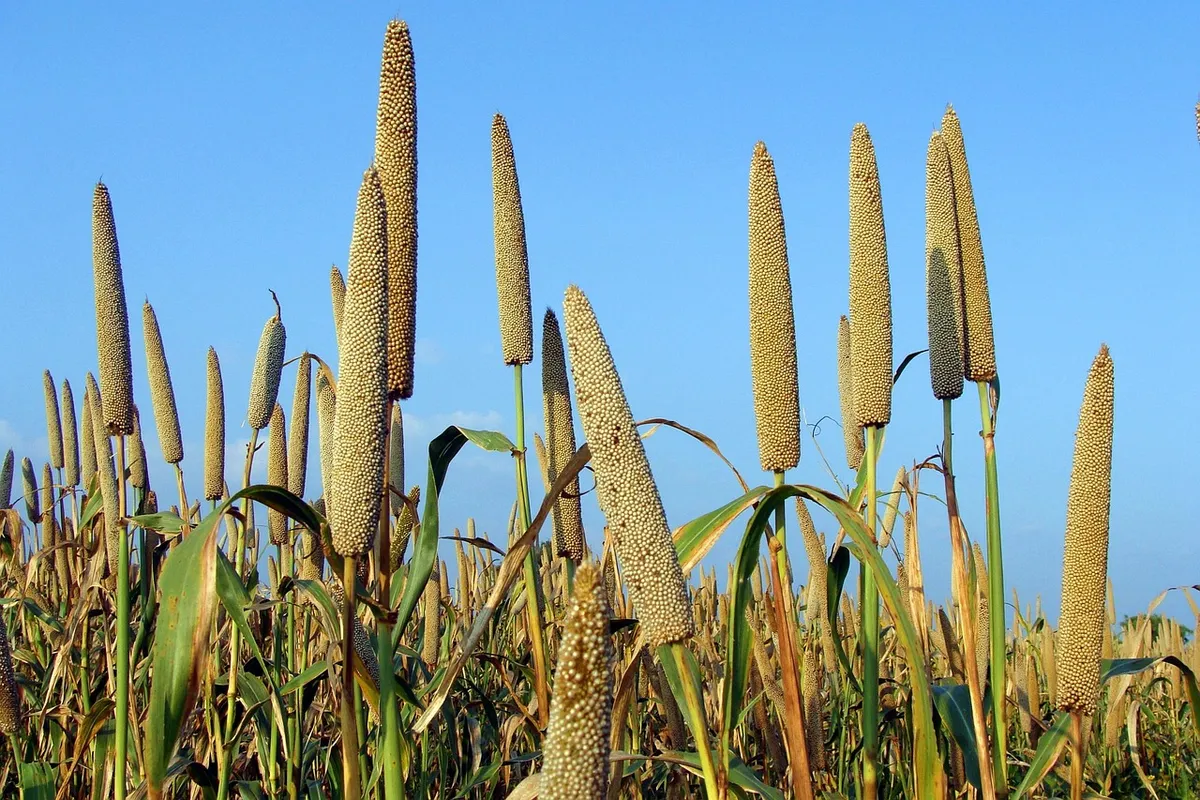
Millets are small-seeded cereal grasses grown mainly in the dry regions of Asia and Africa. The group includes pearl millet (bajra), sorghum (jowar), finger millet (ragi) and small millets such as foxtail, proso, little, kodo and barnyard millet. Most are eaten as whole grain, which is why they keep more fibre, minerals and B vitamins than polished rice or refined wheat flour.
India is the world’s largest millet producer, with about 18 million tonnes in 2024-25, and was the largest millet exporter in 2023. The United Nations declared 2023 the International Year of Millets, which raised interest from food makers in Europe, the Gulf and the USA. If you want to know how the crops are grown, our guide on how millets grow covers the plants and seasons.
One important point: millet nutrition varies by type, variety and growing conditions. A 2024 systematic review in Frontiers in Sustainable Food Systems found a large variation in nutrient content within each millet type. So treat any single figure as a typical value, not a fixed specification.
Millet Nutrition Compared
The table compares the millets most traded from India with milled rice. All values are per 100 g of raw grain and come from the Indian Food Composition Tables 2017 (IFCT), published by ICMR-National Institute of Nutrition. Energy is converted from kilojoules.
| Per 100 g (raw) | Pearl millet (bajra) | Sorghum (jowar) | Finger millet (ragi) | Little millet (samai) | Kodo millet (varagu) | Rice, milled |
|---|---|---|---|---|---|---|
| Energy (kcal) | 348 | 334 | 321 | 346 | 332 | 356 |
| Protein (g) | 10.96 | 9.97 | 7.16 | 10.13 | 8.92 | 7.94 |
| Fat (g) | 5.43 | 1.73 | 1.92 | 3.89 | 2.55 | 0.52 |
| Total dietary fibre (g) | 11.49 | 10.22 | 11.18 | 7.72 | 6.39 | 2.81 |
| Available carbohydrate (g) | 61.78 | 67.68 | 66.82 | 65.55 | 66.19 | 78.24 |
| Calcium (mg) | 27.4 | 27.6 | 364 | 16.1 | 15.3 | 7.5 |
| Iron (mg) | 6.42 | 3.95 | 4.62 | 1.26 | 2.34 | 0.65 |
| Magnesium (mg) | 124 | 133 | 146 | 91 | 122 | 19 |
| Zinc (mg) | 2.76 | 1.96 | 2.53 | 1.82 | 1.65 | 1.21 |
Millet nutrition per 100 g raw grain. Source: IFCT 2017, ICMR-NIN.
IFCT 2017 does not list foxtail or proso millet. Published studies generally report protein of about 10–13 g per 100 g for these two, but values vary widely between samples.
How Much Protein Do Millets Contain?
Most millets contain about 7 to 11 g of protein per 100 g, which is similar to or higher than milled rice. In the IFCT data, pearl millet has the most protein at about 11 g, followed by little millet and sorghum at about 10 g. Ragi is lower, at about 7 g. Our export specification for bajra sets protein at 8% or more on a dry basis.
Like other cereals, millet protein is relatively low in the amino acid lysine. Pairing millets with pulses, as in many Indian dishes such as bajra roti with dal, gives a more complete protein mix. Food makers use the same approach when they blend millet flour with pulse flour in snacks and baked goods.
How Do Millets Compare for Fibre and Carbohydrates?
Millets are high in fibre compared with polished rice. Pearl millet has the most total dietary fibre in the IFCT data, at about 11.5 g per 100 g, closely followed by ragi at 11.2 g and sorghum at 10.2 g. Milled rice has only about 2.8 g. Most of the fibre in millets is insoluble.
Carbohydrates make up about 62–68 g per 100 g of millet, mostly as starch. Because the grain is usually eaten whole, the starch comes packed with fibre. This is one reason millets digest more slowly than refined grains. Processing matters, though. Fine millet flour, puffed millet or instant millet mixes can behave differently from whole cooked grain. For a comparison with common wheat products, see our guide to atta vs maida vs suji.
Which Minerals and Vitamins Are Found in Millets?
Millets supply calcium, iron, magnesium, phosphorus, zinc and B vitamins. The amounts differ by type:
- Calcium: ragi is exceptional, with about 364 mg per 100 g. Most other cereals, including other millets, have less than 30 mg.
- Iron: pearl millet leads at about 6.4 mg per 100 g, roughly ten times the level in milled rice. This is non-haem iron, and phytates in the grain reduce how much is absorbed.
- Magnesium and phosphorus: all main millets give 90–146 mg of magnesium per 100 g. Bajra has about 289 mg of phosphorus.
- Zinc: about 1.6–2.8 mg per 100 g, with bajra and ragi highest.
- B vitamins: IFCT lists thiamine at about 0.25–0.37 mg and folate at about 35–39 µg per 100 g for bajra, jowar and ragi. Sorghum has the most niacin, at about 2.1 mg.
Soaking, sprouting, fermenting and malting can lower phytate levels and help the body absorb more of these minerals. Malted ragi flour, a traditional weaning food in South India, is one example.
Ragi, Pearl Millet, Foxtail and Other Types
Each millet has its own nutrient strengths and uses:
- Finger millet (ragi, nachni): highest in calcium and high in fibre, but lower in protein and fat. Grown mainly in Karnataka and used in flour, baby food and health foods.
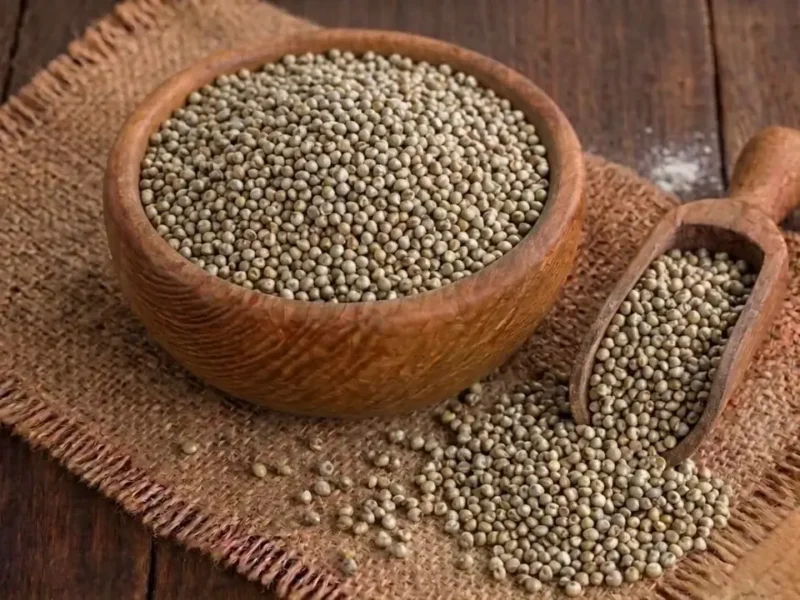
- Pearl millet (bajra, green millet): highest in protein, iron, fibre and fat among the main millets. The higher fat content means bajra flour can go rancid faster, so it should be used fresh. Grown in Rajasthan, Gujarat and Uttar Pradesh.
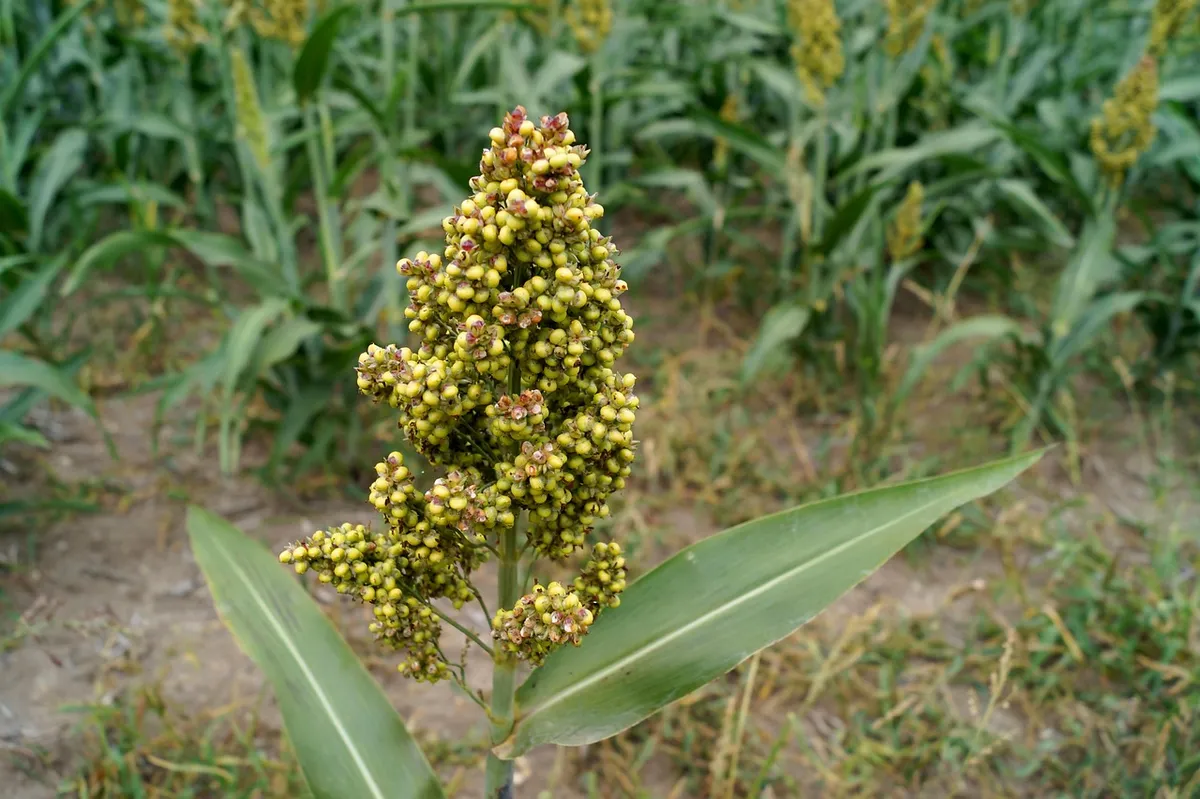
- Sorghum (jowar, milo): a good fibre and magnesium source. Used for flour, gluten-free foods and feed. Grown mainly in Maharashtra and Karnataka.
- Foxtail millet (kangni, navane): a small grain often used as a rice substitute and in health foods.
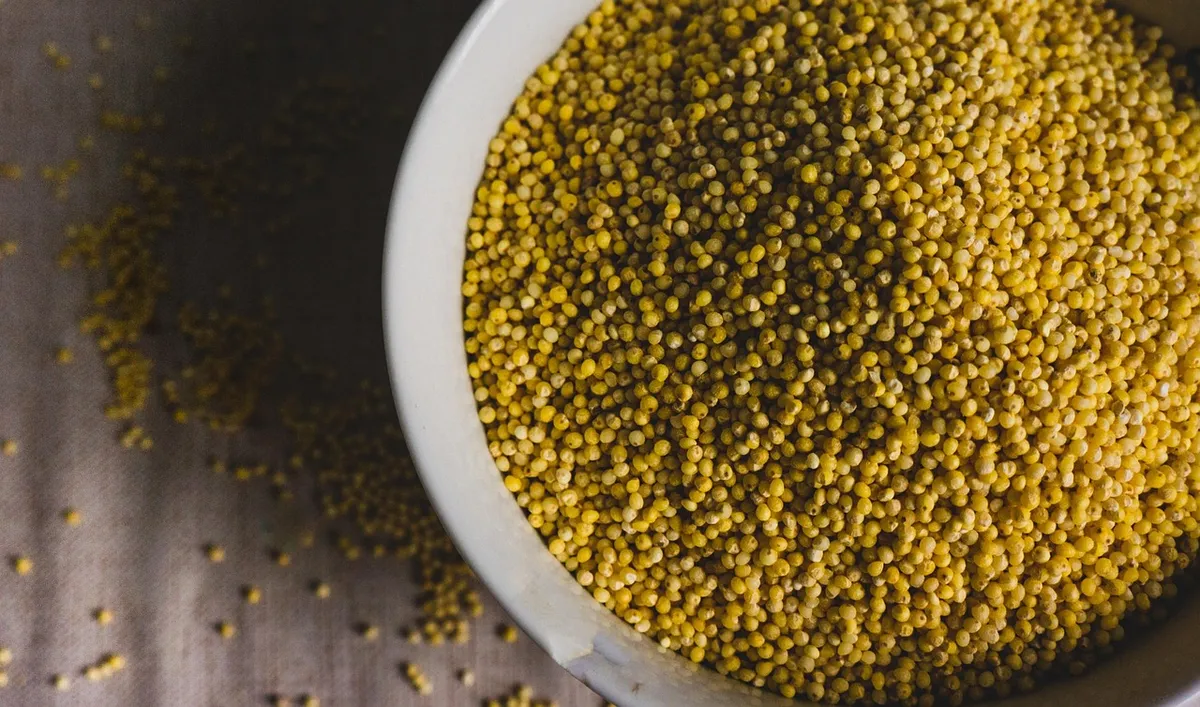
- Proso millet (chena, white millet): used in bird feed, breakfast cereals and gluten-free bakery.
- Little and kodo millet: traditional small millets, eaten like rice, with moderate protein and fibre.
What Does the Research Say About Millets?
The best-studied area is blood sugar response. A 2021 systematic review and meta-analysis in Frontiers in Nutrition, led by ICRISAT, pooled 65 studies with about 1,000 people from 11 countries. It found that millets had an average glycaemic index of 52.7, about 36% lower than milled rice and refined wheat. People with diabetes who ate millet-based meals showed 12–15% lower blood glucose levels in the studies reviewed.
The authors also noted gaps. Study methods, millet types and processing varied a lot, and they called for larger studies with consistent methods. So millets can be part of a balanced diet, but they are not a treatment for any disease.
On gluten, all true millets are naturally gluten-free. However, millets are often handled in the same mills and stores as wheat or barley. In the USA, a product labelled gluten-free must contain less than 20 ppm gluten under the FDA gluten-free labelling rule. Brands making that claim should ask for gluten test results on each lot.
This article is for general information and is not medical or dietary advice.
Sourcing Millets from India
We export Indian millet grain, including green bajra, jowar, ragi and small millets such as foxtail and proso, for food makers, flour mills, gluten-free brands and bird-feed packers. Indian millets go mainly to the UAE, Nepal, Saudi Arabia, the USA and Europe. Bajra is mainly a kharif crop harvested in September and October, with a Gujarat summer crop in May and June; our crop calendar shows the windows.
Our specifications are benchmarked to Codex and FSSAI millet standards. Each lot is tested for moisture, protein, mycotoxins and pesticide residues, and can be tested against EU limits for tropane alkaloids. See our lab testing page for details. We pack in 25 or 50 kg PP bags, jute bags or jumbo bags, with about 24–25 MT in a 20 ft container. If you sell on the strength of millet nutrition, we can share lot data and offer private-label packing.
Tell us the millet type, grade, packing and destination port, and we will send a price and samples. Request a millet quote →
Frequently asked questions
How much protein do millets contain?
Most millets contain about 7 to 11 g of protein per 100 g of raw grain, according to the Indian Food Composition Tables 2017. Pearl millet (bajra) is highest at about 11 g, sorghum and little millet are near 10 g, and ragi is lower at about 7 g. Values vary by variety and growing conditions.
Which millet has the most fibre?
Among the main Indian millets, pearl millet (bajra) has the most total dietary fibre, at about 11.5 g per 100 g in IFCT 2017 data. Finger millet (ragi) is close at about 11.2 g, and sorghum has about 10.2 g. By comparison, milled white rice has only about 2.8 g of fibre per 100 g.
How does ragi nutrition compare with other millets?
Ragi (finger millet) is the richest cereal source of calcium, with about 364 mg per 100 g, compared with under 30 mg in most other millets. It is also high in fibre and magnesium. However, ragi has less protein (about 7 g) and less fat than pearl millet, sorghum or little millet.
Are millets gluten-free?
Yes. All true millets, including bajra, jowar, ragi, foxtail and proso, are naturally gluten-free. The risk comes from cross-contact with wheat, barley or rye during farming, milling or storage. Brands that label products gluten-free should buy from controlled supply chains and test each lot; the US limit is below 20 ppm gluten.
Which minerals are found in millets?
Millets supply calcium, iron, magnesium, phosphorus, potassium and zinc. Ragi is notable for calcium, pearl millet for iron at about 6.4 mg per 100 g, and all main millets give roughly 90 to 146 mg of magnesium per 100 g. Phytates reduce absorption, but soaking, sprouting and fermenting help.
Related reads


