

On this page
The difference between atta and maida is how much of the wheat grain each one keeps: atta is whole wheat flour that includes the bran and germ, so it is brown, higher in fibre and used for rotis, while maida is refined white flour milled only from the endosperm, used for bread, cakes, naan and noodles. Suji (semolina) is also made from the endosperm, but it is ground into coarse granules rather than a fine powder. This guide compares all three for importers, distributors, bakeries and food manufacturers.
Key takeaways
- Atta is whole wheat flour; maida is fine, refined endosperm flour; suji is coarse endosperm granules.
- Per 100 g, USDA lists about 10.7 g fibre for whole-grain wheat flour, 3.9 g for semolina and 2.7 g for white all-purpose flour.
- FSSAI sets different ash, gluten and particle-size limits for atta and maida, so each must be bought against its own specification.
- All three are exported from India under ITC-HS 1101 00 00, and their export status moved to “Free” in August 2026.
Atta vs Maida vs Suji: The Short Answer
All three flours come from wheat. They differ in which parts of the grain are kept and how finely the grain is ground.
- Atta keeps the whole grain: bran, germ and endosperm. It is ground fine, but with a slightly gritty feel, and is creamy-brown in colour.
- Maida keeps only the endosperm and is ground very fine. It is white, smooth and soft.
- Suji, also called rava or semolina, keeps only the endosperm but is ground into coarse granules. It is creamy-yellow.
In short, atta is for flatbreads, maida is for bakery and snacks, and suji is for upma, halwa, sweets and, in its durum form, pasta. Our article what is wheat flour explains how the wheat grain is built and milled.
What Is Atta?
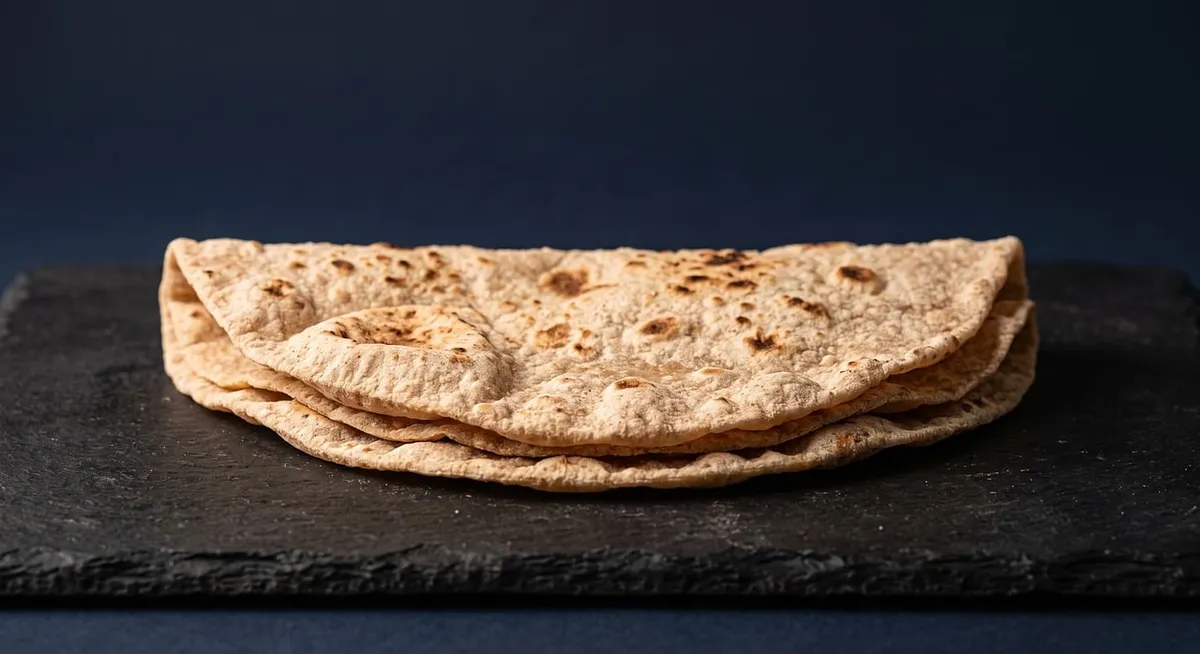
Atta is whole wheat flour made by grinding the entire wheat grain. In India it is usually milled in a chakki, either a traditional stone mill or a modern roller chakki. The chakki process creates some heat and breaks the starch slightly. This helps the dough absorb more water and gives soft, pliable rotis and chapatis.
Indian atta is milled from Indian hard wheat. Popular types include Sharbati and Lokwan, which our guide to Indian wheat varieties describes. Because atta contains the germ, which holds natural oils, its shelf life is shorter than maida’s, usually about 3 to 6 months. Under FSSAI rules, atta must pass a 500-micron sieve (at least 98%), with total ash of no more than 2.0% and dry gluten of at least 6%.
What Is Maida?
Maida is refined wheat flour, milled from the starchy endosperm after the bran and germ are removed. It is made in roller mills, which separate the parts of the grain and grind the endosperm to a very fine, white powder. Maida is close to what the rest of the world calls white flour or all-purpose flour.
Without the bran, maida is low in fibre, but it forms a smooth, stretchy dough. That makes it the base for bread, buns, cakes, biscuits, naan, samosa pastry, puffs and many fried snacks. Under FSSAI rules, maida must pass a 212-micron sieve (at least 98%), with total ash of no more than 1.0% and dry gluten of at least 7.5%. The lower ash limit reflects the lower bran content.
What Is Suji (Semolina)?
Suji is the coarse, granular flour made from the wheat endosperm. In South India it is called rava, and in international trade it is called semolina. Indian suji is mostly milled from hard bread wheat and is used for upma, rava dosa, idli, halwa, sheera, kesari and coated snacks.
Pasta makers use a specific type: durum wheat semolina. Durum wheat (Triticum durum) is harder and higher in protein than common bread wheat, which helps pasta hold its shape when cooked. Our export suji has protein of at least 11%, and durum wheat is available on request for pasta and suji buyers.

How Do Milling, Protein and Fibre Compare?
The table below compares the three flours on milling, specification and nutrition. Nutrition figures are per 100 g from USDA FoodData Central, using the closest US entries: whole-grain wheat flour for atta, white all-purpose unenriched flour for maida, and unenriched semolina for suji. Indian flours will vary with the wheat and the mill.
| Feature | Atta | Maida | Suji (semolina) |
|---|---|---|---|
| Part of grain used | Whole grain: bran, germ, endosperm | Endosperm only | Endosperm only |
| Milling method | Stone or roller chakki | Roller mill, fine sifting | Roller mill, coarse grind |
| Texture | Fine, slightly gritty | Very fine, smooth | Coarse granules |
| Colour | Creamy-brown | White | Creamy-yellow |
| Particle size (FSSAI) | 98% through 500 µm | 98% through 212 µm | Granular |
| Total ash (dry basis) | ≤ 2.0% | ≤ 1.0% | Per buyer specification |
| Dry gluten (FSSAI min) | 6.0% | 7.5% | Per buyer specification |
| Energy (USDA, per 100 g) | 340 kcal | 364 kcal | 360 kcal |
| Protein (USDA, per 100 g) | 13.2 g | 10.4 g | 12.7 g |
| Dietary fibre (USDA, per 100 g) | 10.7 g | 2.7 g | 3.9 g |
| Typical shelf life | About 3–6 months | Longer than atta | Longer than atta |
The main nutrition gap is fibre. Atta keeps the bran, so it has about four times the fibre of maida. Protein is closer across the three, because most wheat protein sits in the endosperm. Gluten quality, rather than total protein, decides how well a flour performs in bread or noodles.
Ash is the simplest lab check that separates the flours. Ash measures the mineral content left after burning a sample, and most of it comes from the bran. A maida with high ash may contain bran specks or be blended with atta. A suji or maida with high acid-insoluble ash may contain sand or dust from poor cleaning. Ask for both values on every certificate of analysis, and compare them against the limits in the table above.
Which Flour Is Best for Bakery, Snacks and Noodles?
Each flour has a clear set of uses. Mixing them up usually changes the texture of the final product.
- Bakery: maida is the standard for bread, buns, cakes, cookies, rusks and puff pastry. Atta can replace part of the maida in “whole wheat” breads and biscuits, but the bake will be denser and darker.
- Flatbreads: atta for rotis, chapatis, parathas and puris; maida for naan, kulcha, bhatura and rumali roti.
- Snacks: maida for samosa, kachori, mathri, namak pare and khari; suji for crisp coatings, rava fry and some namkeen.
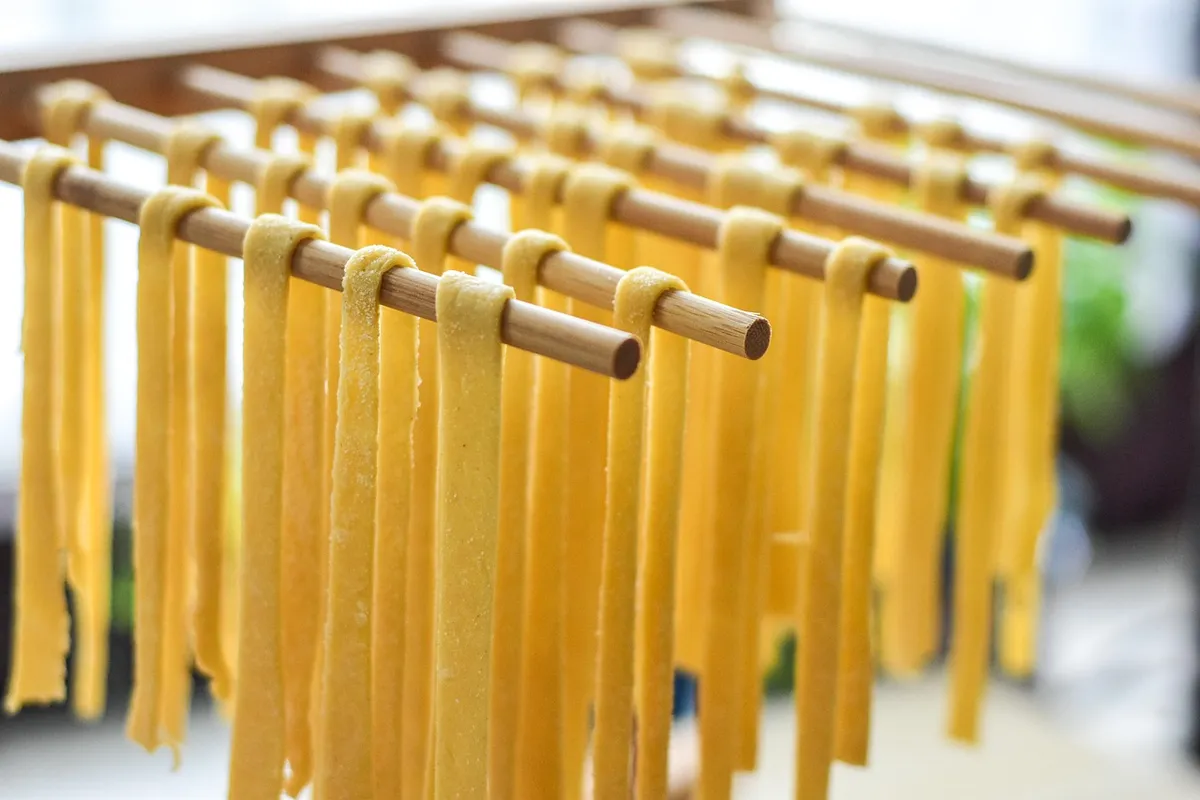
- Noodles and pasta: maida is the main flour for Indian instant noodles and hakka noodles. Durum semolina is the standard for dried pasta.
- Sweets and breakfast dishes: suji for halwa, sheera, kesari, upma and rava idli.
Which Flour Should Your Business Stock?
Stock by customer, not by flour. The right mix depends on who buys from you.
- South Asian grocery importers in the USA, Canada, the UK and the UAE: chakki atta is the core line, usually in retail packs, with suji and maida as smaller lines.
- Bakeries and biscuit makers: maida, bought against a fixed gluten, ash and moisture specification.
- Snack and ready-meal makers: maida and suji, with microbiology tested on every lot.
- Pasta makers: durum semolina, specified separately from Indian table suji.
Whatever you stock, write the specification into the contract. Name the moisture limit (we supply 13% or less, against an FSSAI maximum of 14%), ash, gluten, particle size, Salmonella absent in 25 g and mycotoxins within destination limits. Our lab testing page lists the flour tests we run. Atta has a shorter shelf life, so plan shipments and stock rotation around it.
Related reading: Kharif and Rabi Crops: Seasons, Examples and Key Differences and Millet Nutrition: Protein, Fibre and Minerals Compared.
Sourcing Indian Wheat Flours in Bulk
Once you know the difference between atta and maida and where suji fits, the next step is a reliable supplier. Elysium Agri Corporation exports chakki atta, maida and suji from Jamnagar, Gujarat, along with wheat grain. On 24 August 2026, India moved atta, maida, semolina and wholemeal atta (HS 1101) from “Prohibited” to “Free” for export under DGFT Notification 34/2026-27.
Every lot ships with a certificate of analysis for moisture, ash, protein or gluten, microbiology and mycotoxins, plus a certificate of origin. We pack in 25 or 50 kg PP or paper bags; a 20 ft container holds about 20–25 MT and a 40 ft high cube about 25–26 MT. Retail packs under your own brand are available through our private label service. Tell us the flour, specification, pack size, quantity and destination port. Request a wheat flour quote →
Frequently asked questions
What is the difference between atta and maida?
Atta is whole wheat flour that keeps the bran, germ and endosperm, so it is creamy-brown and high in fibre. Maida is refined flour milled only from the endosperm, so it is white, very fine and low in fibre. Atta is used for rotis and chapatis, while maida is used for bread, cakes, naan, pastry and noodles.
What is suji and how is it different from maida?
Suji, also called rava or semolina, is made from the wheat endosperm like maida, but it is ground into coarse granules instead of a fine powder. It is creamy-yellow and has a gritty texture. Suji is used for upma, halwa, rava idli and coatings, while maida is used for bread, cakes, pastry and noodles.
Which flour is made from whole wheat?
Atta is the Indian flour made from whole wheat. It is milled from the entire grain, including the bran and germ, usually in a stone or roller chakki. Maida and suji are both made from the endosperm only. Because atta keeps the bran, USDA data shows whole-grain wheat flour has about 10.7 g of fibre per 100 g.
Can atta be used instead of maida in baking?
Atta can replace part or all of the maida in some baked goods, such as whole wheat bread, biscuits and muffins, but the result will be denser, darker and heavier. The bran in atta cuts through the gluten network, so doughs rise less. Bakers usually start with a partial blend and add extra water, because atta absorbs more.
Which Indian flour is used for pasta and noodles?
Maida is the main flour for Indian instant noodles and hakka noodles, because its fine texture and gluten give a smooth, elastic strand. Dried pasta is made from semolina, ideally durum wheat semolina, which is harder and higher in protein and helps pasta hold its shape. Indian table suji is usually milled from bread wheat instead.
Related reads


