

On this page
- What Is Wheat Flour?
- How Is Wheat Flour Milled?
- What Are the Main Types of Wheat Flour?
- What Do Protein Content and Gluten Strength Mean?
- What Is the Difference Between Whole Wheat and Refined Flour?
- How Is Wheat Flour Used in Bakery, Noodles and Snacks?
- Which Specifications Should Buyers Check?
- How Do You Source Wheat Flour from India?
- Frequently asked questions
Wheat flour is the powder made by grinding wheat grains. Whole wheat flour, such as Indian chakki atta, keeps the bran, germ and endosperm, while refined flour, such as maida, is milled from the endosperm alone. The type of wheat, the part of the grain used and the fineness of milling decide how a flour behaves in bread, biscuits, noodles or flatbreads. This guide explains what wheat flour is, the main wheat flour varieties, and the specifications that importers check.
Key takeaways
- A wheat kernel is about 83% endosperm, 14.5% bran and 2.5% germ. Which parts go into the flour defines its type.
- Protein and gluten strength decide the use: strong flours for bread, weaker flours for cakes and biscuits.
- India’s main export flours are chakki atta, maida and suji (semolina), all under HS 1101.
- Buyers check moisture, ash, gluten, acidity, particle size, microbiology and mycotoxins on every lot.
What Is Wheat Flour?
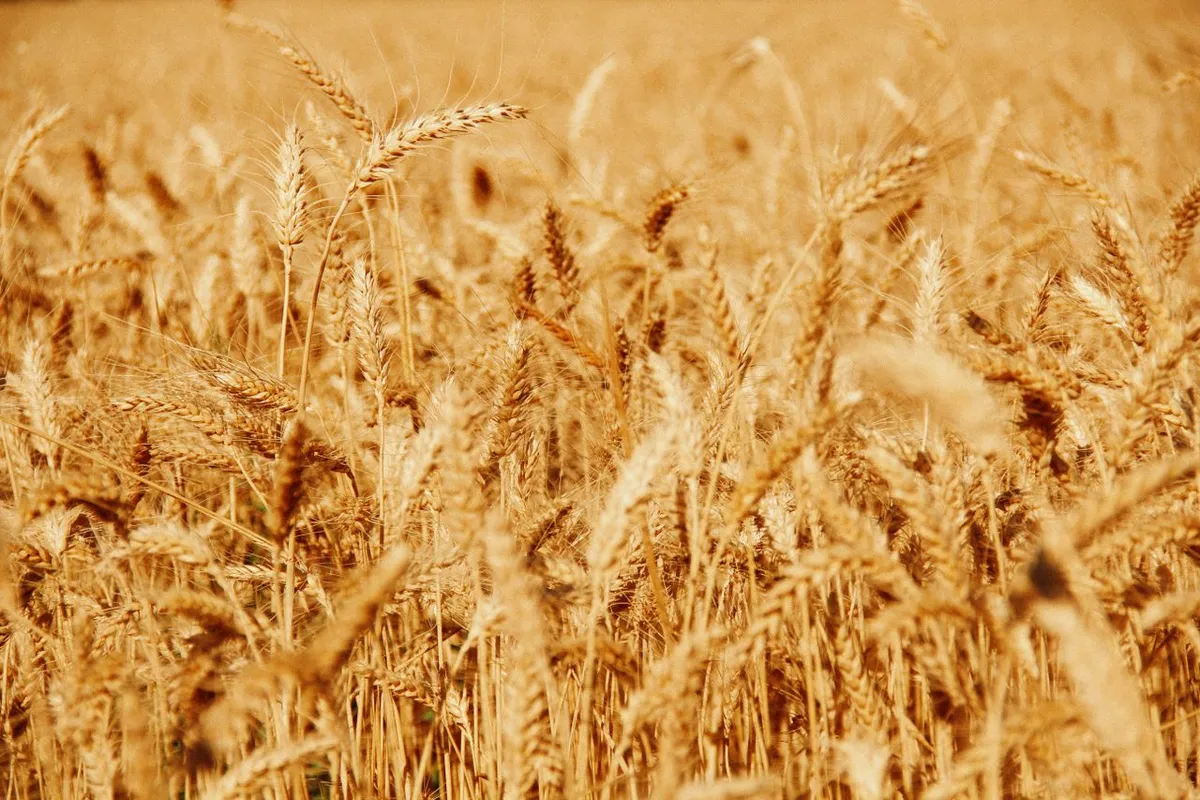
Wheat flour is a fine powder made by milling cleaned wheat grain. It is the main ingredient in bread, flatbreads, biscuits, cakes, pasta and noodles, and it is the most widely traded flour in the world. Its special property is gluten. When wheat flour is mixed with water, two groups of proteins, glutenins and gliadins, form an elastic network that traps gas and gives dough its structure.
Every wheat kernel has three parts. According to the Wheat Foods Council, the endosperm makes up about 83% of the kernel weight, the bran about 14.5% and the germ about 2.5%. The endosperm is mostly starch and protein. The bran is the fibre-rich outer layer, and the germ is the oil-rich embryo. Wheat flour is made of one or all of these parts, depending on the type.
How Is Wheat Flour Milled?
Wheat flour is milled by cleaning and conditioning the grain, then grinding and sifting it into fractions. There are two main methods: roller milling and chakki (stone or disc) milling.
- Cleaning: the wheat is screened, aspirated and sorted to remove dust, stones, other seeds and damaged grain.
- Conditioning (tempering): water is added and the grain rests for some hours, so the bran toughens and separates more cleanly.
- Grinding: in a roller mill, pairs of rollers break the kernel step by step. In a chakki mill, the whole grain is ground at once between stones or discs.
- Sifting: sieves separate the ground material by particle size into flour, semolina, bran and germ.
- Blending and packing: fractions are blended to the target specification, checked, and packed.
Roller mills can separate the endosperm very precisely, so they are used for refined flour (maida) and semolina (suji). Chakki milling grinds the whole grain into one flour, and the heat and friction give chakki atta its typical taste and its water absorption, which suit soft rotis. Maize is milled in a similar way; our guide on how maize is processed compares the steps.
What Are the Main Types of Wheat Flour?
Wheat flour varieties differ by the part of the grain used, the fineness and the wheat type. The table shows the main types in international trade, including the three main Indian export flours.
| Flour type | What it is | Typical uses |
|---|---|---|
| Chakki atta (whole wheat flour) | Whole grain milled in a chakki, bran included; at least 98% through 500 µm | Roti, chapati, paratha, puri |
| Wholemeal flour (roller milled) | Whole grain milled on rollers and recombined | Wholemeal bread, crackers |
| Maida (refined flour) | Endosperm only, white; at least 98% through 212 µm | Bread, naan, cakes, pastries, noodles |
| Bread (strong) flour | Refined flour from hard, high-protein wheat | Pan bread, rolls, pizza |
| Cake and biscuit flour | Refined flour from soft, low-protein wheat | Cakes, biscuits, cookies |
| Suji / rava (semolina) | Coarse granules of the endosperm | Upma, halwa, idli rava, pasta |
| Durum semolina | Coarse granules from durum wheat endosperm | Dried pasta, couscous |
Atta, maida and suji all fall under HS code 1101 00 00 for wheat or meslin flour in India’s tariff. Read more on our wheat flour product page, or see the whole grain on our wheat grain page.
What Do Protein Content and Gluten Strength Mean?
Protein percentage tells you how much protein a flour contains, and most of that protein forms gluten. Higher protein usually means more gluten and a stronger, more elastic dough. Lower protein gives a softer, more tender result.
As a general guide, bread flours are milled from hard wheat and usually have about 12–14% protein. All-purpose flours sit around 10–12%, and cake and biscuit flours are lower, often below 10%. Hard wheat gives more and stronger gluten, and soft wheat gives less. Protein is often reported on a 14% moisture basis or a dry basis, so check which basis a specification uses before you compare two offers.
Gluten can also be measured directly. Indian FSSAI standards set a minimum dry gluten of 6% for atta and 7.5% for maida. Bakeries often ask for wet gluten, a falling number (which shows enzyme activity) and dough tests such as farinograph results. Codex standard CXS 152-1985 for wheat flour sets a minimum protein of 7% on a dry basis.
What Is the Difference Between Whole Wheat and Refined Flour?
Whole wheat flour contains the whole grain, while refined flour contains only the endosperm. This difference changes colour, nutrition, shelf life and baking behaviour.
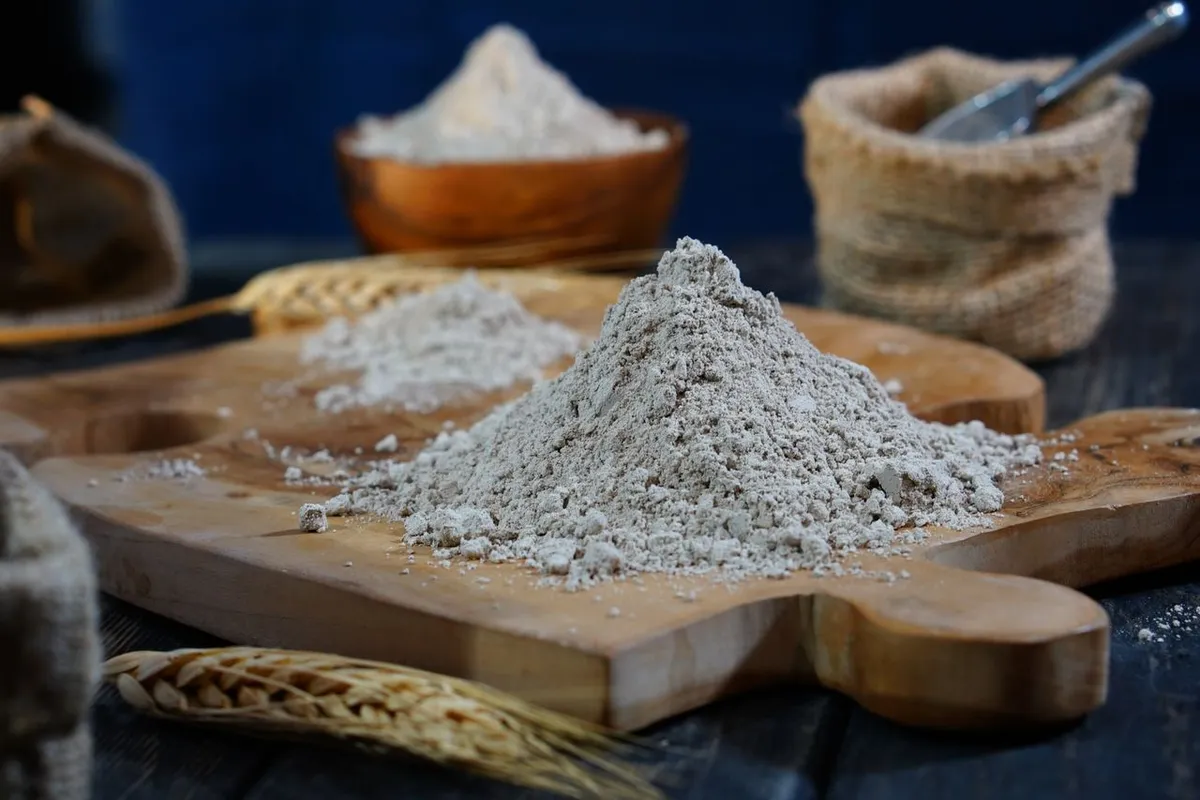
- Colour and taste: whole wheat atta is creamy-brown and nutty. Maida is white and mild.
- Nutrition: whole wheat flour keeps the fibre of the bran and the vitamins and fats of the germ. Refined flour has less fibre.
- Ash: because bran is rich in minerals, whole wheat flour has higher ash. FSSAI allows up to 2.0% total ash for atta and 1.0% for maida.
- Shelf life: the oil in the germ can turn rancid, so atta keeps for about 3–6 months. Refined flour keeps longer.
- Baking: bran cuts gluten strands, so whole wheat bread is denser. Refined flour gives lighter bread and softer cakes.
How Is Wheat Flour Used in Bakery, Noodles and Snacks?
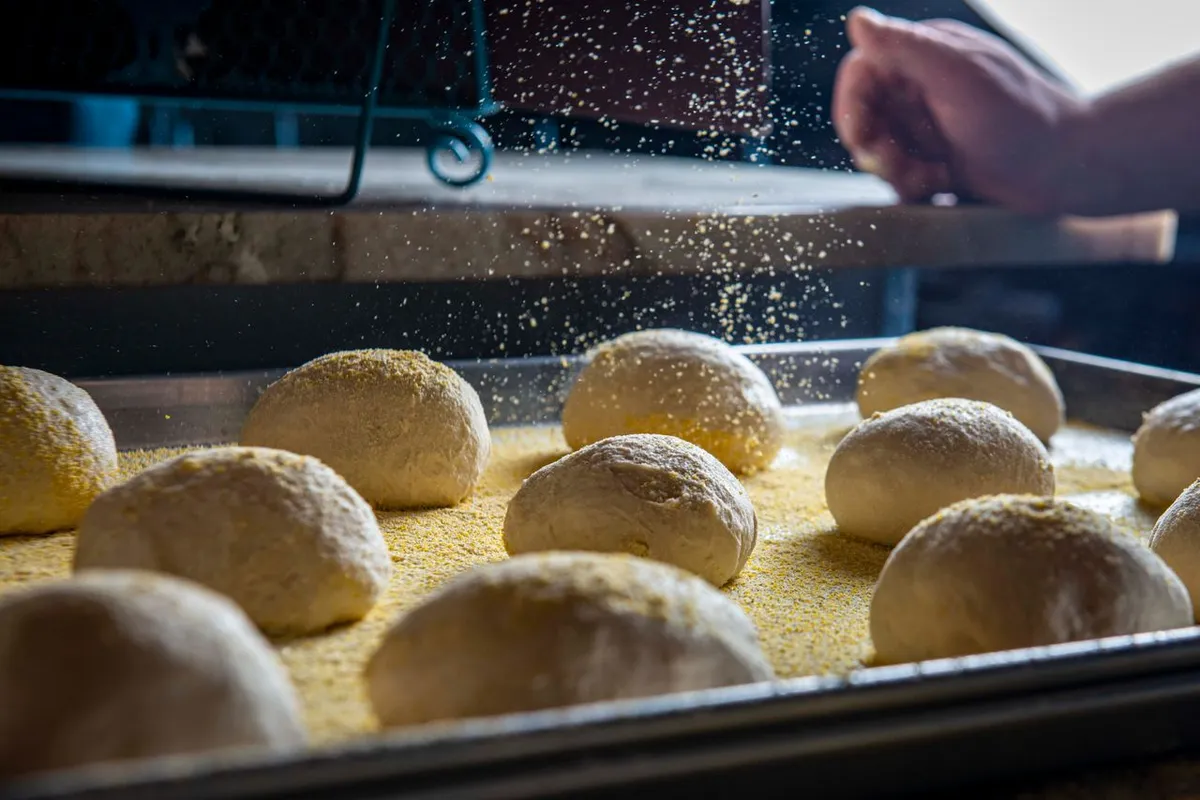
Each use needs a different balance of protein, gluten and particle size, so buyers choose the flour to match the product.
- Bread and rolls: strong refined flour with good gluten for volume and a fine crumb.
- Flatbreads: chakki atta for rotis and chapatis, and maida for naan and some parathas.
- Biscuits and cakes: soft, lower-protein flour for a tender, crisp or crumbly texture.
- Noodles: refined flour with medium to high protein and good colour.
- Snacks: maida-based fried and baked snacks, and semolina for crisp textures.
- Pasta and semolina dishes: suji for upma and halwa, and durum semolina for dried pasta.
Which Specifications Should Buyers Check?
Buyers should check moisture, ash, gluten or protein, acidity, particle size, microbiology and contaminants on every lot of wheat flour. Typical Indian export specifications are:
- Moisture: 13% maximum (FSSAI allows up to 14%).
- Total ash (dry basis): atta 2.0% maximum, maida 1.0% maximum.
- Acid-insoluble ash: atta 0.15% maximum, maida 0.10% maximum. Higher values point to sand or dirt.
- Alcoholic acidity: atta 0.18% maximum, maida and suji 0.12% maximum. Rising acidity shows ageing flour.
- Particle size: atta 98% through 500 µm, maida through 212 µm.
- Microbiology: E. coli below 10 cfu/g and Salmonella absent in 25 g.
- Contaminants: mycotoxins such as DON and aflatoxin, and pesticide residues, within destination limits.
Ask for a Certificate of Analysis with each shipment. Our lab testing page explains how lots are sampled and tested.
Related reading: Sharbati Wheat, Lokwan and Other Indian Wheat Varieties.
How Do You Source Wheat Flour from India?
Now that you know what wheat flour is and which types exist, start your enquiry with the flour type, the key specifications, the packing and the destination. Indian atta is milled from Indian hard wheat for soft, pliable rotis, and it is a staple for South Asian communities worldwide. Wheat flour exports from India have been free since August 2026, but policy can change, so check the current position before you contract.
Elysium Agri Corporation exports chakki atta, maida and suji from India in 25 kg and 50 kg PP or paper bags, with buyer’s marks and private label packs on request. A 40 ft high-cube container holds about 25–26 MT; you can model your load with our container load calculator. Each shipment comes with a Certificate of Analysis covering moisture, ash, protein or gluten, microbiology and mycotoxins. Share your flour type, quantity and port, and we will send a price and specification sheet. Request a wheat flour quote →
Frequently asked questions
What is wheat flour made of?
Wheat flour is made by grinding wheat kernels. A kernel has three parts: the endosperm, about 83 percent of its weight, the bran, about 14.5 percent, and the germ, about 2.5 percent. Whole wheat flour uses all three parts, while refined white flour such as maida is milled from the starchy, protein-rich endosperm only.
What are the main types of wheat flour?
The main types are whole wheat flour such as chakki atta, refined flour such as maida, strong bread flour, soft cake and biscuit flour, and semolina, called suji or rava in India. Durum semolina is used for pasta. They differ by the part of the grain used, the fineness of milling and the wheat type.
What does protein percentage mean in wheat flour?
It shows how much protein the flour contains, and most of that protein forms gluten when the flour is mixed with water. Higher protein usually means a stronger, more elastic dough for bread. Lower protein gives softer cakes and biscuits. Check whether protein is stated on a dry or 14 percent moisture basis.
What is the difference between whole wheat and refined flour?
Whole wheat flour contains the bran, germ and endosperm, so it is browner, richer in fibre and higher in ash, and it keeps for about three to six months. Refined flour contains only the endosperm, so it is white, milder and keeps longer. Refined flour gives lighter bread, while whole wheat bread is denser.
Which flour is best for bread and which for biscuits?
Bread needs strong flour from hard wheat, usually with about 12 to 14 percent protein, to give good volume and structure. Biscuits and cakes need soft, lower-protein flour, often below 10 percent, for a tender or crisp texture. For Indian flatbreads, chakki atta suits rotis, and maida suits naan.
Related reads


