
On this page
- What Are the Main Wheat Varieties in India?
- What Is Sharbati Wheat: Origin and Characteristics?
- What Is Lokwan Wheat: Origin and Characteristics?
- What About Durum and Other Milling Wheats?
- How Do Indian Wheat Varieties Compare?
- Which Milling Grades and Quality Parameters Matter?
- How Do You Source Sharbati and Other Wheat from India?
- Frequently asked questions
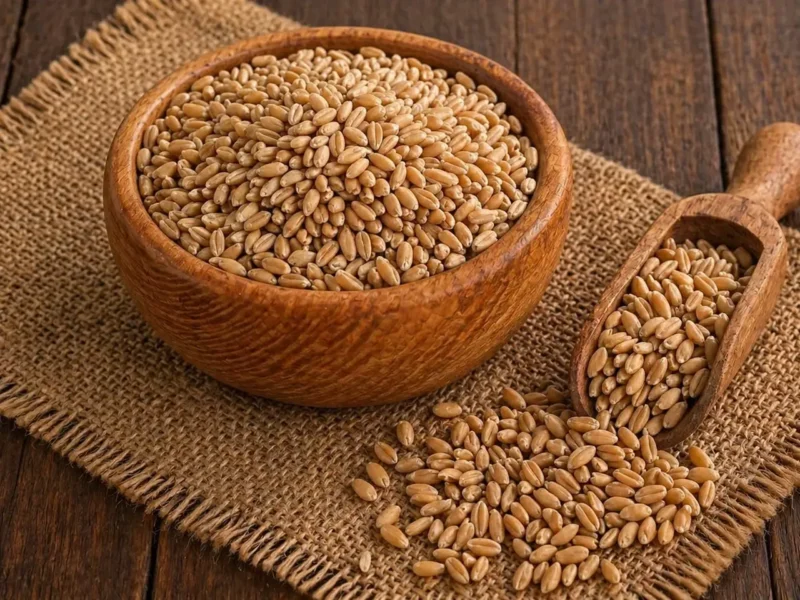
Sharbati wheat is a premium bread wheat from Madhya Pradesh, best known from Sehore district, with golden grains and a slightly sweet taste that makes soft, high-quality atta. Lokwan is a bold, high-yielding bread wheat grown in Gujarat, Madhya Pradesh and Maharashtra, valued for everyday chapati flour. Together with durum and a range of modern milling varieties, they make up the main types of wheat in India. This guide compares them for millers, importers and flour buyers.
Key takeaways
- Most Indian wheat is bread wheat (Triticum aestivum); durum and emmer (khapli) are grown on a much smaller area.
- Sharbati received a Geographical Indication (GI) in 2023 as “Sharbati Gehu” of Madhya Pradesh and sells at a premium.
- Lokwan is a widely grown, bold-grain variety used mainly for chapati atta.
- For export, buyers specify protein, wet gluten, test weight and moisture rather than a variety name.
What Are the Main Wheat Varieties in India?
India grows three species of wheat. Bread wheat makes up most of the crop. Durum wheat, used for pasta and semolina, is grown mainly in central India. Emmer wheat, known as khapli, is a traditional wheat grown on a small area in Maharashtra, Karnataka and nearby states.
Within bread wheat, Indian trade uses two kinds of names. Traditional trade names such as Sharbati, Lokwan and “MP wheat” describe the grain type and region, and they matter most in the domestic premium atta market. Modern varieties released by Indian research institutes, such as the HD, DBW and PBW series, make up most of the large-scale crop in the north. India grew a record 120.65 million tonnes of wheat in 2025-26, according to the government estimate, mainly in Uttar Pradesh, Madhya Pradesh, Punjab, Haryana and Rajasthan.
All Indian wheat is a rabi (winter) crop. It is sown from October to December and harvested from March to May, a little earlier in central India than in the north. New-crop wheat therefore reaches the market in spring, when choice is widest and quality is freshest. Our crop calendar shows the harvest windows for wheat and other Indian crops.
What Is Sharbati Wheat: Origin and Characteristics?
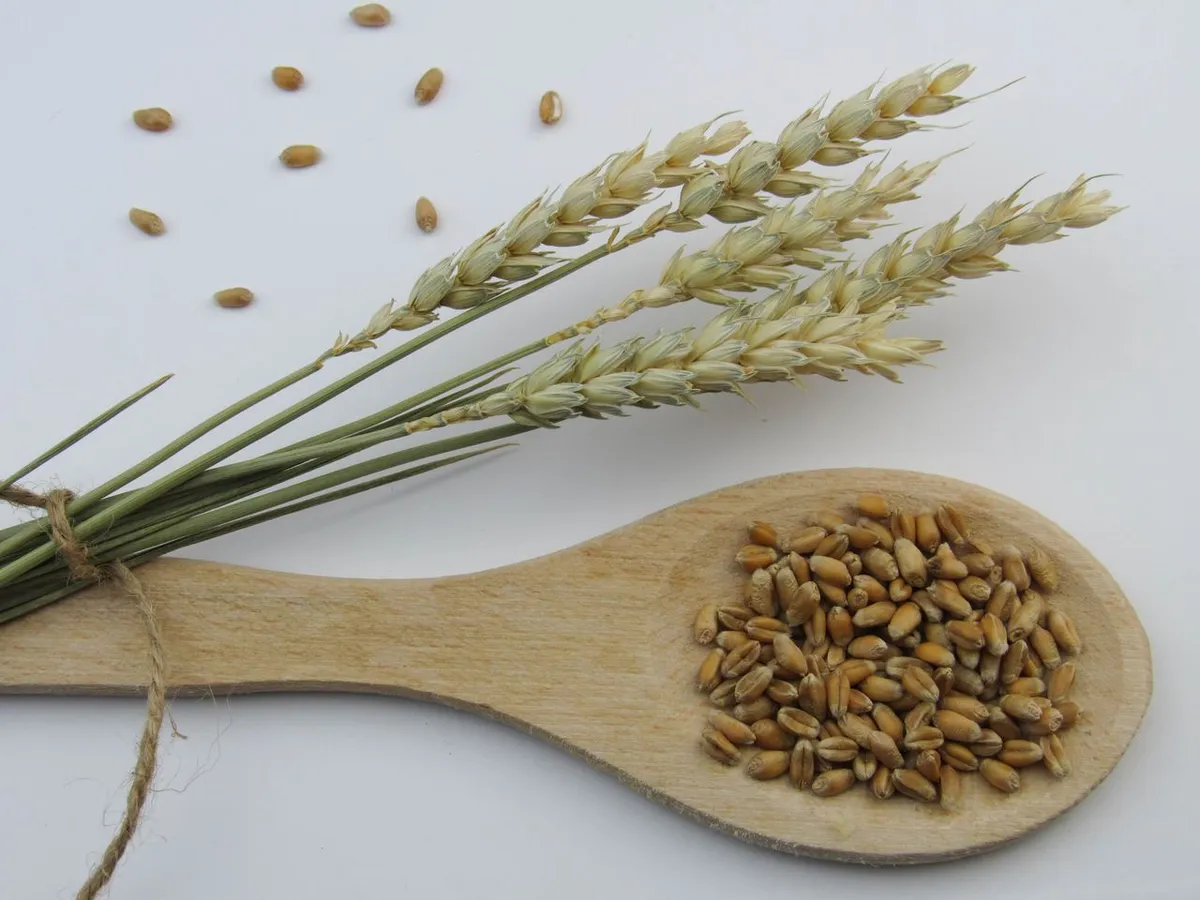
Sharbati wheat is a premium bread wheat from Madhya Pradesh, and Sehore district is its best-known and largest-producing area. In 2023 it received a Geographical Indication as “Sharbati Gehu”, which protects the name for wheat from its defined region.
Sharbati is often called the “golden grain” because of its golden, lustrous kernels. The grains are uniform and medium to bold in size. The flour is fine and makes soft chapatis, and many consumers find its taste slightly sweet. The crop is grown in the rabi season, sown from October to December and harvested from February to May, mainly in the black soils of central Madhya Pradesh.
In the trade, Sharbati sells at a clear premium over ordinary wheat. Its main market is premium branded atta in India and in South Asian shops abroad. Because the name carries value, buyers should ask for origin details and, where needed, GI documentation, as some wheat sold as “Sharbati” may be blended.
What Is Lokwan Wheat: Origin and Characteristics?
Lokwan wheat is a bold-grain bread wheat that takes its name from the Lok-1 variety, developed in Gujarat. It is widely grown in Gujarat, Madhya Pradesh, Maharashtra and Rajasthan, and it is one of the most familiar wheat names in western and central India.
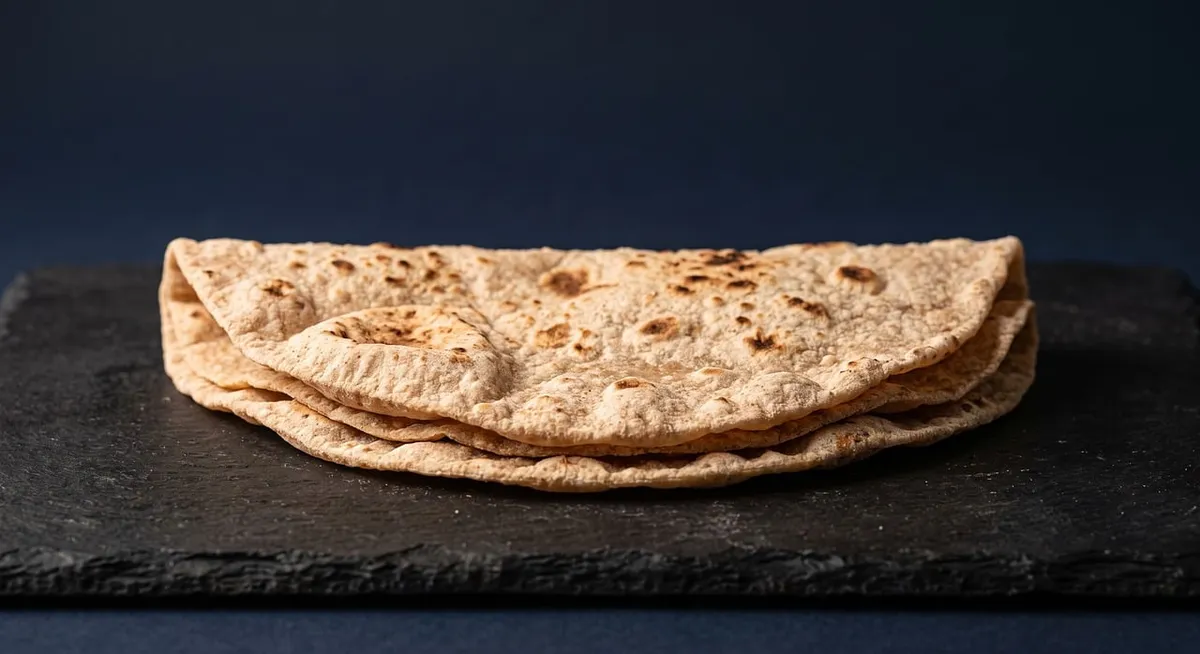
Lokwan has large, bold, amber grains and good yields. Its flour makes soft, well-puffed chapatis, so it is a common choice for household atta and for flour mills in western India. Lokwan usually costs less than Sharbati, while still being seen as a quality wheat. Many families in Gujarat and Maharashtra buy a year’s supply of Lokwan grain after harvest and have it ground locally.
The difference between Lokwan and Sharbati is mainly in grain look, taste and price. Sharbati has a golden lustre, a finer and slightly sweeter flour and a premium price. Lokwan has a bolder amber grain, good chapati quality and a lower price, which makes it the everyday choice for many households.
What About Durum and Other Milling Wheats?
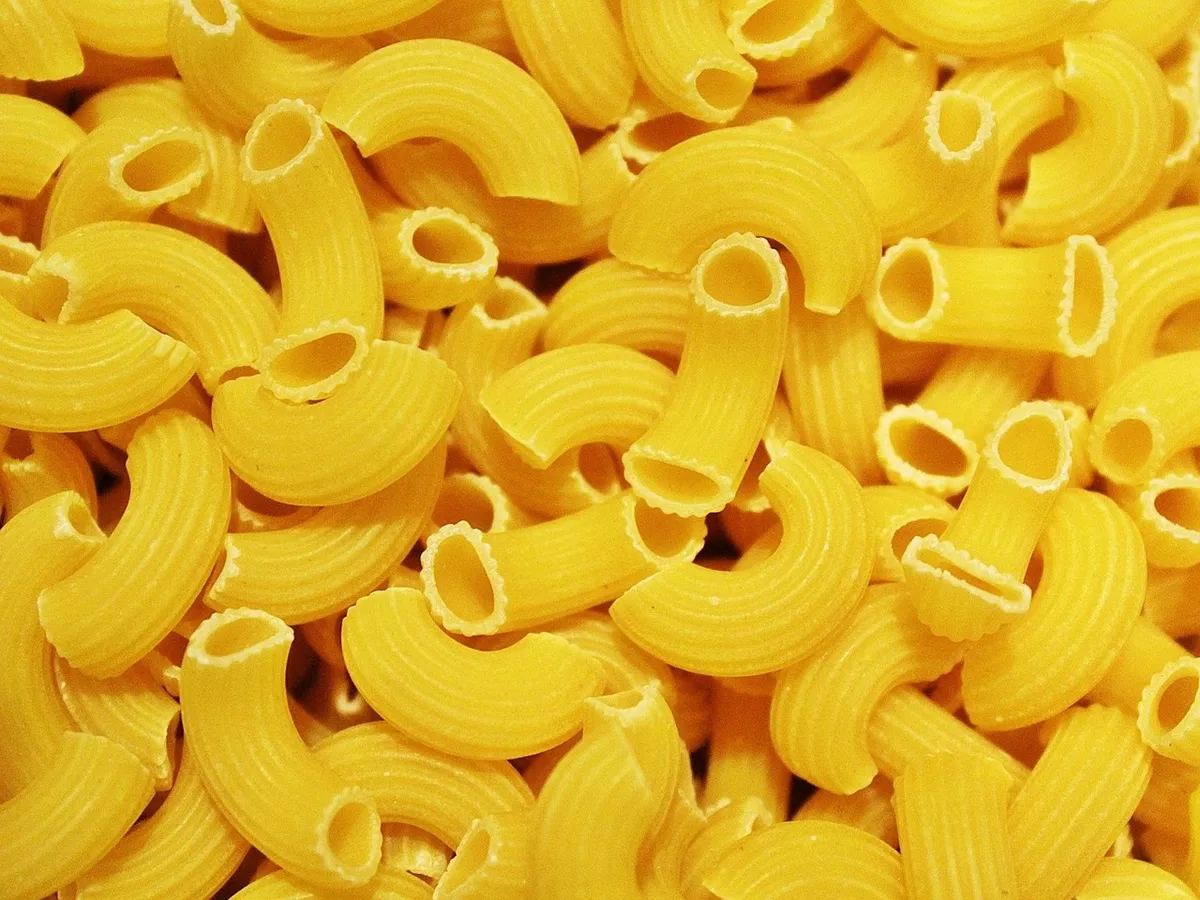
Durum wheat (Triticum durum) is a hard, amber wheat with high protein and strong yellow colour, used for pasta, semolina (suji or rava) and some breads. In India it is grown mainly in Madhya Pradesh, especially the Malwa region, and in parts of Rajasthan, Gujarat and Maharashtra. Durum gives a coarse, golden semolina that holds its shape when cooked, which is why pasta makers prefer it.
Other milling wheats include:
- Modern bread wheat varieties: high-yielding varieties from the HD, DBW, PBW and similar series dominate Punjab, Haryana and Uttar Pradesh. They supply most of the wheat that goes to roller flour mills for atta, maida and bakery flour.
- MP wheat (general): a trade term for hard, bright wheat from Madhya Pradesh, valued by atta mills across India.
- Khapli (emmer) wheat: an ancient, hulled wheat with a nutty taste, grown on a small scale and sold as a niche health product.
How Do Indian Wheat Varieties Compare?
The table compares the main types of wheat in India by grain, region and use.
| Type | Species | Main region | Grain | Main use | Price level |
|---|---|---|---|---|---|
| Sharbati | Bread wheat | Madhya Pradesh (Sehore, Vidisha) | Golden, lustrous, medium to bold | Premium atta | Premium |
| Lokwan | Bread wheat | Gujarat, MP, Maharashtra, Rajasthan | Bold, amber | Household atta, chapati | Medium |
| Modern milling varieties (HD, DBW, PBW series) | Bread wheat | Punjab, Haryana, Uttar Pradesh | Medium, amber to white | Roller-milled atta, maida, bakery | Standard |
| Durum | T. durum | Madhya Pradesh (Malwa), Rajasthan | Hard, large, amber | Pasta, semolina, suji | Medium to premium |
| Khapli (emmer) | T. dicoccum | Maharashtra, Karnataka | Hulled, reddish | Niche health flour | Premium |
Main types of wheat in India compared.
Which Milling Grades and Quality Parameters Matter?
For export and industrial milling, buyers specify wheat by quality figures rather than by variety name. The main parameters are protein, wet gluten, test weight, moisture and the share of damaged, broken and foreign material.
- Protein: Indian milling wheat is typically 10.5–12%. Grades of 11.5% and above suit bread and atta mills, while 10.5–11% suits general flour and feed blends.
- Wet gluten: 26% or more for good dough strength.
- Test weight: 76–77 kg/hl or more shows well-filled grain and good flour yield. Codex sets a minimum of 68 kg/hl.
- Moisture: 12% maximum for export, against a Codex limit of 14.5%.
- Physical limits: foreign matter of 0.75% or less, damaged grains 2% or less, weevilled grains 1% or less and shrivelled or broken grains 6% or less.
- Safety: mycotoxins (DON, aflatoxin, ochratoxin A) and pesticide residues within destination limits, and a Karnal bunt declaration where the importing country requires it.
For the best milling wheat for flour, match the wheat to the product. Sharbati and Lokwan suit premium and household atta. Higher-protein bread wheat suits bread and bakery flour. Durum suits pasta and semolina. You can read more in our guide to what wheat flour is and compare other grains in types of corn.
Related reading: Processing of Corn: How Maize Is Milled into Grits, Meal and Flour.
How Do You Source Sharbati and Other Wheat from India?
Indian wheat exports were banned in May 2022 and became “Free” again on 24 August 2026 under DGFT Notification 35/2026-27. Indian wheat is already moving to Bangladesh, Sri Lanka and the Gulf. Policy has changed quickly in the past when domestic prices rose, so check the current DGFT status before every contract. For Sharbati wheat or another named type, state the variety, origin and quality figures in your enquiry.
Elysium Agri Corporation exports machine-cleaned, graded Indian milling wheat from the 2026 crop, with 10.5–12% protein, moisture of 12% or less and test weight of 76 kg/hl or more. Durum is available on request. We pack in 25 or 50 kg PP bags or 1 MT jumbo bags, and a 20 ft container holds about 24–25 MT. We also supply wheat flour. Every lot is tested before loading; see our lab testing page.
Each shipment travels with a phytosanitary certificate, a certificate of origin and a Certificate of Analysis for moisture, protein and quality, mycotoxins and pesticides, plus a fumigation certificate where required. On request, an independent surveyor such as SGS can sample the wheat at loading. Ask for a type sample before you contract, and use the same test methods for the pre-shipment and arrival checks so that results can be compared.
Tell us the wheat type, protein grade, quantity and destination port, and we will confirm the current export status and send a quote. Request a wheat quote →
Frequently asked questions
What is Sharbati wheat?
Sharbati wheat is a premium bread wheat from Madhya Pradesh, best known from Sehore district. It has golden, lustrous grains and a fine, slightly sweet flour that makes soft chapatis. It received a Geographical Indication as Sharbati Gehu in 2023 and sells at a premium, mainly as branded atta.
What is the difference between Lokwan and Sharbati wheat?
Both are bread wheats used for chapati atta. Sharbati, from Madhya Pradesh, has golden lustrous grains, a finer and slightly sweeter flour and a premium price. Lokwan, from the Lok-1 variety developed in Gujarat, has bold amber grains, good chapati quality and a lower price, making it an everyday household wheat.
What is durum wheat used for?
Durum wheat is a hard, high-protein wheat with a strong yellow colour. It is milled into coarse semolina, called suji or rava in India, which is used for pasta, couscous, upma, halwa and some breads. Pasta makers prefer durum because its semolina holds its shape when cooked.
What types of wheat are grown in India?
India grows three species. Bread wheat makes up most of the crop and includes Sharbati, Lokwan and modern HD, DBW and PBW varieties. Durum wheat is grown mainly in Madhya Pradesh. Emmer wheat, called khapli, is grown on a small area in Maharashtra and Karnataka as a niche product.
Which Indian wheat variety is best for milling into flour?
It depends on the flour. Sharbati and Lokwan suit premium and household chapati atta. Higher-protein bread wheat, with 11.5% protein or more and wet gluten of 26% or more, suits bread and bakery flour. Durum is best for semolina and pasta. Buyers should specify protein, gluten and test weight.
Related reads


