
On this page
- Why Do Harvest Seasons Matter to Buyers?
- What Is the Harvest Season in India: Kharif and Rabi?
- What Is the Harvest Calendar by Commodity?
- When Are Peanuts and Sesame Harvested?
- When Are Cumin, Coriander and Other Seed Spices Harvested?
- When Are Pulses and Grains Harvested?
- How Should You Plan Purchases Around the Harvest?
- How Do You Source Each Commodity from India at the Right Time?
- Frequently asked questions
India has two main harvest seasons: the kharif harvest from about September to November, for monsoon crops such as groundnut, sesame, soybean, maize and moong, and the rabi harvest from about February to May, for winter crops such as cumin, coriander, chickpea and wheat. A smaller summer (zaid) harvest in May and June adds a second crop of groundnut, sesame and moong. Knowing the harvest season in India helps buyers plan contracts, book new crop and avoid paying peak prices for old stock. This guide sets out the timing crop by crop.
Key takeaways
- Kharif crops are sown with the monsoon in June and July and reach the market from October.
- Rabi crops are sown from October to December and arrive from February to May. Seed spices such as cumin and coriander are rabi crops.
- Groundnut, sesame and moong have both a kharif and a summer crop, so supply comes twice a year.
- Rainfall and the monsoon can move harvest dates by 2–4 weeks, so confirm timing with your supplier each season.
Why Do Harvest Seasons Matter to Buyers?
Harvest seasons matter because they decide when supply is widest, when prices are usually softer and when the freshest lots are available. Soon after a harvest, Indian mandis (wholesale markets) receive the most arrivals, and exporters can choose from many lots. Months later, the market runs on stored stock, and the choice of quality narrows.
Timing also affects quality. New-crop seeds usually have a brighter colour, a fresher aroma and stronger flavour. Long storage can raise the risk of insect damage, moisture changes and, in oilseeds, rancidity. Buyers who plan around the harvest can book new crop on time and agree specifications before the market moves.
What Is the Harvest Season in India: Kharif and Rabi?
India has three crop seasons, set by the monsoon and the winter.
- Kharif (monsoon) season: crops are sown in June and July when the southwest monsoon arrives, and harvested from September to November. Examples: groundnut, sesame, soybean, maize, moong, urad, bajra and kharif onion.
- Rabi (winter) season: crops are sown from October to December, after the monsoon, and harvested from February to May. Examples: wheat, chickpea, lentil, mustard, cumin, coriander, fennel, fenugreek and garlic.
- Zaid (summer) season: short crops sown from January to April on irrigated land and harvested from April to June. Examples: summer groundnut, summer sesame and summer moong.
Some long-duration crops cross seasons. Turmeric and tur (pigeon pea) are sown in the kharif season but harvested in winter, from December to April. The progress of the monsoon, which the India Meteorological Department tracks each year, is the main signal for kharif sowing and the size of the coming crop.
What Is the Harvest Calendar by Commodity?
The table shows typical months for India’s main export crops in a normal season. “New crop” is when fresh harvest reaches the market in volume. Our interactive crop calendar covers more crops and shows peak supply months.
| Crop | Season | Sowing | Harvest | New crop |
|---|---|---|---|---|
| Groundnut (kharif) | Kharif | Jun–Jul | Sep–Nov | Oct–Dec |
| Groundnut (summer) | Summer | Jan–Feb | Apr–Jun | May–Jun |
| Sesame (kharif) | Kharif | Jul | Sep–Nov | Oct–Nov |
| Sesame (summer) | Summer | Feb | May–Jun | May–Jun |
| Cumin | Rabi | Oct–Dec | Feb–Apr | Mar |
| Coriander | Rabi | Oct–Nov | Jan–Apr | Feb–Mar |
| Fennel | Rabi | Oct | Feb–Apr | Mar–Apr |
| Turmeric | Kharif (long) | Jun–Jul | Jan–Apr | Jan–Jun |
| Chickpea | Rabi | Oct–Nov | Feb–Apr | Mar–May |
| Moong (kharif / summer) | Kharif / Summer | Jun–Jul / Mar–Apr | Sep–Oct / Jun | Sep–Nov / Jun |
| Tur (pigeon pea) | Kharif (long) | Jun–Jul | Dec–Feb | Jan–Mar |
| Wheat | Rabi | Oct–Dec | Mar–May | Apr–Jun |
| Maize (kharif) | Kharif | Jun–Jul | Sep–Nov | Oct–Dec |
| Onion (rabi) | Rabi | Nov–Dec | Mar–May | Mar–May |
Typical months for a normal season. Monsoon timing, rainfall and state can move them by 2–4 weeks.
When Are Peanuts and Sesame Harvested?
Peanuts (groundnut) and sesame are harvested twice a year in Gujarat. The main kharif crop is sown in June and July and harvested from September to November, with new-crop arrivals from October. A summer crop, grown on irrigated land, is sown in January and February for groundnut, and in February for sesame, and harvested from April to June.

The kharif groundnut crop is the larger one, and its arrivals from October set the season’s price level for peanut kernels and in-shell peanuts. Peak supply runs from November to February. The best time to buy sesame from India is usually soon after either harvest: from October to January for the kharif crop, and from June to August for the summer crop. At these times, exporters have the widest choice of lots for cleaning and grading. Our peanut and sesame pages show the grades available.
When Are Cumin, Coriander and Other Seed Spices Harvested?
Cumin, coriander and the other seed spices are rabi crops, harvested in late winter and spring. They grow mainly in Gujarat and Rajasthan, and Unjha in Gujarat is Asia’s largest cumin market.
- Cumin: sown from October to December, harvested from February to April. New crop arrives in March, and peak supply runs from March to May.
- Coriander: sown in October and November, harvested from January to April, with new crop in February and March.
- Fennel: sown in October, harvested from February to April, with new crop in March and April.
- Fenugreek and nigella (kalonji): harvested from February to April.
- Turmeric: a long-duration crop harvested from January to April, with new crop on the market from January to June.

Seed spices are sensitive to weather near harvest. Unseasonal rain or a cold spell in February and March can affect yield, colour and aroma, so buyers should watch crop reports in those months.
When Are Pulses and Grains Harvested?
Pulses and grains are harvested in both main seasons. Chickpea, lentil, field peas and wheat are rabi crops, harvested from February to May. Moong, urad, maize, bajra and soybean are mainly kharif crops, harvested from September to November. Tur (pigeon pea) is sown in the kharif season but harvested from December to February.
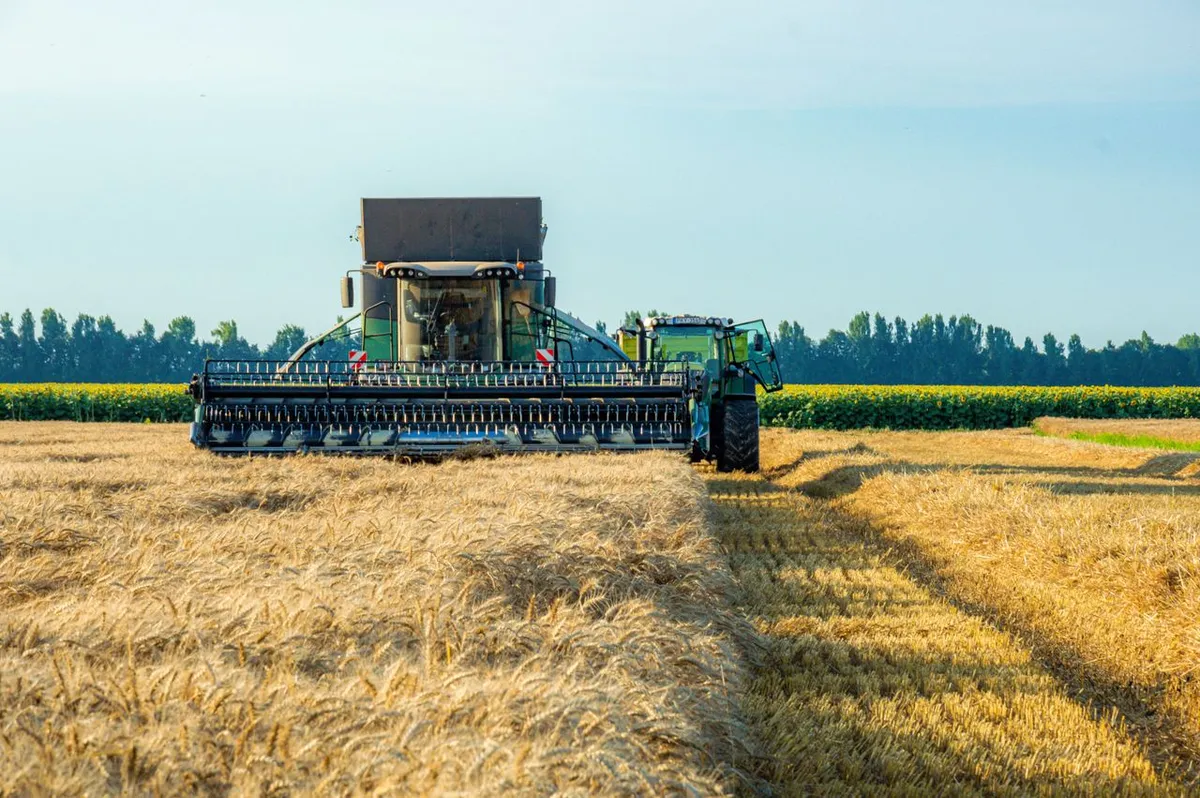
Maize has a large kharif crop (about 60% of output) and a smaller rabi crop harvested from March to May, so feed buyers can source fresh maize twice a year. Moong also has a summer crop harvested in June.
For chickpeas, new crop arrives from March to May, and supply stays wide until about June. Processed products follow the raw crop too. Onion for dehydration is dried mainly during the Gujarat onion harvest, from about February to May, and garlic follows the spring harvest. Finished dehydrated stock is then shipped all year round, so buyers of onion flakes and powder can contract at any time, but the best choice of fresh production comes in spring.
How Should You Plan Purchases Around the Harvest?
Plan purchases by working back from the new-crop month. A simple approach works for most buyers:
- Two to three months before harvest: follow sowing area and weather reports, and share your annual volume with your supplier.
- At new-crop arrival: ask for samples from fresh lots, confirm the grade and test results, and fix the contract.
- Through the year: spread shipments to match your use, so you are not holding large stocks.
- Before old crop runs out: avoid buying the last of the old stock at high prices, unless the new crop is late.
Remember transit time. A shipment that leaves India in March may reach Europe or the USA in April or May. If you need new-crop cumin on your shelves by May, for example, plan to contract in March and ship as soon as cleaned and tested lots are ready. Use our landed cost calculator to compare timing and price.
Related reading: Agri Export from India: Why Buyers Source Agro Commodities Here and How to Import Food to the UK: IPAFFS, Checks and Documents.
How Do You Source Each Commodity from India at the Right Time?
The harvest season in India gives a clear rhythm: kharif oilseeds and pulses from October, rabi spices, chickpeas and wheat from February to May, and a summer crop of groundnut and sesame in May and June. Share your annual plan with your exporter, and agree which shipments will come from new crop.
Elysium Agri Corporation is based in Jamnagar, Gujarat, close to the groundnut, sesame and seed spice belts of Saurashtra and within reach of Unjha. We export peanuts, sesame, spices, pulses, grains, dehydrated vegetables and feed ingredients, and every lot is tested before shipment; see our lab testing page. Tell us your products, volumes and preferred shipment months, and we will plan new-crop supply with you. Request a new-crop quote →
Frequently asked questions
What is the harvest season for groundnut in India?
Groundnut has two harvests in India. The main kharif crop is sown in June and July and harvested from September to November, with new crop on the market from October to December. A smaller summer crop is sown in January and February and harvested from April to June, with arrivals in May and June.
When is cumin harvested in India?
Cumin is a rabi crop. It is sown from October to December and harvested from February to April, mainly in Gujarat and Rajasthan. New-crop cumin arrives in the market in March, and supply is widest from March to May, especially at Unjha in Gujarat, which is Asia's largest cumin market.
What is the best time to buy sesame from India?
The best time is usually soon after a harvest, when exporters have the widest choice of fresh lots. For the kharif crop that means about October to January. For the summer crop it means about June to August. Prices and quality still depend on the weather and the size of each crop.
Which crops in India have two harvest seasons?
Groundnut, sesame and moong have both a kharif crop and a summer crop. Maize has a large kharif crop and a smaller rabi crop. Jowar and bajra can also be grown in two seasons, and onion has kharif, late kharif and rabi crops, so supply of these crops comes at more than one time of year.
How does harvest timing affect commodity quality?
New-crop produce usually has brighter colour, fresher aroma and stronger flavour, and offers the widest choice of lots. As stocks age, the risk of insect damage, moisture change and, in oilseeds, rancidity rises. Rain near harvest can also affect colour and aroma, especially for seed spices, so timing matters.
Related reads


