
On this page
- Why Buy Agro Commodities from India?
- What Are India’s Strengths in Agri Export?
- Where Do Key Crops Come From in India?
- What Range of Products Is Available from One Origin?
- Which Trade-offs and Risks Should Buyers Plan For?
- How Can You Reduce Sourcing Risk?
- How Do You Source Agro Commodities from India with Elysium?
- Frequently asked questions
India is one of the world’s leading agri export origins, shipping agricultural products worth about US$ 52.55 billion in 2025-26, led by rice, marine products and spices. Buyers source from India for its scale, its wide range of crops from one origin, two main growing seasons and competitive prices. India also brings trade-offs, from quality variation between lots to strict residue checks in some markets. This guide explains India’s strengths, where key crops come from, the risks to plan for and how to reduce them.
Key takeaways
- India’s agricultural exports grew from US$ 32.08 billion in 2014-15 to US$ 52.55 billion in 2025-26.
- One origin can supply oilseeds, spices, pulses, grains, dehydrated vegetables and feed ingredients, often in mixed containers.
- Each crop has a home region, such as Gujarat for groundnut, sesame and cumin, and Madhya Pradesh for soybean and flax.
- The main risks are quality variation, pesticide residues, policy changes and weather. Lot-wise testing and clear contracts reduce them.
Why Buy Agro Commodities from India?
Buyers source agro commodities from India because it combines large production, a very wide product range and competitive pricing in one origin. India is among the world’s largest producers of pulses, spices, groundnuts, sesame and many other crops, so exporters can usually offer consistent volumes across the year.
According to the Press Information Bureau, India’s agricultural exports reached US$ 51.12 billion in 2024-25 and US$ 52.55 billion in 2025-26. Rice was the largest item at about US$ 11.5 billion, followed by marine products at US$ 8.4 billion and spices at US$ 4.3 billion. Other major agri export groups include oilseeds and oil meals, fresh and processed fruit and vegetables, pulses, and dairy and meat products.
Growth has been steady over the past decade, from US$ 32.08 billion in 2014-15. For importers of dry commodities, Gujarat is a natural starting point. The state grows most of India’s export groundnut, a large share of its sesame, cumin and fennel, and most of its dehydrated onion, and it has major ports such as Mundra, India’s largest private port. Exporters based there can buy, clean and load several products within a short distance.
What Are India’s Strengths in Agri Export?
India’s strengths in agricultural exports come from its climate, its farming base and its trade infrastructure.
- Scale and diversity: India’s range of climates allows tropical, subtropical and temperate crops in one country.
- Two main seasons: the kharif (monsoon) and rabi (winter) seasons, plus a summer crop for some products, give supply at different times of the year. Groundnut, sesame and moong are harvested twice a year.
- Processing capacity: clusters for cleaning, sortex sorting, hulling, dehydration, milling and oil extraction sit close to the farms.
- Trade institutions: APEDA, the Spices Board and FSSAI set export procedures, testing and registrations, and NABL-accredited labs test export lots.
- Ports: west-coast ports such as Mundra, Kandla (Deendayal) and Pipavav in Gujarat give direct sailings to the Middle East, Europe, Africa and the Americas.
- Price: lower production costs often make Indian origin competitive, especially for labour-intensive grades such as hand-picked or sortex-cleaned seeds.
Where Do Key Crops Come From in India?
Each Indian crop has a home region where most export supply is grown, traded and processed. Knowing the region helps you judge quality, timing and logistics.
| Crop | Main regions | Trade or processing hub |
|---|---|---|
| Groundnut (peanuts) | Gujarat (Saurashtra) | Rajkot, Jamnagar, Junagadh, Amreli |
| Sesame | Gujarat | Rajkot, Amreli, Unjha, Jamnagar |
| Cumin | Gujarat and Rajasthan | Unjha |
| Fennel | Gujarat and Rajasthan (about 96% of India’s crop) | Unjha |
| Coriander | Madhya Pradesh, Gujarat, Rajasthan | Guna, Gondal, Kota, Ramganj Mandi |
| Turmeric | Tamil Nadu, Telangana, Maharashtra | Erode, Salem, Nizamabad, Sangli |
| Psyllium (isabgol) | Gujarat and Rajasthan | Unjha (milling) |
| Flax (linseed) | Madhya Pradesh, Uttar Pradesh, Chhattisgarh | Central India |
| Soybean and soymeal | Madhya Pradesh, Maharashtra, Rajasthan | Solvent extraction plants |
| Dehydrated onion | Gujarat white onion belt | Mahuva |
| Garlic | Madhya Pradesh | Dehydration units in Gujarat |
| Potato (flakes) | Gujarat (Deesa–Mehsana belt) | Drum-drying plants in Gujarat |
Main growing regions and hubs for export supply. Smaller volumes come from other states.
Timing matters as much as place. Our guide to the harvest seasons of Indian crops and the interactive crop calendar show when each crop is new on the market.
What Range of Products Is Available from One Origin?
From one Indian origin, a buyer can source a complete basket of dry agri products. This lets importers consolidate suppliers, documents and shipping.
- Oilseeds and nuts: peanut kernels, in-shell, blanched and roasted peanuts, and natural, hulled and black sesame.
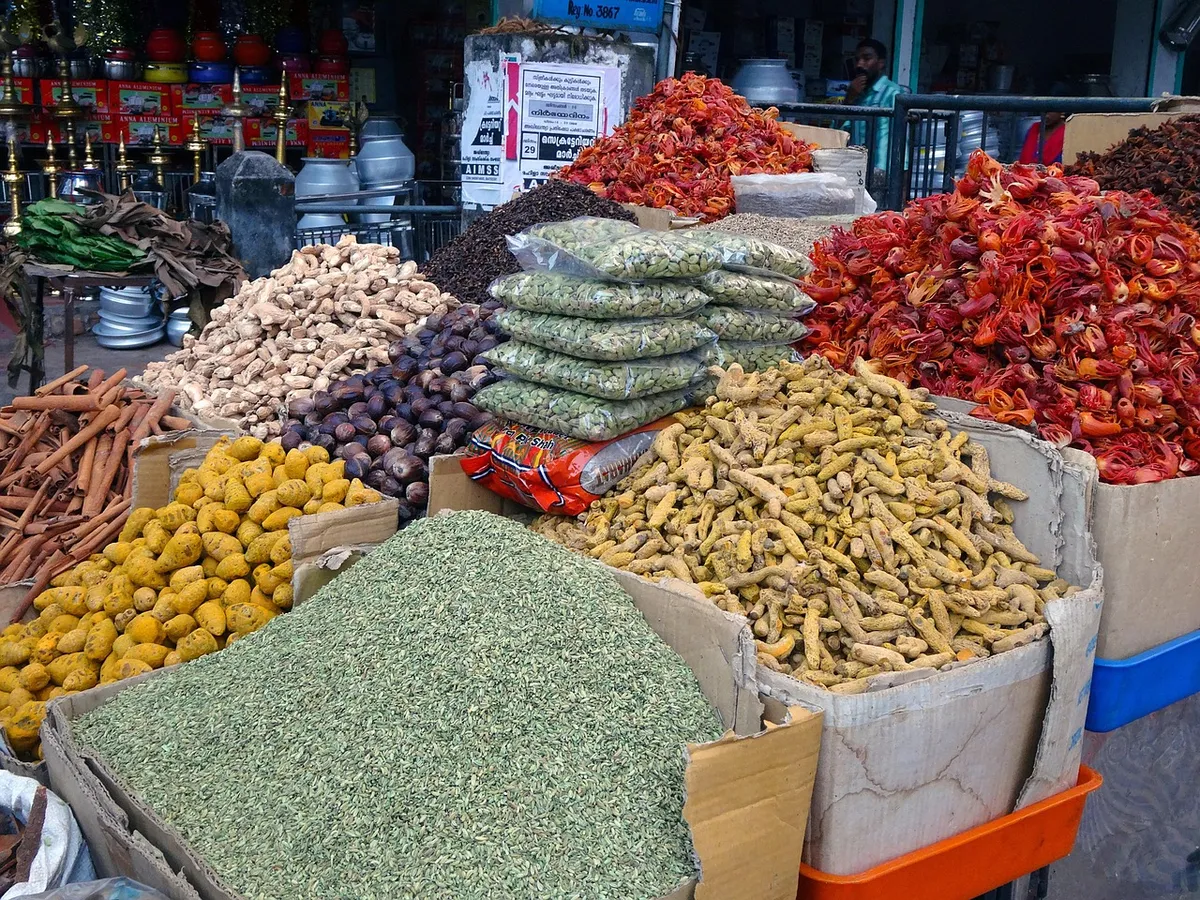
- Seed spices and spices: cumin, coriander, fennel, fenugreek, kalonji, turmeric, dry ginger.
- Pulses: kabuli and desi chickpeas, moong, urad, lentils, pigeon peas.
- Grains and flours: wheat, maize, millets, wheat flour, corn flour and grits.
- Dehydrated vegetables: onion and garlic flakes, granules and powder, potato flakes and powder.
- Feed ingredients: soymeal, rapeseed meal, groundnut DOC, corn DDGS and de-oiled rice bran.
Many buyers combine several products in one container to test new lines or to keep stock low. Our guide to mixed container shipping from India explains how this works. See our full product range. Retail brands can also source finished, branded packs; our guide to private label food sourcing from India covers the process.
Which Trade-offs and Risks Should Buyers Plan For?
Importing from India brings real benefits, but buyers should plan for some risks.
- Quality variation: much Indian produce comes from many small farms, so lots can vary in purity, colour and moisture. Cleaning and grading by the exporter are essential.
- Residues and contaminants: pesticide residues, aflatoxin, Salmonella and ethylene oxide have led to rejections in strict markets. Some Indian products face increased border checks in the EU.
- Policy changes: India sometimes restricts or opens exports of staples such as wheat, rice or onion to manage domestic prices.
- Weather: the monsoon and unseasonal rain affect crop size, quality and price.
- Supplier reliability: as in any origin, some sellers overpromise or are not properly registered.
These risks are not equal for every product or market. Bulk feed ingredients sold to mills that test on arrival carry less compliance risk than spices or sesame sold to EU retailers, where one failed residue test can mean a rejected container and a border alert. Plan your controls around the strictest market you sell into, and treat the cost of testing as part of the landed cost rather than an extra.
How Can You Reduce Sourcing Risk?
You can reduce most sourcing risk with clear specifications, testing and supplier checks. The steps that matter most are:
- Verify the exporter: check the IEC on the DGFT portal, the GSTIN, the APEDA RCMC or Spices Board CRES, and the FSSAI licence. Our verify page shows how.
- Write a full specification: grade, purity, moisture, size or count, and residue limits for your market.
- Insist on lot-wise testing: a Certificate of Analysis from an NABL-accredited lab for every shipment, matched to the lot code.
- Use independent inspection such as SGS for first orders or large contracts.
- Choose safe payment terms: part advance with balance against documents, cash against documents or a letter of credit at sight.
- Buy at the right time: book new crop, and spread shipments to manage price and weather risk.
Start small with a new supplier. A trial container, a sealed reference sample and a clear claims procedure in the contract show how the exporter handles quality before you commit to larger volumes. Agree the Incoterm, such as FOB or CIF, so both sides know who books freight and insurance, and compare offers on a landed cost basis with our landed cost calculator.
How Do You Source Agro Commodities from India with Elysium?
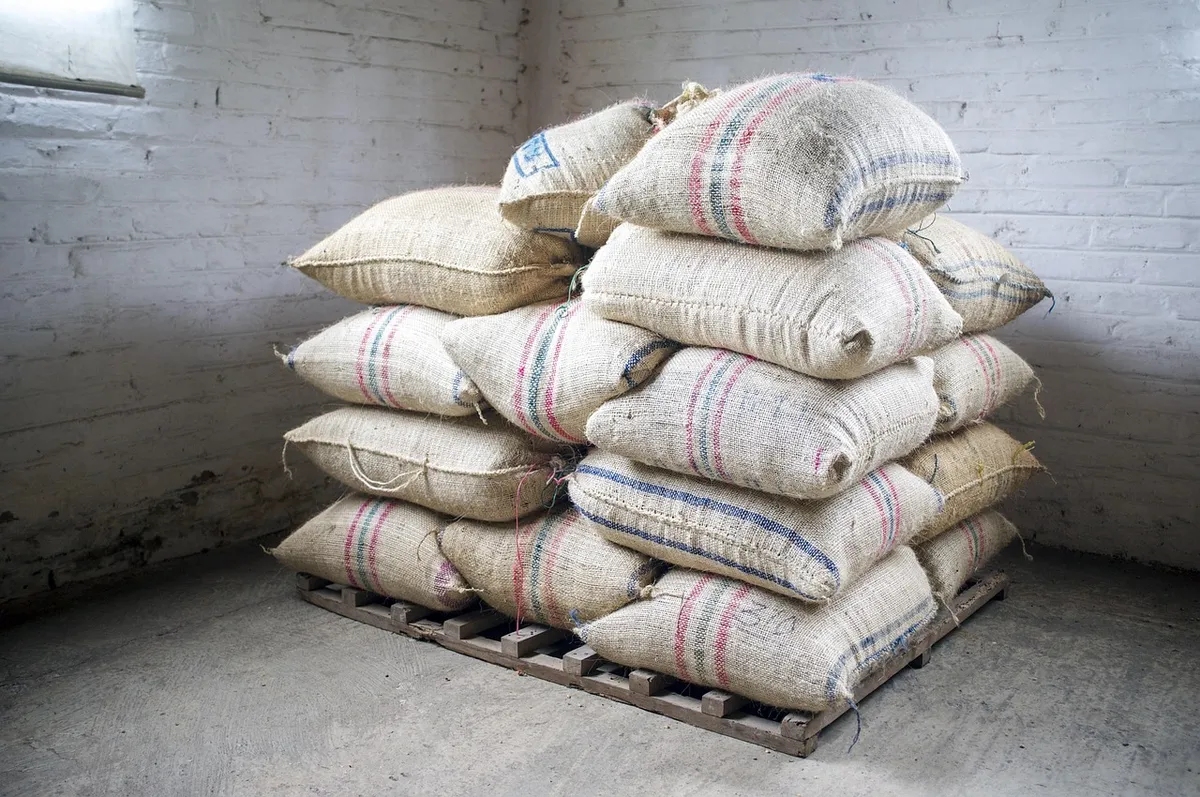
Elysium Agri Corporation is an agri export company based in Jamnagar, Gujarat, close to the groundnut, sesame and seed spice belts and a short road haul from Mundra, Kandla and Pipavav. We buy close to the source, clean and grade each lot to your specification, and test every lot before shipment; see our lab testing page. Every bag carries a lot code that links it to its source and test records. Our registrations are listed on the certificates page, and we offer private label packing for retail brands.
Tell us the products, grades, quantities and destination port, and we will send a quote and specification sheet. Request an agri export quote →
Frequently asked questions
Why do buyers source agro commodities from India?
Buyers source from India for its large production, its wide range of crops from one origin and its competitive prices. Two main growing seasons give supply at different times of year, processing clusters sit close to farms, and west-coast ports offer direct sailings to the Middle East, Europe, Africa and the Americas.
Which agricultural products does India export most?
According to the Press Information Bureau, rice was India's largest agricultural export in 2025-26 at about US$ 11.5 billion, followed by marine products at US$ 8.4 billion and spices at US$ 4.3 billion. Oilseeds and oil meals, fruit and vegetables, pulses, and dairy and meat products are other major export groups.
What are the strengths of Indian agricultural exports?
India's strengths include scale, a diverse climate that supports many crops, kharif and rabi seasons, and processing capacity for cleaning, sortex sorting, hulling, dehydration and milling. Export bodies such as APEDA and the Spices Board set procedures and testing, and accredited labs test lots before shipment.
What are the challenges of importing from India?
The main challenges are variation in quality between lots from small farms, pesticide residues and contaminants such as aflatoxin or Salmonella in strict markets, occasional export policy changes for staples, and weather risk from the monsoon. Clear specifications, lot-wise testing, supplier verification and safe payment terms reduce these risks.
Which Indian regions are known for specific crops?
Gujarat's Saurashtra region is known for groundnut and sesame, Unjha for cumin, fennel and psyllium, and Mahuva for dehydrated onion. Madhya Pradesh supplies soybean, flax, garlic and much of the coriander, while turmeric comes from Erode and Salem, Nizamabad and Sangli. Potatoes for flakes come from north Gujarat.
Related reads


