
On this page
- How Do Food Imports Work in Southeast Asia?
- What Are the Food Import Requirements for Indonesia?
- What Are the Food Import Regulations in Vietnam?
- What Are the Food Import Rules in Malaysia?
- How Do the Requirements Compare by Country?
- Which Documents and Certificates Are Needed?
- What Labelling, Halal and Packaging Rules Should You Consider?
- How Do We Supply Southeast Asian Importers from India?
- Frequently asked questions
Indonesia’s food import requirements start with a licensed Indonesian importer, then add a product permit (BPOM registration for processed food, or a National Food Agency permit for fresh plant food), quarantine clearance by Barantin, a label in Bahasa Indonesia and, from 18 October 2026, halal certification or a non-halal label for food and drink. Vietnam and Malaysia follow similar steps with their own agencies. This guide compares the three markets so that you can prepare the right documents before shipment.
Key takeaways
- In all three countries the importer of record must be a locally registered business. The exporter supplies documents, but the importer holds the permits.
- Indonesia has the most layers: business licence, product permit, quarantine, labelling and the new halal rules.
- Vietnam relies on product self-declaration and risk-based food safety inspection at the border.
- Malaysia requires importer registration in FoSIM, permits for some products and checks by MAQIS. Halal claims must be certified by JAKIM or a body it recognises.
Last reviewed: 1 October 2026. Rules in these markets change often. Confirm current requirements with your customs broker or the agencies named below before each new product.
How Do Food Imports Work in Southeast Asia?
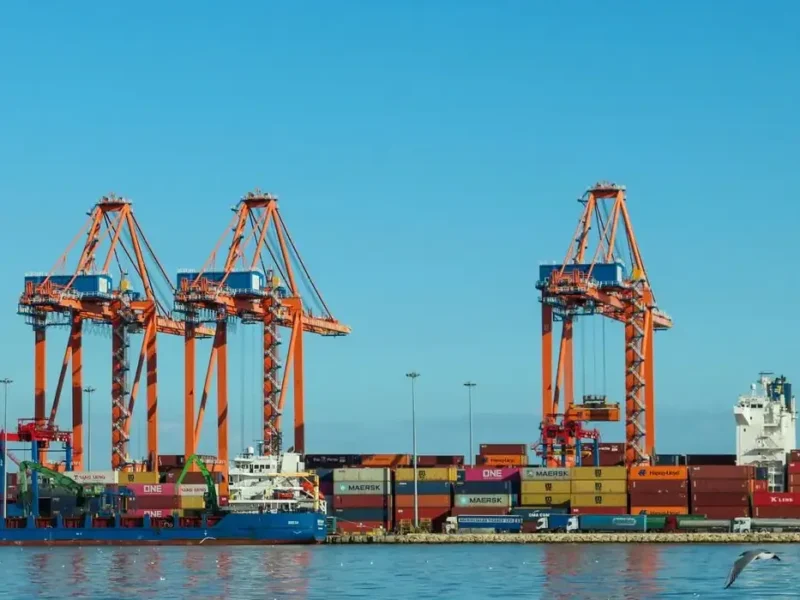
Food imports into Indonesia, Vietnam and Malaysia follow the same basic pattern. The importer is registered locally. The product is approved or declared before sale. The shipment is checked at the border for plant health and food safety. The label must be in the local language.
The main difference is who does what. Each country splits food control between several agencies, usually by product type: fresh plant products, processed foods, and meat and dairy. Most agro commodities from India, such as groundnuts, sesame, spices, pulses and maize, are treated as plant products. They therefore need a phytosanitary certificate from India’s plant protection authority as well as food safety checks.
Indonesia, Vietnam and Malaysia are all members of ASEAN, which has a free trade agreement with India. Goods that meet the rules of origin can enter at lower duty rates when they travel with a preferential certificate of origin. Our guide to the certificate of origin explains the forms.
What Are the Food Import Requirements for Indonesia?
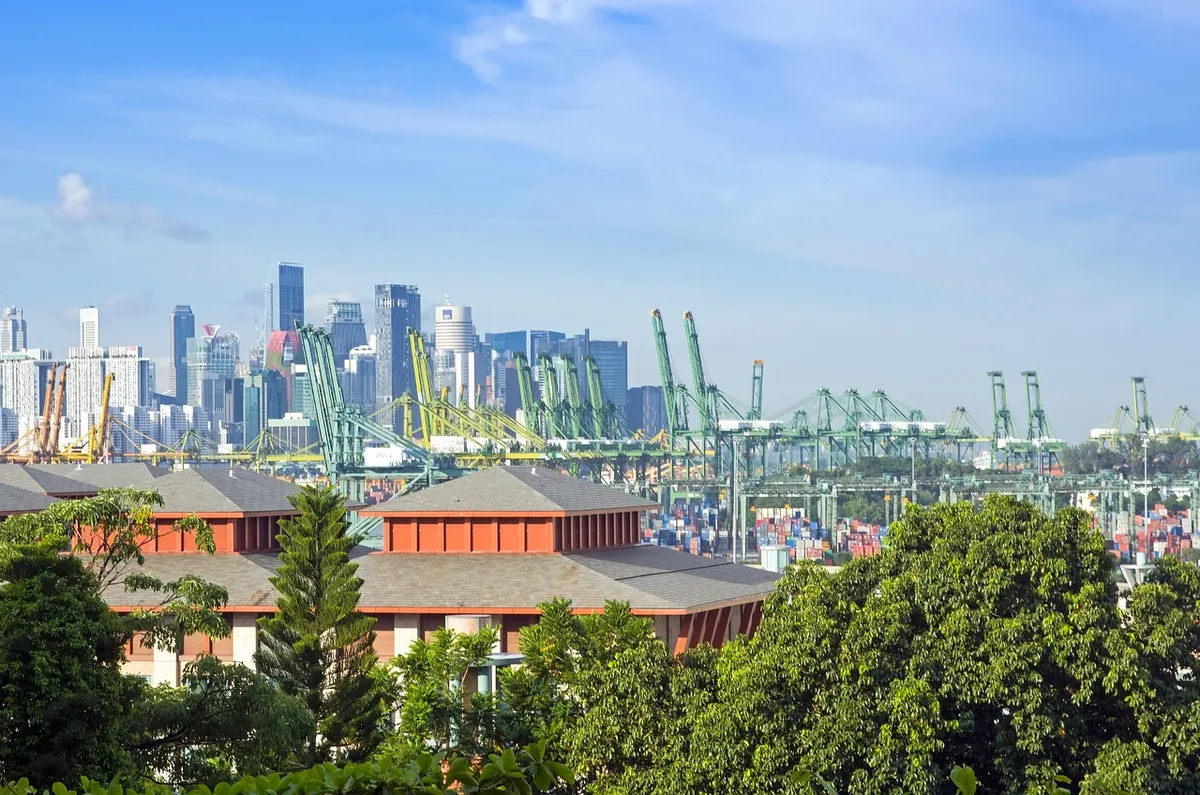
Indonesia requires a licensed importer, a product permit, quarantine clearance and a compliant label. The importer must hold a business identification number (NIB) through the government’s OSS online system, with the right business codes for food import and trade.
- Processed food: packaged and processed foods need registration with BPOM, the food and drug agency, which issues an ML number for imported products.
- Fresh food of plant origin (PSAT): raw or lightly handled plant foods, including dried products, need a circulation permit from the National Food Agency (Badan Pangan Nasional) under its Regulation 10 of 2025. The foreign facility must show food safety standards equal to Indonesia’s, backed by a certificate of analysis.
- Quarantine: Barantin, the Indonesian Quarantine Agency, inspects plant products at the port against the phytosanitary certificate.
- Import approvals: some horticultural products need an import recommendation and import approval before shipment. Check the HS code with your importer.
Indonesia is also bringing in mandatory halal certification. Under Government Regulation 42 of 2024, the deadline for imported food, beverages and slaughtering services is 18 October 2026. According to ChemLinked’s report on Indonesia’s WTO statement, non-halal products may still be imported if they carry a clear non-halal label. Foreign halal certificates from bodies that have a mutual recognition agreement with BPJPH, Indonesia’s halal agency, must be registered before the goods are sold.
What Are the Food Import Regulations in Vietnam?
Vietnam does not require a separate food import licence for most foods. Instead, the importing company must be legally registered, the product must be declared, and each shipment passes state food safety inspection at the border.
- Product self-declaration: most processed and packaged foods are self-declared by the importer under Decree 15/2018/ND-CP. Health supplements and foods for special diets must be registered before sale.
- Food safety inspection: imported food is checked under simplified, normal or tightened inspection. The level depends on the product’s risk and its compliance history.
- Agencies: the Ministry of Agriculture and Environment covers cereals and other plant products, meat and aquatic products. The Ministry of Health covers additives and functional foods. The Ministry of Industry and Trade covers products such as beverages and vegetable oils.
- Plant quarantine: plant products need a phytosanitary certificate and quarantine inspection on arrival. Some fresh plant products also need a pest risk analysis before they can be imported.
Labels must be in Vietnamese. Imported goods can carry the original foreign label with a Vietnamese sub-label added before sale.
What Are the Food Import Rules in Malaysia?
Malaysia controls food imports under the Food Act 1983 and the Food Regulations 1985. Every food importer must register in FoSIM, the Ministry of Health’s Food Safety Information System of Malaysia. Shipments are declared at customs and may be held, tested and released based on risk.
MAQIS, the Malaysian Quarantine and Inspection Services, enforces import conditions for plant, animal and fish products. Some products need an import permit before shipment. According to Baker McKenzie’s Malaysia food law guide, an e-permit is valid for one consignment for 30 days, extendable to 60 days.
Food labels must be in Bahasa Malaysia. English may be added. Halal certification is mandatory for meat and poultry, which must come from plants approved by Malaysian authorities. For other foods, halal certification is not a general import condition. However, any halal claim or logo must be backed by JAKIM or a foreign certifier that JAKIM recognises.
How Do the Requirements Compare by Country?
The table summarises the main food import requirements in Indonesia, Vietnam and Malaysia for agro commodities and processed foods from India.
| Requirement | Indonesia | Vietnam | Malaysia |
|---|---|---|---|
| Importer registration | NIB via OSS, with food import business codes | Registered enterprise; no general food import licence | FoSIM registration with the Ministry of Health |
| Product approval | BPOM (processed) or National Food Agency PSAT permit (fresh plant food) | Self-declaration for most foods; registration for special foods | Import permits for listed products |
| Plant quarantine | Barantin | Plant protection authority | MAQIS |
| Border food safety check | Quarantine and document checks | Simplified, normal or tightened inspection | Risk-based; hold, test and release |
| Label language | Bahasa Indonesia | Vietnamese (sub-label allowed) | Bahasa Malaysia (English may be added) |
| Halal | Mandatory for imported food and drink from 18 Oct 2026, or non-halal label | Voluntary | Mandatory for meat; any halal claim must be JAKIM-recognised |
Summary for planning only. Confirm current rules with your importer or broker.
Which Documents and Certificates Are Needed?
For most Indian agro commodities, the core document set is the same for all three markets. Your importer may add local forms, but the exporter usually provides:
- Commercial invoice and packing list.
- Bill of lading.
- Phytosanitary certificate issued by India’s Plant Quarantine Organisation.
- Certificate of origin, preferably the preferential ASEAN-India form for lower duty.
- Certificate of analysis from an accredited laboratory, covering moisture, aflatoxin, pesticide residues and microbiology as required.
- Fumigation certificate, where the importing country or contract requires it.
- Halal certificate, if the product is sold as halal.
Make sure the product name, HS code, weights and lot numbers match across every document. Our export documentation guide explains each document in more detail, and our HS code finder helps you agree the code with your broker.
What Labelling, Halal and Packaging Rules Should You Consider?
Labelling rules apply mainly to retail packs. Bulk commodities in 25 or 50 kg bags for processing usually need only shipping marks, but the local processor must label the final product. If you buy retail or private-label packs from India, agree the label text with your supplier before printing. It should include the product name, ingredients, net quantity, dates, the importer’s name and address, the country of origin and any allergen statement, in the local language.
Halal is a key commercial question in Indonesia and Malaysia, which have large Muslim populations. Indian exporters can obtain halal certificates from Indian bodies, but check that the certifier is recognised by BPJPH or JAKIM for your market. Our article on halal certification in India covers the process.
Packaging should protect against heat and humidity on the voyage and in tropical warehouses. Liners, desiccants and moisture limits in the contract reduce the risk of mould and aflatoxin.

Related reading: How to Prepare for a Trade Show: A Guide for Food Importers and GACC Registration: How to Export Food to China from India.
How Do We Supply Southeast Asian Importers from India?
Southeast Asia is already a major market for Indian agro commodities. According to APEDA, India exported 6.64 lakh tonnes of groundnuts in 2025-26, mainly to Indonesia, Vietnam, Malaysia, China and the Philippines. Vietnam and Indonesia are also leading buyers of Indian sesame. Malaysia buys Indian maize grits, maize flour and potato flakes.
Elysium Agri Corporation exports groundnuts, sesame, spices, pulses, grains and dehydrated products from Jamnagar, Gujarat. We prepare the phytosanitary certificate, certificate of origin and lot-wise certificate of analysis for each shipment, and our registrations are on the certificates page. If you are new to the Indonesia food import requirements, or to Vietnam or Malaysia, tell us your product and port and we will help you prepare the right document set.
Send us your product, quantity and destination port for a quote. Request a Southeast Asia export quote →
Frequently asked questions
What are the food import requirements for Indonesia?
Indonesia requires a locally licensed importer with an NIB, a product permit (BPOM registration for processed food or a National Food Agency PSAT permit for fresh plant food), quarantine clearance by Barantin with a phytosanitary certificate, and a label in Bahasa Indonesia. From 18 October 2026, imported food and drink also need halal certification or a non-halal label.
Do I need a licence to import food into Vietnam?
Vietnam does not issue a general food import licence for most foods. The importer must be a registered enterprise, most processed foods are self-declared, and each shipment passes state food safety inspection at simplified, normal or tightened level. Plant products also need a phytosanitary certificate and quarantine inspection, and some fresh plant products need a pest risk analysis first.
What labelling rules apply to food imports in Malaysia?
Under the Food Regulations 1985, food labels in Malaysia must be in Bahasa Malaysia, and English may be added. Labels should show the product name, ingredients, net quantity, dates, the importer's name and address, and the country of origin. Bulk commodities for processing usually need only shipping marks, but the final retail product must be labelled.
Is halal certification required for food imports in Malaysia?
Halal certification is mandatory for meat and poultry imported into Malaysia, which must come from approved plants. For most other foods it is not a general import condition. However, any halal claim or logo on the product must be certified by JAKIM or a foreign halal body that JAKIM recognises, and many Malaysian buyers ask for it commercially.
Which agro commodities are commonly imported from India into Southeast Asia?
Groundnuts are a leading example: Indonesia, Vietnam and Malaysia are among the largest buyers of Indian groundnuts. Vietnam and Indonesia also buy large volumes of Indian sesame, and Vietnam imports Indian maize. Malaysia buys Indian maize grits, maize flour and potato flakes. Spices, pulses and oilseed meals are also traded across the region.
Related reads


