
On this page
- What Is Private Label Food Sourcing?
- What Is the Difference Between Private Label and White Label?
- Which Products Are Suited to Private Label?
- How Does the Private Label Manufacturing Process Work, Step by Step?
- What Should You Know About Packaging, Labelling and Artwork?
- How Do Samples, Approvals and Quality Control Work?
- What Are Typical Minimum Orders and Lead Times?
- How Do You Start Private Label Sourcing with Elysium?
- Frequently asked questions
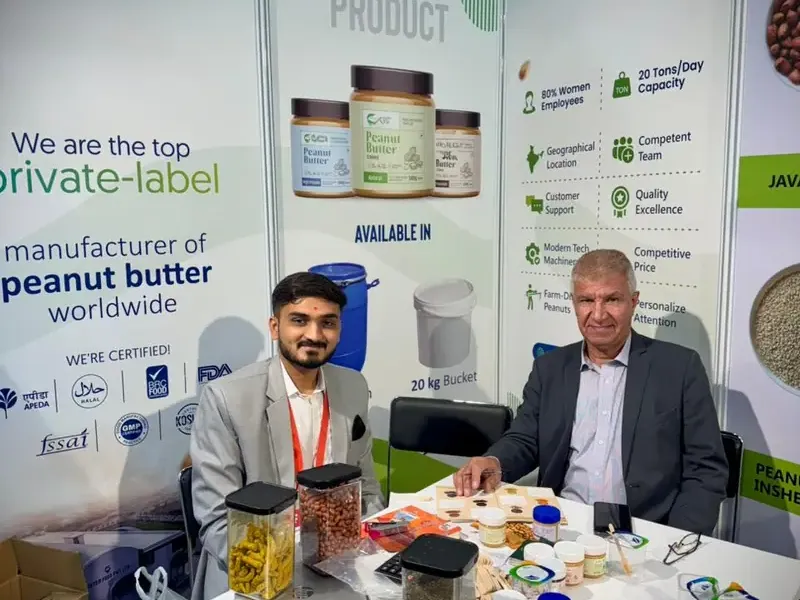
Private label sourcing means buying a food product made and packed to your specification by a supplier, then selling it under your own brand. For Indian foods such as peanut butter, spices, pulses and roasted snacks, the exporter handles the product, packing and export documents, while you own the brand, the artwork and the customer. This guide explains how private label differs from white label, which products suit it and how the process runs from brief to shelf.
Key takeaways
- Private label is made to your specification for your brand only; white label is a standard product sold to many brands.
- The process runs in six steps: brief, samples, artwork, compliance, production and shipment.
- Minimum orders are set mostly by packaging print runs, the number of SKUs and how many SKUs fill a container.
- Labels must meet the destination’s rules, such as EU Regulation 1169/2011, US FDA rules or GCC standards.
What Is Private Label Food Sourcing?
Private label food sourcing is the purchase of finished, retail-ready food from a manufacturer or exporter, packed under the buyer’s brand. The supplier makes or packs the product. The buyer sells it, markets it and owns the brand.
Supermarkets, online sellers, distributors and food start-ups all use private label. It lets them offer their own brand without building a factory. For agri foods from India, private label sourcing is common for products where India is a large and competitive producer, such as peanuts, spices, pulses, sesame and dehydrated onion and garlic. Sourcing directly from the exporter that grows, cleans and tests the raw material also gives you more control over quality.
What Is the Difference Between Private Label and White Label?
Private label is made to your own specification and sold only under your brand. White label is a standard product that the supplier sells to many brands, each of which adds its own label. The table compares the two.
| Point | Private label | White label |
|---|---|---|
| Product specification | Set or approved by you (recipe, grade, size) | Supplier’s standard product |
| Exclusivity | Made for your brand only | Same product sold to many brands |
| Packaging | Your own pack design and format | Standard pack with your label |
| Minimum order | Higher, set by print runs and production | Lower, as the product is already made |
| Lead time | Longer: samples, artwork and printing | Shorter |
| Brand difference | High: product and pack are yours | Low: competitors may sell the same product |
| Best for | Retail chains, established brands | Start-ups, test launches, small volumes |
Private label vs white label for food products.
In practice, many buyers start between the two. For example, they take the exporter’s standard peanut butter recipe but pack it in their own jar and label. As volumes grow, they move to their own recipe and specification.
Which Products Are Suited to Private Label?
Products with a stable recipe, a long shelf life and simple processing suit private label best. From India, these include:
- Peanut butter: smooth or crunchy, sweetened or unsweetened, in jars or food-service packs.
- Roasted and flavoured peanuts and roasted chana: ready-to-eat snacks in pouches.
- Pulses and lentils: sortex-cleaned chickpeas, lentils and moong in retail bags.
- Seeds: chia, flax and sesame seeds for health food and bakery shelves.
- Dehydrated onion and garlic: powder, granules and flakes for seasoning ranges.
- Psyllium husk: for health food and fibre supplements.
Products that need cold storage, have a very short shelf life or use many imported ingredients are harder to source this way, because the long sea voyage adds cost and risk. Start with one or two strong SKUs that match your best-selling lines. Once the first orders arrive on time and to specification, you can add flavours, sizes and new products to the same container. This keeps the first order simple and lets you test the supplier before you commit more volume.
How Does the Private Label Manufacturing Process Work, Step by Step?
The private label manufacturing process usually runs in six steps. Each step has a clear approval point, so that nothing is printed or produced before you agree to it.
- Brief: you share the product, specification, pack size and format, target market and expected volume.
- Samples: the supplier sends product samples and pack mock-ups. You test the product and approve one version.
- Artwork: your designer prepares the artwork. The supplier checks it against the labelling rules of your market and its own packing lines.
- Compliance: shelf-life testing, nutrition and allergen data, and any certificates your retailer needs are completed.
- Production: the product is packed at a certified unit, with batch codes and quality checks on each run.
- Shipment: finished goods are palletised, documented and shipped to your port.
Agree the Incoterm, the payment terms and who owns the printed packaging before production. If you change the artwork later, any unused printed stock may have to be written off.
What Should You Know About Packaging, Labelling and Artwork?
Your label must meet the food labelling law of the country where the product is sold, not the country where it is packed. The exporter can check your artwork, but the brand owner is usually responsible for the label in its own market.
- European Union: Regulation (EU) 1169/2011 requires the ingredients list, net quantity, best before date, nutrition declaration and the EU address of the food business operator. Allergens such as peanuts and sesame must be emphasised in the ingredients list.
- United States: FDA rules require a Nutrition Facts panel and allergen labelling. Sesame became a major allergen in 2023 under the FASTER Act.
- GCC: labels follow GSO 9:2022 and must include Arabic text.
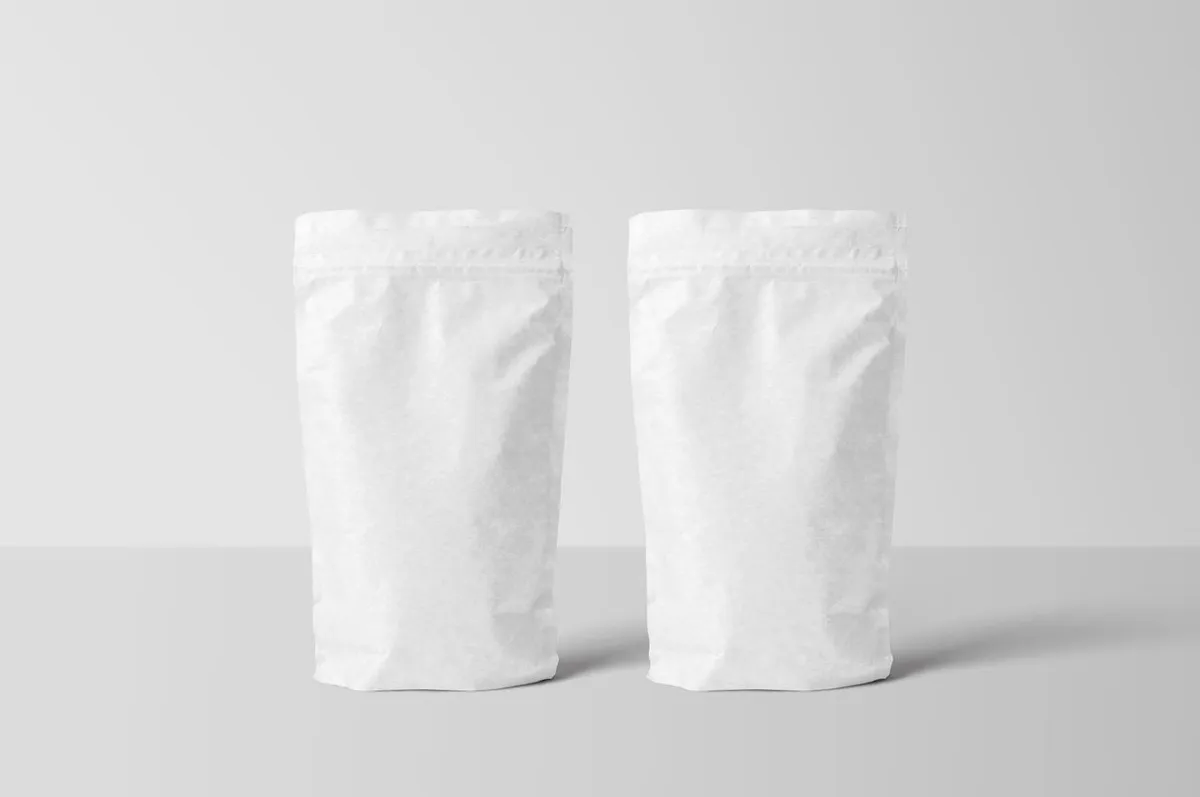
Choose the pack to suit the product and the voyage. Peanut butter needs sealed jars. Snacks and seeds keep best in barrier pouches, sometimes nitrogen-flushed. Pulses can go in simple PP or laminated bags. Our packaging page shows the main options.
How Do Samples, Approvals and Quality Control Work?
Quality control in private label rests on an approved sample, a written specification and records for each batch. Together they let you check that every shipment matches what you agreed.
Keep a sealed counter-sample of the approved product and pack. Write the specification with clear limits for grade, moisture, taste, texture and safety tests such as aflatoxin for peanut products. Ask for a Certificate of Analysis for each batch and for the batch codes on every carton. Retailers usually ask a private label supplier for shelf-life testing, nutrition and allergen data, artwork checks and QC records for each run. Lot traceability links each batch code to the raw material lot, which is important if you ever need to investigate a complaint. You may also appoint an inspection company to check the goods before loading.
What Are Typical Minimum Orders and Lead Times?
Minimum orders and lead times depend on the product, the pack format and your packaging, so they are quoted for each set of SKUs. Four factors set the minimum order:
- Printed packaging: pouches, labels and cartons each have their own minimum print run.
- Number of SKUs: every size, flavour or recipe is a separate production run.
- Pack format: jars, pouches and food-service packs fill on different lines.
- Container fill: several SKUs can be combined to fill one container.
Lead time depends on how fast samples and mock-ups are approved, the artwork checks, the printing of packaging, any shelf-life or compliance testing, and production and container booking. A first order takes longer than a repeat order, because the artwork and printed stock already exist for repeats. Use our landed cost calculator to compare the delivered cost per unit for different pack sizes.
Related reading: Types of Bill of Lading: Bill of Lading Explained for Exporters and Agri Export from India: Why Buyers Source Agro Commodities Here.
How Do You Start Private Label Sourcing with Elysium?
Start private label sourcing with a short brief: the product, specification, pack size and format, market and expected volume. We will send samples and pack mock-ups for approval, check your artwork against the destination’s label rules and quote the minimum order and lead time for your exact SKUs.
Elysium Agri Corporation packs peanut butter, roasted peanuts, roasted chana, pulses, seeds, dehydrated onion and garlic and psyllium husk under our buyers’ brands. Your brand ships under our export registrations, including our FSSAI Central Licence, APEDA RCMC and Spices Board CRES, which you can check on our certificates page. Read more on our private label page.
Send us your product, pack and market, and we will reply with samples, pricing and the minimum order. Request a private label quote →
Frequently asked questions
What is private label food sourcing?
Private label food sourcing is buying finished, retail-ready food that a supplier makes and packs to your specification, then selling it under your own brand. The supplier handles production, packing and export documents. You own the brand, the artwork and the customer relationship, and you market and sell the product.
What is the difference between white label and private label?
White label is a standard product that the supplier sells to many brands, each adding its own label. Private label is made to your own specification and packed only for your brand. Private label gives more control and difference from competitors, but usually needs higher minimum orders and longer lead times.
How does the private label manufacturing process work?
It usually runs in six steps. You send a brief, then approve product samples and pack mock-ups. Your artwork is checked against the market's label rules, and compliance work such as shelf-life testing is done. The product is then packed with batch codes and QC, and shipped to your port.
What is the minimum order quantity for private label food?
There is no single figure. The minimum order depends on the product, the pack format and your packaging. Printed pouches, labels and cartons each have a minimum print run, and every size or flavour is a separate production run. Several SKUs can often be combined to fill one container.
Can I source private label food from an Indian exporter?
Yes. Many Indian exporters pack peanut butter, roasted snacks, pulses, seeds, spices and dehydrated vegetables under buyers' brands. Choose one with FSSAI, APEDA and, for spices, Spices Board registrations, a certified packing unit, lot traceability and experience with your market's labelling rules.
Related reads


