
On this page
- What Is Mustard Cake (Rapeseed Meal)?
- What Is the Nutrient Profile of Rapeseed Meal?
- What Are the Benefits of Mustard Cake for Cattle?
- Why Do Glucosinolates Matter, and What Are the Inclusion Limits?
- How Does Rapeseed Meal Compare with Other Protein Meals?
- How Should Rapeseed Meal Be Stored and Checked?
- Buying Rapeseed Meal in Bulk from India
- Frequently asked questions
Yes, mustard cake for cattle is a good, lower-cost protein source: Indian rapeseed meal (mustard DOC) carries 36–38% crude protein and is widely fed to dairy and beef cattle, often at 10–20% of the concentrate ration. The main limit is glucosinolates, which are high in Indian mustard, so inclusion should be controlled and introduced gradually. This guide explains the nutrient profile, benefits, glucosinolate limits, quality checks and how to buy rapeseed meal in bulk from India.
Key takeaways
- Mustard cake and rapeseed meal are the protein-rich residue left after oil is pressed or extracted from rapeseed-mustard seed.
- Indian extraction meal is traded at the SEA 38/2.5 grade: 36–38% protein and 2.5% maximum sand and silica.
- Rapeseed meal has a higher share of rumen-bypass protein than soybean meal, which suits dairy cows.
- Indian mustard is high in glucosinolates, so young calves need lower levels and EU buyers must test volatile mustard oil.
What Is Mustard Cake (Rapeseed Meal)?
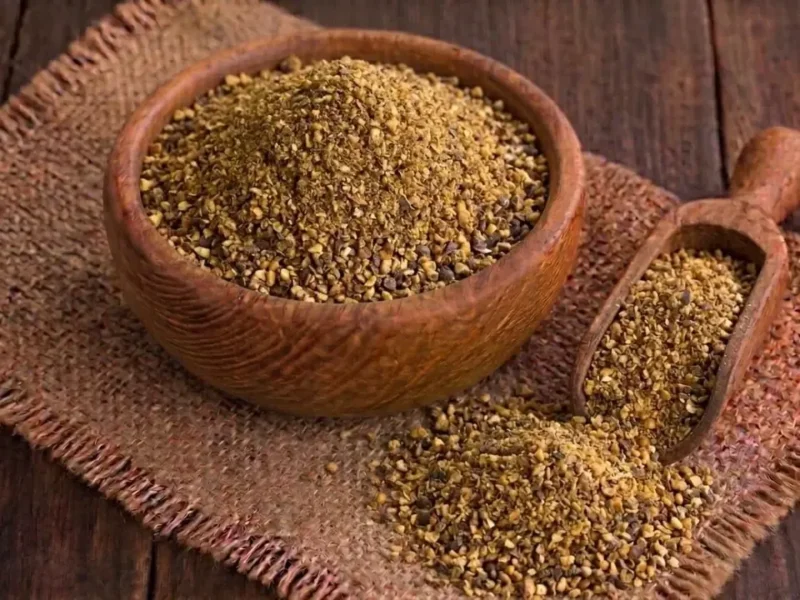
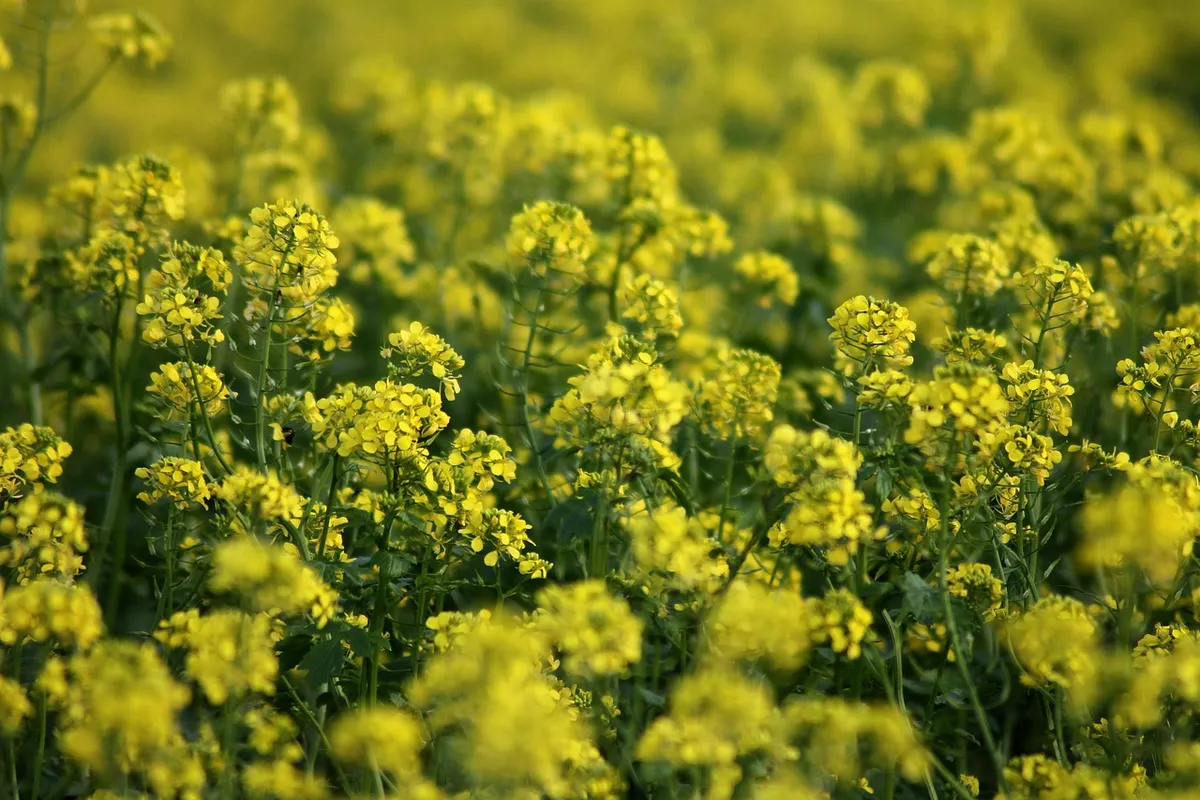
Mustard cake is what remains after oil is taken out of rapeseed-mustard seed. In India, the crop is mainly Brassica juncea (Indian mustard) and B. campestris, grown in Rajasthan, Uttar Pradesh, Haryana, Madhya Pradesh and Gujarat. The names in the trade can be confusing, so it helps to separate them.
- Mustard cake (expeller cake): seed pressed in an expeller. It keeps more oil and is often sold at about 40% protein. Local farmers in India feed it widely.
- Rapeseed meal or mustard DOC (de-oiled cake): the cake after solvent extraction. Oil falls to 1.5% or less, and protein is 36–38%. This is the main export product.
- Canola meal: meal from “double-low” varieties bred for low glucosinolates and low erucic acid. Indian mustard is not canola-quality.
Rapeseed meal is now India’s largest oilmeal export. India shipped 6.60 lakh tonnes in April–June 2026, with China as the largest buyer, followed by Bangladesh, Vietnam, South Korea and Thailand. Its HS code is 2306 49 00, the code for rapeseed oil-cake other than low-erucic types.
What Is the Nutrient Profile of Rapeseed Meal?
Rapeseed meal is a medium-protein, medium-fibre meal. The table shows the export specification for Indian extraction meal and expeller cake, with the typical glucosinolate range. Feedipedia, the INRAE–CIRAD–AFZ–FAO feed database, gives a crude protein range of 35–44% of dry matter for rapeseed meal, with solvent-extracted meal averaging about 38%.
| Parameter (as fed) | Extraction meal (38/2.5) | Expeller cake (40/2.5) |
|---|---|---|
| Crude protein | 36–38% | About 40% |
| Oil (ether extract) | 1.5% max | Higher (residual oil from pressing) |
| Crude fibre | 12% max | Similar |
| Moisture | 10–12% max | 10–12% max |
| Sand / silica | 2.5% max | 2.5% max |
| Glucosinolates (Indian mustard) | About 50–120 µmol/g defatted meal | About 50–120 µmol/g defatted meal |
| Canola meal, for reference | Below 30 µmol/g glucosinolates | |
Sources: SEA export grade 38/2.5, Elysium export specification and Feedipedia. Values vary by lot; rely on the certificate of analysis.
Rapeseed meal is also a useful source of sulphur amino acids (methionine and cystine), calcium and phosphorus. Its energy value is lower than soybean meal because it contains more fibre from the seed hull.
What Are the Benefits of Mustard Cake for Cattle?
The main benefit is affordable protein. Rapeseed meal is a lower-cost protein than soybean meal in many markets, and Indian meal is priced well below the Hamburg benchmark. For dairy and beef rations, it brings several other advantages.
- More bypass protein: Feedipedia cites estimates that 40–56% of rapeseed meal protein escapes rumen breakdown (rumen-undegradable protein), compared with 27–45% for soybean meal. Bypass protein reaches the small intestine and supports milk protein.
- Good milk response: Feedipedia reports meta-analyses in which each extra kilogram of dietary protein raised milk yield by 3.4 kg with rapeseed meal, against 2.4 kg with soybean meal. These trials used mostly modern low-glucosinolate meal.
- Familiar to cattle: Mustard cake has been fed to cattle and buffalo in India for generations. Cattle tolerate it at higher levels than pigs and poultry.
- Proven at Indian levels: In a 90-day study of crossbred dairy cows, Palanivel and Sharma (2016) found no difference in dry matter intake, milk yield or milk composition between a control diet and diets with rapeseed-mustard cake.
Why Do Glucosinolates Matter, and What Are the Inclusion Limits?
Glucosinolates are natural sulphur compounds in brassica seeds. When the meal is chewed or wetted, they break down into isothiocyanates (the sharp “mustard oil”) and other products. At high intakes, these can reduce feed intake and interfere with thyroid function and iodine use. This is why canola was bred to contain less than 30 µmol/g, while Indian mustard meal often contains 50–120 µmol/g.
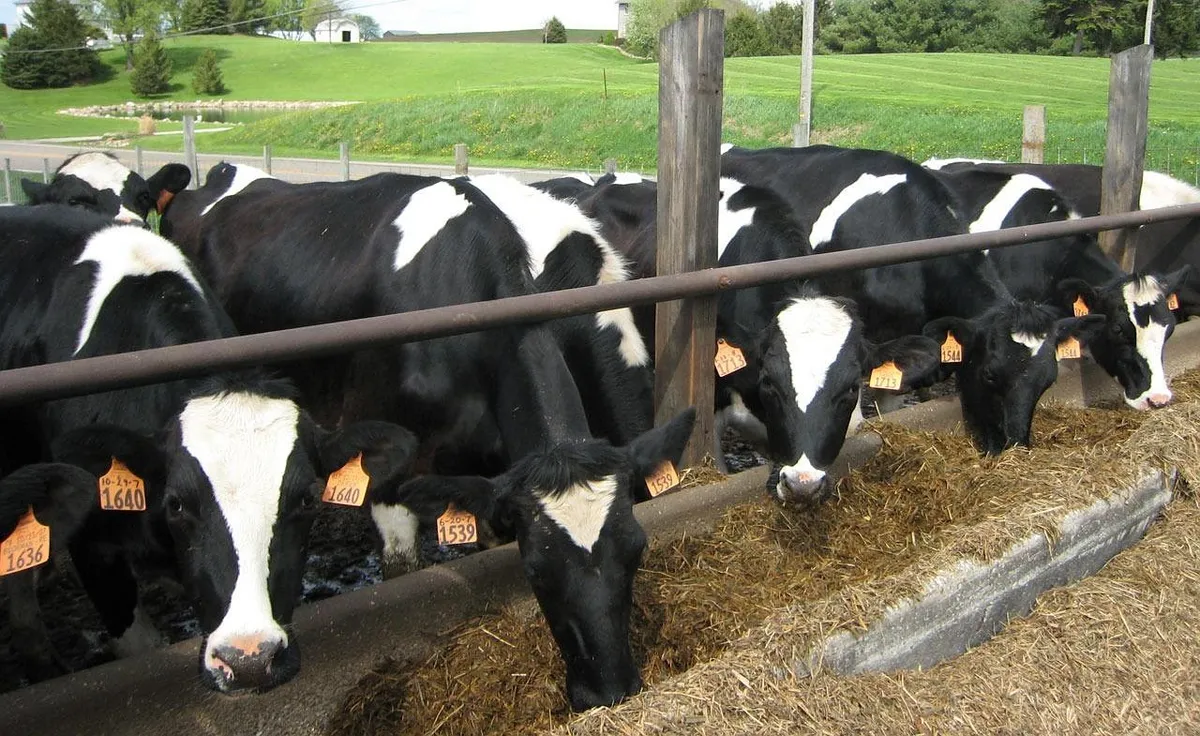
Adult cattle tolerate glucosinolates better than other livestock because rumen microbes break down part of them. Feedipedia reports dairy cow rations with up to 20% rapeseed meal with no negative effect on intake or production, mainly using low-glucosinolate meal. It also reports reduced intake in calves fed high-glucosinolate meal above 100 µmol/g. Practical guidance for Indian mustard meal is therefore:
- Use it commonly at 10–20% of the concentrate for adult dairy and beef cattle, and raise the level over one to two weeks.
- Use lower levels for calves and young stock, and for animals that are not used to it.
- Make sure the mineral mixture supplies enough iodine.
- Consider soaking or processing where farmers already do so. Palanivel and Sharma found overnight water soaking cut glucosinolates by about 32%.
In the EU, Directive 2002/32/EC limits volatile mustard oil (as allyl isothiocyanate). Rapeseed and mustard products may contain up to 4,000 mg/kg as feed materials, and complete feed for adult cattle, sheep and goats up to 1,000 mg/kg, both at 12% moisture. Check with your feed-law adviser how your lot is classified. Always confirm the final ration with a qualified animal nutritionist.
How Does Rapeseed Meal Compare with Other Protein Meals?
Rapeseed meal sits between the high-protein meals and the cheaper by-products. It is usually chosen to replace part of the soybean meal in a ration and lower the cost of protein.
| Point | Rapeseed meal (Indian) | Soybean meal |
|---|---|---|
| Crude protein | 36–38% | 46–48% (Indian export grade) |
| Bypass protein (% of CP) | About 40–56% | About 27–45% |
| Fibre and energy | Higher fibre, lower energy | Lower fibre, higher energy |
| Anti-nutrients | Glucosinolates | Trypsin inhibitors (reduced by toasting) |
| Best fit | Dairy and beef cattle, aqua feed | All species, especially poultry and pigs |
| Cost per tonne | Lower | Benchmark protein meal |
Protein from Elysium export specifications; bypass protein ranges from Feedipedia.
Compared with cottonseed cake, rapeseed meal has no gossypol but more glucosinolates; see our guide to cottonseed cake for cattle. For soybean meal grades, see soybean meal protein content and our soyabean meal page.
How Should Rapeseed Meal Be Stored and Checked?
Rapeseed meal keeps for 6–12 months when stored cool and dry, below 25°C, away from strong odours. Damp, warm storage leads to mould and aflatoxin, the main food-safety risk in oilmeals. On arrival, check these points:
- Appearance and smell: dark brown to greenish brown, with a pungent mustard smell and no mouldy or burnt odour.
- Protein, moisture and sand: compare with the contract grade; high sand and silica dilute the protein you pay for.
- Aflatoxin B1: the EU and UK limit for feed materials is 20 µg/kg at 12% moisture. Read more on aflatoxin in animal feed.
- Volatile mustard oil: required for EU buyers against the 4,000 mg/kg limit.
- Insects: nil live insects, with fumigation where required.
Related reading: Poultry Feed Formulation: Ingredients and Nutrient Basics and What Is Soybean Meal? Production, Protein, Types and Uses.
Buying Rapeseed Meal in Bulk from India
If you are sourcing mustard cake for cattle feed at scale, specify the grade (extraction 38/2.5 or expeller 40/2.5), aflatoxin limit, moisture, packing and destination. Rapeseed meal is priced per metric tonne ex-plant or FAS Kandla, so freight and packing make a large difference to the landed cost.
Elysium Agri Corporation exports rapeseed meal (mustard DOC) at the SEA 38/2.5 grade, and expeller cake on request, from Kandla near our Jamnagar base. We pack in 50 kg PP bags or bulk in lined containers. A 20 ft container holds about 20–22 MT and a 40 ft about 26 MT; you can check your load with the container load calculator. Each lot is sampled at loading and tested for protein, fat, fibre, moisture, sand and silica and aflatoxin B1, as set out on our lab testing page. Low-aflatoxin lots and volatile mustard oil testing are available for EU buyers.
Share your grade, quantity and destination port, and we will send an FOB or CIF price with the specification sheet. Request a rapeseed meal quote →
Frequently asked questions
Is mustard cake good for cattle?
Yes. Mustard cake and rapeseed meal are proven protein sources for adult dairy and beef cattle and have been fed in India for generations. They supply 36–40% protein with a high share of rumen-bypass protein. Because Indian mustard is high in glucosinolates, introduce it gradually, keep levels lower for calves and check iodine in the mineral mix.
How much protein does mustard cake or rapeseed meal contain?
Indian solvent-extracted rapeseed meal is traded at the SEA 38/2.5 grade, with 36–38% crude protein and up to 2.5% sand and silica. Expeller mustard cake, which keeps more oil, is usually about 40% protein. Feedipedia gives a wider range of 35–44% of dry matter for rapeseed meals worldwide.
How much rapeseed meal can be fed to dairy cattle?
Indian mustard meal is commonly fed at 10–20% of the concentrate ration for adult dairy cattle. Feedipedia reports dairy rations with up to 20% rapeseed meal without loss of intake or milk, mainly using low-glucosinolate meal. With high-glucosinolate Indian meal, raise the level slowly and confirm the ration with a qualified animal nutritionist.
What are glucosinolates in rapeseed meal and why do limits matter?
Glucosinolates are natural sulphur compounds in brassica seeds. They break down into isothiocyanates and other products that can lower feed intake and affect thyroid function at high doses. Indian mustard meal often contains 50–120 µmol/g, against under 30 for canola. The EU also limits volatile mustard oil in feed under Directive 2002/32/EC.
How does rapeseed meal compare with soybean meal for cattle?
Soybean meal has more protein, about 46–48% against 36–38%, and more energy. Rapeseed meal costs less and has a higher share of rumen-bypass protein, about 40–56% of crude protein against 27–45% for soybean meal, according to Feedipedia. Many dairy rations use rapeseed meal to replace part of the soybean meal.
Related reads


