
On this page
Soybean meal protein content is usually 46–48% for Indian solvent-extracted meal, close to groundnut cake (groundnut DOC) at 45–50% and well above mustard cake (rapeseed meal) at 36–38%. Soybean meal has the best amino acid balance of the three, groundnut cake is rich in protein but low in lysine, and mustard cake is the lowest-cost option, best suited to cattle and fish. This guide compares the three meals on protein, nutrients, anti-nutritional factors and the livestock each one suits.
Key takeaways
- Typical protein: soybean meal 46–48%, groundnut DOC 45–50%, mustard (rapeseed) meal 36–38%.
- Soybean meal has the best lysine supply; groundnut cake is deficient in lysine and low in methionine.
- Aflatoxin is the key risk in groundnut cake; glucosinolates limit mustard cake in pigs and poultry.
- For dairy cattle, all three work; choose on cost per unit of protein and safety test results.
How Do Groundnut Cake, Soybean Meal and Mustard Cake Compare?
All three are protein meals left after oil is removed from an oilseed, but they differ in protein quality, safety risks and best use. Soybean meal is the global standard for pig and poultry feed. Groundnut cake matches it on crude protein but needs amino acid support and strict aflatoxin control. Mustard cake has less protein and contains compounds that limit its use in single-stomached animals, so it is used mainly in cattle and aqua feed.
In India, all three are widely available. Soybeans are crushed mainly in Madhya Pradesh, Maharashtra and Rajasthan. Groundnut is crushed in Gujarat, which grows about half of India’s groundnuts. Rapeseed-mustard is crushed mainly in Rajasthan and northern India, and rapeseed meal is now India’s largest oilmeal export.
What Is Soybean Meal?
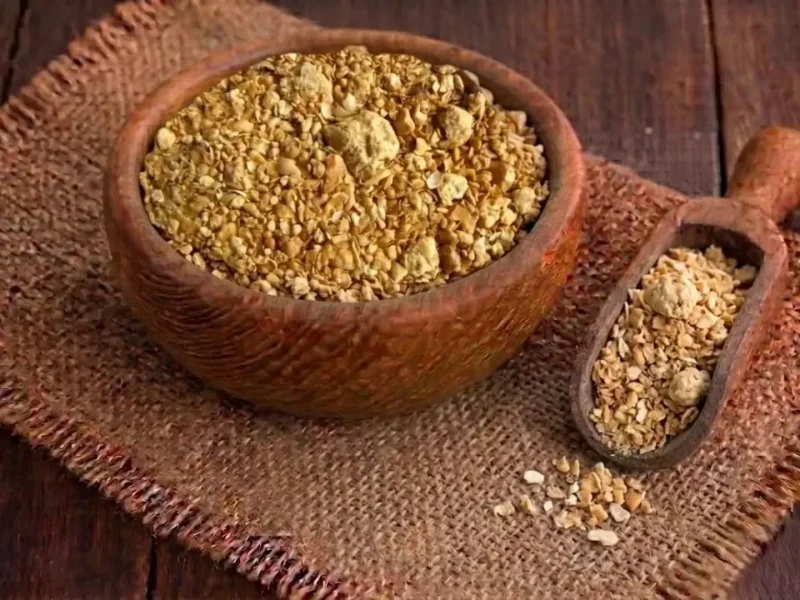
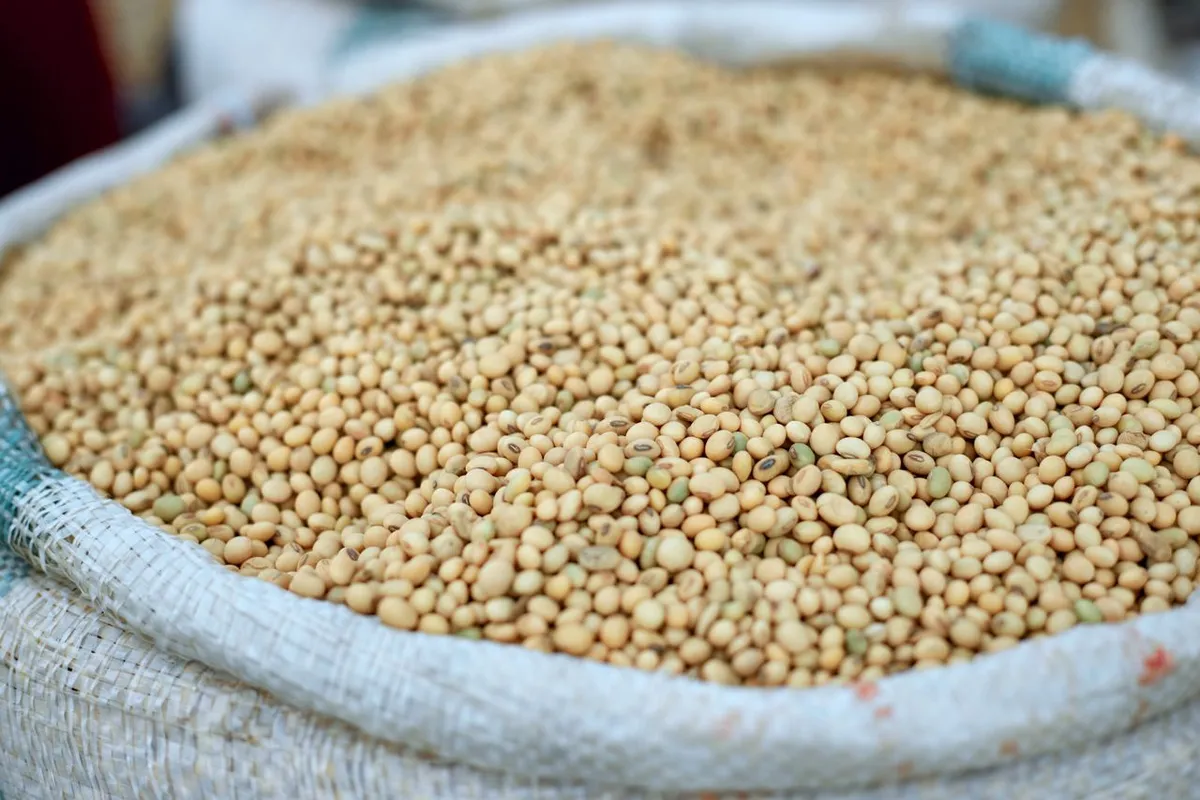
Soybean meal (soya DOC) is the protein meal left after oil is solvent-extracted from soybeans. Indian meal is traded as hi-pro 48% (the SEA 48/2.5 grade) and standard 46%. Oil is usually 0.5–1.5% and crude fibre 5–6% or less.
Production follows a standard path. Soybeans are cleaned, cracked and often dehulled, then flaked and treated with solvent to remove the oil. The defatted flakes are then toasted with steam to drive off the solvent and destroy the natural anti-nutritional factors. Finally, the meal is dried, cooled and ground. Dehulling gives the hi-pro grade, while adding hulls back gives the standard grade.
Soybean meal has the most balanced amino acid profile of the common plant meals, and it is rich in lysine. That is why it is the main protein source in most broiler, layer and pig diets. Indian soybean meal is also non-GMO, because India permits no GM soybean cultivation. This makes it valuable for European non-GMO feed chains. See our soybean meal page for the full specification.
What Is Groundnut Cake?
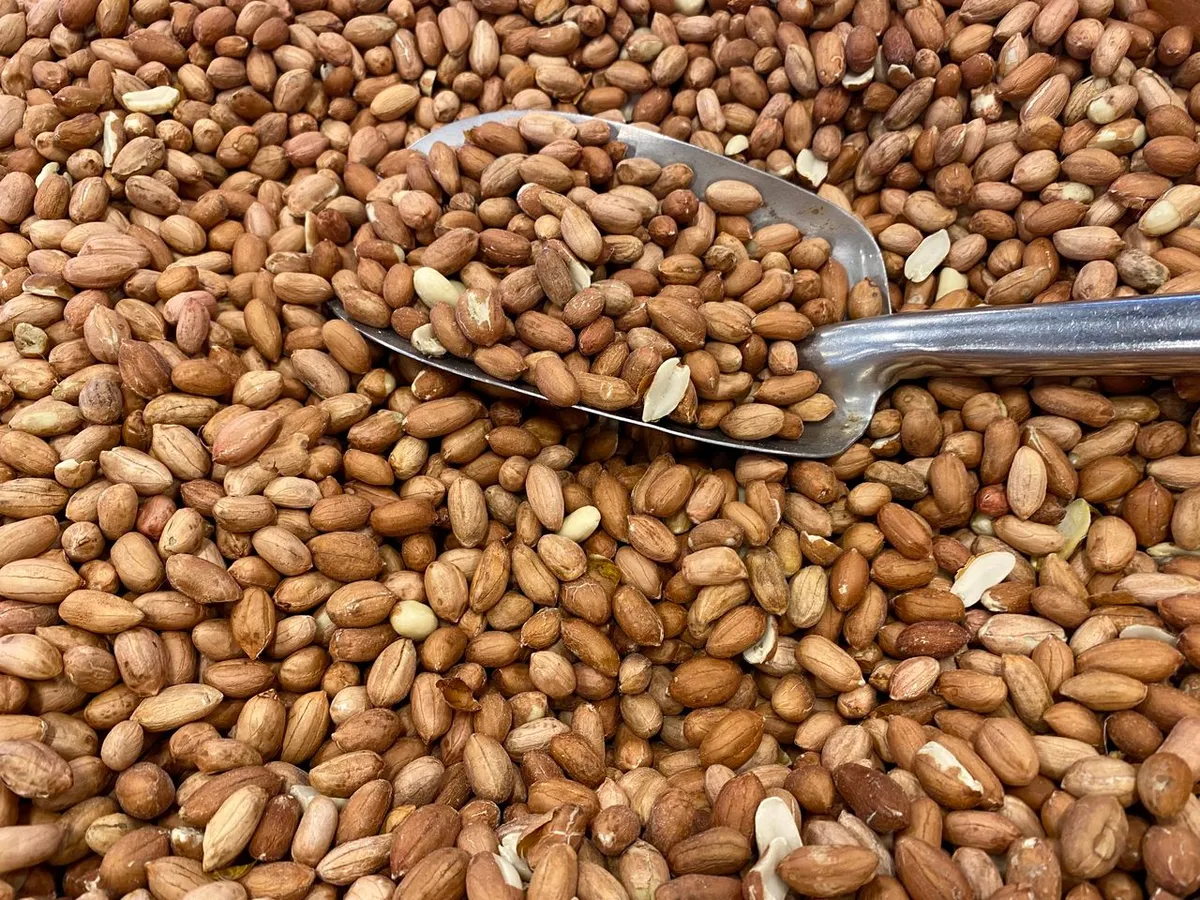
Groundnut cake, or groundnut DOC, is the protein meal left after oil is extracted from groundnut (peanut) kernels. Solvent-extracted groundnut DOC contains about 45–50% protein with less than 1% oil and fibre of 8% or less. Expeller-pressed groundnut cake contains about 40–45% protein and 6–8% oil, so it provides more energy.
Groundnut cake is high in crude protein, but its protein quality is lower than soybean meal. Feedipedia describes peanut meal as deficient in lysine and low in methionine and tryptophan, and advises using it with other protein sources in broiler diets. For ruminants, Feedipedia calls it a good protein source with no restrictions, provided it is not contaminated with aflatoxins.
Aflatoxin control starts before crushing. Kernels that are dry, sound and sorted give a cleaner cake. Damp storage of kernels or cake allows mould to grow. Good crushers in Saurashtra test incoming seed and finished cake, and buyers should ask for a lot-wise aflatoxin result rather than a general certificate.
What Is Mustard Cake?
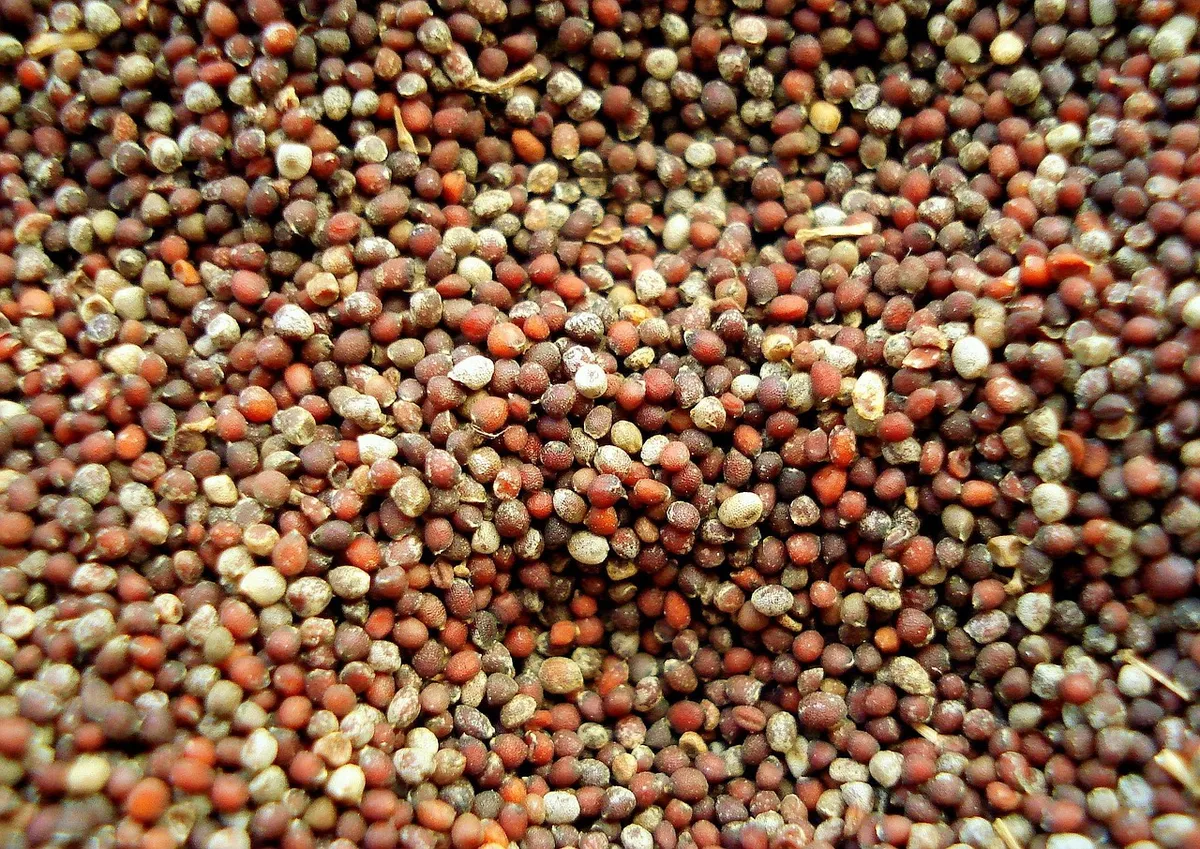
Mustard cake, also called mustard DOC or Indian rapeseed meal, is the protein meal left after oil is extracted from rapeseed-mustard seed. Solvent-extracted meal is traded at 36–38% protein, often at SEA’s 38/2.5 grade (38% protein and at most 2.5% sand and silica). Expeller cake contains about 40% protein and more oil.
Indian mustard meal is not the same as canola meal. Canola is bred for low glucosinolates (below 30 µmol/g) and low erucic acid. Conventional Indian mustard is higher in both, with glucosinolates of about 50–120 µmol/g of defatted meal. This is why Indian mustard cake is used mainly in cattle, buffalo and aqua feed, where it is a lower-cost protein than soybean meal. Demand is strong: India shipped 6.60 lakh tonnes of rapeseed meal in April–June 2026, with China taking 3.09 lakh tonnes, alongside Bangladesh, Vietnam, South Korea and Thailand. See our rapeseed meal page.
Protein and Nutrient Comparison
The table compares typical Indian export specifications. Values are as traded and vary by plant and process.
| Parameter | Soybean meal | Groundnut DOC | Mustard (rapeseed) meal |
|---|---|---|---|
| Crude protein | 46–48% | 45–50% (expeller cake 40–45%) | 36–38% (expeller cake about 40%) |
| Oil | 0.5–1.5% | 1% max (expeller 6–8%) | 1.5% max (extraction) |
| Crude fibre | 5–6% max | 8% max | 10–12% max |
| Moisture | 12% max | 10% max | 12% max |
| Sand / silica | Per grade | 2.5% max | 2.5% max |
| Lysine quality | High | Deficient | Moderate |
| Main risk | Under- or over-toasting | Aflatoxin | Glucosinolates, aflatoxin |
| Approx. load per 20 ft | 20–22 MT | Per packing | 20–22 MT |
On crude protein alone, groundnut DOC can match or beat soybean meal. On usable protein for pigs and poultry, soybean meal is usually ahead, because of its higher lysine.
What Anti-Nutritional Factors and Limits Apply?
Each meal has its own risk, and each needs its own test.
- Soybean meal: raw soybeans contain trypsin inhibitors that reduce protein digestion. Proper toasting destroys them. Urease activity of about 0.05–0.3 ΔpH shows the meal was heated enough, and KOH solubility of 75–85% shows it was not over-heated.
- Groundnut cake: aflatoxin is the main risk. The EU limit for aflatoxin B1 in feed materials is 20 µg/kg at 12% moisture, and dairy feed needs special care because aflatoxin can pass into milk.
- Mustard cake: glucosinolates can affect thyroid function and feed intake in pigs and poultry. EU buyers may also ask for volatile mustard oil testing against a 4,000 mg/kg limit. Aflatoxin B1 should also be tested.
All three should be free of castor contamination. The EU allows no more than 10 mg/kg of castor in any feed. Our lab testing page explains how each feed lot is tested.
Which Meal Suits Which Livestock?
The best meal depends on the animal and on price. As a guide:
- Broilers and layers: soybean meal as the main protein. Groundnut DOC can be added with synthetic lysine and methionine, if aflatoxin is low. Use mustard cake only at low inclusion.
- Pigs: soybean meal first. Mustard cake only at low inclusion.
- Dairy cattle and buffalo: all three work. Mustard cake is often 10–20% of the ration. Groundnut cake is a traditional dairy feed in India, but low aflatoxin is essential. For a further option, see our guide to cottonseed cake for cattle.
- Aqua feed: soybean meal, groundnut DOC and mustard meal are all used, depending on the species and formula.
Compare offers on cost per unit of protein, adjusted for amino acid value and testing. Many feed mills blend two or three meals, because a blend can meet the protein target at lower cost while keeping each meal below its safe limit. For an energy-plus-protein alternative, read DDGS vs soybean meal.
Sourcing Feed Ingredients from India
India supplies all three meals at competitive freight to Asia and the Gulf. When you buy, ask for the soybean meal protein content, oil, fibre, moisture, sand and aflatoxin figures on a lot-wise Certificate of Analysis, plus urease for soybean meal and glucosinolates or volatile mustard oil for mustard cake when your market requires them.
Elysium Agri Corporation, based in Jamnagar, Gujarat, exports non-GMO soybean meal at 46–48% protein, groundnut DOC from Gujarat’s Saurashtra crushing belt and rapeseed meal at the SEA 38/2.5 grade, shipped from Kandla. Every lot is tested, and independent inspection by SGS or your own surveyor is available on request. Check our certificates and plan your load with the container load calculator.
Tell us the meal, grade, quantity and destination port, and we will send a price with the specification sheet. Request a feed ingredients quote →
Frequently asked questions
Which has more protein, soybean meal or groundnut cake?
On crude protein they are close. Solvent-extracted groundnut DOC contains about 45 to 50% protein and Indian soybean meal about 46 to 48%. Soybean meal usually has the more useful protein for pigs and poultry, because groundnut cake is deficient in lysine and low in methionine. Expeller groundnut cake has less protein, about 40 to 45%.
How much protein does mustard cake contain?
Solvent-extracted mustard cake, or Indian rapeseed meal, usually contains 36 to 38% protein and is often traded at the SEA 38/2.5 grade. Expeller-pressed mustard cake contains about 40% protein with more oil. It has less protein than soybean meal or groundnut cake, but it is usually a lower-cost protein source for cattle and aqua feed.
What is the typical protein content of soybean meal?
Indian solvent-extracted soybean meal is traded at 46 to 48% crude protein. The hi-pro grade is 48%, often to the SEA 48/2.5 specification, and the standard grade is 46%. Oil is usually 0.5 to 1.5% and crude fibre 5 to 6% or less. Urease activity confirms that the meal was properly toasted.
Which oilseed cake is best for dairy cattle?
Soybean meal, groundnut cake, mustard cake and cottonseed cake can all be used for dairy cattle, because the rumen handles amino acid gaps and some anti-nutritional factors. Choose on cost per unit of protein and on test results. Low aflatoxin is essential for dairy feed, since aflatoxin can pass into milk. Mustard cake is often 10 to 20% of rations.
Can mustard cake be used in poultry feed?
Only at low inclusion. Conventional Indian mustard cake is high in glucosinolates, about 50 to 120 µmol/g of defatted meal, which can reduce feed intake and affect thyroid function in poultry. Canola meal, bred for low glucosinolates, is better suited to poultry. Most poultry diets rely on soybean meal as the main protein source.
Related reads


