
On this page
- What Is Poultry Feed Formulation?
- What Are the Nutrient Requirements of Broilers and Layers?
- Which Energy Sources Are Used: Maize, Wheat and Rice Bran?
- Which Protein Sources Are Used: Soybean Meal, Rapeseed Meal and Oilseed Cakes?
- Where Do DDGS and DORB Fit in Poultry Feed?
- What Role Does Each Ingredient Play in a Ration?
- Which Quality Parameters Should Feed Mills Check?
- How Do You Source Feed Ingredients from India?
- Frequently asked questions
Poultry feed formulation is the process of choosing and combining ingredients so that a diet meets a bird’s needs for energy, protein, amino acids, minerals and vitamins at the lowest practical cost. Most broiler and layer diets are built on an energy grain such as maize, a protein meal such as soybean meal, and small amounts of minerals, vitamins and synthetic amino acids. Feed mills balance these with a least-cost formulation program and the lab results of each ingredient lot. This guide covers the basics: nutrient targets, the main energy and protein sources, where DDGS and DORB fit, and the quality checks that keep a formula on target.
Key takeaways
- A poultry ration is formulated on nutrients, not on ingredients. Energy, digestible amino acids, calcium and phosphorus are the key targets.
- Broiler protein needs fall with age, from about 23% crude protein in the starter to about 18–19.5% in finisher feeds in breeder guidance.
- Maize and soybean meal form the base of most diets. Rapeseed meal, groundnut DOC, DDGS and DORB can replace part of them at controlled levels.
- Each ingredient lot should be tested for protein, moisture, fibre and aflatoxin before it enters the formula.
What Is Poultry Feed Formulation?
Poultry feed formulation means setting nutrient targets for a type and age of bird, then finding the mix of ingredients that meets them. A nutritionist starts with the requirement: for example, a broiler grower feed with a set level of metabolisable energy, digestible lysine, methionine, calcium and available phosphorus. Each ingredient is entered with its nutrient values, price and any maximum or minimum inclusion. A least-cost program then solves for the cheapest blend that meets every target.
The result is only as good as the ingredient data. If a soybean meal lot has 44% protein instead of the 48% in the matrix, the finished feed falls short. That is why feed mills buy on specification and test every incoming lot. It is also why ingredient buyers care about consistency as much as price.
What Are the Nutrient Requirements of Broilers and Layers?
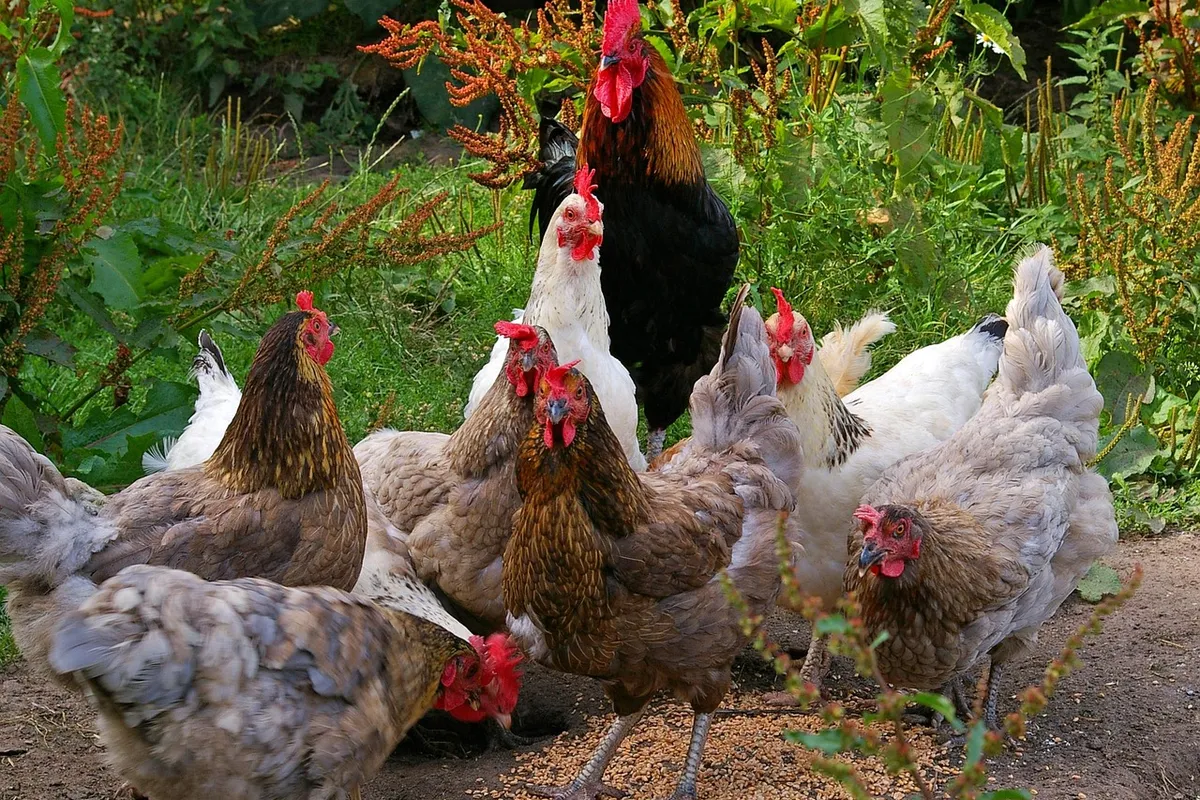
Broilers need high energy and high protein to support very fast growth, while layers need moderate protein and much more calcium to form eggshells. Broiler targets also change with age, so most mills make three or four feeds per flock.
Aviagen’s Ross broiler nutrition specifications give the following guide values for birds grown to 2.0–3.5 kg:
- Starter (0–10 days): 2,975 kcal/kg energy, 23.0% crude protein, 1.32% digestible lysine.
- Grower (11–24 days): 3,050 kcal/kg, 21.5% crude protein, 1.18% digestible lysine.
- Finisher 1 (25–39 days): 3,100 kcal/kg, 19.5% crude protein, 1.08% digestible lysine.
- Finisher 2 (40 days on): 3,125 kcal/kg, 18.0% crude protein, 1.02% digestible lysine.
The pattern is clear: protein falls and energy rises as the bird grows. Aviagen notes that these values are a guide and should be adjusted for local conditions and markets. For laying hens, the Alabama Cooperative Extension System recommends a layer diet of around 18% crude protein with 3–4% calcium. Commercial layer specifications vary with breed, age and daily feed intake.
Which Energy Sources Are Used: Maize, Wheat and Rice Bran?
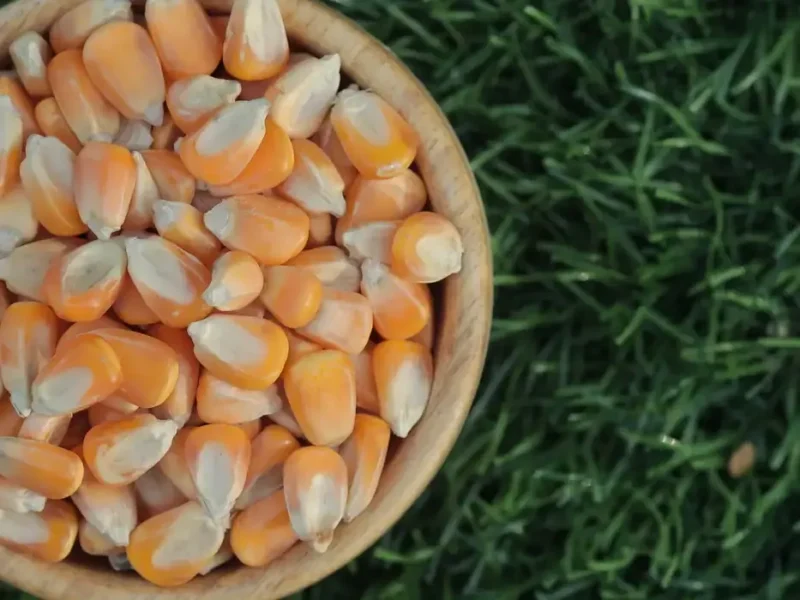
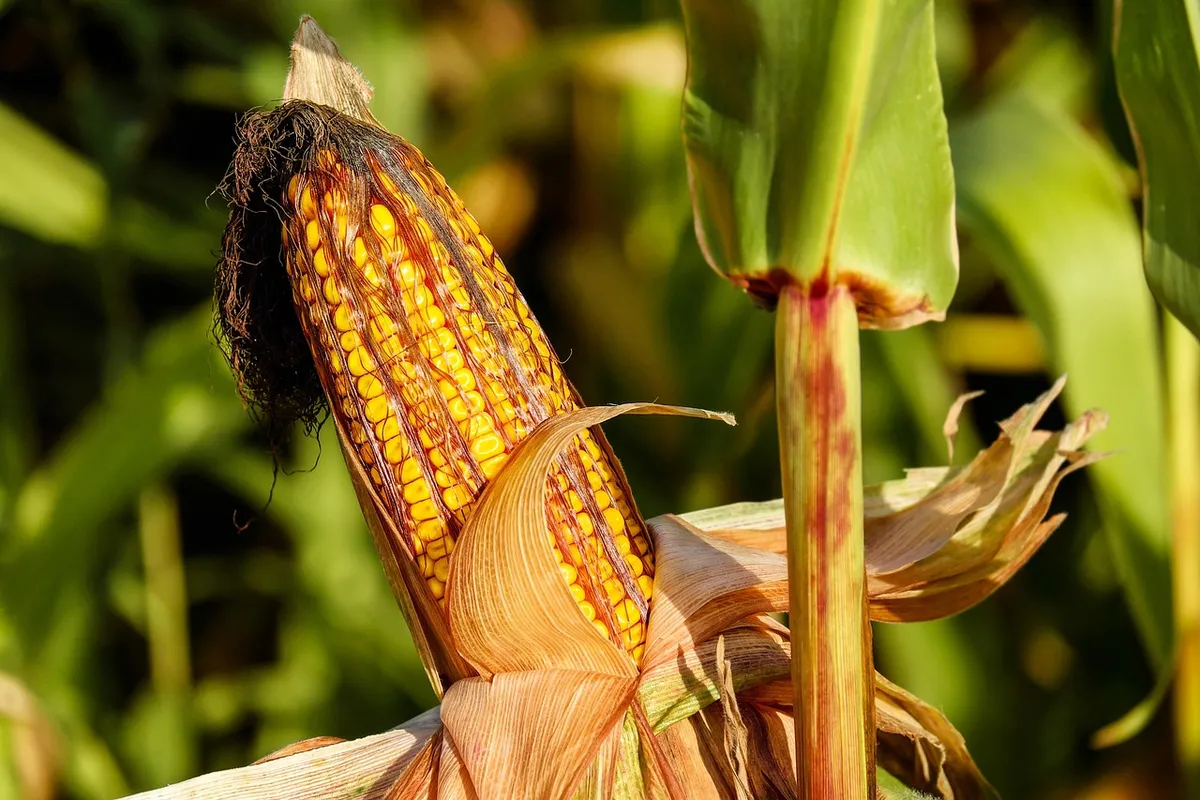
Maize is the main energy source in most poultry diets, with wheat, sorghum, pearl millet and rice bran used where they are cheaper or more available. Energy grains usually make up the largest share of the ration. Maize makes up about 55% of a typical Indian poultry diet.
- Maize (corn): high in energy and low in fibre, with about 7–9% protein. Yellow maize also adds pigment to egg yolks and skin. It must be checked for aflatoxin and moisture.
- Wheat: a little more protein than maize, but its soluble fibre makes digesta sticky in poultry. Mills that use wheat usually add a xylanase enzyme.
- Pearl millet (bajra): about 10–12% protein. It can replace much of the maize in broiler diets, but it must be ground before feeding.
- Rice bran: full-fat rice bran is rich in oil and energy but goes rancid quickly. Its de-oiled form, DORB, is lower in energy and is covered below.
Vegetable oil or fat is often added to reach the high energy targets of broiler finisher feeds, because grains alone cannot supply enough.
Which Protein Sources Are Used: Soybean Meal, Rapeseed Meal and Oilseed Cakes?
Soybean meal is the main protein source in poultry feed, and other oilseed meals replace part of it when prices allow. Protein meals usually make up the second-largest share of the diet.
- Soybean meal: 44–49% protein, with high lysine and good digestibility. Feedipedia gives a typical poultry inclusion of 25–40%. Methionine is limiting, so synthetic methionine is added. Our guide What Is Soybean Meal? explains its grades and toasting tests.
- Rapeseed (mustard) meal: 36–38% protein in Indian export grades. Indian mustard is a high-glucosinolate type, so it is used at low inclusion in poultry diets.
- Groundnut DOC: 45–50% protein, but lower in lysine than soybean meal and prone to aflatoxin. Every lot needs an aflatoxin test.
- Other cakes: sunflower, cottonseed and sesame meals are used in smaller amounts. Fibre, amino acid balance and anti-nutritional factors limit how much can go in.
Because nutritionists formulate on digestible amino acids, not just crude protein, a cheaper meal often needs extra synthetic lysine, methionine or threonine to match soybean meal. The true cost of a protein source therefore includes these additions.
Where Do DDGS and DORB Fit in Poultry Feed?
DDGS and DORB are by-product ingredients that replace part of the maize and soybean meal at controlled levels. They lower formula cost when priced well, but their fibre and variability set upper limits.
Corn DDGS (distillers dried grains with solubles) is the feed left after maize is fermented to make ethanol. It carries about 26–32% protein and 5–10% fat, so it supplies both energy and protein. It is often used at 5–10% of broiler and layer diets. Sulphur content matters, because high sulphur can cause wet litter. Our DDGS feed guide covers its specification in detail.
De-oiled rice bran (DORB) is the meal left after oil is extracted from rice bran. It has about 14–16% protein, less than 1% oil and up to 14% fibre. It is a low-cost filler that adds some protein and phosphorus. Its fibre and modest energy limit how much can go into high-energy broiler diets, and its largest use is in cattle feed.
What Role Does Each Ingredient Play in a Ration?
Each ingredient in a poultry ration has a main job. The table summarises the roles of common ingredients. Protein figures are typical trade values and the inclusion notes are general guides, not a formula.
| Ingredient | Main role | Typical protein | Inclusion notes |
|---|---|---|---|
| Maize | Energy, yolk pigment | 7–9% | Largest share; about 55% of a typical Indian diet |
| Pearl millet | Energy | 10–12% | Can replace much of the maize; feed ground |
| Soybean meal | Main protein and lysine | 44–49% | About 25–40% of poultry diets |
| Rapeseed meal | Supplementary protein | 36–38% | Low inclusion due to glucosinolates |
| Groundnut DOC | Supplementary protein | 45–50% | Limited by lysine and aflatoxin risk |
| Corn DDGS | Protein, energy, fat | 26–32% | Often 5–10%; watch sulphur |
| DORB | Low-cost filler, some protein | 14–16% | Limited by fibre in broiler diets |
| Oil or fat | Concentrated energy | None | Added to reach broiler energy targets |
| Limestone, phosphate | Calcium and phosphorus | None | Much higher calcium in layer feed |
| Premix, amino acids, enzymes | Vitamins, trace minerals, lysine, methionine, phytase | Not applicable | Small amounts with a large effect |
Which Quality Parameters Should Feed Mills Check?
Feed mills should check every ingredient lot for the nutrients that drive the formula and for the hazards that can harm birds. The core tests are:
- Crude protein, fat and fibre: confirm that the lot matches the values in the formulation matrix.
- Moisture: high moisture means less nutrient per tonne and a higher risk of mould.
- Aflatoxin B1: critical for maize, groundnut DOC and DDGS. The EU limit for most feed materials is 20 µg/kg.
- Sand and silica: dilute the nutrients and wear out mill equipment.
- Urease and KOH solubility: confirm that soybean meal was correctly toasted.
- Sulphur and colour: important for DDGS quality.
- Salmonella: tested where the buyer’s market or contract requires it.
A good supplier sends a certificate of analysis for each lot, using recognised methods, before the cargo is loaded. Comparing these results with your own intake tests over several shipments shows how consistent the supplier is.
Related reading: Mustard Cake for Cattle: A Guide to Rapeseed Meal in Rations and What Is De-Oiled Rice Bran (DORB)? Uses, Nutrients and Quality.
How Do You Source Feed Ingredients from India?
To source feed ingredients from India for your poultry feed formulation, send a specification for each product with protein, moisture, fibre, aflatoxin and any toasting or sulphur limits. Ask for lot-wise certificates of analysis and agree the packing and container load. India’s maize and soybeans are non-GMO, which suits buyers with non-GMO feed programmes.
Elysium Agri Corporation, based in Jamnagar, Gujarat, exports a full range of animal feed ingredients: soyabean meal, rapeseed meal, groundnut and other DOC, corn DDGS, DORB, millet meal and feed-grade maize. We ship from Kandla and Mundra in bags, jumbo bags or bulk, depending on the product. Protein and aflatoxin are tested on every lot before loading.
Tell us the ingredients, grades, quantities and destination port, and we will send specifications and a current price. Request a feed ingredients quote →
Frequently asked questions
What are the main ingredients in poultry feed?
Most poultry feed is built on an energy grain, usually maize, and a protein meal, usually soybean meal. Smaller amounts of other meals such as rapeseed meal, groundnut DOC, DDGS or DORB may replace part of these. The diet is completed with vegetable oil, limestone, phosphate, salt, a vitamin and trace mineral premix, synthetic amino acids and enzymes.
How is a broiler feed ration formulated?
A nutritionist sets targets for energy, digestible amino acids, calcium, phosphorus and other nutrients for each growth phase. Each available ingredient is entered with its tested nutrient values, price and inclusion limits. A least-cost formulation program then finds the cheapest blend that meets every target. The formula is updated when ingredient prices or lab results change.
How much protein does broiler feed need at each stage?
Breeder guidance falls with age. Aviagen's Ross specifications give about 23% crude protein for the starter feed from 0 to 10 days, 21.5% for the grower from 11 to 24 days, 19.5% for finisher 1 from 25 to 39 days and 18% after 40 days. Digestible lysine and other amino acids follow the same downward trend.
What are common protein sources in poultry feed?
Soybean meal is the most common protein source, with 44–49% crude protein and high lysine. Rapeseed or mustard meal, groundnut DOC, sunflower meal and corn DDGS are also used, usually at lower levels. Because these meals differ in amino acid balance, nutritionists add synthetic lysine, methionine or threonine to meet digestible amino acid targets.
Where do DDGS and oilseed cakes fit in poultry feed?
DDGS and oilseed cakes replace part of the maize and soybean meal when their price per unit of nutrient is lower. Corn DDGS, with 26–32% protein and 5–10% fat, is often used at 5–10% of the diet. Oilseed cakes such as rapeseed meal and groundnut DOC are limited by glucosinolates, lysine content or aflatoxin risk.
Related reads


