
On this page
- What Is DDGS and Why Use It in Feed?
- What Is the Nutrient Profile of DDGS?
- How Is DDGS Used in Poultry Feed?
- How Is DDGS Used in Cattle Feed?
- What Are Typical DDGS Inclusion Rates by Species?
- Which Quality Factors Matter: Colour, Protein, Fat and Mycotoxins?
- How Should DDGS Be Stored and Handled?
- How Do You Buy DDGS Feed in Bulk from India?
- Frequently asked questions
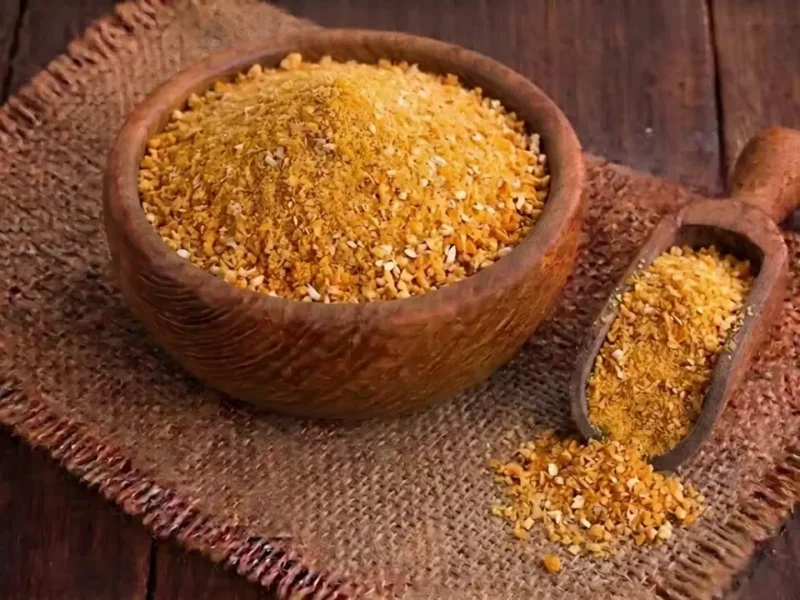
DDGS feed is distillers dried grains with solubles, the protein-, fat- and fibre-rich co-product left after maize or other grain is fermented to make ethanol. It is used in poultry, dairy, beef, pig and aqua feed as a lower-cost source of energy and protein that replaces part of the maize and soybean meal in a diet. This guide covers the nutrient profile of DDGS, typical inclusion rates by species, the quality factors to check and how to buy it in bulk from India.
Key takeaways
- Fermentation removes the starch, so DDGS concentrates the protein, fat, fibre and minerals of maize about three times.
- Indian corn DDGS typically has 26–32% protein and 5–10% fat.
- USDA-reviewed research supports about 15% in broiler diets, 5–20% in layer diets and up to 20% in dairy rations.
- Aflatoxin, moisture, colour and sulphur are the key quality checks, because mycotoxins are also concentrated.
What Is DDGS and Why Use It in Feed?
DDGS is what remains of the grain after its starch is fermented into ethanol. In a grain distillery, ground maize is cooked, mixed with enzymes and yeast and fermented. The ethanol is distilled off, and the remaining whole stillage is separated into wet grains and thin stillage. The thin stillage is concentrated into a syrup called solubles, which is mixed back with the grains and dried. The result is a golden, free-flowing meal.
Feed mills use DDGS for three main reasons. First, it supplies both energy and protein in one ingredient. Second, it is usually cheaper per unit of protein and energy than the maize and soybean meal it replaces. Third, supply is growing in India. The country’s ethanol-blending programme has made India a DDGS producer of about 3–5 million tonnes a year in a short time, and Indian DDGS now sells to Vietnam, Bangladesh, Sri Lanka and Indonesia.
What Is the Nutrient Profile of DDGS?
DDGS is a medium-protein, medium-fat, high-fibre feed. The exact figures vary by plant, grain and process, so every lot should be bought on its own Certificate of Analysis. Typical values for Indian corn DDGS, as fed, are:
- Crude protein: 26–32%, compared with about 27–31% for US corn DDGS.
- Crude fat: 5–10%. Reduced-oil DDGS, where some corn oil is extracted, is nearer 5–6%.
- Crude fibre: 7–10%. The fibre is digestible for cattle but limits use in young poultry.
- Moisture: 12% maximum, with 10% preferred for storage.
- Ash: 7% maximum.
- Sulphur: 1% maximum. Sulphur comes from acids used in the ethanol process.
DDGS is also a good source of available phosphorus, which can reduce the need for added mineral phosphate in poultry and pig diets. Its protein is lower in lysine than soybean meal, and heat during drying can reduce lysine further, so nutritionists balance diets on digestible amino acids. Rice DDGS, also made in India, has higher protein of about 45–50% but less energy.
How Is DDGS Used in Poultry Feed?
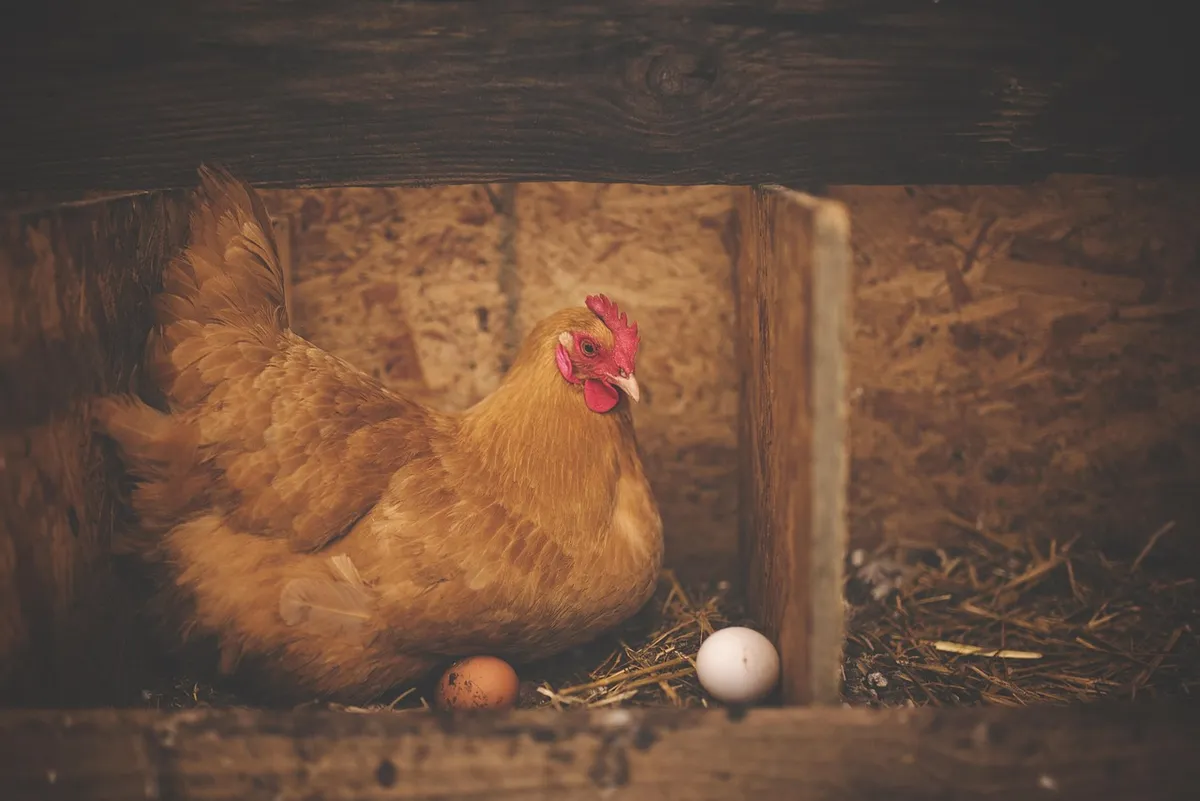
DDGS in poultry feed replaces part of the maize and soybean meal in broiler and layer diets. It works well at moderate levels, and its xanthophyll pigments can help yolk and skin colour.
A review by the USDA Economic Research Service, Hoffman and Baker (2010), reports research where broiler diets with 15% DDGS fed throughout the growing period had no adverse effect on live performance or carcass composition. It also reports that US Midwest layer diets have used 5–20% DDGS, with an average of about 9%. In commercial practice, many mills start at 5–10% and raise the level once they have tested the lot.
Three factors limit DDGS in poultry diets. The fibre is poorly used by birds, especially young chicks. The lysine content is low and variable. And high sulphur, above about 0.6% in the DDGS, can cause wet litter. Mycotoxins are a further concern, because poultry are sensitive to aflatoxin.
How Is DDGS Used in Cattle Feed?
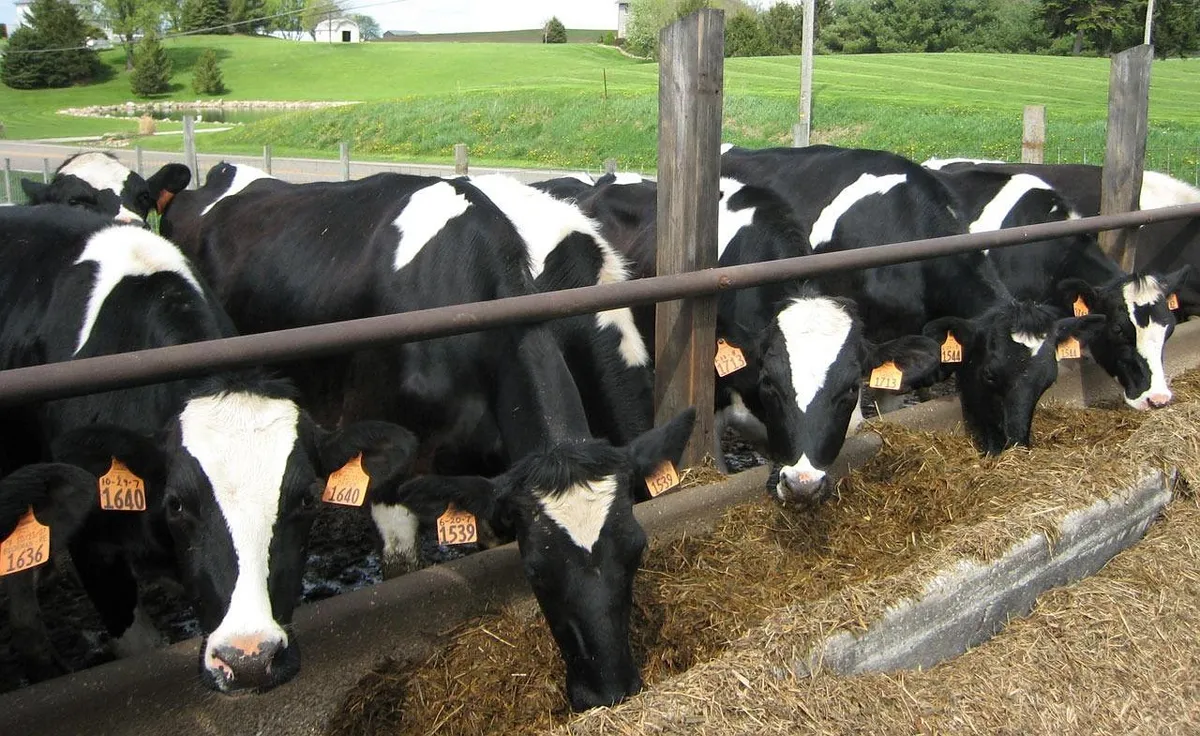
DDGS for cattle is one of its best uses, because ruminants digest the fibre well and use both the energy and the protein. It is fed to dairy cows, beef cattle and buffalo.
For dairy cows, the same USDA review reports that DDGS can make up to 20% of the ration without lowering dry matter intake, milk yield or milk fat and protein. Much of DDGS protein escapes breakdown in the rumen, which suits high-yielding cows. For beef cattle on feed, the review notes that finishing cattle have been fed as much as 40% of diet dry matter as DDGS with good growth, but it gives about 20% as the biological optimum for cattle on feed.
The main limit for cattle is total dietary sulphur. High sulphur can cause a brain disorder called polioencephalomalacia, so nutritionists check the sulphur content of each DDGS lot and of the water before setting the rate. Fat is the second limit, because too much fat in the diet can lower milk fat in dairy cows.
What Are Typical DDGS Inclusion Rates by Species?
The table summarises inclusion levels reported in the USDA ERS review and common commercial practice. Your nutritionist should set the final rate, based on the lot analysis and the rest of the diet.
| Species | Reported inclusion | Main limiting factor |
|---|---|---|
| Broilers | Up to 15% of diet with no adverse effect in research; often 5–10% in practice | Fibre, lysine, sulphur, mycotoxins |
| Layers | 5–20% of diet (US Midwest average about 9%) | Fibre, sulphur, mycotoxins |
| Dairy cows | Up to 20% of the ration | Fat (milk fat), sulphur |
| Beef cattle on feed | About 20% optimum; up to 40% of dry matter in trials | Sulphur, fat |
| Growing-finishing pigs | About 20% of diet | Fibre, fat quality of pork |
| Gestating sows | Up to 50% of diet | Fibre, mycotoxins |
| Aqua feed | Used in shrimp and fish feed; rate set by species | Protein quality, mycotoxins |
DDGS feed inclusion rates by species, from Hoffman and Baker (2010), USDA ERS, and common practice.
Which Quality Factors Matter: Colour, Protein, Fat and Mycotoxins?
Colour, protein and fat, moisture and mycotoxins are the main quality factors for DDGS. Because Indian DDGS varies more from plant to plant than US DDGS, check each lot against its own report.
- Colour and smell: good DDGS is golden yellow to light brown with a sweet, fermented smell. A dark colour or burnt smell means heat damage during drying, which lowers digestible lysine.
- Protein and fat: the price is set mainly on protein plus fat. State the grade on the contract.
- Moisture: above 12%, DDGS can grow mould in storage.
- Aflatoxin: fermentation concentrates mycotoxins about three times. The EU limit for aflatoxin B1 in feed materials is 20 µg/kg under Directive 2002/32/EC. Many Asian buyers accept up to 50 µg/kg by contract.
- Other mycotoxins: the EU guidance values for maize by-products are DON 12 mg/kg, zearalenone 3 mg/kg and fumonisins B1+B2 60 mg/kg.
- Sand and silica: these are tested to make sure the meal is clean.
How Should DDGS Be Stored and Handled?
Store DDGS in a cool, dry, ventilated place, below 12% moisture, and use it within about 6–12 months. DDGS meal is light and can bridge in bins, so it may flow poorly from silos. Pellets flow better and load more weight per container.
DDGS is usually shipped in 50 kg PP bags or 1 MT jumbo bags, and in bulk for large buyers. A 20 ft container holds about 16–18 MT of meal, because the meal fills the container by volume before it reaches the weight limit. Use container liners or desiccants on long, humid voyages, and fumigate before loading where the buyer or destination requires it. Our container load calculator helps you plan the order.
Related reading: Cotton Seed Oil Cake for Cattle: Protein, Gossypol and Limits.
How Do You Buy DDGS Feed in Bulk from India?
To buy DDGS feed from India, state the protein and fat grade, the moisture, sulphur and aflatoxin limits, the packing and the destination port. Ask for a Certificate of Analysis for each lot and, on large orders, an independent inspection at loading. DDGS is priced per tonne FOB or CFR, mostly on protein plus fat, and it moves with maize and soybean meal prices. If you are comparing protein sources, see our guide to DDGS vs soybean meal, and for the milling side of maize, how maize is processed.
Elysium Agri Corporation exports corn DDGS made from Indian non-GMO maize, with 26–32% protein and 5–10% fat, tested for proximate analysis, sand and silica and aflatoxin B1 for each lot. Low-aflatoxin lots of 20 µg/kg or less are available for the EU and other demanding buyers. We also supply soybean meal and other animal feed ingredients.
Tell us the grade, quantity, packing and port, and we will send today’s FOB or CFR price. Request a DDGS quote →
Frequently asked questions
What is DDGS in animal feed?
DDGS means distillers dried grains with solubles. It is the co-product left after maize or other grain is fermented to make ethanol. With the starch removed, it concentrates the protein, fat, fibre and minerals about three times. Feed mills use it as a lower-cost source of energy and protein for livestock, poultry and fish.
What is the typical DDGS inclusion rate in poultry feed?
Research reviewed by USDA ERS found that broiler diets with 15% DDGS had no adverse effect on performance or carcass, and US layer diets have used 5–20%, averaging about 9%. Many feed mills start at 5–10% and adjust after testing the lot for nutrients, sulphur and mycotoxins.
How much DDGS can be fed to dairy cattle?
Research reviewed by USDA ERS shows DDGS can make up to 20% of a dairy cow ration without lowering dry matter intake, milk yield or milk fat and protein. Higher levels can raise dietary fat and sulphur, which may lower milk fat or cause health problems, so a nutritionist should set the rate.
What nutrients does DDGS provide to livestock?
Indian corn DDGS typically provides 26–32% crude protein, 5–10% fat and 7–10% crude fibre, with useful energy and available phosphorus. Much of its protein escapes breakdown in the rumen, which suits dairy cows. It is lower in lysine than soybean meal, so diets are balanced on digestible amino acids.
What limits DDGS use in poultry diets?
Birds digest the fibre in DDGS poorly, especially young chicks. Its lysine is low and can be damaged by heat in drying. High sulphur can cause wet litter, and mycotoxins are concentrated during fermentation. Testing each lot and balancing amino acids lets mills use DDGS safely at moderate levels.
Related reads


