
On this page
- How Long Does Shipping from India Take?
- Which Are the Main Export Ports in India?
- What Are Typical Transit Times by Region?
- How Long Is Shipping from India to Dubai and the Middle East?
- How Long Is Shipping from India to Europe?
- How Long Is Shipping from India to Africa and Asia?
- What Causes Delays and How Can You Plan Around Them?
- How Do You Plan Your Shipment with Elysium?
- Frequently asked questions
The shipping time from India to Dubai is short: a container leaving a Gujarat port usually reaches Jebel Ali in under a week at sea, and the fastest direct services take only three to four days. Northern Europe and the US East Coast usually take 25–40 days port to port. Sea time is only one part of the plan. You should also allow one to three weeks for processing, testing and export clearance before the container is loaded. This guide gives typical transit times by region and explains what causes delays.
Key takeaways
- Gujarat ports such as Mundra are close to the Gulf, so Dubai and other UAE ports are usually under a week at sea.
- Northern Europe and the US East Coast usually take 25–40 days port to port, depending on the carrier and transhipment.
- Total lead time is order-to-arrival: allow time for processing, lab testing, documents and the vessel cut-off, not only the sea leg.
- Transhipment, port congestion and route changes around the Red Sea cause most delays. Ask for the routing before you book.
How Long Does Shipping from India Take?
Sea freight from India takes from a few days to about six weeks, depending on where the goods are going. The Gulf is the closest major market. Europe, the Americas and West Africa are the furthest. The times in this guide are port-to-port times. They start when the vessel sails from the Indian port and end when it arrives at the destination port.
Your total lead time is longer than the sea time. For agri commodities it usually has four parts:
- Preparation: cleaning, sorting, packing and lab testing of your lot. At Elysium this is typically two to three weeks from a confirmed order and payment terms to loading, depending on the product and the season.
- Port and customs in India: the container is moved to the port, export customs clears it, and it must reach the terminal before the vessel cut-off.
- Sea transit: the voyage itself, including any stop at a transhipment hub.
- Arrival and clearance: unloading, import customs and food checks at the destination.
It is safer to plan from the date of order to the date the goods reach your warehouse.
Which Are the Main Export Ports in India?
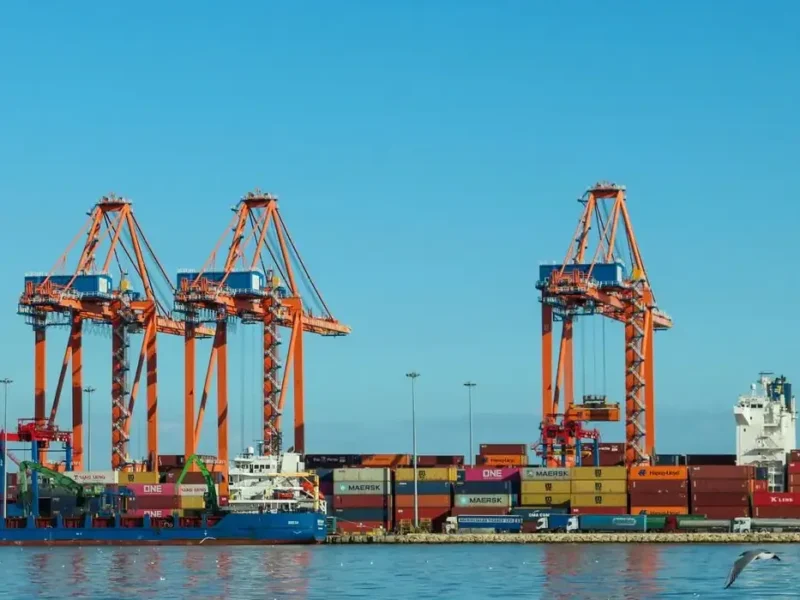
India’s main container ports for agro exports are on the west coast. Gujarat ports are especially useful for spices, oilseeds, peanuts and pulses, because the crops are grown and processed nearby.
- Mundra (Gujarat): India’s largest private port and a major container gateway with many direct services to the Gulf, Europe, Africa and Asia. See our Mundra port guide.
- Kandla / Deendayal (Gujarat): a large government port, used for containers and for bulk cargo such as oilmeals and grains.
- Pipavav (Gujarat): a container port in Saurashtra, close to peanut and sesame growing areas.
- Nhava Sheva / JNPT (Maharashtra): India’s largest government container port, near Mumbai, with services to most world regions.
- Chennai, Tuticorin and Cochin: used often for South Indian spices.
For buyers of Gujarat products, Mundra, Kandla and Pipavav are all within a day’s drive of the processing units. This keeps inland transport time and cost low.

What Are Typical Transit Times by Region?
The table below shows typical port-to-port sea times from western India. The fastest services come from published carrier schedules (as listed on Fluent Cargo route data). The typical ranges reflect our own shipping experience. Use them as a planning guide and check the current schedule.
| Destination region | Example ports | Fastest listed service | Typical planning range |
|---|---|---|---|
| UAE and the Gulf | Jebel Ali, Fujairah, Dammam | About 3–4 days (Mundra to Fujairah) | Under 1 week |
| East Africa | Mombasa, Dar es Salaam | About 9 days (Mundra to Mombasa) | About 2 weeks or more with transhipment |
| Southeast Asia | Ho Chi Minh City, Port Klang | About 7 days (Vizhinjam to Vung Tau) | Varies by carrier and hub |
| Mediterranean and East Asia | Genoa, Piraeus, Busan, Shanghai | Varies by route | About 3–5 weeks |
| Northern Europe | Rotterdam, Antwerp, Hamburg | About 31 days (Nhava Sheva to Rotterdam) | 25–40 days |
| US East Coast | New York, Savannah | Varies by route | 25–40 days |
Remember to add preparation time before loading and clearance time after arrival.
How Long Is Shipping from India to Dubai and the Middle East?
The shipping time from India to Dubai is usually under a week. Many shipping lines run direct weekly services from Mundra and Nhava Sheva to Jebel Ali. Jebel Ali is also a transhipment hub for nearby Gulf markets. The fastest listed service, from Mundra to Fujairah, takes about three to four days.
Short transit lets Gulf buyers order smaller lots more often and hold less stock. Food also spends less time in a hot container, which helps protect quality.
In Saudi Arabia, Dammam on the Gulf coast is close to India, while Jeddah on the Red Sea coast is further away. Each Gulf country has its own food registration and labelling rules. Our guide to UAE food import requirements explains the documents and checks in Dubai.
How Long Is Shipping from India to Europe?
Shipping from India to Northern Europe usually takes 25–40 days port to port. The fastest listed service from Nhava Sheva to Rotterdam takes about 31 days. Mediterranean ports such as Genoa or Piraeus can be faster on direct services, but many cargoes are transhipped, which adds days.
Route choice has a large effect on Europe transit. The usual route runs through the Red Sea and the Suez Canal. Since late 2023, security risks in the Red Sea have led many carriers to sail around the Cape of Good Hope instead. The International Transport Forum (OECD) estimates that this diversion adds around 10 days to a Far East to Europe voyage. Ask which route your vessel will take.
European buyers should also plan for border checks. Some products, such as sesame, groundnuts and certain spices, face increased official controls at EU entry, and a lot may be held for sampling. Our guide to importing food into the EU covers these checks.

How Long Is Shipping from India to Africa and Asia?
East Africa and Southeast Asia are close to India, so sea times are usually short. The fastest listed service from Mundra to Mombasa takes about nine days, with several sailings each week. Dar es Salaam and other East African ports are often reached through transhipment, which can take longer.
West Africa is further away. Cargo to Lagos, Tema or Abidjan usually goes through a hub, so ask for the full routing before you agree a delivery date.
For Asia, Southeast Asian ports such as Ho Chi Minh City and Port Klang are often around one to two weeks from India. East Asian ports such as Busan, Shanghai and Yokohama usually take three to five weeks from Gujarat. Many services call at Colombo or Singapore on the way.
What Causes Delays and How Can You Plan Around Them?
Most delays come from a few known causes. You can reduce their impact with good planning.
- Transhipment: a container that changes ships at a hub can wait several days for the next vessel. Ask for a direct service where one exists.
- Route changes: Red Sea diversions and other changes can add a week or more to Europe and Mediterranean voyages.
- Port congestion and weather: busy terminals and monsoon weather on India’s west coast can slow loading and sailing.
- Missed cut-off: if the container or documents are late, the cargo rolls to the next vessel, often a week later.
- Testing and documents: late lab results, a missing phytosanitary certificate or an error on the invoice can hold cargo in India or at arrival.
To plan around these risks, order early and keep a buffer stock, especially before Ramadan, Christmas or other peak seasons. Agree the Incoterm clearly, so both sides know who books the vessel. Check the paperwork in advance using our export documentation guide. Choose the right container size: our 20 ft vs 40 ft container guide and container load calculator help you plan the load. Finally, ask for the vessel name and tracking details as soon as the booking is confirmed.

Related reading: Container Liner Bag: How Dry Bulk Liners Work for Export Cargo and SFDA Registration and Food Import Requirements for Saudi Arabia.
How Do You Plan Your Shipment with Elysium?
Elysium Agri Corporation is based in Jamnagar, Gujarat. We ship spices, sesame, peanuts, pulses, grains, dehydrated vegetables and feed ingredients through Mundra, Kandla (Deendayal) and Pipavav ports. We pick the port and shipping line with the best sailing for your destination. For Dubai and the Gulf, that usually means a direct service of under a week. For Europe and the Americas, we check the current routing and transhipment before we confirm a date.
Our typical lead time is two to three weeks from a confirmed order to loading, depending on the product and the season. Every lot is tested before loading, and we pack in export bags with liners and desiccants suited to the route. We quote FOB, CFR and CIF, and you can estimate the full cost to your door with our landed cost calculator.
Tell us the product, quantity, destination port and the date you need the goods, and we will plan the shipping time from India to Dubai or any other market with you. Request a shipping and product quote →
Frequently asked questions
How long does shipping from India to Dubai take?
Sea freight from a Gujarat port such as Mundra to Jebel Ali in Dubai usually takes under a week, and the fastest direct services take about three to four days. Add time for processing, lab testing, export clearance and the vessel cut-off before sailing, and for customs clearance in Dubai after arrival, when you plan your delivery date.
How many days does sea freight from India to Europe take?
Sea freight from India to Northern European ports such as Rotterdam, Antwerp or Hamburg usually takes 25 to 40 days port to port. The exact time depends on the carrier, transhipment and whether the vessel uses the Suez Canal or sails around the Cape of Good Hope, which adds around ten days. Mediterranean ports can be faster on direct services.
What is the transit time from India to East Africa?
East Africa is close to India. The fastest listed direct service from Mundra to Mombasa takes about nine days, with several sailings each week. Cargo to Dar es Salaam or inland markets may be transhipped, which can add days. Always ask for the routing and the expected arrival date before you agree delivery terms with your customers.
What factors affect container transit time from India?
The main factors are distance, whether the service is direct or transhipped, route changes such as Red Sea diversions, port congestion, monsoon weather and missed vessel cut-offs. Late lab results or document errors can also hold cargo in India or at arrival. Ordering early, keeping a buffer stock and checking documents in advance reduce these risks.
Which Indian ports handle most agro exports?
Most containerised agro exports leave from west coast ports. Mundra, Kandla (Deendayal) and Pipavav in Gujarat handle large volumes of spices, oilseeds, peanuts, pulses and feed, while Nhava Sheva near Mumbai is India's largest government container port. Chennai, Tuticorin and Cochin are often used for South Indian spices and routes to East Asia.
Related reads


