

On this page
- What Are the Food Import Requirements for the UAE?
- Who Regulates Food Imports in the UAE?
- How Do Importer and Product Registration Work?
- What Are the UAE Labelling Requirements?
- Which Documents Are Required at Clearance?
- How Do Inspection and Shelf-Life Rules Work?
- What Are the Common Reasons for Shipment Delays?
- How Do You Source Food for the UAE from India?
- Frequently asked questions
To import food to the UAE, you need a licensed importer, registered products with approved Arabic labels, and a document set that matches the label and registration exactly. Each shipment is then cleared and inspected by the food authority of the emirate where it lands, such as Dubai Municipality. The rules are set at federal level but applied locally, so details can differ between Dubai, Abu Dhabi and the northern emirates. This guide explains who regulates food, how registration works, and which documents you need at the port.
Key takeaways
- The Ministry of Climate Change and Environment (MOCCAE) sets federal food safety rules. Emirate authorities such as Dubai Municipality inspect and release shipments.
- Importers register their company and each product on the ZAD federal system or the emirate’s own portal before the first shipment.
- Prepackaged food needs an Arabic label under UAE.S GSO 9, with production and expiry dates in the approved format.
- Most delays come from small mismatches between the label, the registration record and the shipping documents.
What Are the Food Import Requirements for the UAE?
The UAE has four core requirements for food imports. First, the importer must hold a valid trade licence that covers food trading and must be registered with the food authority. Second, each product must be registered, and its label must be assessed before it is sold. Third, every consignment must carry the right commercial and health documents. Fourth, the shipment must pass inspection, and sometimes laboratory testing, at the point of entry.
For bulk agri-commodities such as pulses, spices, sesame and peanuts, the process is simpler than for meat, dairy or ready meals. Plant products do not need a veterinary or halal certificate, but they still need a phytosanitary certificate and must meet UAE limits for pesticide residues and contaminants. Products packed for retail need full label approval. Bulk cargo for processing or repacking is usually treated as an ingredient, but it must still be registered and declared correctly.
Who Regulates Food Imports in the UAE?
Food imports are regulated at two levels. The federal authorities write the rules, and the local authorities in each emirate enforce them at the port, according to the USDA FAIRS country report for the UAE, which APEDA also publishes for Indian exporters.
- Ministry of Climate Change and Environment (MOCCAE): sets federal food safety regulations and manages plant and veterinary quarantine.
- Ministry of Industry and Advanced Technology (MOIAT): issues UAE standards, including the labelling and shelf-life standards.
- Dubai Municipality: inspects food at Dubai ports, tests samples, approves labels and releases consignments.
- Abu Dhabi Agriculture and Food Safety Authority (ADAFSA): controls food entering Abu Dhabi.
- Other emirate municipalities: Sharjah, Ajman, Ras Al Khaimah, Fujairah and Umm Al Quwain each control imports through their own ports.

How Do Importer and Product Registration Work?
The importer registers first, and then registers each product. Registration is done online, and the importer of record, not the foreign exporter, holds the registration.
Importer registration. A UAE company needs a trade licence with a food trading activity. It then opens an account with the food authority. In Dubai this is done through the municipality’s digital services. Federal registration runs through ZAD, the national food registration system that covers all seven emirates. Abu Dhabi uses its own import management system.
Product registration. For each product, the importer uploads the label, packaging details, ingredients and any supporting certificates. The authority checks the label against UAE standards. Once approved, the product record is used to clear every future shipment. If you change the recipe, pack size or label artwork, the record usually needs an update before the next shipment arrives.
As an exporter, you can help by sending clear label files, a product specification and a sample Certificate of Analysis early. This gives your buyer time to complete registration before the container sails.
What Are the UAE Labelling Requirements?
Prepackaged food sold in the UAE must carry an Arabic label that meets UAE.S GSO 9, the standard for labelling prepackaged foods. English can appear alongside the Arabic, but the two must say the same thing. An approved Arabic sticker can be used if it does not cover other mandatory information.
A compliant label normally shows:
- the product name and a list of ingredients in descending order of weight;
- allergens, such as sesame, peanuts or gluten-containing cereals, clearly declared;
- net quantity in metric units;
- the production date and the expiry or best-before date;
- the name and address of the manufacturer, packer or importer;
- the country of origin;
- storage instructions where needed;
- nutrition information under UAE.S GSO 2233 for products that require it.
Date marking follows UAE.S 150-1. Foods with a shelf life of three months or less must show day, month and year. Longer-life foods can show month and year. Some basic foods, including spices, salt, sugar and dried legumes, have relaxed expiry rules under this standard. Ask your importer how the rule applies to your exact product before you print bags.
Which Documents Are Required at Clearance?
The exact list depends on the product, but the table shows the documents that usually travel with a container of plant-based food from India to the UAE.
| Document | Issued by | Purpose |
|---|---|---|
| Commercial invoice | Exporter | Value, quantity and terms of sale for customs |
| Packing list | Exporter | Bag count, weights and lot numbers |
| Bill of lading | Shipping line | Title to the goods; needed to collect the container |
| Certificate of origin | Chamber of commerce or export council in India | Proves Indian origin for customs and tariff purposes |
| Phytosanitary certificate | Plant Quarantine, India | Confirms plant products were inspected and are free of pests |
| Certificate of Analysis | Accredited laboratory | Shows the lot meets residue, contaminant and quality limits |
| Product registration and label approval | UAE food authority (held by importer) | Links the shipment to an approved product record |
| Health or halal certificate | Competent authority or approved certifier | Needed for some categories, such as meat and dairy |
Typical clearance documents for plant-based food shipped from India to the UAE.
The UAE customs declaration is filed by the importer or its clearing agent. Use the correct HS code on the invoice so that it matches the declaration. Our HS code finder lists codes for common Indian agri products, and our certificates page shows the documents we issue with each shipment.
How Do Inspection and Shelf-Life Rules Work?
Every food consignment is checked on arrival. Inspectors compare the goods, labels and documents with the registered product record. New products, and products considered higher risk, are sampled and tested. In Dubai, samples go to the municipality’s food laboratory, and results are typically available within about five working days.
Tests check compliance with UAE technical regulations. Pesticide residues are assessed against UAE.S MRL 1, and contaminants against UAE.S GSO CAC 193, which is based on the Codex General Standard for Contaminants. For spices, pulses and oilseeds, the main tests are usually pesticide residues, aflatoxin, heavy metals and microbiology.
Shelf life also matters at the port. Goods must reach the market with enough life left for distribution and sale. Many UAE buyers set a minimum remaining shelf life in the purchase contract. Agree this figure before booking, and make sure production dates on the bags are recent when the container is loaded.
What Are the Common Reasons for Shipment Delays?
Most delays are caused by paperwork, not by the food itself. The most common problems are:
- Label and registration mismatch: the product name, weight or ingredients on the bag differ from the registered record.
- Missing or wrong Arabic: no Arabic label, a poor translation, or an expiry date in the wrong format.
- Certificate errors: a phytosanitary or health certificate with the wrong consignee, weight or container number, or one that has expired.
- Laboratory failures: pesticide residues or contaminants above UAE limits, or undeclared ingredients or additives.
- Short shelf life: goods arriving with less life than the buyer or authority accepts.
- Unclear purpose: confusion over whether the goods are for local sale or re-export.
Related reading: Mundra Port: Location, Facilities and Agro Export Routes and How to Import Food to the EU: Rules, Checks and Documents.
How Do You Source Food for the UAE from India?
Work with an Indian exporter that already ships to the Gulf and understands how to import food to the UAE without delays. Check that it holds an Import Export Code, APEDA registration, an FSSAI licence and, for spices, Spices Board registration. Ask for a lot-wise test report from an accredited laboratory, and confirm that it can print Arabic labels or leave space for approved stickers.
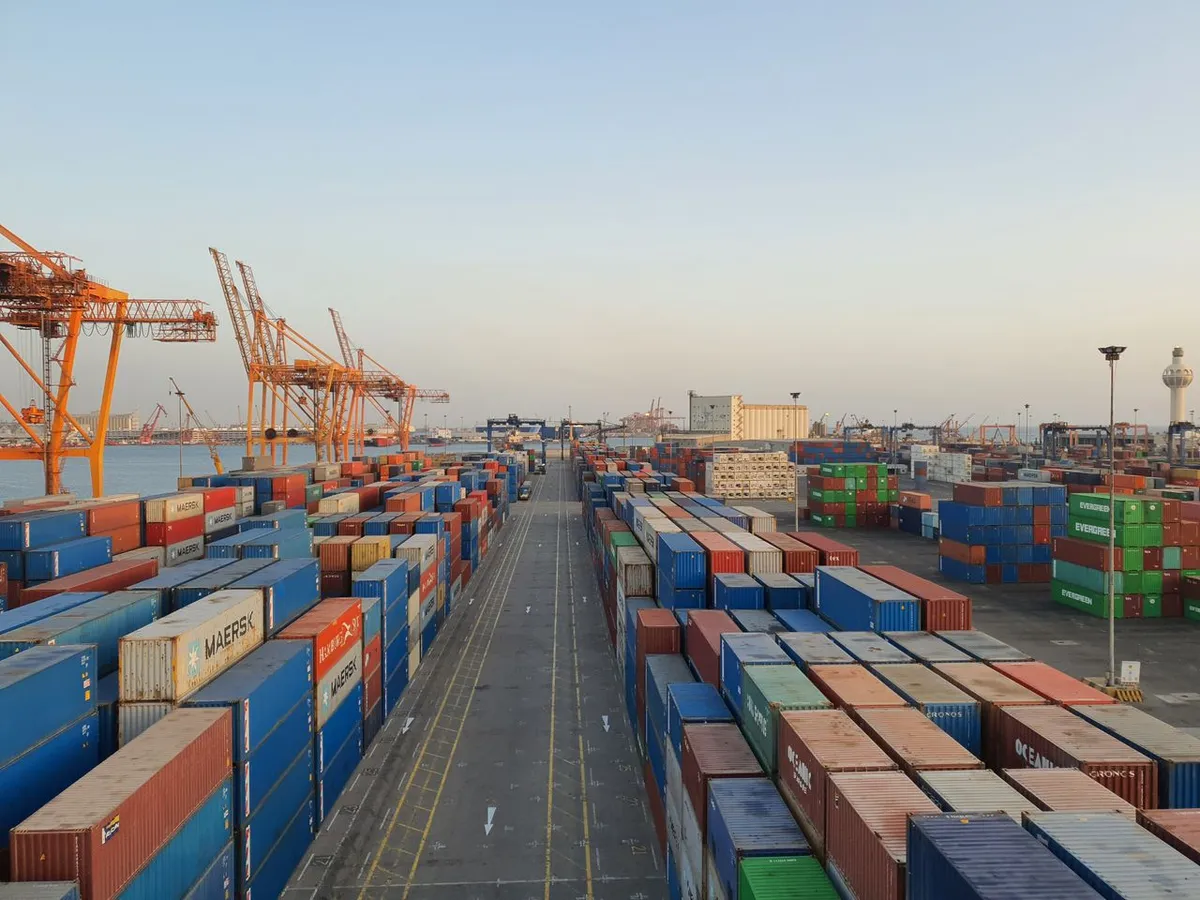
Elysium Agri Corporation exports pulses, spices, sesame, peanuts, dehydrated vegetables and grains from Jamnagar, Gujarat. We ship through Mundra, Kandla (Deendayal) and Pipavav, and Gulf ports are usually reached in under a week. Our minimum order is usually one 20 ft container per product, and a mixed container can combine several products. Every lot is tested before loading, and our lab testing page lists the full panel. We can also pack under your brand through our private label service.
We accept advance TT, part advance with balance against documents, cash against documents and letters of credit at sight. You can estimate your total cost with our landed cost calculator. Tell us the product, grade, quantity and destination emirate, and we will send a quote and specification sheet. Request a UAE shipment quote →
Frequently asked questions
What are the requirements to import food into the UAE?
You need a UAE company with a trade licence covering food trading, registration with the food authority, and each product registered with an approved Arabic label. Every consignment must carry an invoice, packing list, bill of lading, certificate of origin and the relevant health or phytosanitary certificate, and it must pass inspection at the port of entry.
Do food importers need registration with Dubai Municipality?
Yes. Importers clearing food through Dubai must register with Dubai Municipality and register their products on its digital system, which links to the federal ZAD platform. The importer of record holds these registrations, not the foreign exporter. Shipments are then checked against the registered product record when they arrive.
What must a UAE food label include?
Under UAE.S GSO 9, a prepackaged food label must be in Arabic, with English allowed if it matches. It shows the product name, ingredients, allergens, net quantity, production and expiry dates, manufacturer or importer details, country of origin and storage instructions. Many products also need nutrition information under UAE.S GSO 2233.
What documents are needed to clear food at UAE ports?
A typical plant-based food shipment needs a commercial invoice, packing list, bill of lading, certificate of origin, phytosanitary certificate and a Certificate of Analysis. The importer also needs the product registration and label approval. Meat, dairy and some other categories need health and halal certificates from approved authorities and certifiers.
How can I source food products from an Indian exporter for the UAE?
Choose an exporter with IEC, APEDA and FSSAI registrations, and Spices Board registration for spices. Ask for lot-wise lab reports, label support in Arabic, and sample documents before shipment. Elysium Agri ships pulses, spices, sesame, peanuts and dehydrated vegetables from Gujarat, usually reaching Gulf ports in under a week.
Related reads


