
On this page
- What Is Mundra Port and Where Is It?
- How Is Mundra Port Located and Connected?
- What Facilities and Cargo Does Mundra Handle?
- Why Does Mundra Suit Agro Exports from Gujarat?
- How Does Mundra Compare with Other Indian Ports?
- Which Shipping Routes Serve the Middle East, Africa and Europe?
- How Do Exporters Move Cargo Through Mundra?
- How Can You Ship from Gujarat with Elysium?
- Frequently asked questions
Mundra Port is a deep-water commercial port on the northern shore of the Gulf of Kutch, in Kutch district, Gujarat, on India’s west coast. Run by Adani Ports and SEZ, it is India’s largest private port and became the first Indian port to handle 200 million tonnes of cargo in a year, in 2024-25. For agro exporters in Gujarat, Mundra offers frequent container sailings to the Middle East, Africa, Europe and Asia. This guide explains where the port is, what it handles and how agri cargo moves through it.
Key takeaways
- Mundra is in Kutch district on the Gulf of Kutch, and is operated by Adani Ports and SEZ (APSEZ).
- It began operations in 1998 and handles containers, dry bulk, liquids, vehicles and project cargo.
- Its location on the west coast gives short sailings to the Gulf and good links to the Red Sea and Europe routes.
- Gujarat’s agro exports also use Kandla (Deendayal) and Pipavav. Exporters pick the port with the best sailing for each destination.
What Is Mundra Port and Where Is It?
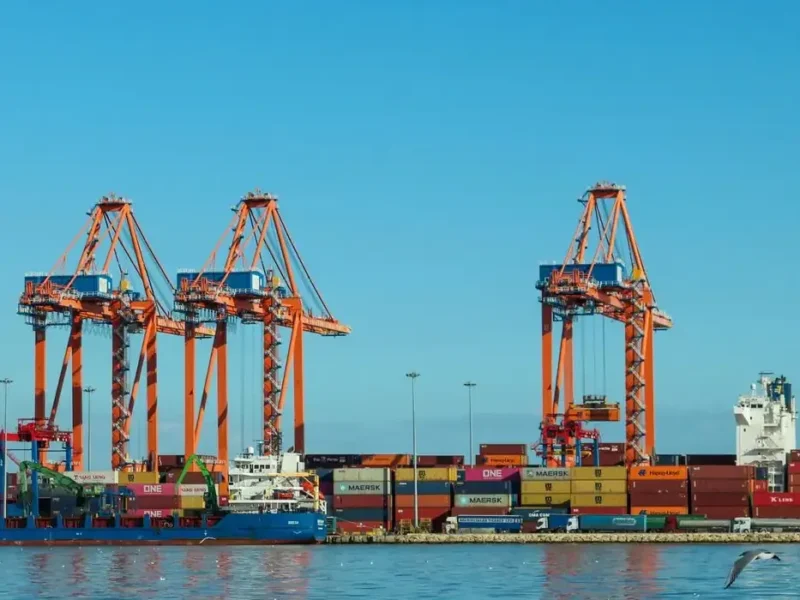
Mundra Port is a multi-purpose port on the north coast of the Gulf of Kutch, near the town of Mundra in Kutch district, Gujarat. It is the main gateway for container trade from north-west India.
The first ship called at Mundra in October 1998. Since then it has grown into India’s largest commercial port by cargo. According to a PTI report, Mundra handled a record 200 million tonnes of cargo in 2024-25, the first Indian port to reach that level.
The port is owned and operated by Adani Ports and Special Economic Zone Ltd (APSEZ). It sits within a large port-based special economic zone, described as India’s first multi-product port-based SEZ, which hosts warehouses, industries and logistics parks.
How Is Mundra Port Located and Connected?
Mundra is connected by road, rail and pipeline to Gujarat and to north and central India. This connectivity is why so much inland cargo uses it.
- Road: national and state highways link Mundra to Gandhidham, Morbi and the Saurashtra region. Jamnagar, Rajkot and the other Saurashtra agri markets are within a day’s drive.
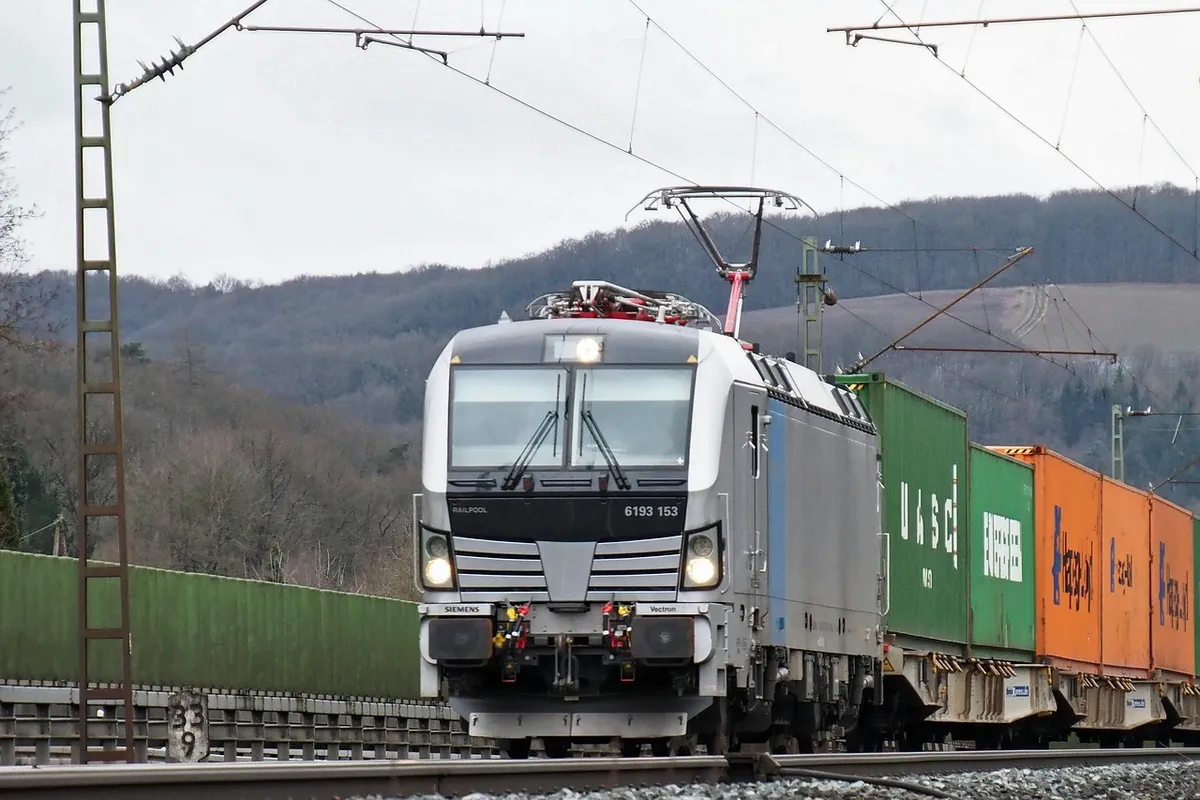
- Rail: a private rail line connects the port to the Indian Railways network at Adipur, and double-stack container trains run to inland container depots in north India.
- Nearby ports: Kandla (Deendayal Port) lies a short distance east on the same gulf.
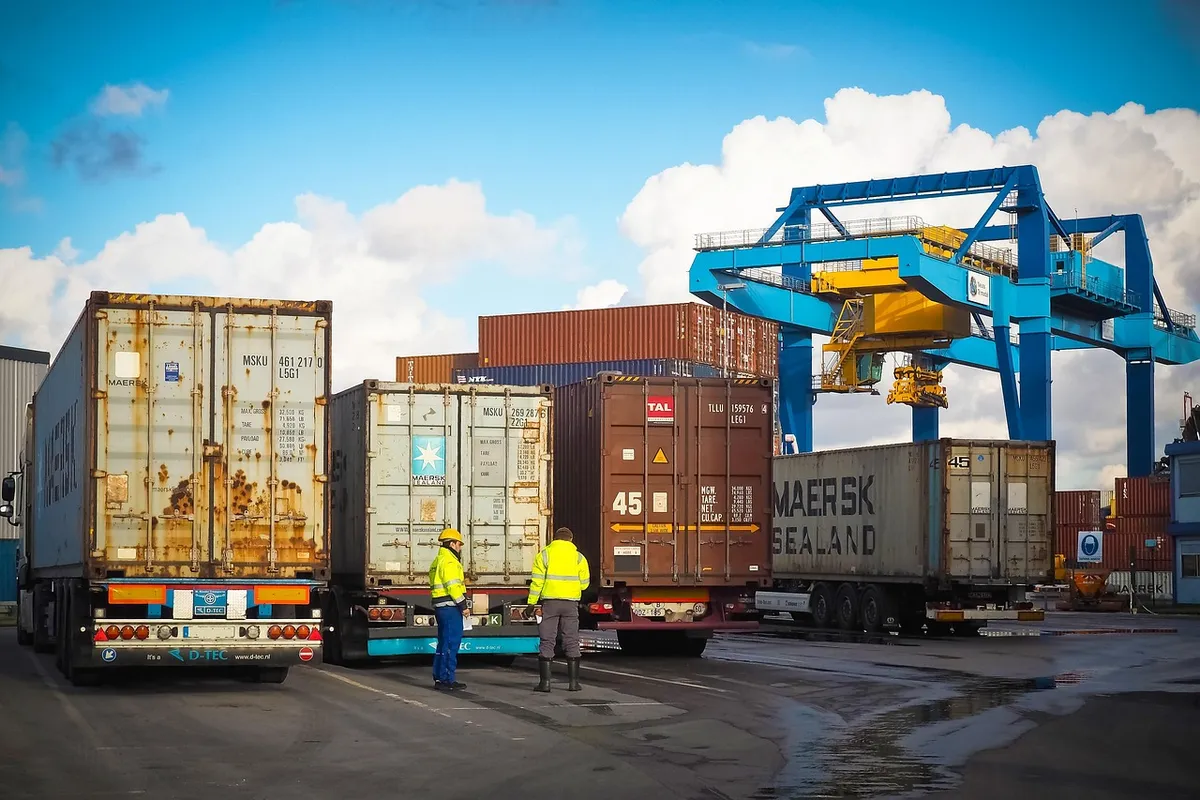
For Saurashtra exporters, the trip to Mundra is a short road haul. Containers are usually stuffed at the exporter’s warehouse, sealed and trucked straight to the port.
What Facilities and Cargo Does Mundra Handle?
Mundra handles almost every type of cargo: containers, dry bulk such as coal and fertilisers, crude oil and other liquids, vehicles, steel and project cargo.
For agri exporters, the container terminals matter most. Mundra has several container terminals, some operated in partnership with global shipping lines and terminal operators, and it is served by mainline services as well as feeder services. The port also has container freight stations, warehouses and empty-container depots nearby, so exporters can usually find equipment and complete customs formalities close to the terminal.
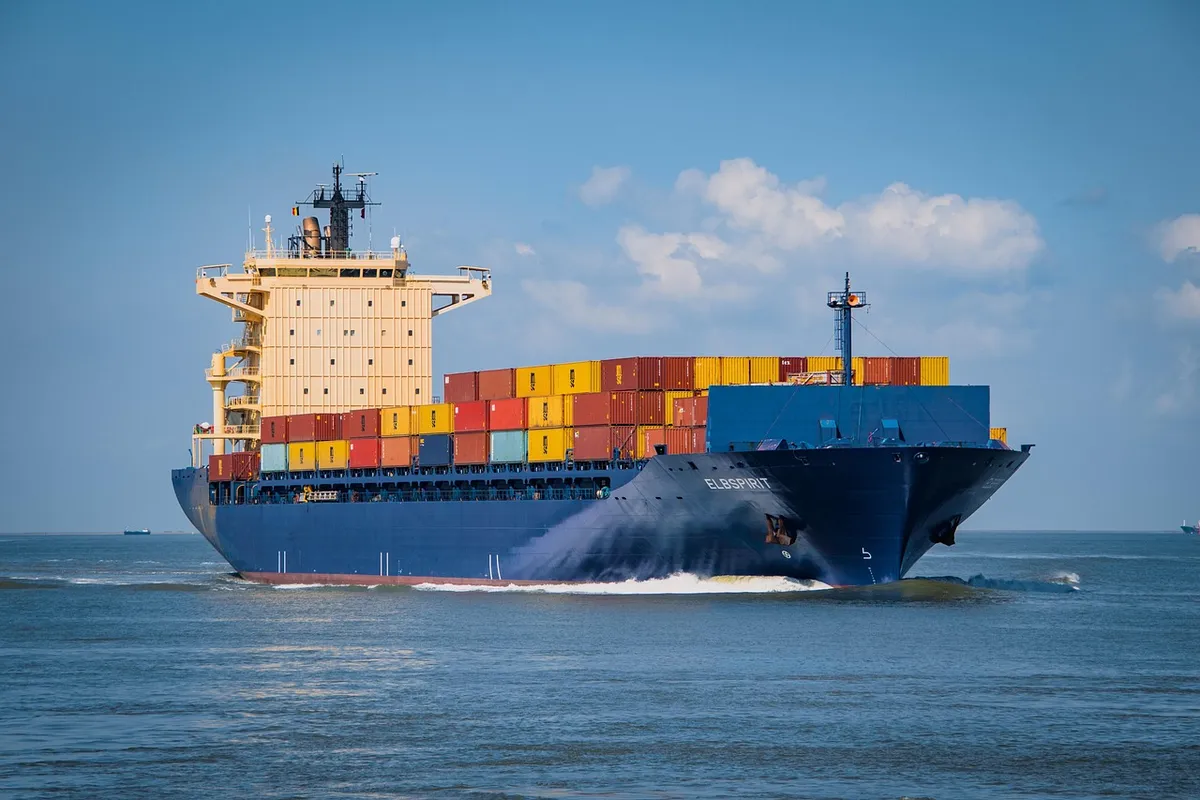
Deep berths let large container ships call directly. Direct calls cut the need to tranship through other hubs, which can save transit time to major markets.
Why Does Mundra Suit Agro Exports from Gujarat?
Mundra suits Gujarat’s agro exports because it is close to the crops, has frequent sailings and handles containerised cargo efficiently.
- Close to the crop: Gujarat is a leading grower of groundnut, sesame, cumin and other spices. Saurashtra’s groundnut exporters around Rajkot, Jamnagar, Junagadh and Amreli are close to Mundra and Pipavav.
- Close to processing hubs: spice markets such as Unjha and the dehydrated onion cluster at Mahuva also ship through Gujarat ports.
- Frequent services: many sailings each week give exporters flexibility on dates and freight.
- Container availability: large volumes of imports into Mundra mean empty containers are usually available for exports.
Yes, Mundra handles containerised agro commodities every day. Peanuts, sesame, spices, pulses, grains and dehydrated vegetables all ship from Mundra in 20 ft and 40 ft containers. See our guide on 20ft vs 40ft containers to choose the right box.
How Does Mundra Compare with Other Indian Ports?
Gujarat agro exporters mainly choose between Mundra, Kandla (Deendayal) and Pipavav, with Nhava Sheva near Mumbai as a further option.
| Port | Location | Operator | Main strength for agri exporters |
|---|---|---|---|
| Mundra | Gulf of Kutch, Kutch district, Gujarat | Adani Ports and SEZ (private) | Largest port by cargo; many container services; strong rail links |
| Kandla (Deendayal) | Gulf of Kutch, near Gandhidham, Gujarat | Deendayal Port Authority (government major port) | Bulk and break-bulk, including oilmeals and grains; some container services |
| Pipavav | Amreli district, Saurashtra, Gujarat | Private (APM Terminals) | Close to southern Saurashtra; container and bulk cargo |
| Nhava Sheva (JNPA) | Navi Mumbai, Maharashtra | Jawaharlal Nehru Port Authority, with private terminals | Major container hub with wide service coverage |
Main west coast ports used for Gujarat agro exports.
The best port depends on the destination, the sailing schedule and the freight rate in a given week. Exporters often compare offers from all three Gujarat ports before booking. Port congestion, equipment shortages and weather in the monsoon months can also shift the choice from one week to the next.
Which Shipping Routes Serve the Middle East, Africa and Europe?
From Mundra, container services run west to the Gulf, the Red Sea and Europe, south to East Africa and east to Asia.
- Middle East: Gulf ports such as Jebel Ali, Dammam and Sohar are usually reached in under a week.
- Europe and the Mediterranean: usually three to five weeks port to port, depending on the route and transhipment.
- East and West Africa: direct and transhipment services to ports such as Mombasa, Dar es Salaam and West African hubs.
- Asia and North America: through direct services or transhipment hubs such as Colombo, Singapore or the Gulf.
Transit times change with the service and with events on major sea routes, such as diversions around the Red Sea. Always check the current schedule when you book.
How Do Exporters Move Cargo Through Mundra?
A typical agri export through Mundra follows six steps:
- Booking: the exporter (or the buyer, under FOB) books space with a shipping line and collects an empty container.
- Stuffing: the container is lined if needed, loaded at the warehouse, fumigated where required and sealed.
- Documents: the shipping bill is filed with customs, and the phytosanitary certificate, certificate of origin and lab reports are arranged.
- Transport: the sealed container is trucked to the port terminal with its verified gross mass (VGM) declared.
- Customs clearance: customs clears the shipment for export, with inspection if selected.
- Loading: the container is loaded on the vessel, and the bill of lading is issued.
If you buy FOB Mundra, your own forwarder books the freight and the exporter delivers the cleared container to the terminal. Under CFR or CIF, the exporter books the freight to your port. In either case, ask for the vessel name, container numbers and seal numbers as soon as the cargo is loaded, so you can track the shipment and prepare your import clearance. Under a letter of credit, make sure the port of loading in the credit matches the actual port, or allow “any Indian port” if you want flexibility.
Related reading: How to Import Food to the UAE: Rules, Labels and Documents.
How Can You Ship from Gujarat with Elysium?
Mundra Port is one of our gateways. We ship from Mundra, Kandla (Deendayal) and Pipavav, all within a day’s drive of our base in Jamnagar, and choose the port with the best sailing to your destination.
Elysium Agri Corporation exports peanuts, sesame, spices, pulses, grains, dehydrated vegetables and animal feed. We inspect every container to make sure it is clean, dry and odour-free before loading, stuff and seal it, share loading photos and seal numbers with you, arrange the documents and deliver it to the port. See our infrastructure and packaging pages, and plan your load with the container load calculator and your total cost with the landed cost calculator. We quote FOB, CFR or CIF; see FOB vs CIF for agri imports.
Tell us your product, quantity and destination port, and we will quote with the best routing. Request a shipping quote →
Frequently asked questions
Where is Mundra Port located?
Mundra Port is on the northern shore of the Gulf of Kutch, near the town of Mundra in Kutch district, Gujarat, on India's west coast. It lies a short distance west of Kandla (Deendayal) Port and is connected by road and rail to Saurashtra, the rest of Gujarat and north India.
Why is Mundra Port important for Indian agro exports?
Mundra is India's largest commercial port by cargo, with frequent container services, good rail links and plentiful empty containers. It is close to Gujarat's groundnut, sesame and spice belts, so exporters can truck sealed containers to the port quickly and choose from many sailings to the Gulf, Africa, Europe and Asia.
Which shipping routes does Mundra Port serve?
Mundra has container services to the Gulf, the Red Sea, the Mediterranean and northern Europe, East and West Africa, and Asia, either direct or through transhipment hubs. Gulf ports are usually reached in under a week, while Europe usually takes three to five weeks port to port, depending on the route.
How far is Mundra Port from Jamnagar?
Mundra is a short road haul from Jamnagar, usually reached within a day by truck via the highway around the Gulf of Kutch. This lets Jamnagar exporters stuff and seal containers at their own warehouses and deliver them to the Mundra terminal for the next sailing. Kandla and Pipavav are also within a day's drive.
Can Mundra Port handle containerised agro commodities?
Yes. Mundra handles containerised agro commodities every day, including peanuts, sesame, spices, pulses, grains, oilmeals and dehydrated vegetables. They ship in 20 ft and 40 ft dry containers, often with liners and desiccants, and container freight stations near the port support customs clearance and inspection.
Related reads


