
On this page
- How Do Groundnuts Grow?
- What Soil and Climate Suit Groundnut Cultivation?
- How Are Groundnuts Sown and Seeds Selected?
- From Flower to Pod: How Does Pegging Work?
- What Are the Groundnut Growth Stages from Sowing to Harvest?
- How Are Groundnuts Harvested, Dug and Field-Dried?
- How Do Groundnuts Go from Farm to Shelling and Grading for Export?
- Frequently asked questions
Groundnuts grow in an unusual way: the plant flowers above ground, then each fertilised flower sends a stalk called a peg down into the soil, where the pod and kernels develop. The crop takes about 90 to 130 days from sowing to harvest, depending on the variety. In India, most groundnuts growing for export are raised in Saurashtra, Gujarat, during the monsoon. This guide follows the crop from soil and sowing to pegging, harvest and grading.
Key takeaways
- Groundnut pods form underground after a peg pushes the fertilised flower into the soil.
- Light, well-drained soils suit the crop, because pegs must enter the soil and pods must be dug out cleanly.
- India’s main kharif crop is sown in June and July and harvested from September to November.
- Careful drying after harvest is the first line of defence against mould and aflatoxin.
How Do Groundnuts Grow?
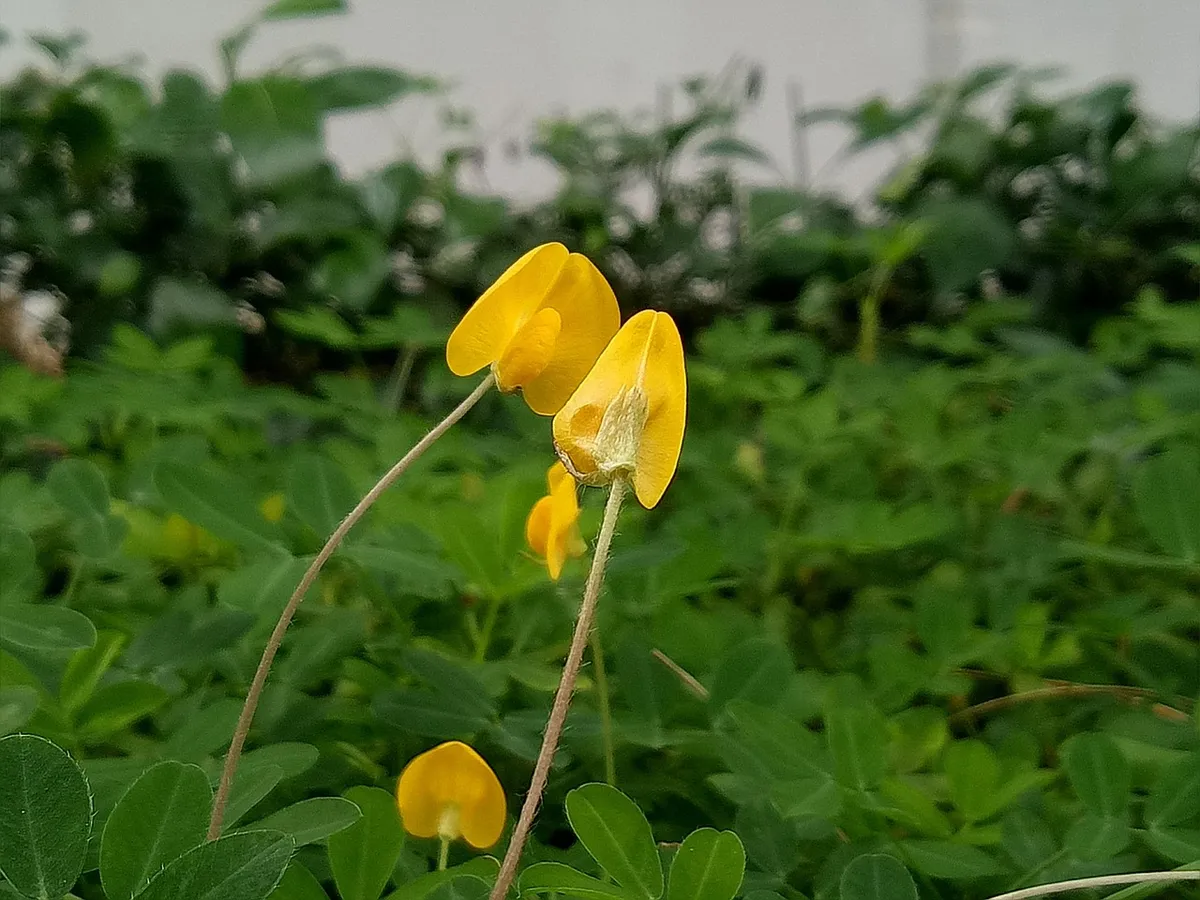
Groundnuts grow as low, leafy annual plants. The plant (Arachis hypogaea) produces small yellow flowers above ground. After a flower is pollinated, the stalk below the ovary grows longer and bends down towards the soil. This stalk is the peg. It pushes the young ovary a few centimetres into the soil, where it swells into a pod with one to several kernels. This habit of fruiting underground is why the crop is called groundnut, and why the species name hypogaea means “under the earth”.
Groundnut is a legume. Like peas and beans, it works with soil bacteria in its root nodules to fix nitrogen from the air, so it needs less nitrogen fertiliser than cereals and leaves some nitrogen behind for the next crop. If you are unsure about the names, our article on groundnut vs peanut explains that both words mean the same plant.
What Soil and Climate Suit Groundnut Cultivation?
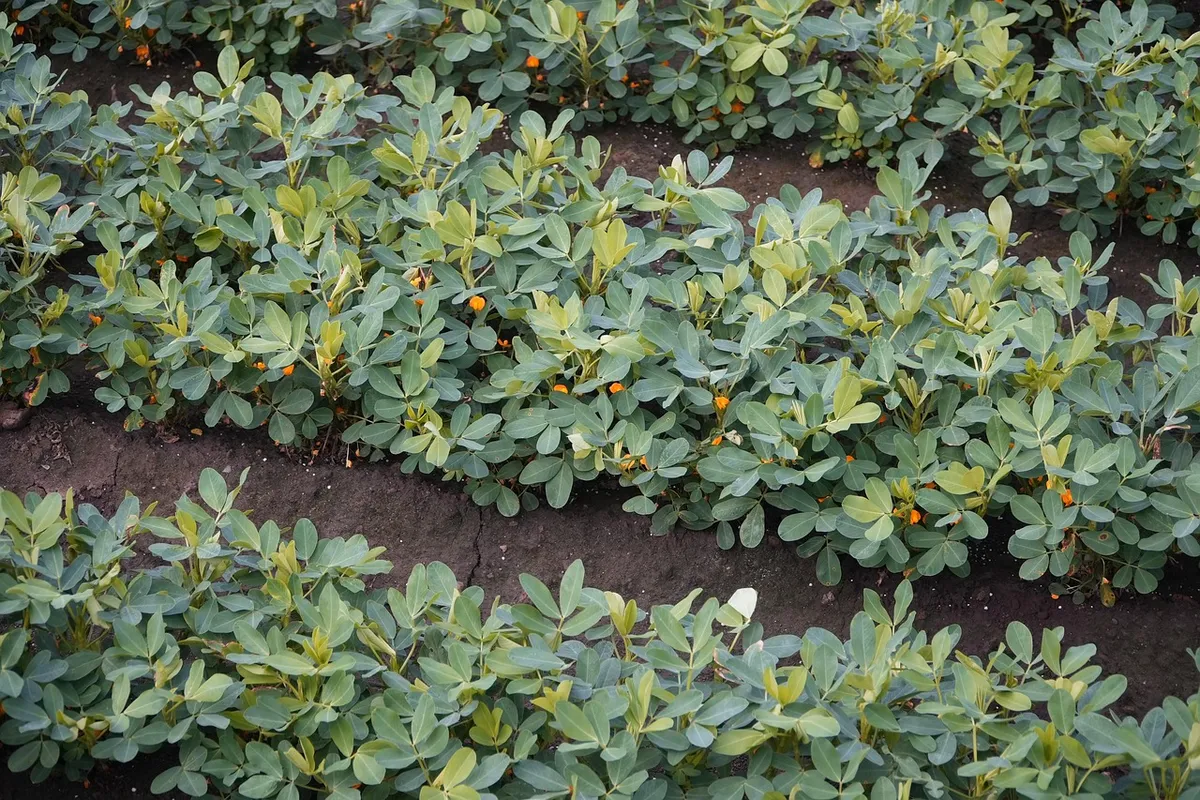
Groundnuts grow best in warm weather, with moderate, well-spread rainfall and plenty of sunshine. The crop dislikes frost and waterlogging. Most of India’s groundnut is grown as a rainfed kharif crop during the south-west monsoon, with a smaller irrigated summer crop.
Soil matters more than for most crops, because the pods form underground. The ideal soil is a light, well-drained sandy loam or medium black soil that stays loose. Loose soil lets the pegs enter easily and lets farmers lift the pods cleanly at harvest. Heavy clay soils can form a hard crust that stops pegs from entering, and they cling to pods, making them dirty and harder to dig. Calcium in the pegging zone is also important for well-filled pods, which is why farmers often apply gypsum during flowering.
Gujarat grows the largest share of India’s groundnut crop, mostly in Saurashtra around Rajkot, Jamnagar, Junagadh and Amreli. Its light soils and monsoon pattern suit the crop well.
How Are Groundnuts Sown and Seeds Selected?
Groundnuts are sown from kernels, not from whole pods. Farmers shell healthy pods shortly before sowing and choose plump, undamaged kernels, often treated against seed-borne diseases. The variety decides the plant type and kernel size:
- Virginia types: spreading or semi-spreading plants with large kernels, sold in the trade as Bold peanuts.
- Spanish types: upright bunch plants with small, round kernels, sold as Java and TJ.
Our guide to the types of peanuts grown in India explains how these become export grades. Seed rates and spacing depend on variety and region. For example, the TNAU Agritech Portal recommends about 120–125 kg of kernels per hectare for standard varieties, more for bold-seeded ones, at a spacing of 30 cm between rows and 10 cm between plants. In Gujarat, the kharif crop is sown in June and July once the monsoon rains arrive, and the summer crop in January and February under irrigation.
From Flower to Pod: How Does Pegging Work?
Pegging is the stage when fertilised flowers turn into underground pods. It is the most important stage of the crop.
- Flowering: flowers usually start to open about four weeks after sowing and continue for several weeks. Each flower lasts only a day and is mostly self-pollinated.
- Peg growth: after pollination, the peg (also called a gynophore) grows down from the base of the flower towards the soil.
- Soil entry: the peg pushes the ovary into the soil. Only pegs that reach the soil in time form pods.
- Pod development: in the darkness of the soil, the tip swells into a pod and the kernels fill over the following weeks.
Because flowering is spread out, a single plant carries pods of different ages at the same time. Moisture during flowering and pod filling is critical. Drought at this stage reduces the number and size of pods, and stressed plants are also more vulnerable to the mould that produces aflatoxin. Gypsum is usually applied around 40 to 45 days after sowing on irrigated crops, close to the pegging zone.
Farmers also protect the crop from pests and diseases during this period. Leaf spot diseases can strip the leaves and cut yields, soil pests can damage pods underground, and weeds compete strongly in the early weeks before the canopy closes. Farmers avoid deep weeding or hoeing once pegging starts, because disturbing the soil can break the pegs and lose pods. Light earthing up around the plants, done before pegging, helps more pegs reach the soil.
What Are the Groundnut Growth Stages from Sowing to Harvest?
The table shows the typical growth stages of a 100 to 110-day groundnut crop. Longer-duration Virginia types take more time at each stage.
| Stage | Approximate days after sowing | What happens |
|---|---|---|
| Germination and emergence | 0–10 | Seed absorbs water, roots and shoots emerge |
| Vegetative growth | 10–25 | Leaves, branches and root nodules develop |
| Flowering | 26–60 | Yellow flowers open daily; pollination takes place |
| Pegging and pod set | From about 35 | Pegs enter the soil and pods begin to form |
| Pod filling | 60–90 | Kernels grow and fill; water need is high |
| Maturity | 90–105 and later | Leaves yellow; inner shell turns dark |
| Harvest and drying | At maturity | Plants lifted, pods dried in the field |
Groundnut growth stages. Timing based on TNAU guidance; varies by variety and season.
How Are Groundnuts Harvested, Dug and Field-Dried?
Groundnuts are harvested by lifting the whole plant from the soil. Farmers judge maturity when the older leaves dry and fall, the top leaves turn yellow, and the inside of the shell turns brownish-black rather than white. Harvesting too early gives shrivelled kernels, while harvesting too late can leave pods in the soil as pegs weaken.
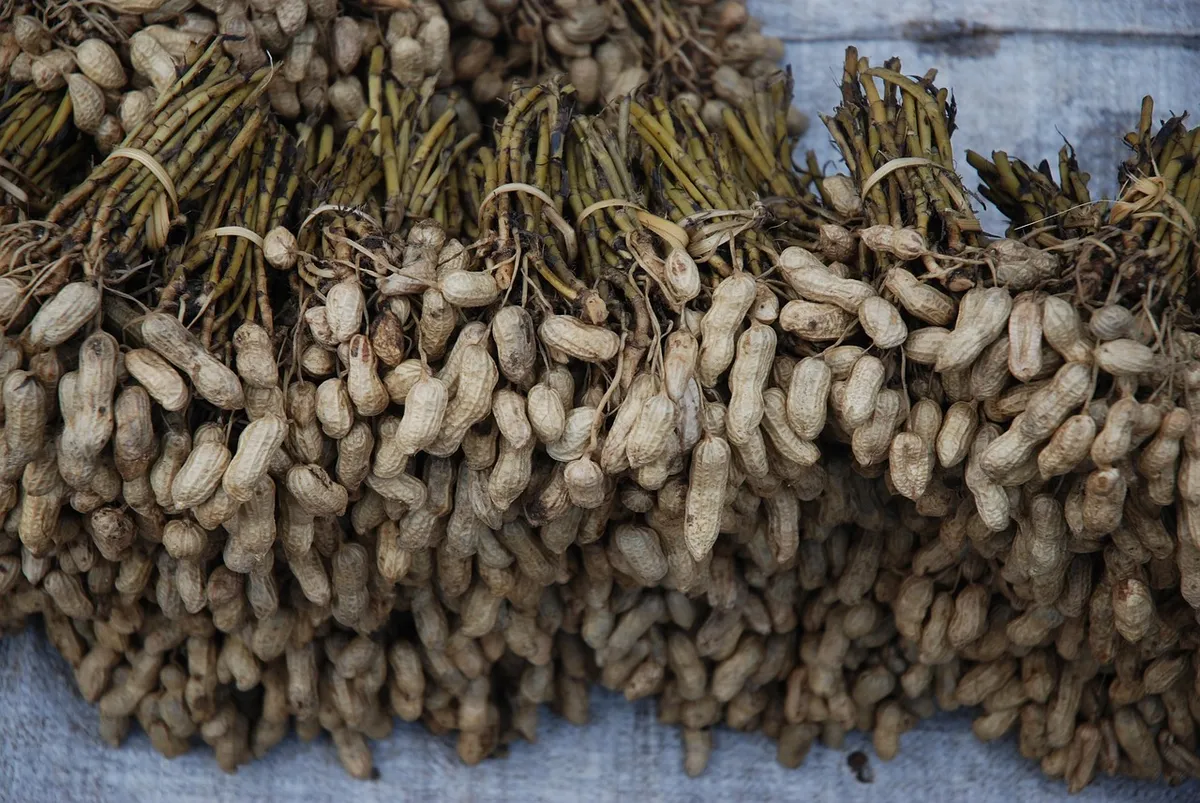
Plants are pulled by hand or lifted with a blade or digger, shaken to remove soil and left to dry in the field. The pods are then stripped from the plants and dried further. TNAU advises drying pods in the sun for four to five days, then again after a short gap to make sure they are fully dry. Good drying is the first defence against aflatoxin, because damp pods stored in heaps can grow mould quickly. In Gujarat, the kharif harvest runs from September to November, with new-crop arrivals in markets from October to December. The summer crop is harvested from April to June. Our crop calendar shows both windows.
How Do Groundnuts Go from Farm to Shelling and Grading for Export?
After drying, farmers sell their pods at regulated markets such as Rajkot and Gondal, or to buyers and farmer groups. From there, the groundnuts growing season’s crop moves to shelling and grading units:
- Shelling: pods are decorticated to release the kernels. A good lot yields about 68–72% kernels by weight.
- Grading: kernels are sized into counts per ounce and separated into Bold, Java and TJ.
- Sorting: damaged, discoloured and broken kernels are removed by hand or by an optical sorter.
- Testing: export lots are sampled at APEDA-registered units and tested for aflatoxin at an APEDA-approved lab.
- Further processing: some kernels are blanched, split, roasted or diced. Whole pods are sold as in-shell peanuts.
Elysium Agri Corporation, based in Jamnagar, Gujarat, buys groundnuts close to the farm through farmer groups and regulated markets in Saurashtra, and moves each lot to APEDA-registered units for shelling, grading and storage. We export Bold, Java and TJ peanuts and processed forms, with every lot tested for aflatoxin before loading. For trade volumes and buyers, see our overview of groundnut export from India. To match a grade to your product, see peanut grades by use.
Tell us the type, count, quantity and destination port, and we will send a quote with the specification sheet. Request a groundnut quote →
Frequently asked questions
How do peanuts grow underground?
Peanuts flower above ground. After a flower is pollinated, a stalk called a peg grows down and pushes the young ovary a few centimetres into the soil. There, in the dark, the tip swells into a pod and the kernels fill over several weeks. This is why the whole plant is dug up at harvest.
How long does a groundnut crop take to mature?
A groundnut crop usually takes about 90 to 130 days from sowing to harvest. Short-duration Spanish types can mature in about 90 to 110 days, while Virginia types with large kernels take longer. The exact time depends on the variety, the season, rainfall or irrigation, and temperature during growth.
What soil and climate suit groundnut cultivation?
Groundnuts prefer warm weather, moderate well-spread rainfall and full sunshine, with no frost or waterlogging. The best soils are light, loose and well-drained, such as sandy loams, so that pegs can enter easily and pods can be lifted cleanly. Calcium in the pegging zone, often supplied as gypsum, helps fill the pods.
What is the peg in a peanut plant?
The peg, also called a gynophore, is a stalk that grows from the base of a pollinated groundnut flower. It bends down and pushes the developing ovary into the soil. Only pegs that reach the soil form pods. The peg also keeps the pod attached to the plant until harvest.
When are groundnuts harvested in India?
India's main kharif groundnut crop is sown in June and July with the monsoon and harvested from September to November. New-crop arrivals reach markets from October to December. A smaller summer crop, sown in January and February under irrigation, is harvested from April to June, mainly in Gujarat.
Related reads


