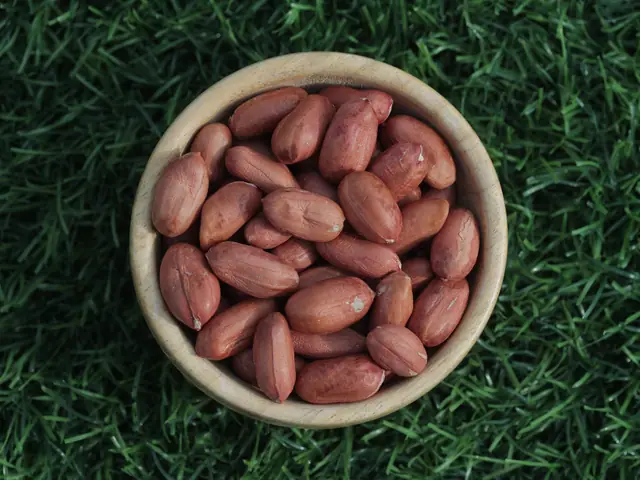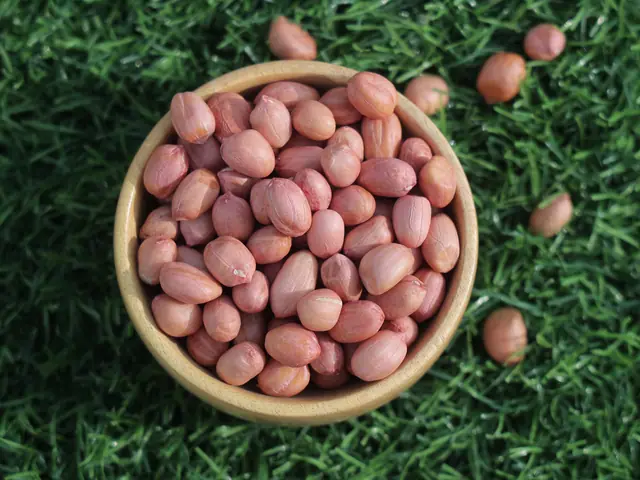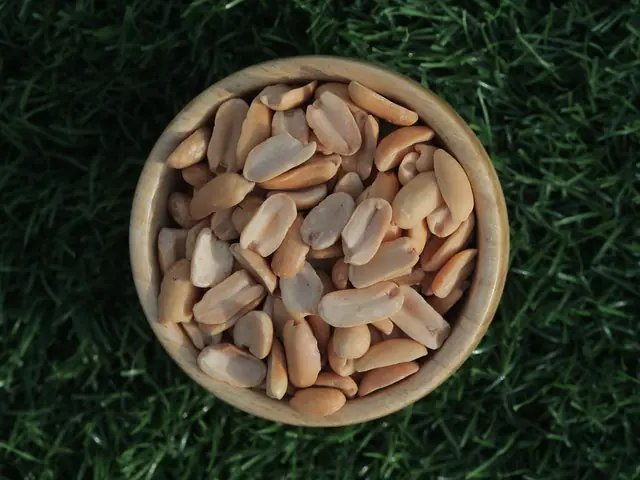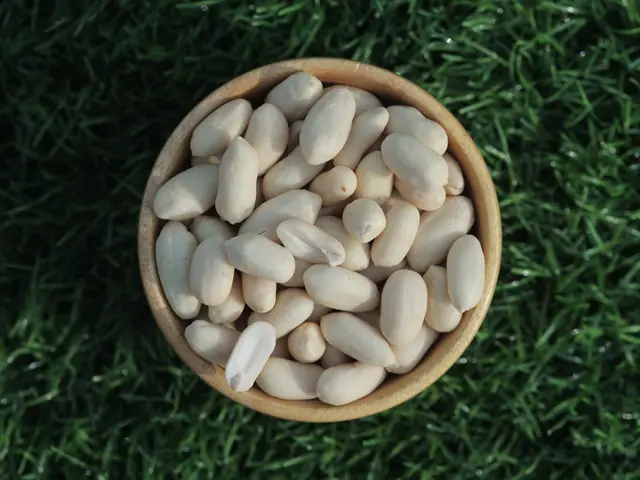
In-Shell Peanuts (Groundnut in Shell)
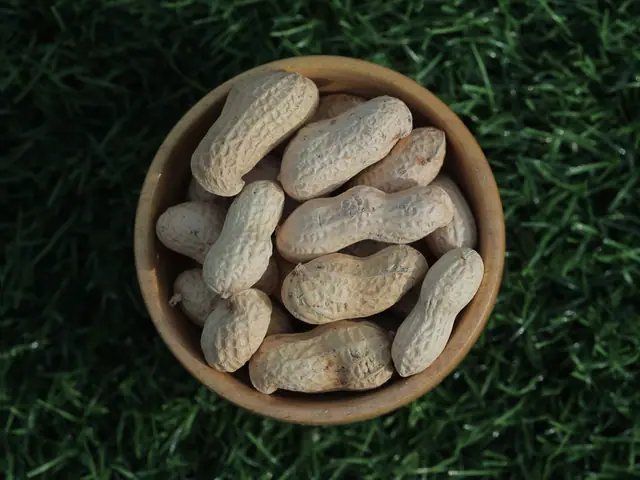
In-shell peanuts, also called groundnut in shell or groundnut pods, are whole peanuts still in their natural shell. Elysium Agri exports raw in-shell peanuts from Gujarat, cleaned, graded by pod size and checked for empty and damaged pods, for roasting, boiling, snack and bird-feed buyers.
We supply bold (Virginia-type, mostly two-kernel pods) and Java-type pods, natural or washed and polished for a brighter shell. Every lot is tested for aflatoxin under APEDA's export procedure before shipment.
In-Shell Peanuts Specification
Moisture
9% max (Codex 10% max in-pod)
Empty Pods
3% max
Damaged / Cracked Pods
5% max
Discoloured Pods
2% max
Foreign Matter
0.5% max
Aflatoxin
Tested per lot to EU or your market's limit
Packing
25 kg jute, PP or mesh bags
Container Load
Volume-limited: 20 ft ≈ 8–10 MT
Groundnut in Shell: Full Specification
The standard export specification for our raw in-shell peanuts, set against the Codex limits for peanuts in-pod.
| General | Specification | Note |
|---|---|---|
| Product | Peanuts in shell (groundnut pods), raw, not roasted | Codex name: "peanuts in-pod" |
| Botanical name | Arachis hypogaea L. | — |
| Types | Bold (Virginia-type, e.g. G20 / GG-20) and Java-type pods | — |
| Origin | Gujarat (Saurashtra), India | — |
| Crop / season | Kharif crop, new crop from October | — |
| Finish | Natural (unwashed) or washed and polished | — |
| Physical | Specification | Test method / note |
|---|---|---|
| Kernels per pod | Mostly 2 (bold); 2–3 (Java) | Visual |
| Empty pods | 3% max | Codex max 3% |
| Discoloured pods | 2% max | Codex max 2% |
| Foreign matter (loose kernels, stones, stems) | 0.5% max | Codex max 0.5% |
| Filth | 0.1% max | Codex max 0.1% |
| Shell colour | Natural light tan; brighter when washed | Visual |
| Live insects | Nil | Container fumigated |
| Food safety | Specification | Test method / note |
|---|---|---|
| Aflatoxin | Tested per lot to EU or destination limit; for peanuts to be sorted, EU B1 ≤ 8 / total ≤ 15 µg/kg | APEDA-approved lab; Certificate of Analysis |
| Pesticide residuesOn request | Within EU / Codex MRLs | On request |
| Commercial | Specification | Note |
|---|---|---|
| HS code | 1202 41 10 (in shell, HPS) / 1202 41 90 (in shell, other) | International heading 1202.41 |
| Packing | 25 kg jute · 25 kg PP · 25 kg mesh (leno) bags · jumbo bags on request | Buyer's marks on request |
| Container load | Volume-limited: 20 ft ≈ 8–10 MT | See In-Shell Peanut Packing and Container Loading |
| Documents | APEDA Certificate of Export · Certificate of Analysis (aflatoxin) · Phytosanitary Certificate · Fumigation Certificate · Certificate of Origin · Health Certificate (where required) | — |
In-Shell Peanut Pod Counts Explained
In-shell peanuts are sized by the number of pods in one ounce (28.35 g). A lower count means bigger pods.
| Pod count per ounce | Pods per kg | Typical use |
|---|---|---|
| 20/24 | 705–847 | Roasting in shell, retail packs |
| 24/26 | 847–917 | Roasted and salted in shell |
| 26/28 | 917–988 | Boiling, snacks |
| 28/30 | 988–1,058 | Bird and wildlife feed, economy |
Pods per kg calculated from the count (1 kg = 35.27 oz).
Choose Your Type and Finish
Bold In-Shell
Larger Virginia-type pods, mostly two kernels. Best for roasting in shell.
Java In-Shell
Smaller pods, 2–3 round kernels. For boiling and economy packs.
Natural Finish
Cleaned and graded, shell left as harvested.
Want them shelled? See Bold Peanuts →Java Peanuts →
In-Shell Peanut Packing and Container Loading
In-shell peanuts are light for their volume, so a container fills up by volume long before it reaches its weight limit. Expect roughly half the tonnage of shelled kernels.
| Pack type | Net weight | Units per 20 ft | Net per 20 ft | Net per 40 ft HC |
|---|---|---|---|---|
| Jute bag | 25 kg | ≈ 320–400 | ≈ 8–10 MT | ≈ 16–18 MT |
| PP woven bag | 25 kg | ≈ 320–400 | ≈ 8–10 MT | ≈ 16–18 MT |
| Mesh (leno) bag | 25 kg | ≈ 320–400 | ≈ 8–10 MT | ≈ 16–18 MT |
Where In-Shell Peanuts Are Used
Roasted In Shell
Salted or plain roasted pods for snack and retail brands.
Boiled Peanuts
Raw pods for boiling and brine flavouring.
Bird and Wildlife Feed
Whole pods for bird feeders and squirrel mixes.
Festive and Retail Packs
Natural pods for seasonal and gift packs.
Shelling Units
Pods for buyers who shell and grade locally.
In-Shell Peanut Price: What Sets It
In-shell peanuts are priced per metric tonne, FOB an Indian port, and cost less per tonne than kernels. Freight per tonne is higher, though, because a container holds less.
- Pod size: bigger pods (lower count) cost more.
- Shelling outturn: a higher kernel percentage means more value per tonne.
- Finish: washed and polished pods cost more than natural.
- Crop: kharif arrivals from October set the season's price.
- Freight: lower tonnage per container raises freight per tonne; compare on landed cost.
Prices move with the crop and the market, so we quote on the day. Tell us your grade, quantity and port for a current FOB, CFR or CIF price.
Tested, Certified and Traceable
APEDA then issues the Certificate of Export through Peanut.Net, so each shipment can be traced back to its lot.
- Sourcing
- Cleaning and pod grading
- Sampling at an APEDA-registered warehouse
- Aflatoxin test at an APEDA-approved lab
- APEDA Certificate of Export
Documents with every shipment
Get a In-Shell Peanut Quote
Share your pod size, finish, quantity and destination, and we will send an FOB or CIF price with the spec sheet.
Thank you. Our peanut desk will send your price and spec sheet.
Frequently Asked Questions (FAQ)
What are in-shell peanuts?
In-shell peanuts, also called groundnut in shell or groundnut pods, are whole peanuts still inside their natural shell. They are cleaned and graded by pod size, then sold raw for roasting, boiling, snacks and bird feed. Codex calls them "peanuts in-pod".
What is the specification of in-shell peanuts for export?
Typical export in-shell peanuts have 9% max moisture, 3% max empty pods, 5% max damaged pods, 2% max discoloured pods and 0.5% max foreign matter, with a shelling outturn of about 68–72% kernels. Codex allows up to 10% moisture and 10% damaged pods for peanuts in-pod.
What does pod count mean for in-shell peanuts?
Pod count is the number of pods in one ounce (28.35 g). A 24/26 count means 24 to 26 pods per ounce, or about 850 to 920 pods per kg. A lower count means bigger pods.
What is shelling outturn?
Shelling outturn is the percentage of kernel weight you get when the pods are shelled. Indian groundnut varieties typically give about 70–72%. A higher outturn means more kernel value per tonne of pods.
How many tonnes of in-shell peanuts fit in a container?
In-shell peanuts fill a container by volume, not weight.
What is the HS code for peanuts in shell?
Raw peanuts in shell fall under HS heading 1202.41. India uses 1202 41 10 for in-shell HPS and 1202 41 90 for other in-shell groundnuts. Roasted in-shell peanuts come under 2008.11.
Are in-shell peanuts tested for aflatoxin?
Yes. Under APEDA's export procedure, every lot of peanuts exported from India, including in-shell, must come from an APEDA-registered unit and be tested at an APEDA-approved lab before APEDA issues the Certificate of Export. We test each lot to your market's limit.
How long do peanuts in shell last?
The shell protects the kernel from light and damage, but high humidity raises the risk of mould.
Who exports in-shell peanuts from India?
Elysium Agri Corporation, based in Jamnagar in Gujarat's groundnut belt, exports raw in-shell peanuts graded by pod size, natural or washed, with lot-wise aflatoxin testing and APEDA certification.