
On this page
- Groundnut vs Peanut: What Is the Short Answer?
- Are Groundnuts and Peanuts the Same Plant?
- Why Are There So Many Names for One Crop?
- Which Terms Are Used by Region and Trade?
- Is a Peanut a Nut or a Legume?
- Which Term Should Buyers Use in Trade Documents?
- How Do You Source Groundnuts and Peanuts from India?
- Frequently asked questions
In the groundnut vs peanut question, there is no difference: groundnut and peanut are two names for the same plant, Arachis hypogaea, and the same seed. “Peanut” is common in the USA and in retail, while “groundnut” is used in India, much of Africa and in many trade and official statistics. This article explains why one crop has so many names, whether a peanut is really a nut, and which term to use in trade documents.
Key takeaways
- Groundnut and peanut are the same species, Arachis hypogaea. No botanical difference exists between them.
- The name “groundnut” comes from the way the pods form underground.
- Botanically, a peanut is a legume, not a true nut, but it is treated as a separate major allergen.
- Both terms are accepted in trade. What matters most is the product description, HS code and grade on your documents.
Groundnut vs Peanut: What Is the Short Answer?
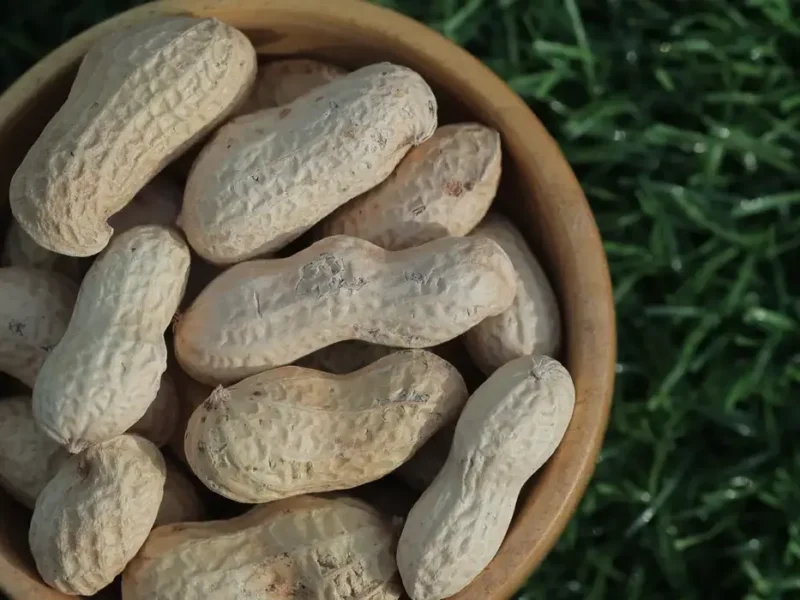
Groundnut and peanut mean exactly the same thing. Both words refer to the plant Arachis hypogaea and to its edible seeds, whether in the shell or shelled as kernels. A bag of Indian “groundnut kernels” and a bag of “raw shelled peanuts” can hold identical goods.
The choice of word depends on where you are and who you are speaking to. Indian farmers, mandis, exporters and government bodies usually say groundnut. American consumers and most food brands say peanut. International trade uses both, often side by side. For example, India’s export data counts “groundnuts”, while the international food standard is the Codex Standard for Peanuts (CXS 200-1995). Our own peanut range uses both names for this reason.
Are Groundnuts and Peanuts the Same Plant?
Yes. Groundnuts and peanuts are the same plant species, Arachis hypogaea. There is no botanical, chemical or nutritional difference that depends on the name.
There are differences between varieties, but these apply under either name. Virginia-type plants produce large kernels, while Spanish-type plants produce small, round kernels. In India these become the trade grades Bold, Java and TJ, which differ in kernel size, skin colour, taste and oil content. Our guide to the types of peanuts grown in India explains each grade.
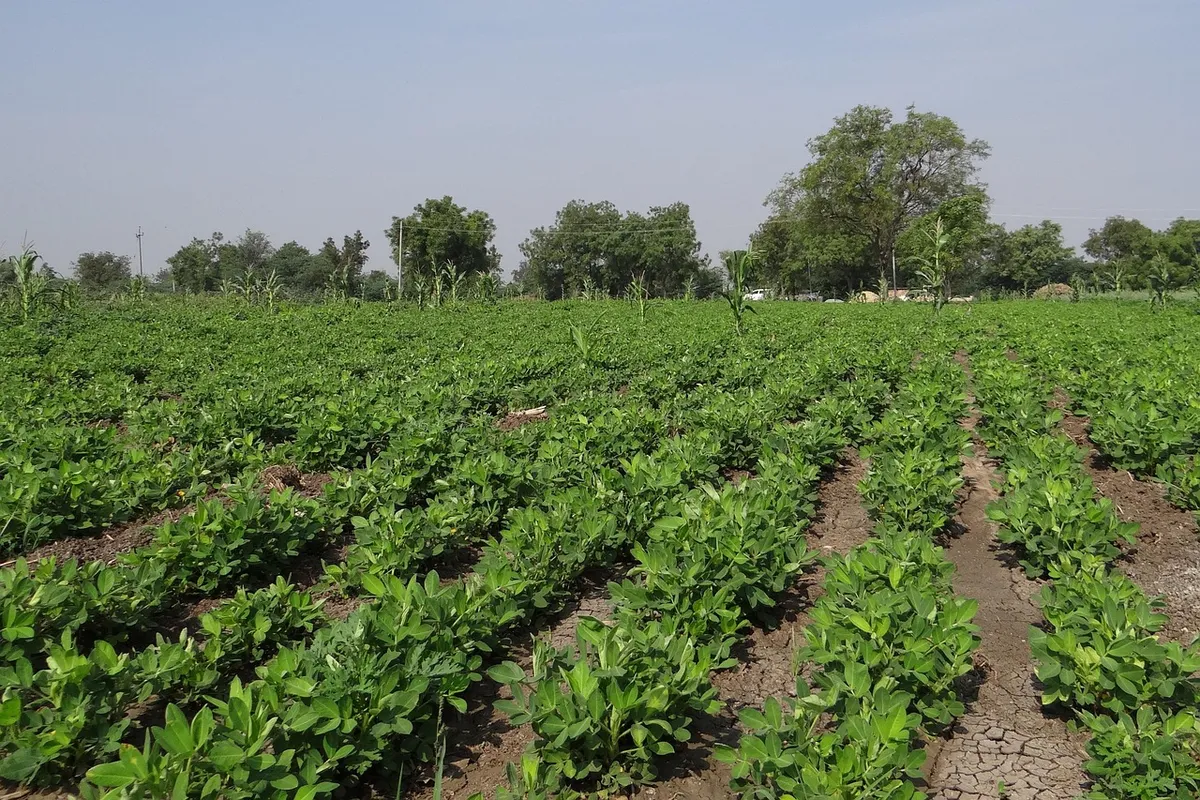
The plant itself is a low, leafy annual. It flowers above ground, but after pollination a stalk called a peg grows down and pushes the developing pod into the soil. The pods mature underground, which is why the crop is dug up rather than picked. This habit gives the plant its species name: hypogaea means “under the earth”.
Why Are There So Many Names for One Crop?
One crop has many names because it spread across the world and was named in each place by what people noticed first. The name “groundnut” describes where the pods grow. The name “peanut” combines “pea”, because the plant is related to peas and beans, with “nut”, because of the way the seed is eaten.
Other names come from local languages. In the UK, in-shell peanuts are often called monkey nuts. In the southern USA, the word goober comes from an African word for the crop. In India, the Hindi name is moongphali, and Gujarati speakers use singdana or magfali. French speakers say arachide, from the botanical name, and Spanish speakers use cacahuete or maní depending on the country.
In the trade, names also change with the form of the product. Groundnut kernels, peanut kernels and shelled peanuts all mean the seeds without the shell. In-shell peanuts, groundnut pods and peanuts in shell mean the whole pods. Blanched peanuts have had the red skin removed.
The same pattern applies to products made from the crop. Groundnut oil and peanut oil are the same oil, and pharmacopoeias and cosmetic labels often call it arachis oil, after the botanical name. Groundnut cake, de-oiled groundnut meal and peanut meal all describe the protein-rich solids left after the oil is pressed or extracted, which are used in animal feed. Peanut butter is sometimes sold as groundnut paste in parts of Africa and Asia. In each case, the name tells you about local habit, not about the product inside.
Nutrition does not change with the name either. A 100 g portion of raw groundnut kernels has the same protein, fat and calories as a 100 g portion of raw peanuts, because they are the same food. Differences come from variety, processing and roasting, not from the label. A bold groundnut kernel sold in India and a large Virginia peanut sold in a US snack pack are close relatives.
Which Terms Are Used by Region and Trade?
The table shows which term is usual in each region or setting. Both are correct everywhere, but using the local term makes communication easier.
| Region or setting | Usual term | Other names |
|---|---|---|
| India (farmers, mandis, government) | Groundnut | Moongphali (Hindi), singdana (Gujarati) |
| USA and Canada | Peanut | Goober (southern USA, informal) |
| United Kingdom | Peanut | Monkey nut (in shell), groundnut |
| West and East Africa | Groundnut | Local language names |
| French-speaking markets | Arachide | Cacahuète (snack) |
| Spanish-speaking markets | Cacahuete or maní | Varies by country |
| Customs tariff (HS heading 1202) | Ground-nuts | Peanut used in many national tariffs |
| Codex food standard | Peanuts | Arachis hypogaea L. given as the species |
| Retail food labels | Peanut | Groundnut accepted in some markets |
Common names for Arachis hypogaea by region and trade setting.
Is a Peanut a Nut or a Legume?
A peanut is a legume, not a true nut. It belongs to the pea and bean family (Fabaceae), and its pod is a legume pod that happens to form underground. True nuts in the botanical sense, such as hazelnuts and chestnuts, have a hard shell that does not split open, and they grow on trees.
In cooking and in the shops, peanuts are grouped with nuts because they are eaten and used in the same way: roasted, salted, in snack mixes, in confectionery and as nut butter. For food safety, peanuts are listed as a major allergen in their own right, separate from tree nuts, in the USA, the EU and many other markets. Food makers must label them clearly, whatever name they use.
Like other legumes, the groundnut plant works with soil bacteria to fix nitrogen from the air. This is one reason farmers in India often rotate groundnut with cereals and cotton.
Which Term Should Buyers Use in Trade Documents?
Use either term, but be consistent across all documents, and add the HS code and grade so there is no doubt about the goods. Customs officers and banks check that the description on the invoice, packing list, bill of lading, phytosanitary certificate and letter of credit match. A mismatch, such as “peanut kernels” on the LC and “groundnut kernels” on the invoice, can cause a discrepancy under a letter of credit, even though the goods are the same.
A clear description includes four things:
- Product name: for example “Indian groundnut kernels (peanuts), raw, shelled”.
- Grade and count: for example “Bold 40/50 per ounce, hand-picked selection”.
- Crop year and origin: for example “new crop, Gujarat, India”.
- HS code: India uses 1202 42 for shelled, unroasted groundnuts, 1202 41 for groundnuts in shell and 2008 11 for roasted or prepared peanuts. Check your own tariff line with our HS code finder.
If you buy for the EU, the APEDA Certificate of Export and health certificate are issued for “groundnuts” through India’s Peanut.Net system, so your contract and LC should allow that term. Our certificates page lists the documents that travel with a peanut shipment.
Related reading: Peanut Nutrition Facts per 100g: Protein, Fat and Calories.
How Do You Source Groundnuts and Peanuts from India?
Whatever you call them, groundnuts or peanuts from India are bought by grade, count and aflatoxin limit. Gujarat grows the largest share of India’s crop, mostly in Saurashtra, and India exported 6.64 lakh tonnes of groundnuts worth US$ 691 million in 2025-26, according to APEDA. Our guide on how to import peanuts from India covers the full process, so the groundnut vs peanut naming question need not slow your order.
Elysium Agri Corporation, based in Jamnagar, Gujarat, exports Bold, Java and TJ groundnut kernels, blanched, roasted and diced peanuts, and in-shell peanuts. Every lot is processed at APEDA-registered units and tested for aflatoxin at an APEDA-approved lab before loading. We write your preferred term, grade and HS code consistently across every document.
Tell us the type, count, quantity and destination port, and we will send a quote with the specification sheet. Request a groundnut quote →
Frequently asked questions
Are groundnut and peanut the same thing?
Yes. Groundnut and peanut are two names for the same plant, Arachis hypogaea, and its edible seeds. The word groundnut is common in India, Africa and trade statistics, while peanut is common in the USA and on retail packs. The product, its nutrition and its grades are the same under either name.
Why is a peanut called a groundnut in India?
In India the crop is called groundnut because its pods develop under the ground. After the flower is pollinated, a stalk called a peg grows down into the soil, and the pod forms there. Indian farmers, traders, mandis and government bodies have long used the English word groundnut for this reason.
Is a peanut a nut or a legume?
Botanically, a peanut is a legume. It belongs to the pea and bean family, Fabaceae, and its pod is a legume pod that forms underground. In cooking and retail it is grouped with nuts, but it is labelled as a separate major allergen from tree nuts in the USA, the EU and many other markets.
Is there any botanical difference between groundnut and peanut?
No. There is no botanical difference, because both names refer to the same species, Arachis hypogaea. The real differences are between varieties. Virginia types have large kernels, while Spanish types have small, round kernels. In India these varieties are traded as the Bold, Java and TJ grades.
Which regions use the word groundnut instead of peanut?
Groundnut is the usual term in India, Pakistan, Bangladesh, Sri Lanka and much of West and East Africa. It also appears in customs tariffs, where HS heading 1202 refers to ground-nuts. The USA, Canada and most retail packaging use peanut, and the UK uses peanut, with monkey nut for in-shell nuts.
Related reads


