
On this page
India’s export trade sorts every peanut variety into three main kernel grades: Bold, Java and TJ. Bold kernels are large and long from Virginia-type plants, Java kernels are small and round from Spanish-type plants, and TJ is a red-skinned Java-type grade that sits between the two. Each grade suits different products, from roasted snacks to peanut butter. This guide explains each type, compares them side by side and shows which one fits your use.
Key takeaways
- Bold peanuts are large Virginia-type kernels, sold in counts from 35/40 to 70/80 per ounce.
- Java peanuts are small, round Spanish-type kernels with light pink skin, sold from 50/60 to 80/90 per ounce and finer on request.
- TJ peanuts are Java-type kernels with redder skin, often sold as TJ-37 at a sharper price.
- Most Indian export peanuts come from Saurashtra in Gujarat, with new-crop arrivals from October to December.
What Are the Main Types of Peanuts Grown in India?
The main types of peanuts grown in India are Virginia-type (large-seeded) and Spanish-type (small-seeded) groundnuts. In the export trade, these become three kernel grades: Bold, Java and TJ. All three belong to the same species, Arachis hypogaea, but differ in plant habit, kernel size, shape, skin colour and taste.
Worldwide, peanuts are grouped into four market types. According to the American Peanut Council, Runner peanuts make up about 85% of US production and are used mainly for peanut butter. Virginia types have the largest kernels and are used for in-shell and salted nuts. Spanish types have small kernels and are used for candy and oil. Valencia types are sweet and usually carry three or more kernels per pod. India grows mainly Virginia and Spanish types, so Indian Bold is broadly comparable to Virginia, and Java and TJ to Spanish.
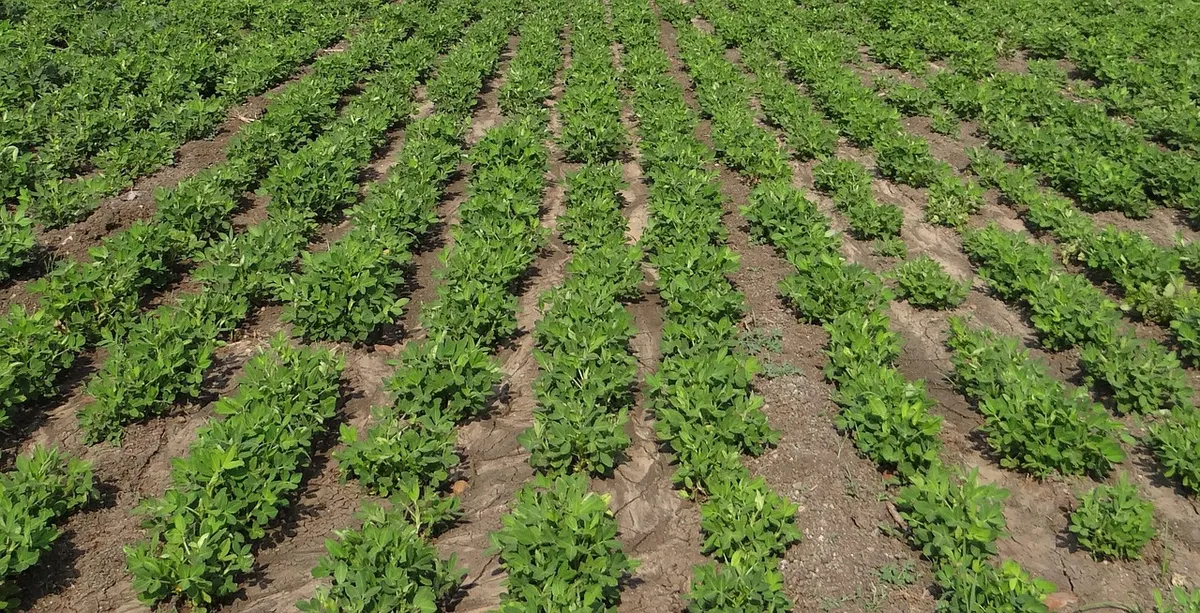
Gujarat grows the largest share of India’s groundnut crop, mostly in Saurashtra around Rajkot, Jamnagar, Junagadh and Amreli. India exported 6.64 lakh tonnes of groundnuts worth US$ 691 million in 2025-26, mainly to Indonesia, Vietnam, Malaysia, China and the Philippines, according to APEDA.
What Are Bold Peanuts?
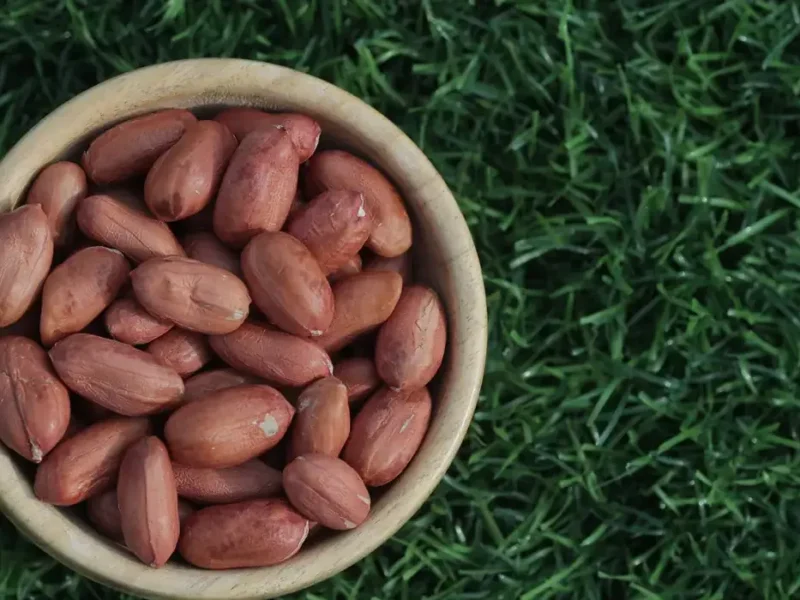
Bold peanuts are large, long, oval kernels with a light red to dark red skin. They come from large-seeded Virginia-type varieties grown mainly in Saurashtra, such as GG-20 and the hand-picked-selection varieties GJG HPS-1 and GG HPS-2.
Bold kernels have a firm bite and look good whole, so they are the first choice for roasted and salted snacks, whole-nut mixes, in-shell use and confectionery where size matters. They are traded in counts of 35/40, 38/42, 40/50 and 50/60 per ounce, with 60/70 and 70/80 on request. A lower count means fewer, larger kernels per ounce. Typical export specifications are 7% maximum moisture, 1% maximum admixture, 0.5% maximum foreign matter and 1–2% maximum damaged kernels. Oil content is about 44–48%, depending on variety and crop. See our bold peanuts page for the full specification.
What Are Java Peanuts?
Java peanuts are small, round kernels with a light pink skin, from Spanish-type bunch varieties. They have a thinner skin than Bold and a naturally sweeter taste after roasting.
Java is the preferred kernel for peanut butter, coated and candied peanuts, confectionery and small salted snacks. It is traded in counts of 50/60, 60/70, 70/80 and 80/90 per ounce as standard, and in finer counts up to 140/160 on request. Its oil content is about 45–50%, with Spanish types averaging about 49%. India also grows a summer crop of Spanish-type groundnut in Gujarat, which arrives from April to June, so Java is available twice a year. See our Java peanuts page for details.
What Are TJ Peanuts?
TJ peanuts are an Indian trade grade of Java-type kernels with a red skin, often sold as TJ-37. They are small to medium, round to slightly oval kernels grown in Gujarat.
TJ sits between Bold and Java. It has the rounder shape of Java, but a redder, slightly thicker skin and a less sweet taste. Buyers choose TJ for peanut butter, oil, namkeen and coated snacks when they want Java-type kernels at a sharper price. It is also used for blanching, because the skin is removed and its colour no longer matters. TJ is traded in counts of 50/60 to 80/90 per ounce, with 90/100 on request, and shares the same moisture, admixture and aflatoxin specifications as the other grades. See our TJ peanuts page.
How Do Bold, Java and TJ Peanuts Compare?
The table compares the three Indian peanut grades on the points buyers ask about most.
| Feature | Bold | Java | TJ |
|---|---|---|---|
| Plant type | Virginia (large-seeded) | Spanish bunch (small-seeded) | Java-type (Spanish bunch) |
| Kernel shape | Large, long, oval | Small, round | Small to medium, round to slightly oval |
| Skin colour | Light red to dark red | Light pink | Red |
| Taste | Firm bite, mild | Sweeter after roasting | Less sweet than Java |
| Common counts (per ounce) | 35/40 to 50/60 | 50/60 to 80/90 | 50/60 to 80/90 |
| Oil content | About 44–48% | About 45–50% | Similar to Java |
| Best uses | Roasted and salted snacks, in-shell, whole-nut mixes | Peanut butter, coated peanuts, confectionery | Peanut butter, oil, namkeen, blanching |
| New crop | Kharif, Oct–Dec | Kharif, Oct–Dec; summer, Apr–Jun | Kharif, Oct–Dec |
Typical characteristics of Indian peanut grades. Values vary by variety and crop.
All three grades share the same food-safety checks. Every export lot from India must come from an APEDA-registered unit, be sampled at a registered warehouse and be tested for aflatoxin at an APEDA-approved lab. For the EU, the limit for direct consumption is 2 µg/kg for aflatoxin B1 and 4 µg/kg for total aflatoxins. Our lab testing page explains the process.
Two more terms appear on most peanut offers. The first is the count. A count such as 40/50 means there are between 40 and 50 kernels in one ounce (28.35 g). The lower the numbers, the bigger the kernel and, usually, the higher the price. The second is the cleaning method. Hand-picked selection (HPS) kernels are sorted by hand on belts to remove damaged, discoloured and broken nuts. Sortex kernels pass through an optical colour sorter as well, which removes more defects and allows nil admixture. Sortex grades cost more, but they suit retail packs and premium snacks where every kernel is seen.
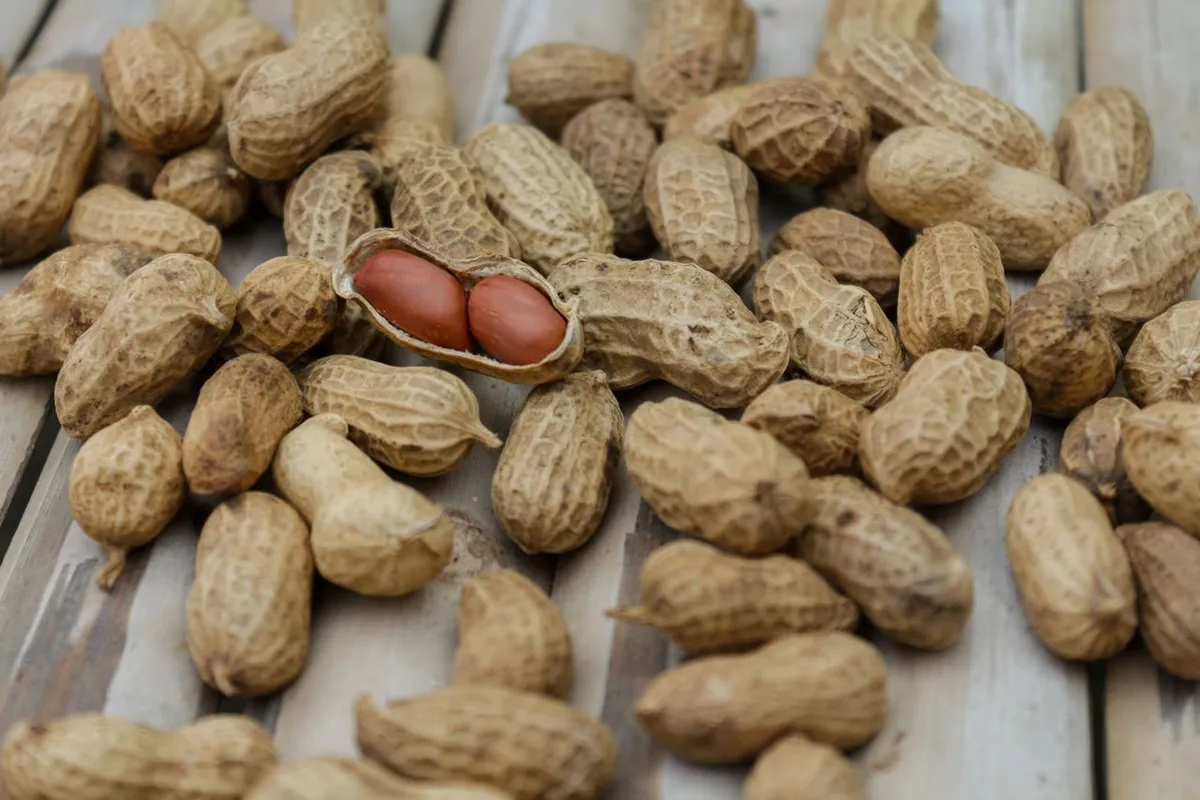
Each type can also be processed further. Bold, Java and TJ kernels can be blanched to remove the skin, split into halves, roasted, or diced for bakery. In-shell peanuts are sold as graded pods, mostly from Bold types, because large pods look best in the shell.
Which Peanut Type Suits Which Use?
Match the peanut type to how the kernel will be seen and processed. Where the whole nut is visible, size and shape matter most. Where the nut is ground or coated, taste, oil and price matter more.
- Roasted and salted snacks: Bold, in counts of 38/42 to 50/60, for a large, even kernel.
- Coated and candied peanuts: Java, because the round shape coats evenly.
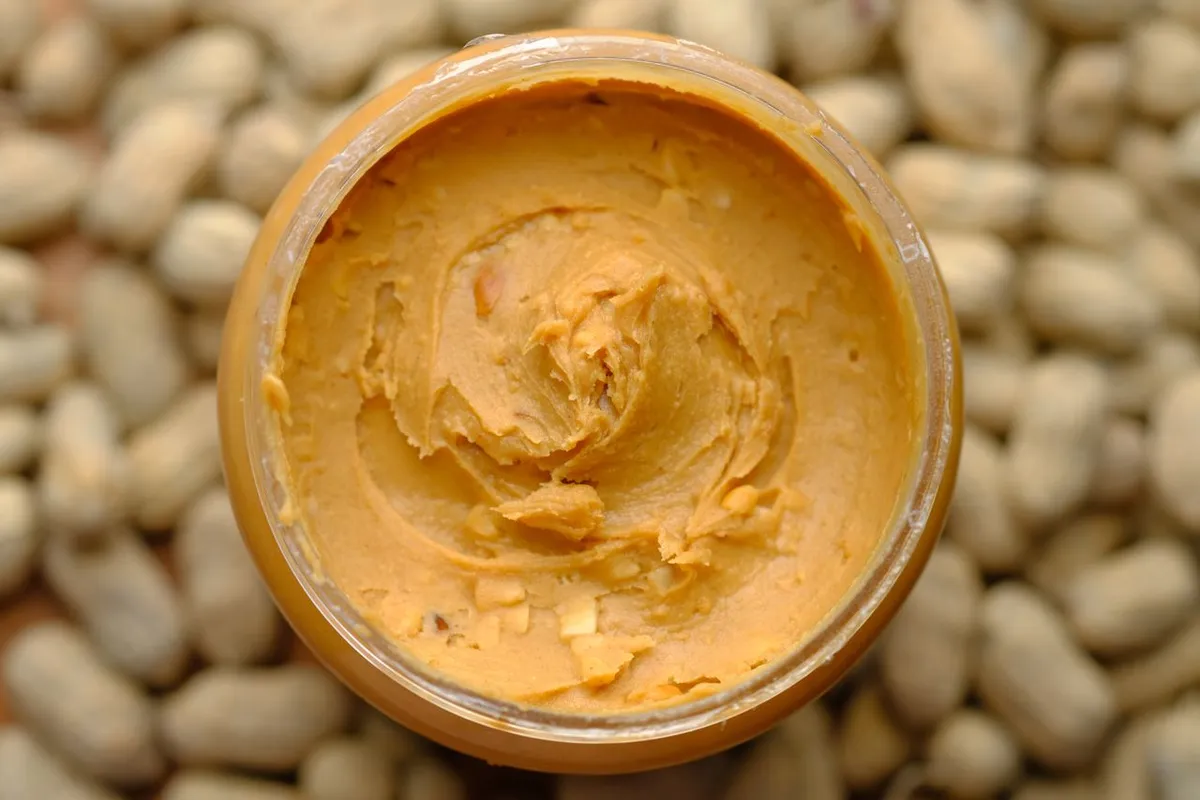
- Peanut butter: Java for a sweeter taste, or TJ where price matters. Kernels are usually blanched first.
- Confectionery and bakery: Java or small Bold counts, often blanched or diced.
- Namkeen and Indian snacks: TJ or Java.
- Oil crushing: lower grades of any type. Spanish types have a slightly higher oil content.
Count is as important as type. A snack maker that needs uniform roasting should buy a narrow count range, while a peanut butter maker can accept a wider range at a lower price. Ask for samples of two counts if you are unsure, and test them on your own line.
Related reading: Groundnut vs Peanut: Is There Any Difference? and Peanut Nutrition Facts per 100g: Protein, Fat and Calories.
How Do You Source Peanut Varieties from India?
Source from an exporter in Saurashtra that offers every peanut variety and count, tests each lot for aflatoxin and ships through Mundra or Pipavav. Buy soon after the kharif harvest, from October to December, for the widest choice of lots; our crop calendar shows both crop windows. For the full import process, see our guide on how to import peanuts from India.
Elysium Agri Corporation, based in Jamnagar, Gujarat, exports Bold, Java and TJ peanuts in counts from 35/40 to 80/90 per ounce, plus blanched, roasted, diced and in-shell peanuts. Every lot is processed at APEDA-registered units and tested at an APEDA-approved lab before loading. We pack in jute, PP or paper bags, or vacuum packs, and a 20 ft container holds about 19 MT of kernels.
Tell us the type, count, quantity and destination port, and we will send a quote with the specification sheet. Request a peanut quote →
Frequently asked questions
What are the main types of peanuts grown in India?
India grows mainly Virginia-type (large-seeded) and Spanish-type (small-seeded) groundnuts. In the export trade they are sold as three kernel grades: Bold, Java and TJ. Most export peanuts come from Saurashtra in Gujarat, with the main kharif crop arriving from October to December and a summer crop from April to June.
What is the difference between bold and java peanuts?
Bold peanuts are large, long, oval kernels with red skin, from Virginia-type plants, and suit roasted and salted snacks. Java peanuts are small, round kernels with light pink skin, from Spanish-type plants. Java is sweeter after roasting and is preferred for peanut butter, coated peanuts and confectionery.
What are TJ peanuts used for?
TJ peanuts are red-skinned Java-type kernels, often sold as TJ-37. Buyers use them for peanut butter, oil, namkeen, coated snacks and blanching when they want Java-type kernels at a lower price. Because blanching removes the skin, the red colour does not affect blanched products or peanut butter.
Which peanut variety is best for oil extraction?
Spanish-type peanuts such as Java and TJ have a slightly higher oil content, about 45–50%, than Virginia-type Bold peanuts at about 44–48%. In practice, oil millers usually buy lower grades and mixed lots of any type, because kernel size and appearance do not matter once the nuts are crushed.
What is the difference between Spanish and Virginia peanuts?
Virginia peanuts have the largest kernels and are used mainly for in-shell, roasted and salted nuts. Spanish peanuts have small, round kernels with reddish skin and a higher oil content, and are used for candy, peanut butter and oil. In India, Bold is Virginia-type, while Java and TJ are Spanish-type.
Related reads


