
On this page
- What Are the Main Uses of Peanuts?
- How Are Peanut Grades Sorted?
- Which Peanut Grades Are Best for Snacks?
- Which Peanut Grades Are Best for Confectionery and Bakery?
- Which Peanut Grades Are Best for Oil Crushing?
- Which Peanut Grades Are Best for Peanut Butter?
- Which Peanut Grade Suits Which Use?
- How Do You Buy the Right Peanut Grade in Bulk?
- Frequently asked questions
The main peanuts uses are snacks, confectionery and bakery, peanut butter and oil crushing, and each one calls for a different grade. Large Bold kernels suit roasted and salted snacks, round Java kernels suit coated nuts and peanut butter, and lower grades go to oil mills. Choosing the right type, count and form can save money without any loss of quality. This guide explains how peanuts are graded and which grade fits each use.
Key takeaways
- Peanuts are graded by type (Bold, Java, TJ), count per ounce, cleaning method and form.
- Snacks need even, larger kernels; peanut butter and confectionery can use smaller or split kernels.
- Split blanched peanuts with the hearts removed cost less than whole kernels and suit peanut butter.
- Oil mills use lower grades, where kernel size and appearance do not matter.
What Are the Main Uses of Peanuts?
Peanuts are used in five main ways in the food and oil industries:
- Snacks: roasted, salted, coated and in-shell peanuts, and Indian namkeen mixes.
- Confectionery and bakery: chocolate bars, brittle and chikki, cookies, cakes, ice cream toppings and cereal bars.
- Peanut butter and spreads: smooth and crunchy butter, sauces and pastes.
- Oil: groundnut oil for cooking, with the remaining cake used in animal feed.
- Other uses: peanut flour, bird feed and in-shell boiling peanuts.
Peanuts are popular in all of these because they are high in protein and fat, have a strong roasted flavour and are cheaper than most tree nuts. Our peanut nutrition facts article sets out the protein, fat and vitamin content per 100 g.
How Are Peanut Grades Sorted?
Peanut grades are sorted by four things: type, count, cleaning method and form.
- Type: Bold kernels are large and long, from Virginia-type plants. Java kernels are small and round, from Spanish-type plants. TJ is a red-skinned Java-type grade. Our guide to the types of peanuts grown in India explains each one.
- Count: the number of kernels per ounce (28.35 g). A count of 40/50 means 40 to 50 kernels per ounce. Lower numbers mean bigger kernels.
- Cleaning: hand-picked selection (HPS) removes damaged and discoloured kernels by hand. Sortex grades also pass through an optical colour sorter for fewer defects.
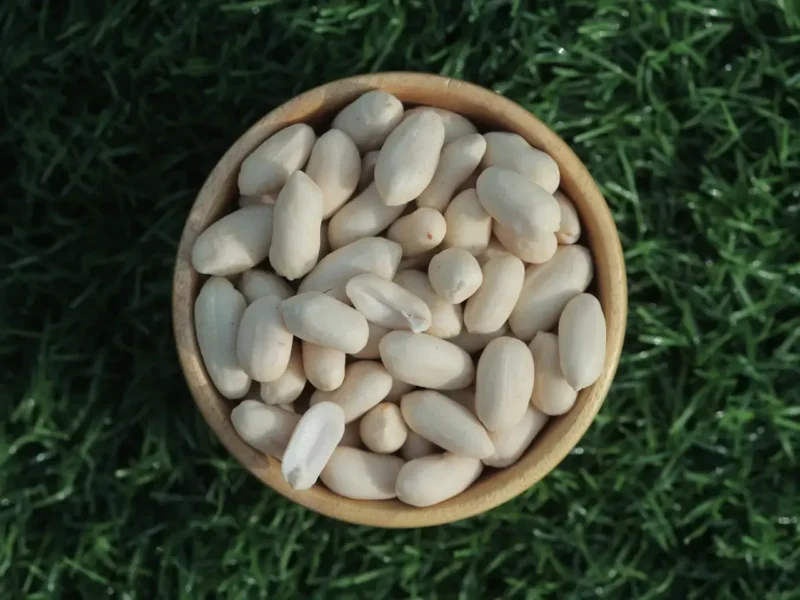
- Form: raw with skin, blanched (skin removed), split, diced, roasted or in-shell.
Every Indian export lot is also tested for aflatoxin at an APEDA-approved lab. For the EU, the limit for peanuts eaten directly is 2 µg/kg for aflatoxin B1 and 4 µg/kg total. For peanuts that will be sorted or processed further before use, the limit is 8 µg/kg and 15 µg/kg. Your end use therefore also decides which limit applies.
Which Peanut Grades Are Best for Snacks?
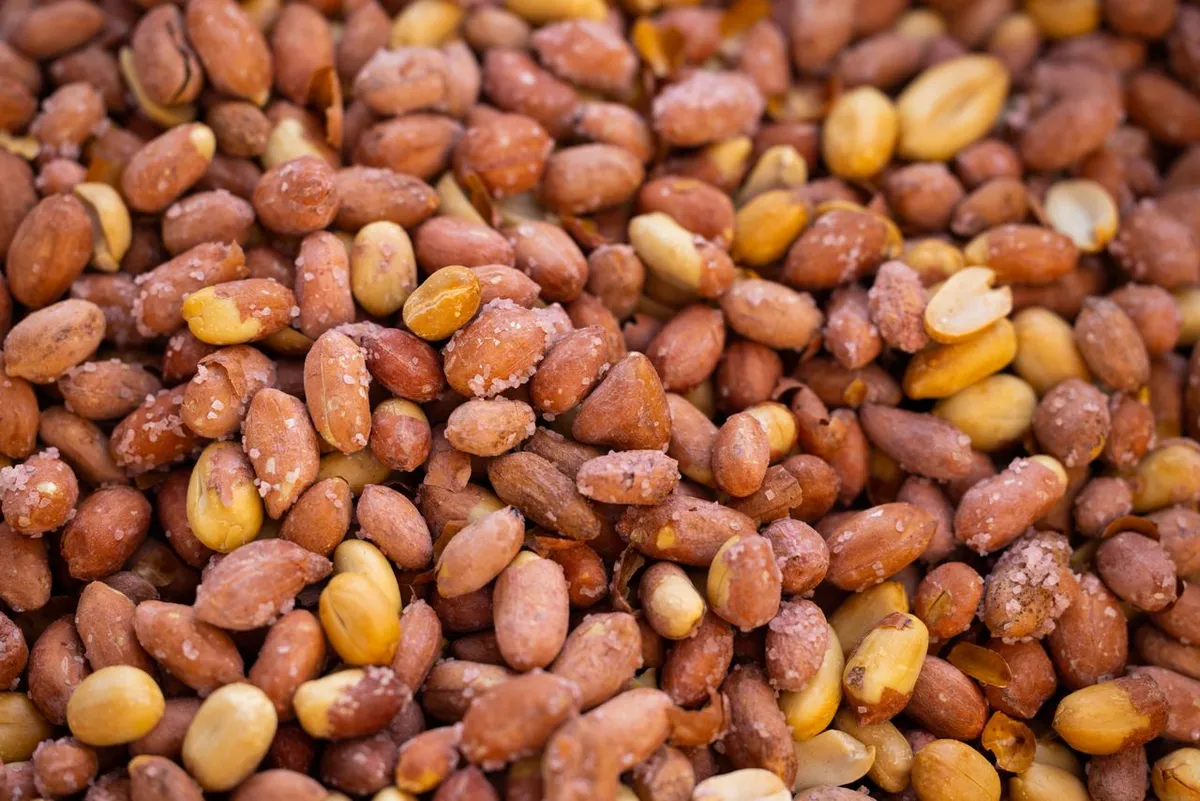
For roasted and salted snacks, the best grade is usually Bold peanuts in counts of 38/42 to 50/60. Large, even kernels look good in the pack and roast evenly, so fewer kernels burn or stay pale. A narrow count range is more important than the exact size.
Other snacks need other grades. Coated and candied peanuts need round kernels that take an even coating, so Java in counts of 50/60 to 80/90 works best. Namkeen mixes often use TJ or small Java kernels for a lower price. In-shell snacks need whole pods graded by size, mostly Bold, Virginia-type pods with two kernels each, at about 20/24 to 28/30 pods per ounce. Snack makers that do not have their own roasting line can buy dry-roasted peanuts, with or without skin, salted or unsalted. These are packed in nitrogen-flushed bags to stay fresh.
Which Peanut Grades Are Best for Confectionery and Bakery?
For confectionery and bakery, blanched Java kernels and diced peanuts are the most common choices. Removing the red skin gives a clean, creamy-white kernel and a milder taste, which suits chocolate and baked goods.
- Whole blanched peanuts: counts of 38/42 to 80/90 for chocolate-coated nuts, brittle and premium bars. Dry blanching keeps the kernel raw, and colour sorting removes damaged kernels.
- Diced peanuts: blanched kernels cut to even sizes from 1–2 mm to 4–6 mm, raw or roasted. They are used on ice cream, cakes and cookies, and in chocolate, bars, chikki and sauces.
- Java with skin: for traditional brittle and chikki, where the skin adds colour and flavour.
For diced peanuts, ask for the size range in millimetres and a limit on fines, the dust and small fragments that form during cutting. A typical limit is 5% or less. Ask too whether the hearts have been removed, as they can taste bitter.
Which Peanut Grades Are Best for Oil Crushing?
For oil crushing, the best value comes from lower grades, because kernel size, shape and appearance do not matter once the nuts are pressed. Oil mills buy smaller counts, mixed lots and sound kernels that do not meet the visual standard for snacks.
Oil content matters more than type. Indian Bold kernels contain about 44–48% oil, and Java kernels about 45–50%, so Spanish-type peanuts give slightly more oil per tonne. Moisture and free fatty acid levels also matter, because damp or old nuts produce oil of lower quality. Mills should still test for aflatoxin, as it can affect the cake left after pressing, which is sold as animal feed. Most groundnut oil in India is crushed locally, close to the growing areas.
Which Peanut Grades Are Best for Peanut Butter?
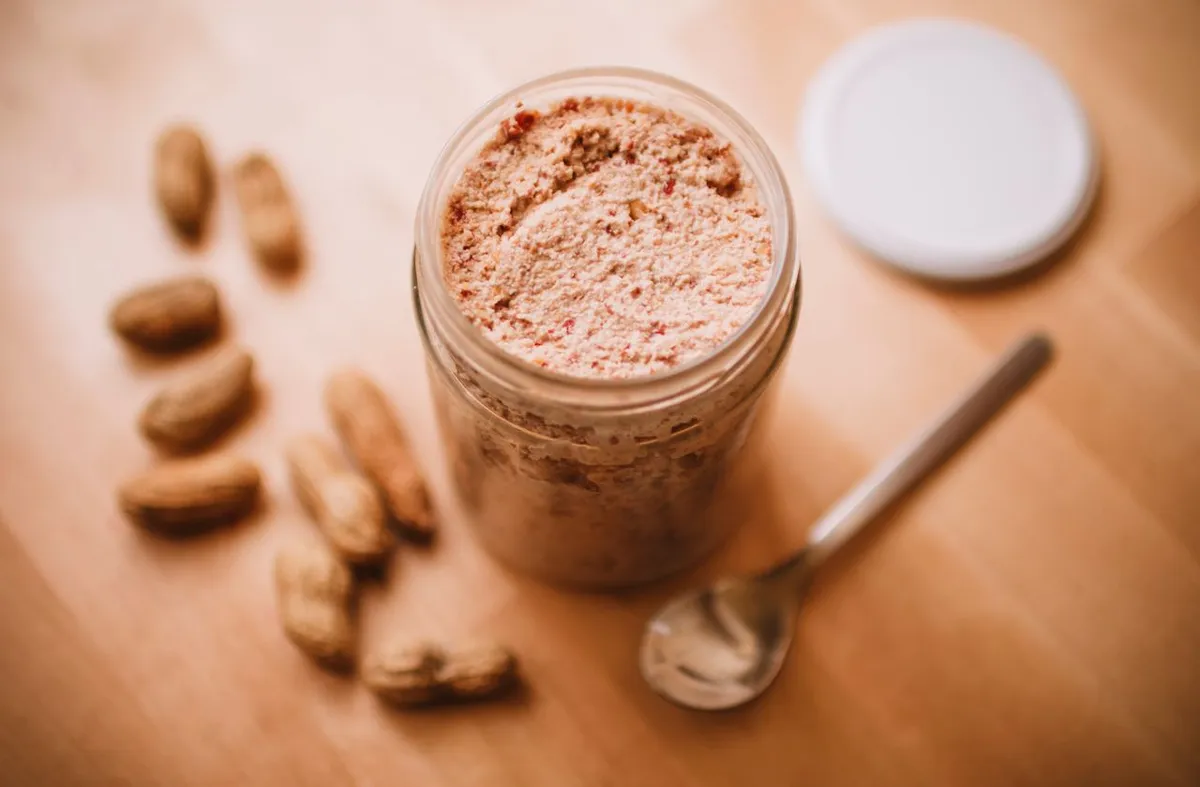
For peanut butter, the most cost-effective grade is usually split blanched peanuts made from Java or Bold kernels, with the hearts removed. Splits cost less than whole blanched kernels because their appearance does not matter once they are ground. Removing the heart, or germ, avoids the slightly bitter note it can give the butter.
Java is often preferred for its naturally sweeter taste after roasting. TJ is a good choice when price is the priority. Either way, ask for low red-skin content, typically 3% maximum, because skin fragments show up as dark specks in smooth butter. Some brands prefer to buy finished bulk peanut butter rather than kernels, which saves on roasting and milling equipment.
Which Peanut Grade Suits Which Use?
The matrix below summarises the usual match between use and grade. Your own recipe and line may lead to a different choice, so test samples before you contract.
| Use | Best type | Typical count or size | Form |
|---|---|---|---|
| Roasted and salted snacks | Bold | 38/42 to 50/60 | Raw with skin, or roasted |
| Coated and candied peanuts | Java | 50/60 to 80/90 | Raw or blanched |
| Namkeen mixes | TJ or Java | 60/70 to 80/90 | Raw with skin |
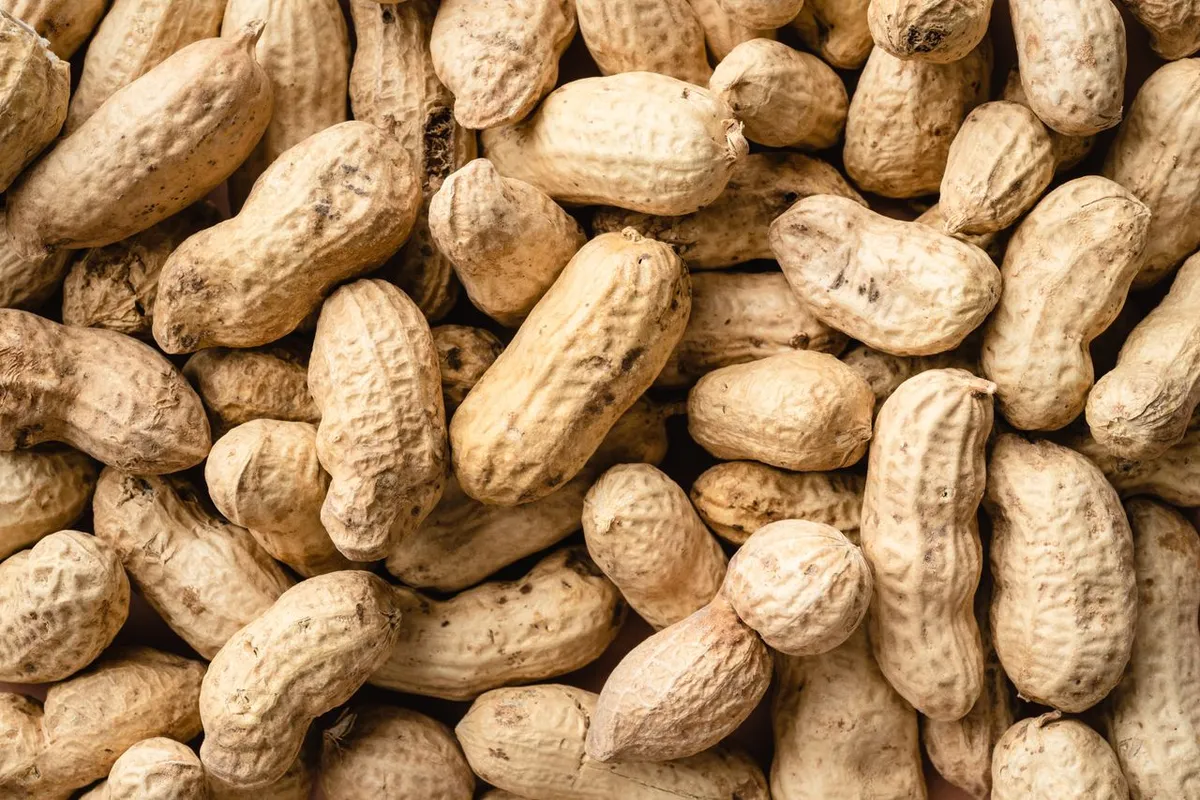
| In-shell snacks and boiling | Bold pods | About 20/24 to 28/30 pods per ounce | In-shell |
| Chocolate and premium bars | Java or small Bold | 38/42 to 80/90 | Whole blanched |
| Toppings and inclusions | Java or Bold | 1–2 mm to 4–6 mm | Diced, raw or roasted |
| Peanut butter | Java or TJ | Any count | Split blanched, hearts removed |
| Oil crushing | Any, lower grades | Mixed counts | Raw kernels or pods |
Peanut grade and use matrix for bulk buyers.
Related reading: How Groundnuts Grow: From Sowing and Pegging to Harvest.
How Do You Buy the Right Peanut Grade in Bulk?
Start from your use, then specify the type, count, cleaning method, form and aflatoxin limit in the contract. Ask for samples of two neighbouring counts if you are unsure, and test them on your own line. Timing matters too. India’s main kharif crop arrives from October to December, and a smaller summer crop of Spanish-type peanuts arrives from April to June. New-crop kernels give the best flavour and shelf life, so many buyers book their main contracts soon after harvest. Store raw kernels cool and dry, because warm, damp storage raises the risk of mould and rancidity. Blanched, split and diced peanuts have lost their protective skin, so they keep less well than raw kernels with skin and are best bought closer to use. If you use several grades, a single container can carry more than one, which keeps stock fresh without raising freight costs. Elysium Agri Corporation, based in Jamnagar, Gujarat, exports Bold, Java and TJ peanuts in counts from 35/40 to 80/90, as well as blanched, split, diced, roasted and in-shell peanuts. We also supply bulk peanut butter in drums and pails.
Every lot is processed at APEDA-registered units and tested for aflatoxin before loading, and processed forms are also tested for microbiology. Whatever your peanuts uses, from snacks to spreads, we can match the grade to your product and pack it in jute, PP or paper bags, or vacuum packs.
Tell us your use, grade, quantity and destination port, and we will send a quote with the specification sheet. Request a peanut quote →
Frequently asked questions
Which peanut grade is best for making peanut butter?
Split blanched peanuts with the hearts removed are usually the best value for peanut butter. They cost less than whole kernels because appearance does not matter once ground. Java kernels give a sweeter taste, and TJ suits price-focused products. Ask for low red-skin content, typically 3% maximum, to avoid dark specks.
What peanut size is used for roasted and salted snacks?
Roasted and salted snacks usually use Bold peanuts in counts of 38/42 to 50/60 kernels per ounce. Large, even kernels look good in the pack and roast evenly. A narrow count range matters more than the exact size, because mixed sizes roast unevenly and leave some kernels burnt or pale.
Are bold peanuts or java peanuts better for oil extraction?
Java peanuts have slightly more oil, about 45–50%, than Bold peanuts at about 44–48%, so they give a little more oil per tonne. In practice, oil mills buy lower grades and mixed lots of either type, because kernel size and appearance do not matter once the nuts are crushed.
Which peanuts are used in confectionery and chocolate?
Confectionery and chocolate makers mainly use whole blanched Java or small Bold kernels, in counts of about 38/42 to 80/90, for a clean colour and mild taste. Diced peanuts from 1–2 mm to 4–6 mm are used for toppings and inclusions. Traditional brittle and chikki often use Java peanuts with the skin on.
What is the difference between blanched and split peanuts?
Blanched peanuts are whole kernels with the red skin removed by mild heat and rubbing, so they stay raw. Split blanched peanuts are blanched kernels separated into their two halves, usually with the heart removed. Whole blanched kernels suit visible uses like chocolate, while splits are cheaper and suit peanut butter and baking.
Related reads


