
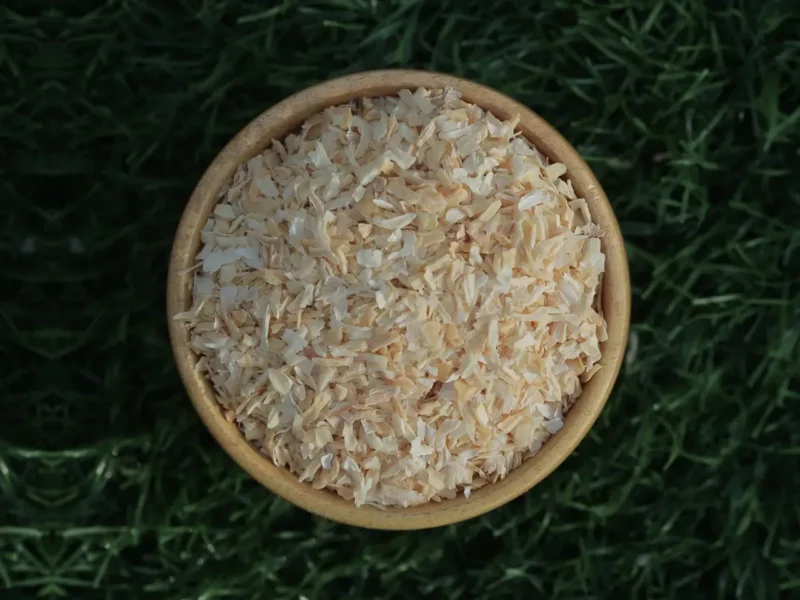
On this page
- Why Do Manufacturers Use Dehydrated Onion and Garlic?
- Which Forms of Dehydrated Onion Are Used in Food Manufacturing?
- How Is Onion Powder Used in Seasoning and Spice Blends?
- How Is It Used in Snack Coatings and Dry Mixes?
- How Is It Used in Soups, Sauces and Ready Meals?
- Which Onion and Garlic Forms Suit Which Application?
- How Should Dehydrated Onion Be Handled and Stored?
- How Can You Source Dehydrated Onion from India?
- Frequently asked questions
The main onion powder uses in food manufacturing are seasoning and spice blends, snack coatings, dry soup and sauce mixes, ready meals and processed meats. Garlic powder is used in the same products, often alongside onion, to add a savoury, rounded flavour. Manufacturers choose dehydrated onion and garlic because they are consistent, easy to dose, shelf stable and free of the water that fresh vegetables bring. This guide explains which form suits which application and how to handle it.
Key takeaways
- Dehydrated onion comes as flakes, chopped, minced, granules and powder. The particle size decides the use.
- Powder dissolves into flavour; granules disperse evenly in blends; flakes and chopped pieces stay visible.
- Dehydrated onion is hygroscopic. Keep moisture at 6% or below and store it sealed, cool and dry to avoid caking.
- India is the world’s largest exporter of dehydrated onion, and most of it is made around Mahuva in Gujarat.
Why Do Manufacturers Use Dehydrated Onion and Garlic?
Manufacturers use dehydrated onion and garlic because they deliver the same flavour in every batch, without the water, peeling, waste and short life of fresh produce.
Fresh onion is close to 90% water, according to USDA FoodData Central. Drying removes most of it, so several kilograms of fresh onion become one kilogram of dried product. That saves freight, storage and handling. It also means a dry blend stays dry: you cannot add fresh onion to a seasoning powder or a snack coating, but you can add onion powder.
Other benefits are practical:
- Consistency: each lot is milled and sieved to a set size and tested, so the flavour and dose do not change between batches.
- Shelf life: our onion granules keep for 18 to 24 months in cool, dry storage, against days or weeks for fresh onion.
- Food safety: lots are tested for microbes and pesticide residues, and low-micro or steam-sterilised grades are available for ready-to-eat products.
- Labour: no peeling, chopping or waste on the factory floor.
Which Forms of Dehydrated Onion Are Used in Food Manufacturing?
Dehydrated onion is sold in five main forms, from large flakes to fine powder. The same is true of garlic. Each form is defined by its size in millimetres or by its US mesh range.
- Flakes (kibbled): large pieces, typically 8–25 mm, used where pieces should be seen.
- Chopped: 3–5 mm or 5–8 mm pieces for soups, sauces and toppings.
- Minced: 1–3 mm pieces for rubs, dressings and meat products.
- Granules: 0.2–1 mm, between minced and powder. They flow freely and disperse evenly.
- Powder: finer than 0.18 mm (80–100 mesh). It blends invisibly and releases flavour fast.
Always specify the form with a size or mesh range. “Granules” from one supplier may be coarser than “granules” from another. Our white onion granules come in 0.2–0.5 mm and 0.5–1 mm grades, and minced onion in 1–3 mm.
Garlic follows the same pattern of flakes, chopped, granules and powder. In India, onion is dried mainly in Gujarat, while most garlic comes from Madhya Pradesh. China supplies most of the world’s dehydrated garlic, so garlic prices move with both Chinese supply and Indian fresh-garlic prices. Many buyers order onion and garlic together in one container to simplify their supply chain, and the two products share the same HS heading for dried vegetables in many tariffs. Check the exact code for your market with our HS code finder.
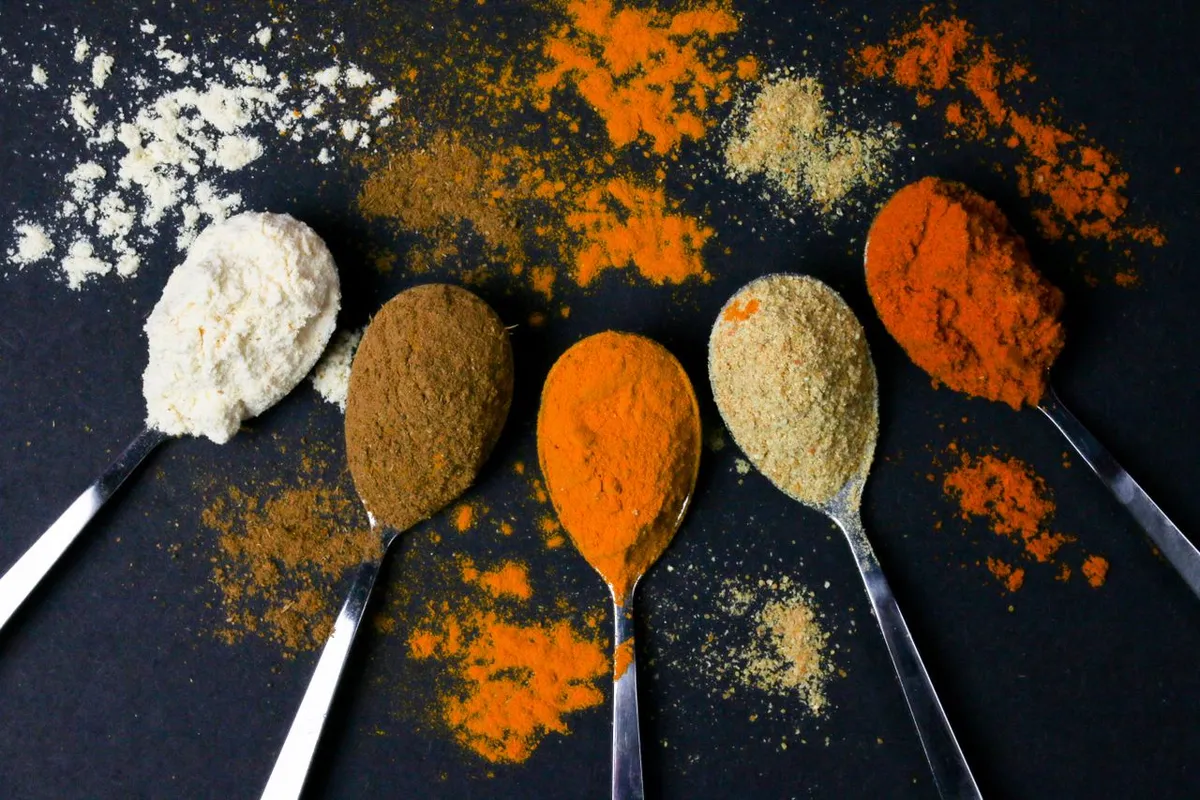
How Is Onion Powder Used in Seasoning and Spice Blends?
Seasoning and spice blends are the largest use of onion and garlic powder. Onion adds a sweet, savoury base, and garlic adds sharpness and depth.
Typical blends include barbecue rubs, taco and fajita mixes, chicken and fish seasonings, curry powders, ranch and herb blends and all-purpose savoury seasonings. Blenders usually prefer granules for retail shakers and coarse rubs, because they flow well and do not cake as quickly as powder. Powder is used where the blend must dissolve fully, as in sauce bases and marinades.
Particle size matters for even mixing. If onion granules are much larger or smaller than the salt, sugar and spices in the blend, they can separate during transport. Matching the mesh of each ingredient keeps the blend uniform from the top of the bag to the bottom.
How Is It Used in Snack Coatings and Dry Mixes?
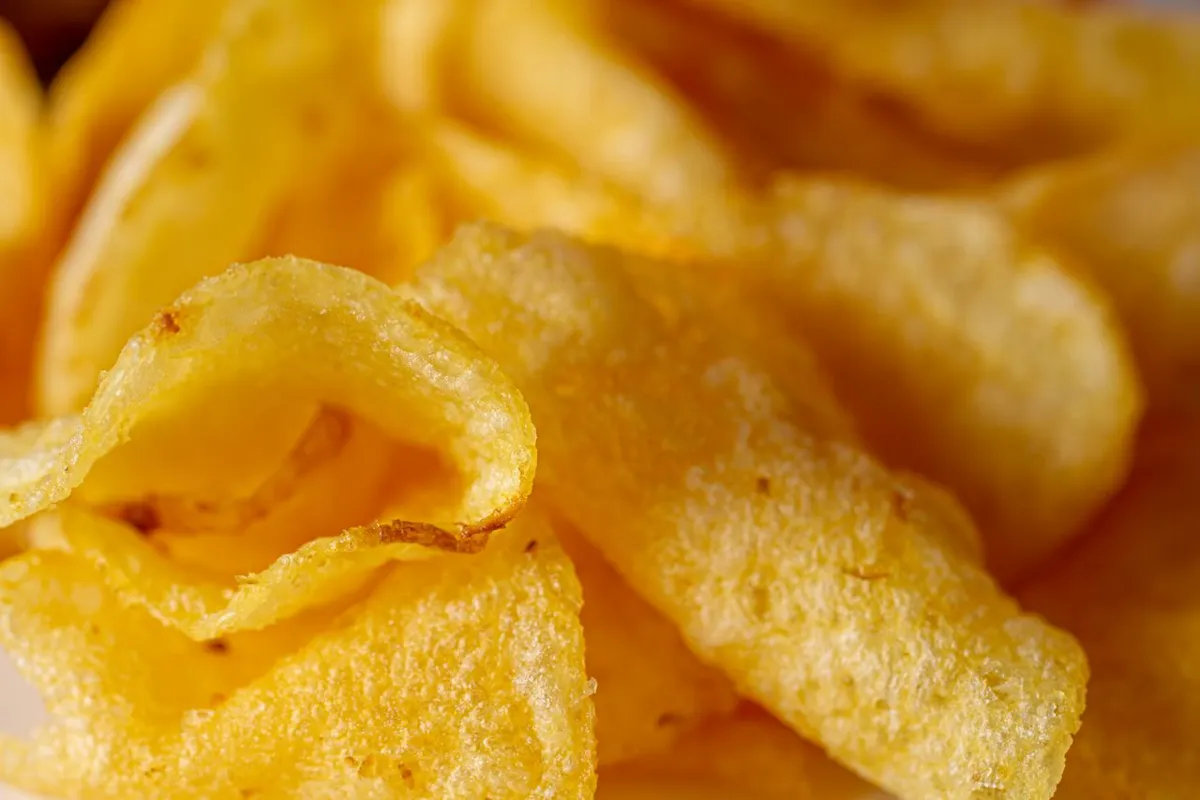
Snack makers use onion and garlic powder in the seasoning applied to chips, extruded snacks, coated nuts, crackers and popcorn. The classic sour cream and onion flavour depends on onion powder.
Garlic powder is popular with snack makers because it gives a strong savoury flavour at a low dose and works with cheese, herb, chilli and barbecue profiles. For coatings, fine granules (0.2–0.5 mm) and powder are preferred, because they stick to the oiled surface of the snack and do not fall off in the bag.
Dry mixes are a second big outlet. Instant noodle sachets, batter and breading mixes, dip and dressing powders and meal kits all use onion and garlic powder. Here low moisture and free flow are critical, because the mix may sit on a shelf for many months.
How Is It Used in Soups, Sauces and Ready Meals?
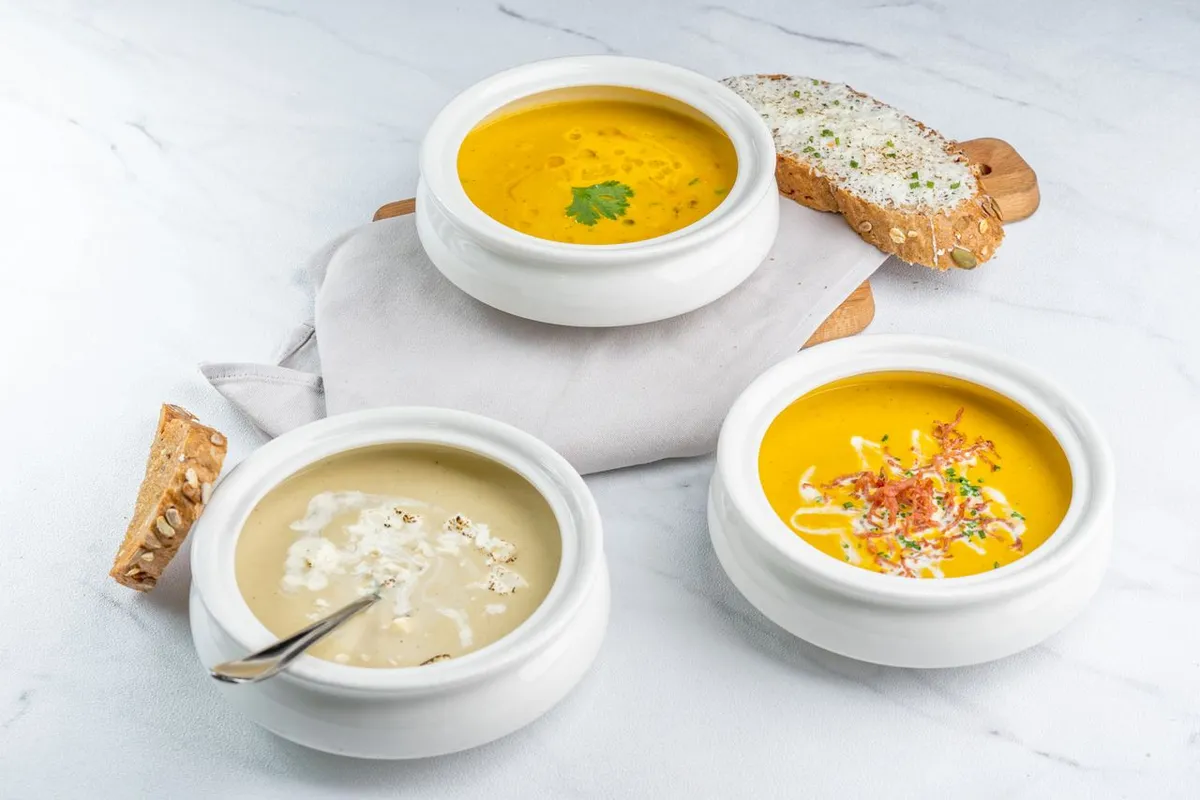
In soups, sauces and ready meals, dehydrated onion replaces fresh onion either as a flavour (powder) or as visible pieces that rehydrate in cooking (chopped and flakes).
Dry soup mixes and sauce bases use powder for flavour and small chopped pieces for appearance. Wet sauces, gravies and canned or chilled ready meals often use chopped onion, which softens and swells when cooked. Processed meat makers use minced onion and garlic powder in sausages, burgers, patties and meatballs. Frozen food makers use chopped onion in pizzas, pies and vegetable mixes.
For products that are not cooked again after mixing, such as dips, dressings and some sauces, ask for a low-micro grade with a tighter total plate count.
Which Onion and Garlic Forms Suit Which Application?
| Application | Best onion form | Best garlic form | Why |
|---|---|---|---|
| Seasoning blends and shakers | Granules 0.5–1 mm | Granules | Free flow, even mixing, less caking |
| Snack coatings | Fine granules 0.2–0.5 mm or powder | Powder | Sticks to the snack surface |
| Dry soup and sauce mixes | Powder plus small chopped | Powder | Fast flavour release; visible pieces |
| Wet sauces and ready meals | Chopped 3–5 mm | Chopped or granules | Rehydrates like fresh onion |
| Processed meats | Minced 1–3 mm or powder | Powder | Even flavour through the mince |
| Rubs and marinades | Minced or granules | Granules | Texture and good adhesion |
| Toppings and garnish | Flakes or toasted chopped | Flakes or chopped | Visible, crunchy pieces |
Common onion powder uses and other dehydrated forms by application.
How Should Dehydrated Onion Be Handled and Stored?
Dehydrated onion and garlic are hygroscopic: they draw moisture from the air. Damp product cakes into lumps, loses flow and can lose flavour, so moisture control is the most important handling rule.
- Start dry: buy to a moisture limit. Our onion granules are 6% max (5% typical), and our onion powder is below 5%.
- Pack well: we use 20–25 kg poly-lined cartons, with foil liners on request for humid routes.
- Store sealed: keep cartons closed, in a cool, dry, ventilated store away from strong odours. Reseal part-used cartons.
- Anti-caking agents: some buyers ask for a free-flow agent such as silicon dioxide. We add one only on request, and it must be declared on the label.
Powder cakes more easily than granules because of its larger surface area. If clumping is a problem in your plant, moving from powder to fine granules is often the simplest fix. Our packaging page shows the pack options.
Related reading: How to Prepare Garlic Powder: The Commercial Process Explained and Minced Onion vs Onion Flakes: Dehydrated Onion Forms Explained.
How Can You Source Dehydrated Onion from India?
India is the world’s largest exporter of dehydrated onion, and most of its dehydration units are around Mahuva in Bhavnagar district, Gujarat. Gujarat alone shipped about 83,000 tonnes of dehydrated white onion in 2023-24.
Elysium Agri Corporation exports dehydrated onion and garlic in every form, milled from Mahuva white onion. Our range includes white onion powder, granules, minced, chopped and flakes, and garlic powder and granules. Every lot is sieved to the stated range, passed through magnets and a metal detector, and tested for moisture, ash, microbiology and pesticide residues; see our lab testing page. Whatever your onion powder uses, we can match the mesh to your recipe and supply private label packs.
Send us your form, mesh range, quantity and destination port for a price and specification sheet. Request a dehydrated onion quote →
Frequently asked questions
How is dehydrated onion used in seasoning blends?
Dehydrated onion gives seasoning blends a sweet, savoury base. Blenders usually use granules of 0.5 to 1 mm for shakers and rubs because they flow freely and mix evenly, and powder where the blend must dissolve, such as sauce bases. Matching the particle size to the other ingredients stops the blend from separating.
Why do snack makers use garlic powder?
Garlic powder gives a strong savoury flavour at a low dose and pairs well with cheese, herb, chilli and barbecue profiles. Its fine particles stick to the oiled surface of chips, nuts and crackers, so the seasoning stays on the snack. It is also dry and shelf stable, which suits long-life packaged snacks.
What is the best onion form for seasoning mixes?
Onion granules are usually the best form for seasoning mixes. Coarse granules of 0.5 to 1 mm flow freely, disperse evenly and cake less than powder. Fine granules of 0.2 to 0.5 mm or powder suit snack coatings and mixes that must dissolve. Always specify the size in millimetres or mesh.
How does dehydrated onion compare with fresh onion?
Fresh onion is close to 90% water, so dehydrated onion is far lighter and cheaper to ship and store. It keeps for 18 to 24 months when stored cool and dry, gives the same flavour in every batch and needs no peeling or chopping. Fresh onion gives more texture in some dishes.
How do manufacturers keep dehydrated onion from clumping?
They buy product with low moisture, typically 6% or below, keep it in sealed lined cartons and store it cool and dry. They reseal part-used packs and may switch from powder to fine granules, which cake less. Some add a declared anti-caking agent such as silicon dioxide where the recipe allows.
Related reads


