
On this page
- How Is Garlic Powder Made, and How Do You Prepare It?
- How Is Raw Garlic Selected and Graded?
- How Are the Cloves Peeled, Washed and Sliced?
- What Dehydration Methods Are Used for Garlic?
- How Are Grinding, Sieving and Mesh Sizes Controlled?
- What Are the Stages of the Garlic Powder Process?
- How Are Moisture, Microbiology and Foreign Matter Controlled?
- How Can You Source Dehydrated Garlic Powder from India?
- Frequently asked questions
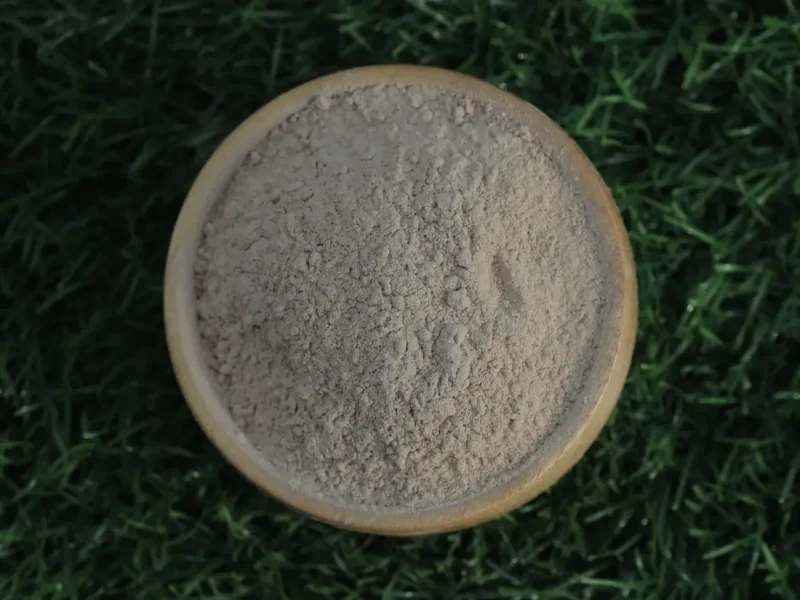
To prepare garlic powder, fresh garlic cloves are separated, peeled, washed, sliced thin and dried with warm air to about 4–6% moisture. The dry flakes are then milled, sieved to a set mesh size, checked and packed. Commercial garlic powder is made in large belt dryers, but the basic steps are the same as at home. This guide explains each stage of the garlic powder process, the quality checks, and what buyers should specify.
Key takeaways
- Raw garlic is about 59% water, while garlic powder is dried to 5% moisture or less.
- Gentle drying temperatures protect the enzyme that creates garlic’s pungent flavour.
- Flakes, chopped, granules and powder come from the same dried garlic, cut or milled to different sizes.
- Key quality tests are moisture, volatile sulphur compounds, microbiology and foreign matter.
How Is Garlic Powder Made, and How Do You Prepare It?
Garlic powder is made in seven main steps: selecting and grading the bulbs, splitting and peeling the cloves, washing, slicing, drying, milling and sieving, and finally testing and packing. The aim at every stage is to remove water while keeping as much of the garlic’s flavour, colour and aroma as possible.
Water removal is the heart of the process. According to USDA FoodData Central, raw garlic contains about 58.6 g of water per 100 g, while commercial garlic powder contains about 6.5 g. Export powder is usually dried further, to 5% moisture or less, so that it stays free-flowing and stable during shipment.
If you want to know how to prepare garlic powder at home, the steps are the same on a small scale: peel and slice the cloves thinly, dry them in a food dehydrator or a low oven until they snap cleanly, then grind and sieve them. Home powder rarely reaches the low moisture, even particle size and tested microbiology that food manufacturers need, which is why industry buys from specialist dehydration plants. In India, many of these plants are in Gujarat, around Mahuva and the wider dehydration belt.
How Is Raw Garlic Selected and Graded?
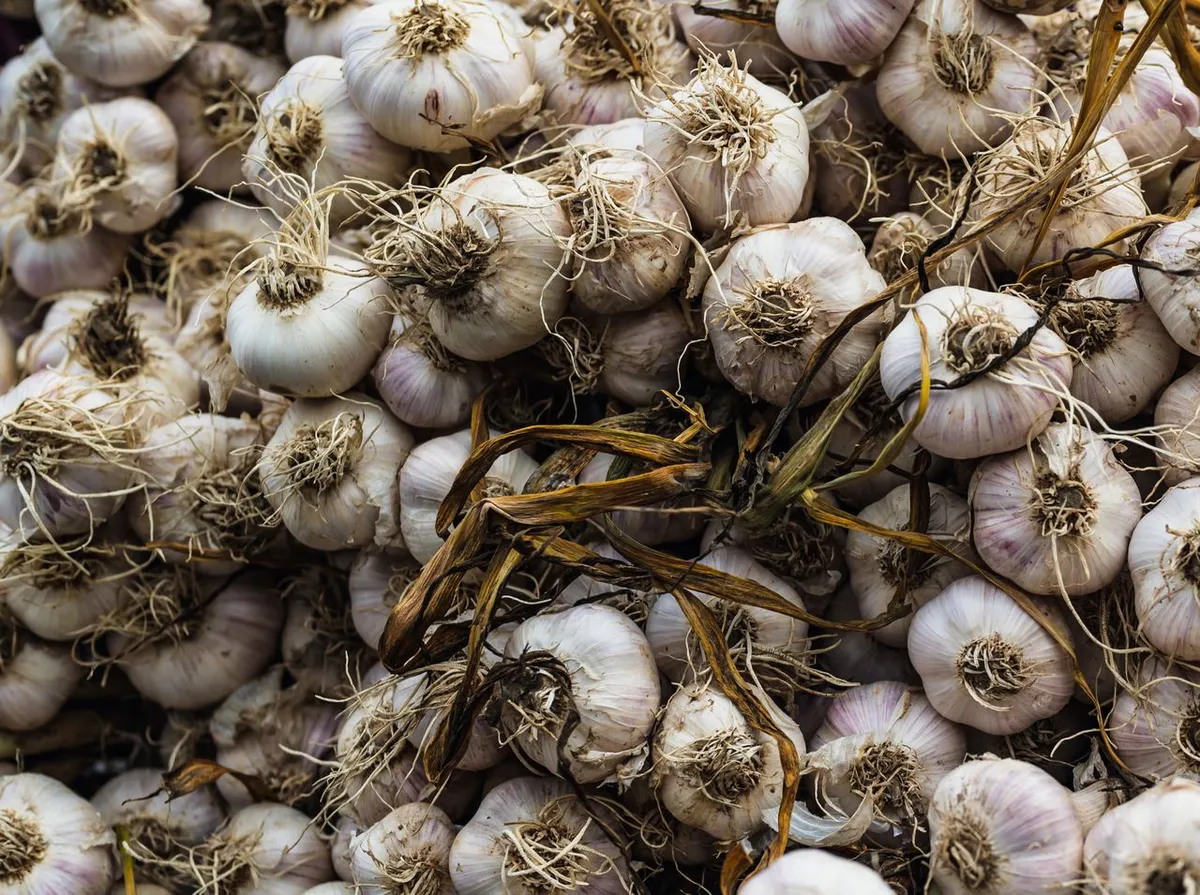
Processors choose mature, well-cured garlic with firm, white cloves and a high dry-matter content. Garlic with more solids gives more powder per tonne of fresh bulbs and usually a stronger flavour. Large, even cloves also peel and slice more efficiently.
At intake, bulbs are checked for size, firmness, sprouting, mould, insect damage and soil. Damaged or sprouted bulbs are removed, because they lower colour and flavour and can raise the microbial load. Indian garlic is valued for its pungency, which carries through into the powder’s volatile sulphur content. The best garlic variety for dehydration is one with white cloves, high solids and strong pungency, and processors often keep long-term links with farmers who grow it.
How Are the Cloves Peeled, Washed and Sliced?
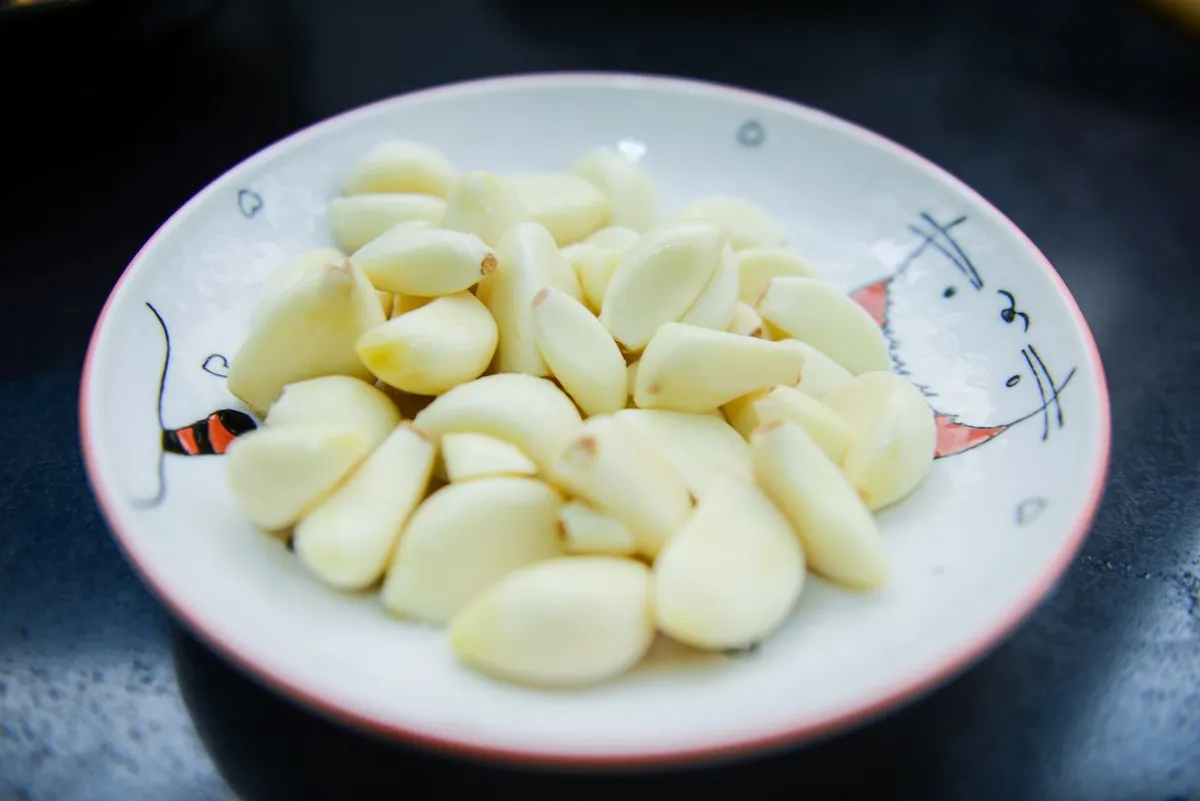
First, the bulbs are split into individual cloves, usually by machines that break the bulb with rubber rollers or air. The cloves are then peeled, most often with compressed air that blows the skin away. Loose skins and roots are removed by aspiration and on picking belts.
Next, the peeled cloves are washed in clean, potable water and sanitised to reduce surface microbes and remove dust. Finally, they are sliced into thin flakes, about 1.5–2 mm thick. Thin, even slices dry faster and more evenly, which protects colour and flavour. Slicing also starts the reaction that gives garlic its pungent smell, so the slices are moved quickly to the dryer.
What Dehydration Methods Are Used for Garlic?
Most commercial garlic is dried by hot air in continuous, multi-stage belt dryers. The slices are spread on a moving mesh belt and pass through zones of warm, clean, filtered air. The temperature is controlled at each stage, and the slices leave the dryer at about 4–6% moisture.
Temperature is the key to drying garlic without losing flavour. Garlic’s pungency comes from an enzyme, alliinase, that turns a compound in the clove into allicin and other sulphur compounds when the tissue is cut or rehydrated. High heat damages this enzyme. A 2020 review in the World Journal of Environmental Biosciences found that slices dried at lower temperatures kept more of their allicin potential, while drying at 60°C and above increased the loss. Freeze-drying kept the most, but it costs far more and is used mainly for premium products.
Over-drying or uneven airflow can also cause browning and a burnt or cooked note. That is why good processors watch the colour and moisture of the flakes at the dryer exit, lot by lot.
How Are Grinding, Sieving and Mesh Sizes Controlled?
The dried flakes are cleaned, then milled and sieved to the size the buyer needs. Before milling, flakes pass over sorting lines, magnets and often colour sorters, which remove dark pieces, skins and foreign matter. The flakes are then ground in a mill, usually a hammer or pin mill, and passed through screens.
Mesh size defines the product. Garlic powder is usually 80–100 mesh, meaning 95% passes through the stated sieve, and finer 100–120 mesh is made for instant soups and capsules. Coarser fractions become garlic granules, from 8–16 mesh to 40–80 mesh, or chopped and minced garlic. So the difference between garlic powder and garlic granules is only particle size: both come from the same dried garlic. For the onion equivalents, see our guide to dehydrated onion forms.
What Are the Stages of the Garlic Powder Process?
The table summarises each stage of the garlic powder process and what is controlled.
| Stage | What happens | Key control |
|---|---|---|
| 1. Intake and grading | Bulbs checked and sorted | Maturity, firmness, no sprouting or mould |
| 2. Splitting and peeling | Bulbs split into cloves; skins removed by air | Complete peeling, no root or skin pieces |
| 3. Washing and sanitising | Cloves washed in potable water | Water quality, surface microbial load |
| 4. Slicing | Cloves cut into flakes of 1.5–2 mm | Even thickness for even drying |
| 5. Dehydration | Multi-stage belt drying with hot air | Temperature, airflow, exit moisture of 4–6% |
| 6. Sorting, milling and sieving | Flakes cleaned, milled and screened | Foreign matter, metal, mesh size |
| 7. Testing and packing | Lab testing; packing in lined cartons or bags | Moisture, VOSC, microbiology, pesticides |
Garlic powder process stages from raw bulb to export pack.
How Are Moisture, Microbiology and Foreign Matter Controlled?
Garlic powder is checked against standards such as Codex CXS 347-2019, FSSAI and IS 5452:2008. The main tests are:
- Moisture: 5% maximum in our specification, against a Codex maximum of 7%. Powder is hygroscopic, so it must be packed and stored sealed.
- Volatile organic sulphur compounds (VOSC): at least 0.3% on a dry basis. This measures pungency.
- Ash: total ash of 5% maximum and acid-insoluble ash of 0.5% maximum, which show how clean the product is.
- Microbiology: total plate count of 10⁵ cfu/g or less as standard, yeast and mould of 10³ cfu/g or less, and Salmonella absent in 25 g. Steam-sterilised low-micro powder is available for ready-to-eat uses.
- Foreign matter and metal: controlled by sorting, magnets and a metal detector.
- Pesticide residues: tested against the MRLs of the destination market.

How Can You Source Dehydrated Garlic Powder from India?
Garlic powder is used in seasonings, sauces, soups, snacks, marinades and meat products. Many buyers order it together with dehydrated onion, which is used in many of the same products; our article on onion powder uses covers that side. Knowing how to prepare garlic powder at scale helps you write a clear specification. State the mesh size, moisture, VOSC, colour, microbiology limits, any need for steam sterilisation, and the packing. Ask for a sample and a lot-wise Certificate of Analysis before you contract.
Elysium Agri Corporation exports dehydrated garlic powder in 80–100 mesh, with 100–120 mesh on request, milled from Indian garlic flakes. We also supply garlic granules and flakes. Every lot is tested for moisture, ash, microbiology and pesticide residues, as shown on our lab testing page. We pack in 25 kg lined cartons or bags, and a 20 ft container holds about 13–14 MT. Private-label packs are available through our private label service.
Tell us the mesh, grade, quantity and destination, and we will send a quote and specification sheet. Request a garlic powder quote →
Frequently asked questions
How is garlic powder made from fresh garlic?
Fresh bulbs are graded, split into cloves and peeled, usually with compressed air. The cloves are washed, sanitised and sliced about 1.5 to 2 mm thick. The slices are dried with warm air in belt dryers to about 4 to 6% moisture, then sorted, milled, sieved to the required mesh, tested and packed.
What is the difference between garlic powder and garlic granules?
Both are made from the same dried garlic flakes. The difference is particle size. Garlic powder is milled fine, usually to 80 to 100 mesh. Garlic granules are coarser, from about 8 to 80 mesh, so they flow better and release flavour more slowly. Powder dissolves faster in sauces, soups and seasonings.
Which garlic variety is best for dehydration?
Processors prefer mature garlic with firm, white cloves, high dry-matter content and strong pungency. High solids give more powder per tonne of fresh garlic and usually a stronger flavour, and large, even cloves peel and slice more efficiently. Indian garlic is valued for its pungency, which carries through into the finished powder.
How is garlic dried without losing flavour?
Garlic is sliced thin and dried quickly with controlled, moderate air temperatures. Its pungency depends on the enzyme alliinase, which high heat damages. Research shows lower drying temperatures keep more allicin potential. Even airflow and careful control of exit moisture also prevent browning and burnt notes. Freeze-drying keeps the most flavour but costs more.
What moisture level should garlic powder have?
Export garlic powder is usually dried to 5% moisture or less. The Codex standard allows up to 7%, and Indian standards set 5% for powder. Low moisture keeps the powder free-flowing and limits caking and microbial growth. Because garlic powder absorbs moisture from air, it must be packed and stored sealed.
Related reads


