
On this page
- How Long Does Granulated Garlic Last Compared With Other Dehydrated Vegetables?
- What Determines the Shelf Life of Dehydrated Vegetables?
- What Is the Shelf Life of Each Dehydrated Product?
- What Are the Ideal Storage Conditions for Dehydrated Vegetables?
- What Are the Signs of Moisture, Clumping and Spoilage?
- Which Packaging Extends Shelf Life?
- How Do You Buy Dehydrated Vegetables in Bulk from India?
- Frequently asked questions
Granulated garlic lasts about 24 months when it is dried to 6% moisture or less, packed in sealed, lined packing and stored in a cool, dry place. Dehydrated onion usually keeps for 18–24 months and potato flakes for about 12 months under the same conditions. Shelf life is not a fixed date, however. It depends on how dry the product is when packed, how well the packing keeps out air and moisture, and how it is stored. This checklist explains what controls the shelf life of dehydrated vegetables and how to protect a bulk shipment.
Key takeaways
- Dehydrated garlic keeps for about 24 months and dehydrated onion for 18–24 months in sealed packing in cool, dry storage.
- Moisture is the main enemy: powders and granules absorb water from the air and can clump or cake.
- Heat, light and oxygen slowly reduce flavour and can darken the colour, even when the product is safe.
- Lined cartons, foil liners, desiccants and dry containers protect quality during sea transit.
How Long Does Granulated Garlic Last Compared With Other Dehydrated Vegetables?
Most dehydrated vegetables last 12–24 months in their original sealed packing. Dehydrated garlic flakes, granules and powder usually carry a 24-month shelf life. Dehydrated onion flakes, chopped, granules and powder carry 18–24 months. Dehydrated potato flakes and powder usually carry about 12 months, because they contain more starch and some fat that can slowly go stale.
Shelf life here means the period during which the product keeps its expected colour, aroma, taste and free flow, as well as its safety. Dehydrated vegetables rarely become unsafe in storage if they stay dry. What changes over time is quality. Garlic and onion slowly lose their sharp, pungent aroma, and the colour can move from creamy white towards beige or light brown. For this reason, buyers usually plan to use stock well within the stated shelf life.
So, how long does granulated garlic last after opening? Once a bag or carton is opened, the product is exposed to humid air every time it is used. Reseal it tightly, keep it dry and use it within a few months for the best flavour. The difference between garlic granules and powder is mainly particle size, which affects how fast they take up moisture; see granulated garlic vs garlic powder.
What Determines the Shelf Life of Dehydrated Vegetables?
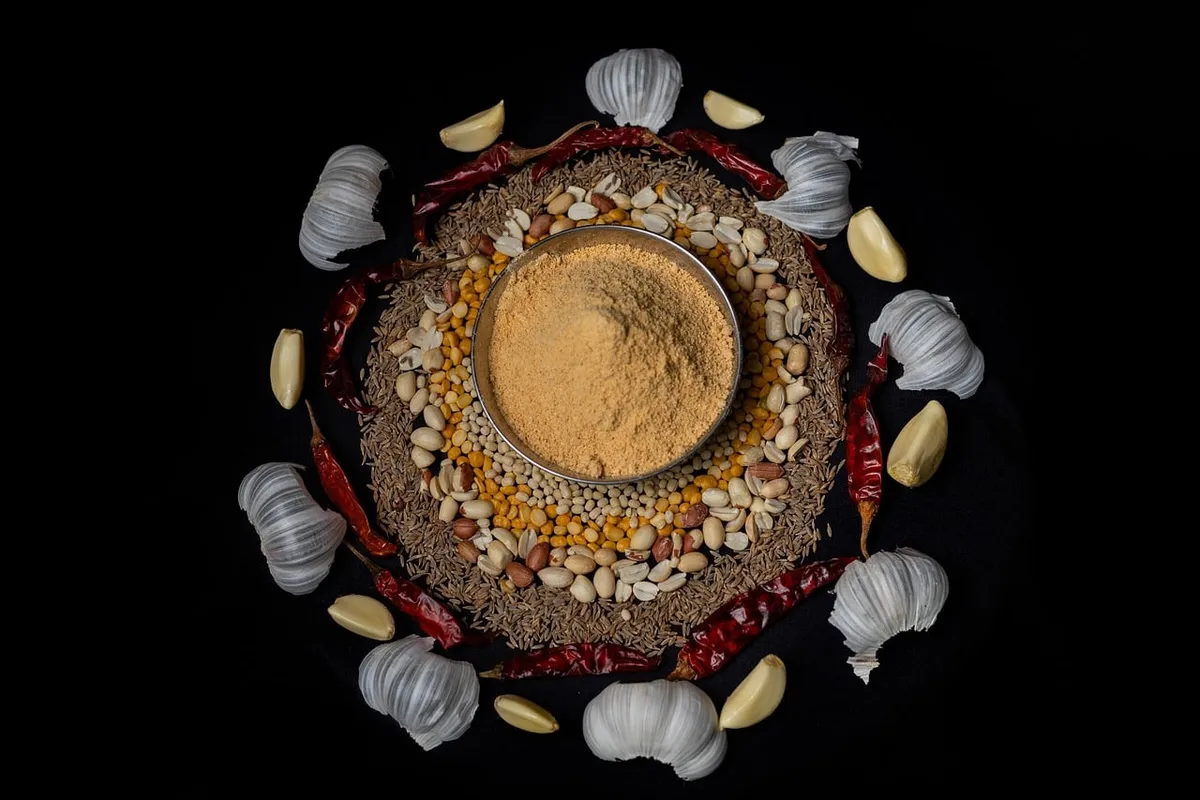
Five factors decide how long dehydrated vegetables last: final moisture, particle size, packing, storage temperature and humidity, and initial microbial load. Moisture matters most.
- Final moisture: export garlic and onion are dried to about 4–6% moisture. At this level the water activity is too low for bacteria, yeasts and moulds to grow. The US FDA notes that most fresh foods have enough available water to support microbial growth, which is why drying preserves them.
- Particle size: powders have a much larger surface area than flakes, so they take up moisture and lose aroma faster. They are also more likely to clump. The same applies to onion; see onion powder vs granulated onion.
- Packing: a poly liner or foil bag slows the entry of water vapour and oxygen. Damaged or poorly sealed liners shorten shelf life.
- Temperature and humidity: heat speeds up browning reactions and flavour loss. High humidity lets moisture into any open or weak pack.
- Initial quality: clean raw material, good hygiene and, where needed, steam sterilisation give a low starting microbial count.
What Is the Shelf Life of Each Dehydrated Product?
The table below shows typical moisture limits and shelf life for the main Indian dehydrated vegetables in sealed export packing. Actual shelf life depends on your storage conditions.
| Product | Typical moisture | Shelf life (sealed, cool, dry) | Storage note |
|---|---|---|---|
| Garlic flakes | ≤ 6% | 24 months | Most stable form; slow to absorb moisture |
| Garlic granules (granulated garlic) | ≤ 6% | 24 months | Keep sealed; can cake in humid air |
| Garlic powder | ≤ 5% | 24 months | Hygroscopic; reseal immediately after use |
| Onion flakes and chopped onion | ≤ 6% | 18–24 months | Watch for browning in warm storage |
| Onion granules | ≤ 6% | 18–24 months | Keep sealed; avoid humid rooms |
| Onion powder | ≤ 5% | 18–24 months | Hygroscopic; most prone to clumping |
| Potato flakes and powder | ≤ 8% flakes, ≤ 5% powder | About 12 months | Store below 30 °C and 65% relative humidity |
These moisture limits follow Indian standards for dehydrated onion and garlic and the FSSAI standard for dehydrated vegetables. Our garlic granules and white onion powder pages list the full specifications for each form.
What Are the Ideal Storage Conditions for Dehydrated Vegetables?
Store dehydrated vegetables in a cool, dry, clean and odour-free place, away from direct sunlight, in their original sealed packing. For potato products, our guideline is below 30 °C and 65% relative humidity, and the same conditions suit onion and garlic well.
Use this storage checklist in your warehouse:
- Keep cartons and bags on pallets, off the floor and away from walls.
- Avoid areas near ovens, steam lines, roofs that heat up in summer or doors that let in humid air.
- Store garlic and onion away from products that absorb odours, such as sugar, flour and tea.
- Do not open cartons until needed. After opening, fold the liner tightly, seal it and close the carton.
- Use stock on a first-expired, first-out basis and record the lot number when you open a pack.
- Keep the warehouse clean and run regular pest checks.
Avoid moving cold stock directly into a warm, humid room. Condensation can form on the cold packs and get inside. Let pallets reach room temperature before opening.
What Are the Signs of Moisture, Clumping and Spoilage?
The main warning signs are clumps or hard cakes, a darker colour, a weak or stale smell, and, in severe cases, visible mould or a musty odour. Most of these signs point to moisture getting into the pack.
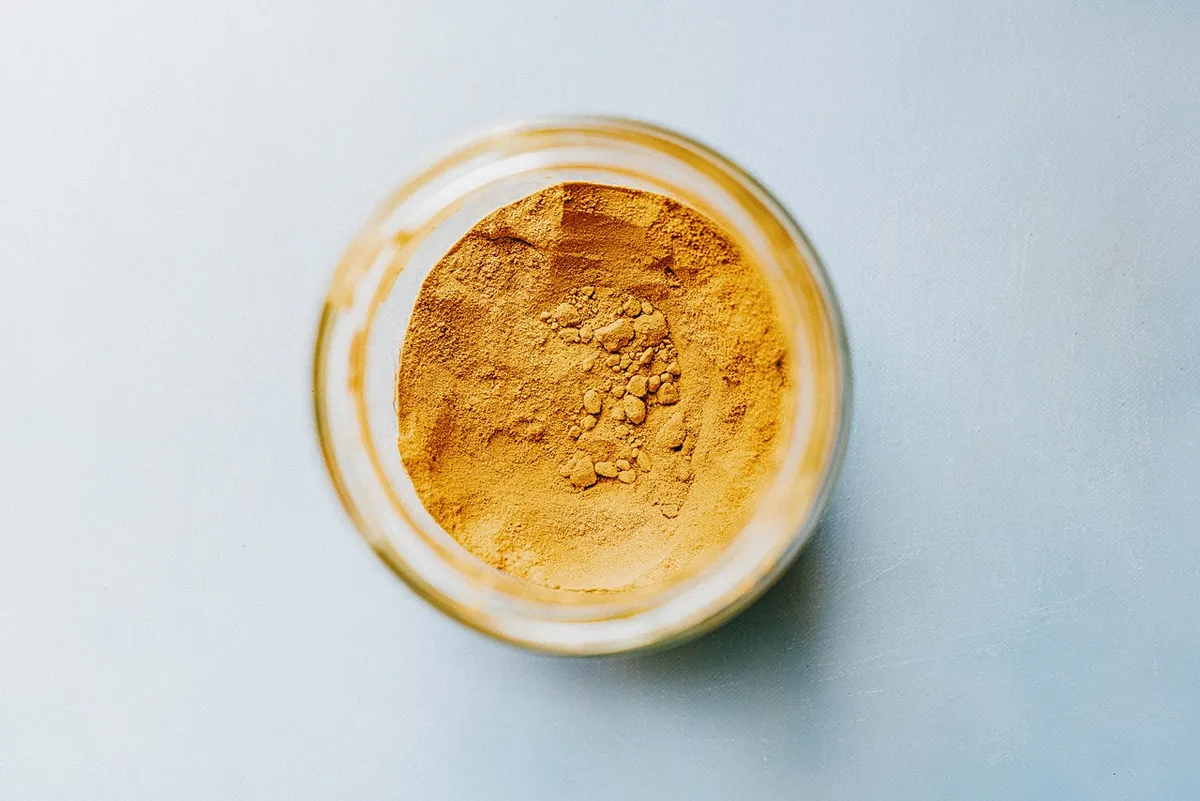
- Soft clumps that break easily mean the powder has taken up a little moisture. The product is usually still usable, but it should be used soon and kept sealed.
- Hard caking means moisture has been high for some time. Check the liner for damage and test moisture before use.
- Browning or darker colour comes from slow browning reactions, which are faster in warm and humid storage. It mainly affects appearance and flavour.
- Loss of aroma shows that the volatile flavour compounds have faded. The product is safe, but the strength may not match your recipe.
- Mould, a musty smell or insects mean the lot should not be used. Keep a sample and contact your supplier.
Some buyers ask for an anticaking agent in powders to improve free flow. If one is used, it must be declared on the label. We supply powders without anticaking agents unless you ask for them.
Which Packaging Extends Shelf Life?
Packaging that keeps out moisture and air extends shelf life the most. For export, dehydrated vegetables are usually packed in poly-lined cartons or poly bags inside kraft paper bags, with aluminium-foil liners for longer voyages or very humid markets.
- Poly-lined cartons (20–25 kg): the standard export pack for garlic and onion granules, powder and chopped.
- Poly bag in kraft bag (12.5–14 kg): common for onion flakes.
- Aluminium-foil liners: a better barrier against moisture and oxygen, useful for powders and long transits.
- Container protection: clean, dry containers with kraft liners and desiccants reduce “container rain”, the condensation that forms as temperatures change at sea.
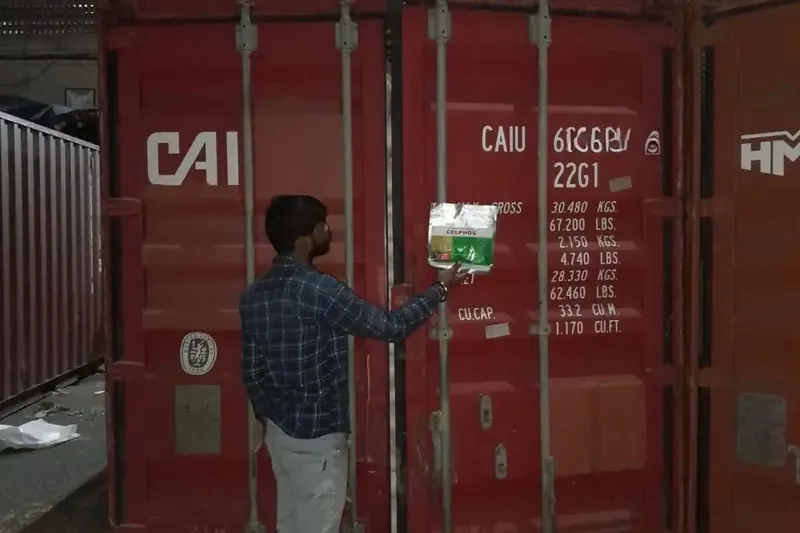
Our packaging page sets out the pack types, liners and container protection we use. For private-label retail packs, smaller pouches with a good moisture barrier and a zip seal help keep the product fresh after opening.
Related reading: Is Garlic Powder Good for You? Nutrition vs Fresh Garlic.
How Do You Buy Dehydrated Vegetables in Bulk from India?
To buy dehydrated vegetables in bulk, agree the form, mesh or cut size, moisture limit, microbiology and packing, then ask for the production date and shelf life on every lot. India is the world’s largest exporter of dehydrated onion, and most of it is made in the Mahuva cluster of Gujarat. Onion is dried mainly from about February to May, and finished stock ships all year.
Elysium Agri Corporation exports dehydrated garlic, onion and potato products from Gujarat. Our garlic is dried to 4–6% moisture, with powders at 5% or less, and every lot is tested for moisture, microbiology and pesticide residues. Steam-sterilised, low-micro lots are available on request. If you are asking how long granulated garlic lasts in your own warehouse, we record a lot code and packing date for every lot, so you can track the 24-month shelf life from the day it was packed. Our traceability system links each lot to its source, processing and test records.
Tell us the product, form, quantity and destination port, and we will send a quote with a specification sheet. Request a dehydrated vegetables quote →
Frequently asked questions
How long does granulated garlic last?
Granulated garlic lasts about 24 months when it is dried to 6% moisture or less, packed in sealed, lined packing and stored in a cool, dry place away from sunlight. After opening, reseal it tightly and use it within a few months for the best flavour, because every exposure to humid air lets in moisture and lets aroma escape.
What is the shelf life of dehydrated onion?
Dehydrated onion flakes, chopped onion, granules and powder usually have a shelf life of 18–24 months in sealed, lined packing in cool, dry storage. Onion powder is hygroscopic, so it is the most likely form to clump. Warm storage can also slowly darken the colour and weaken the flavour, even though the product stays safe.
How should dehydrated vegetables be stored?
Store dehydrated vegetables in their original sealed packing in a cool, dry, clean and odour-free warehouse, away from sunlight and steam. Keep packs on pallets away from walls, use stock on a first-expired, first-out basis and reseal liners tightly after opening. Below 30 °C and 65% relative humidity is a good guideline for most products.
Why do dehydrated vegetables clump or lose colour?
Dehydrated vegetables clump when they absorb moisture from humid air, usually through an open or damaged liner. Fine powders clump first because of their large surface area. Colour loss or browning comes from slow chemical reactions that speed up in warm, humid storage. Light and oxygen also fade colour and aroma over time, so keep packs sealed and cool.
Do dehydrated vegetables spoil?
Dehydrated vegetables rarely spoil in a microbial sense if they stay dry, because their low moisture stops bacteria, yeasts and moulds from growing. Over time they lose flavour, aroma and colour. If moisture gets in, they can cake, turn musty or grow mould, and a lot with mould, a musty smell or insects should not be used.
Related reads


