
On this page
- What Are the Types of Urad Dal?
- What Is Whole Black Urad (Sabut)?
- What Is Split Urad with Skin (Chilka)?
- What Is Split Urad Without Skin (Dhuli)?
- What Is Urad Gota?
- How Do the Urad Dal Types Compare?
- Which Urad Dal Is Used in Batters, Papad and Snacks?
- How Can You Source Urad Dal from India?
- Frequently asked questions
There are four main types of urad dal: whole black urad (sabut), split urad with skin (chilka), whole urad without skin (gota) and split urad without skin (dhuli or washed urad dal). All four come from the same pulse, black gram (Vigna mungo). They differ only in whether the black skin is removed and whether the bean is split. Each form has its own uses, price and specification, so importers and food manufacturers should name the exact form in every enquiry and contract.
Key takeaways
- Whole and chilka urad keep the black skin. Gota and dhuli urad dal have the skin removed and look creamy white.
- Gota is the whole dehusked bean. Dhuli is the same bean split into two halves.
- Idli and dosa batter is usually made from gota or dhuli. Dal makhani uses whole black urad, and papad uses urad dal flour.
- Dehusked forms cost more than whole urad because of milling loss and extra processing.
What Are the Types of Urad Dal?
The types of urad dal are defined by two processing steps: dehulling, which removes the black seed coat, and splitting, which separates the bean into its two halves (cotyledons). Combining these two steps gives four trade forms. In English, urad is also called black gram, black matpe or urd. In India it is sold as urad, udad or uddina bele, depending on the region. Our guide to Indian dal names in English lists other regional names.
All four forms are milled from the same dried beans. Indian varieties used for export include Pant Urad, Vamban, Shekhar and Azad Urad, along with local types. India grows urad in three seasons. The kharif crop supplies about 70% of the harvest and arrives from October, with smaller rabi and summer crops. You can see where urad sits among other pulses in our overview of the types of dal.
What Is Whole Black Urad (Sabut)?
Whole black urad, or sabut urad, is the complete bean with its black skin intact. It is the least processed form. The beans are cleaned, graded and sorted, but not dehulled or split. Whole urad is small, oval and matte black, with a white spot (the hilum) on one side.
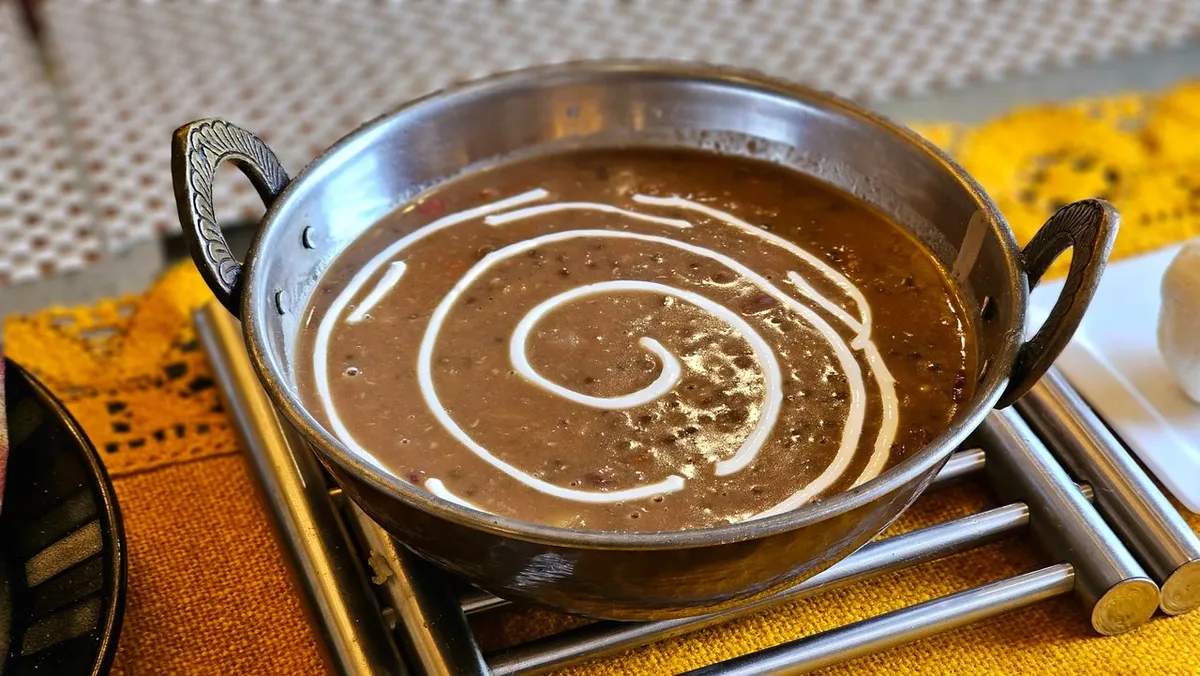
Because the skin stays on, whole urad takes longer to cook and gives a dark, thick, creamy dish. It is the base of dal makhani and other slow-cooked Punjabi dishes, and it is also used in whole-bean curries. Whole urad is the raw material for all other forms. Millers in importing countries buy it to make their own split or dehusked dal. It is usually the lowest-priced form per tonne.
What Is Split Urad with Skin (Chilka)?
Urad chilka is whole urad that has been split into two halves without removing the skin. Each half shows a black outer side and a white inner face, so a pack of chilka looks black and white. The word chilka means skin or peel in Hindi.
Splitting shortens cooking time compared with whole urad, while the skin keeps some of the earthy flavour and fibre. Chilka is used for everyday dal, khichdi and some regional dishes. It is a common retail form in North India and in South Asian grocery stores abroad. For export, we allow up to 2% damaged grains in chilka, compared with 1% for the dehusked forms.
What Is Split Urad Without Skin (Dhuli)?
Dhuli urad dal, also called washed urad dal or white urad dal, is urad that has been both dehulled and split. The result is small, flat, creamy-white halves. Dhuli means washed, because the skin was traditionally removed by soaking and rubbing.
Dhuli is the most widely used form in retail. It cooks fastest, has a mild taste and turns smooth and slightly sticky when ground. It is used in dal, idli and dosa batter, vada, and as the base for urad flour. In South Indian cooking, a small amount of urad dal is also fried in oil as part of the tempering (tadka) for many dishes.
What Is Urad Gota?
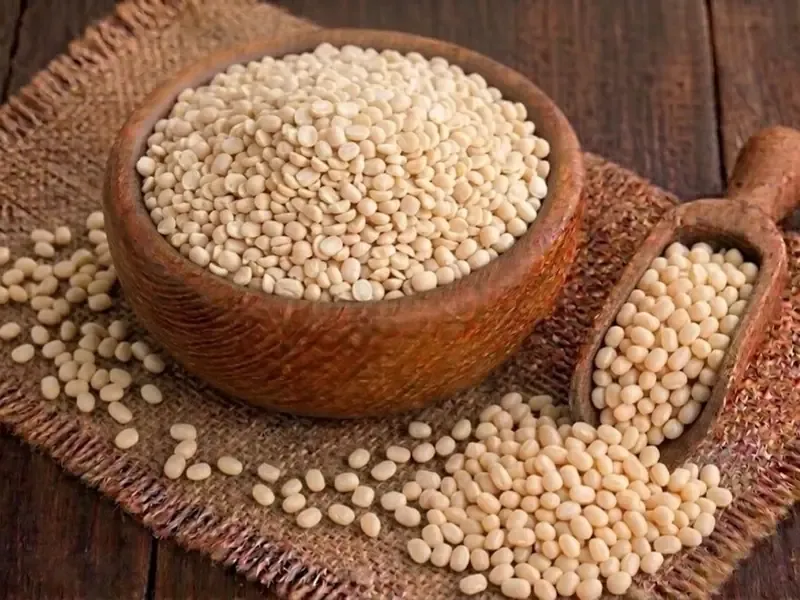
Urad gota is whole urad with the skin removed but not split. It is a round, creamy-white bean. Gota is sometimes called white whole urad or round urad dal. It is made by dehulling the bean carefully so that it stays whole, which needs good quality raw beans and careful milling.
Many idli and dosa makers prefer gota, as it soaks evenly and grinds into a light, fluffy batter. Gota is also used for vada and in some packaged batter and snack products. Because whole dehusked beans need more careful milling, gota usually costs more than dhuli urad dal.
How Do the Urad Dal Types Compare?
The table compares the four forms against our standard export specification. All forms share the same HS code, 0713 31 10, and load about 24–26 MT in a 20 ft container.
| Form | Skin | Split | Colour | Main uses | Damaged grains (max) |
|---|---|---|---|---|---|
| Whole urad (sabut) | On | No | Black | Dal makhani, whole curries, milling | 2% |
| Urad chilka | On | Yes | Black and white | Dal, khichdi | 2% |
| Urad gota | Off | No | White | Idli and dosa batter, vada | 1% |
| Urad dal (dhuli) | Off | Yes | White | Batter, papad, dal, flour | 1% |
Other parameters are the same across forms in our standard specification: purity of 98–99% after sortex cleaning, moisture of 12% maximum, foreign matter of 0.5% maximum, broken grains of 3% maximum and weevilled grains of 0.5% maximum. For EU buyers we also test lead and cadmium against the EU limits for pulses. The difference between black and white urad dal is simply the skin. Black urad dal (whole or chilka) keeps it, and white urad dal (gota or dhuli) has it removed.
Price also differs by form. Gota and dhuli cost more than whole urad because dehulling removes the skin and some grain is lost as brokens and powder. Bold, sortex-cleaned lots cost more than machine-cleaned FAQ lots. The wider urad market moves with the Indian kharif crop and with India’s own imports. India imports about 1 million tonnes of urad a year from Myanmar and Brazil, and urad imports are free until March 2027. The minimum support price for 2026-27 is ₹8,200 per quintal. Because the market moves daily, exporters quote on the day for the form and grade you need.
Which Urad Dal Is Used in Batters, Papad and Snacks?
For food manufacturers, the choice of form depends on the end product.
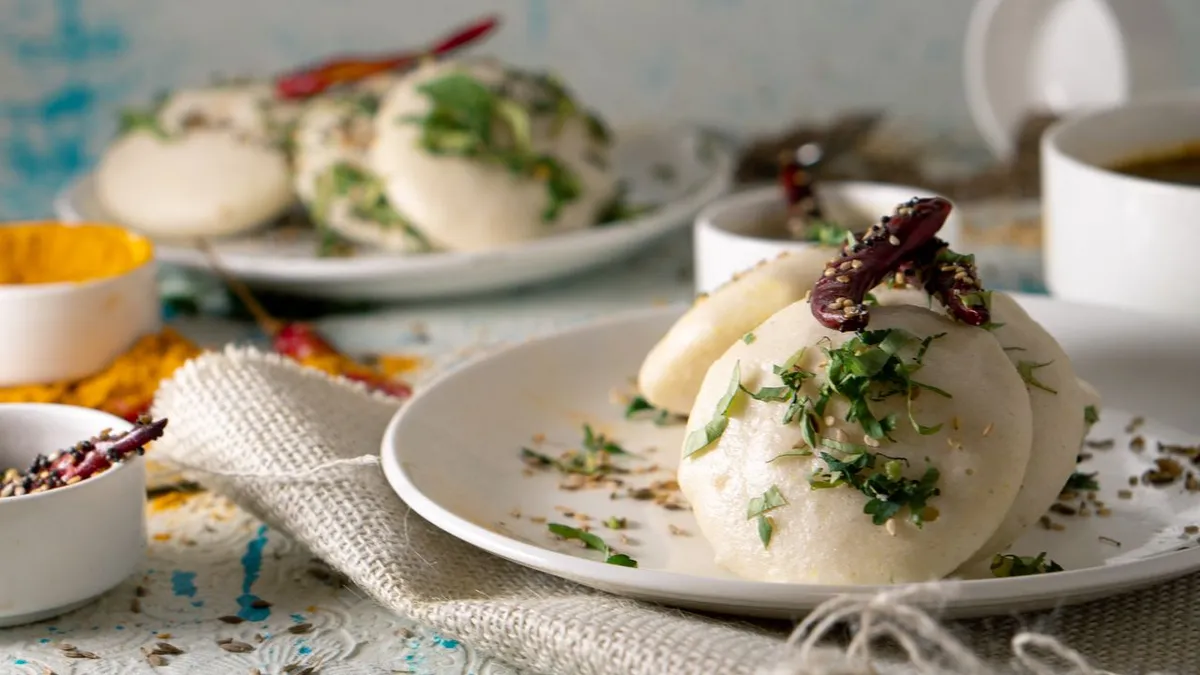
- Idli and dosa batter: gota or dhuli urad dal, ground with rice and fermented. White, clean, evenly sized dal gives a pale batter with good rise. Ready-batter and instant-mix makers usually specify sortex-cleaned gota or dhuli.
- Papad: urad dal flour, milled from dhuli dal. Papad makers need a fine, consistent flour with low moisture and no off-colour particles.
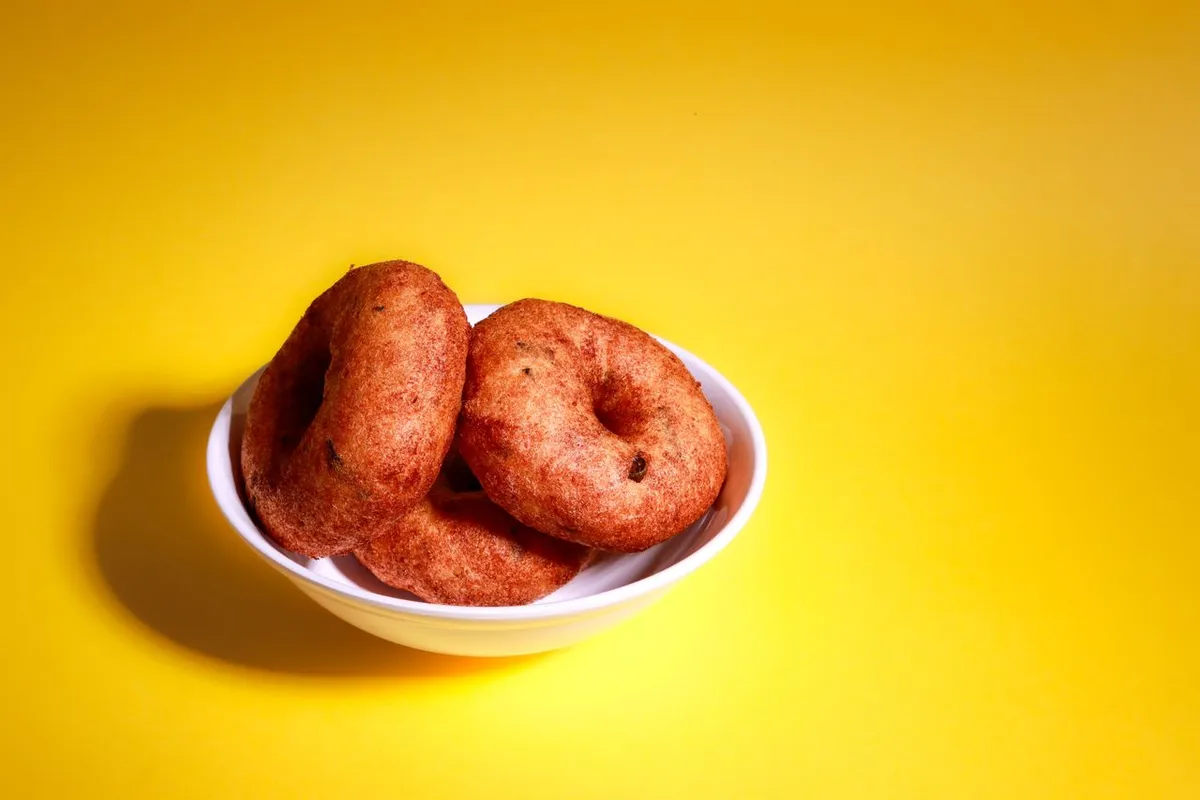
- Vada and fried snacks: soaked and ground gota or dhuli, as in medu vada.
- Dal makhani and ready meals: whole black urad, often in retail-ready packs or for canned and frozen meals.
- Retail packs: all four forms are sold in grocery stores, especially those serving South Asian communities.
- Re-milling: whole urad for importers that split and dehull locally.
If you make batter or papad, ask for a type sample and test it in your own process before you contract. Small differences in variety and milling can change water uptake and texture.
Related reading: Green Lentils vs Red Lentils: Processing, Nutrition and Uses and Green Gram Nutrients: Moong Nutrition Facts per 100g.
How Can You Source Urad Dal from India?
When you buy any of the types of urad dal from India, state the form, grade (machine-cleaned FAQ or sortex), crop year, packing and destination in your enquiry. Ask for a lot-wise test report covering moisture, admixture, pesticide residues and heavy metals. Our guide to importing chickpeas and pulses from India covers documents, shipping and payment.
Elysium Agri Corporation exports urad in all four forms: whole black urad, chilka, gota and urad dal. Every lot is cleaned, sortexed and tested at an NABL-accredited lab; see our lab testing page. We pack in 25 kg or 50 kg PP or BOPP bags, jute bags on request or 1 MT jumbo bags, and we offer retail packs under your brand through our private label service. Plan your load with the container load calculator.
Tell us the form, grade, quantity and destination port, and we will send an FOB or CIF price with the specification sheet. Request an urad dal quote →
Frequently asked questions
What are the types of urad dal?
Urad dal is sold in four forms. Whole black urad (sabut) is the complete bean with skin. Urad chilka is split with the skin on. Urad gota is the whole bean with the skin removed. Dhuli or washed urad dal is dehusked and split. All four come from black gram, Vigna mungo, and differ only in processing.
What is the difference between whole and split urad dal?
Whole urad is the complete bean, while split urad has been separated into its two halves. Splitting shortens cooking time and gives a softer texture. Whole urad is used for slow-cooked dishes such as dal makhani, while split forms such as chilka and dhuli suit everyday dal, batters and flour. Split dehusked dal usually costs more.
What is urad gota?
Urad gota is whole black gram with the black skin removed but the bean left unsplit. It is round and creamy white. Gota needs careful milling to stay whole, so it usually costs more than dhuli urad dal. Many idli, dosa and vada makers prefer gota because it soaks evenly and grinds into a light batter.
What is the difference between black and white urad dal?
The difference is the skin. Black urad dal keeps its black seed coat, either as whole beans or as split chilka. White urad dal has the skin removed, either as whole gota or as split dhuli dal. Black forms have a stronger, earthier taste and take longer to cook; white forms cook faster and taste milder.
Which urad dal is used for idli and dosa batter?
Idli and dosa batter is made from white urad dal, either urad gota or dhuli split urad dal, ground with rice and fermented. Many cooks and batter makers prefer gota for a fluffier batter. Food manufacturers usually specify sortex-cleaned, evenly sized dal with low moisture and test a sample in their own process before buying.
Related reads


