
On this page
- Why Is Salmonella a Concern in Sesame and Spices?
- How Does Contamination Happen Along the Supply Chain?
- What Is Steam Sterilisation of Spices?
- How Does the Steam Sterilisation Process Work?
- How Does Steam Sterilisation Compare With Other Treatments?
- Does Steam Sterilisation Affect Colour, Aroma and Quality?
- How Are Sesame and Spices Tested and Certified for Salmonella?
- Where Can You Buy Steam-Sterilised Spices and Tested Sesame from India?
- Frequently asked questions
Steam sterilisation of spices is a heat treatment that uses saturated steam for a short, controlled time to kill Salmonella and reduce other microbes, followed by drying and cooling so the product returns to its normal moisture. It leaves no chemical residue and is accepted in the EU, the USA and most other markets. Sesame and dried spices are low-moisture foods, but Salmonella can survive in them for months. This guide explains where the risk comes from, how steam treatment works, how it compares with other treatments and how lots are tested before shipment.
Key takeaways
- Salmonella is the main microbial concern in sesame and spices because both are often eaten without further cooking.
- Steam sterilisation kills bacteria with heat and moisture and leaves no residue. Ethylene oxide is not permitted in the EU.
- A good steam process protects colour and aroma by keeping exposure short and drying the product quickly.
- Every lot should carry a lab report showing Salmonella absent in 25 g, tested by ISO 6579-1.
Why Is Salmonella a Concern in Sesame and Spices?
Salmonella is a concern because sesame and spices are often added to food that is not cooked again. Tahini, hummus, sprinkled bread toppings, spice blends, sauces and snack seasonings can all reach the consumer without a kill step.
The risk is well documented. The US Food and Drug Administration found that about 6.6% of spice shipments offered for entry into the USA in fiscal years 2007 to 2009 carried Salmonella. That was about twice the average for all other imported foods regulated by the FDA. A later FDA study found much lower levels at retail, because responsible processors apply a pathogen reduction treatment before the spice is sold.
Sesame faces the same scrutiny. Indian sesame for the EU is listed in Annex II of Regulation (EU) 2019/1793. Each consignment needs an official certificate with Salmonella and pesticide results, and EU border posts check a share of consignments again on arrival.
How Does Contamination Happen Along the Supply Chain?
Contamination usually happens before processing, while the crop is in the field, drying or in storage. Sesame and seed spices are grown on small farms and dried in the open, so they come into contact with soil, dust, birds and animals. Salmonella does not grow in dry seed, but it can survive for a long time.
- Field and harvest: soil, irrigation water and animal droppings can reach the plants and the cut crop.
- Sun drying: crops are often dried on open ground or threshing floors, where birds and rodents have access.
- Storage and transport: pests, damp bags and dirty vehicles can add contamination. The FDA found that about 12% of spice shipments offered for US entry were adulterated with filth, such as insects and animal hair.
- Processing and packing: dust, poor hygiene and mixing of treated and untreated product can recontaminate clean lots.
This is why buyers with ready-to-eat applications ask for a validated treatment and a lot-wise test result.
What Is Steam Sterilisation of Spices?
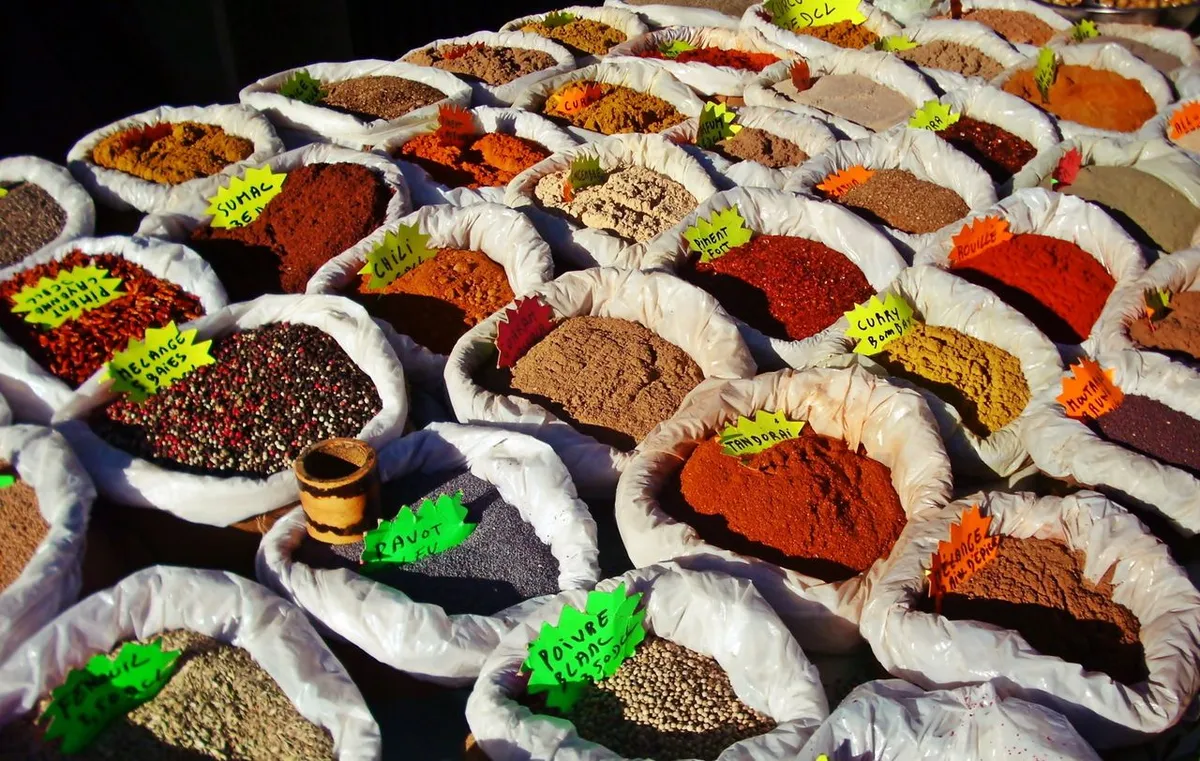
Steam sterilisation of spices is a controlled heat treatment that exposes the product to saturated steam long enough to kill pathogens, then dries and cools it. The term “sterilisation” is used in the trade, but the process is really a strong reduction of microbes, not complete sterility. The result is often called a “low-micro” or “steam-treated” product.
Steam works because moist heat moves into the product quickly and kills bacteria at lower temperatures and in shorter times than dry heat. It uses only water, so it leaves no chemical residue. That is the main reason it has replaced ethylene oxide (ETO) fumigation for spices bound for the EU, where ETO is not permitted. Industry guidance from the American Spice Trade Association asks processors to validate their treatment so that it reliably reduces Salmonella to a safe level.
How Does the Steam Sterilisation Process Work?
The process works in a closed system in four main stages. Each stage is set for the specific spice, because whole seeds, powders and leafy herbs react to heat in different ways.
- Cleaning and pre-heating: the spice is first cleaned to remove stones, dust and foreign matter. It is then pre-heated, so steam does not condense heavily on cold product.
- Steam exposure: saturated steam is injected into a vessel, screw conveyor or chamber, often under pressure or after a vacuum is drawn. The product is held at the set temperature for a validated time, usually a matter of seconds to a few minutes.
- Drying: the moisture picked up from the steam is removed, often by vacuum or hot air, to bring the product back to its normal moisture level.
- Cooling and hygienic packing: the product is cooled and packed in a clean area that is kept separate from untreated material, to stop recontamination.
Time, temperature and moisture are recorded for each batch. A treated lot is then sampled and tested to confirm the result.
How Does Steam Sterilisation Compare With Other Treatments?
Steam is the most widely accepted option for exports, but it is not the only one. The table compares the main pathogen reduction treatments used for spices and seeds.
| Treatment | How it works | Residue | Market acceptance | Main drawback |
|---|---|---|---|---|
| Steam sterilisation | Saturated steam for a short time, then drying | None | Accepted in the EU, USA and most markets | Some loss of volatile oil and colour if poorly controlled |
| Ethylene oxide (ETO) | Gas fumigation in a sealed chamber | ETO and 2-chloroethanol | Not permitted in the EU; restricted elsewhere | Residues lead to rejection and recalls |
| Irradiation | Gamma rays or electron beam | None | Permitted for spices in the EU and USA, but must be labelled | Many retailers and consumers avoid irradiated food |
| Dry heat or roasting | Hot air or infrared heat | None | Widely accepted | Slower and changes flavour more than steam |
| No treatment, test only | Clean handling plus lot testing | None | Accepted where the buyer applies its own kill step | Testing finds contamination but does not remove it |
Main pathogen reduction options for spices and seeds. Check your own market rules and buyer policy.
For most buyers in Europe and North America, steam sterilisation gives the best balance between safety, cost and a clean label.
Does Steam Sterilisation Affect Colour, Aroma and Quality?
A well-controlled steam process causes only small changes in colour, aroma and taste. Problems appear when the exposure is too long, the temperature too high or the drying too slow.
- Aroma: whole seeds such as cumin, coriander and fennel hold their oils inside the seed coat, so they keep their aroma better than powders.
- Colour: turmeric and paprika can lose some brightness if over-treated. Set colour limits, such as curcumin content, in your specification.
- Moisture: the product must be dried back to its normal level. High moisture after treatment raises the risk of mould.
- Texture: sesame and other oil-rich seeds need careful drying to avoid clumping or a rise in free fatty acids.
Ask your supplier for a treated and an untreated sample of the same lot. Comparing the two is the simplest way to judge whether the process suits your product.
How Are Sesame and Spices Tested and Certified for Salmonella?
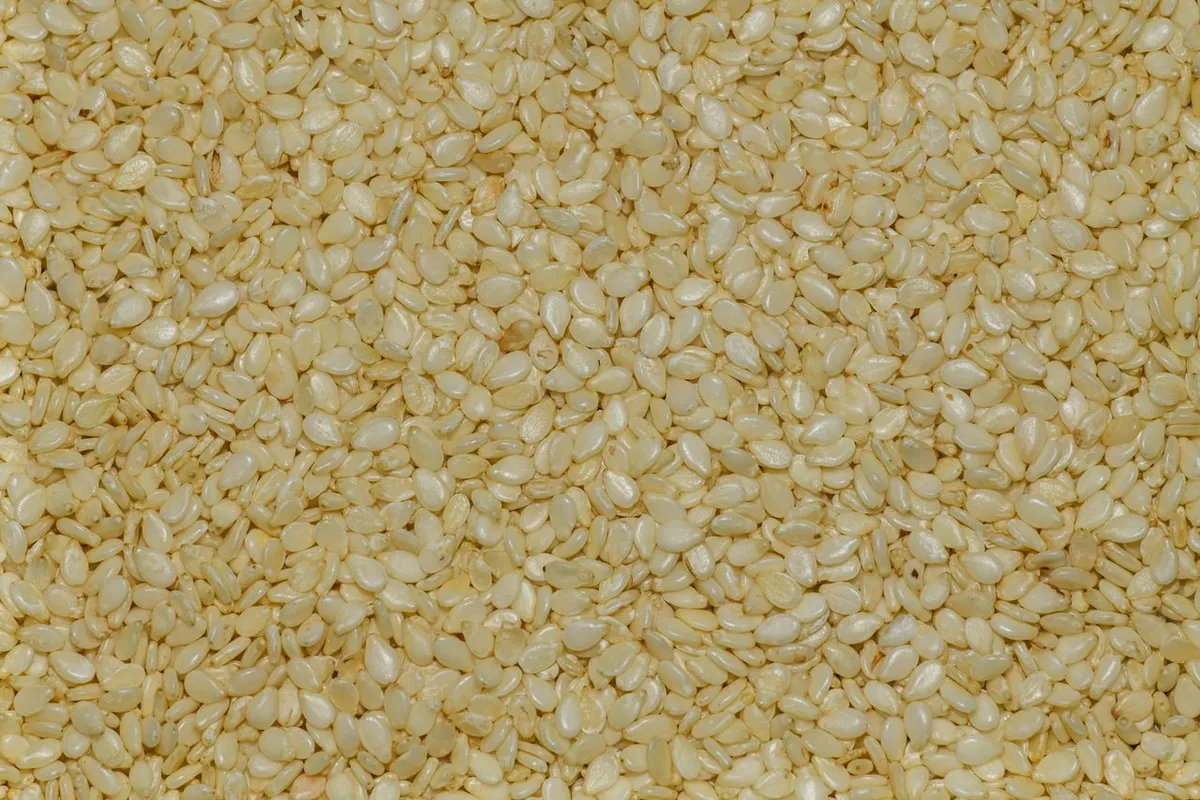
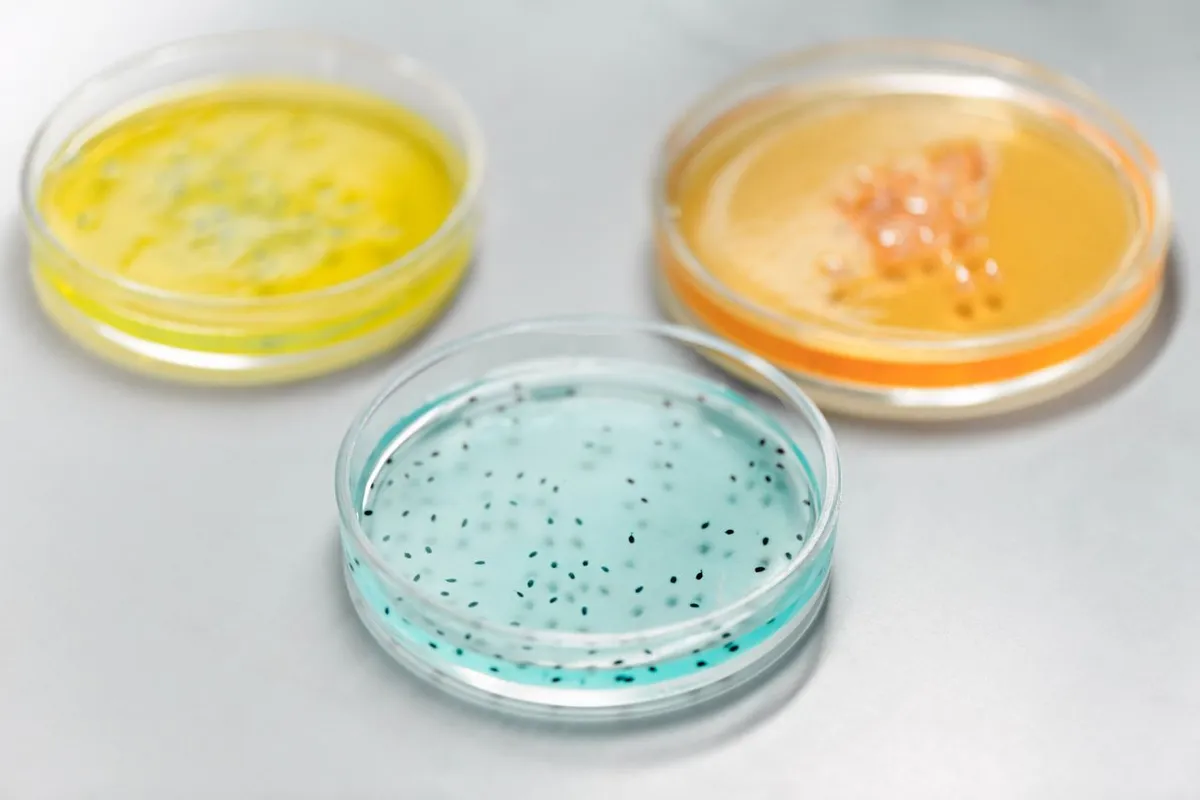
Sesame and spices are tested for Salmonella by the ISO 6579-1 method, and the export standard is “absent in 25 g”. A sample is enriched in a growth medium, then cultured on selective plates. Suspect colonies are confirmed by biochemical or serological tests.
Testing is only as good as the sampling. Salmonella is spread unevenly in a lot, so samples should be drawn from many bags and combined according to a sampling plan. Low-micro and steam-treated products are also tested for total plate count, yeast and mould, coliforms and E. coli. Our lab testing page lists the full panel and methods we use.
A shipment should travel with a Certificate of Analysis from an NABL-accredited laboratory for that specific lot. For EU-bound sesame, an official certificate is also needed. For spices, the Spices Board runs mandatory sampling for several EU-bound items, and its health certificate travels with the goods. Our certificates page lists the registrations behind these documents.
Related reading: Sesame Seed Specification: Purity Grades Explained and Does Sesame Seeds Go Bad? Shelf Life and Storage Guide.
Where Can You Buy Steam-Sterilised Spices and Tested Sesame from India?
Elysium Agri Corporation, based in Jamnagar, Gujarat, supplies seed spices and turmeric in machine-cleaned, sortex and steam-sterilised grades. Steam sterilisation is available for cumin seeds, turmeric powder and other spices, and we never use ETO. Every spice lot is tested for pesticides, ethylene oxide, aflatoxin, ochratoxin A and Salmonella before shipment.
For natural, hulled and black sesame, we test every lot for Salmonella, ethylene oxide, pesticide residues and aflatoxin at an NABL-accredited lab, whatever the destination. If your specification calls for a treated sesame, tell us in your enquiry and we will confirm what we can offer. Our approach to steam sterilisation of spices and other controls is set out on our quality page, and our guide on how to import spices from India covers documents and shipping.
Send us your product, grade, micro limits and destination port, and we will reply with a specification and price. Request a spices or sesame quote →
Frequently asked questions
How does Salmonella get into sesame seeds and spices?
Salmonella usually enters before processing. Soil, irrigation water and animal droppings can reach the crop in the field. Open-air drying gives birds and rodents access, and damp storage or dirty transport adds more risk. The bacteria do not grow in dry seed, but they can survive for months, so treatment and testing are needed.
What is steam sterilisation of spices?
Steam sterilisation is a heat treatment that exposes spices to saturated steam for a short, validated time to kill Salmonella and reduce other microbes. The product is then dried and cooled back to its normal moisture. It uses only water, so it leaves no chemical residue and is accepted in the EU, the USA and most other markets.
Does steam sterilisation change the flavour of spices?
A well-controlled process causes only small changes. Whole seeds such as cumin and fennel keep their aroma well because the oils sit inside the seed coat. Powders are more sensitive. Long exposure, high temperature or slow drying can reduce volatile oil and colour, so compare treated and untreated samples before you buy.
How is Salmonella tested in sesame seeds?
Sesame is tested by the ISO 6579-1 method. Samples drawn from many bags are enriched in a growth medium, cultured on selective plates and any suspect colonies are confirmed. The export standard is Salmonella absent in 25 g. Results take several days, and an NABL-accredited lab reports them on a lot-wise Certificate of Analysis.
Why do importers require Salmonella-free sesame?
Sesame is often eaten without further cooking, in tahini, hummus, bread toppings and snacks, so any surviving bacteria can reach consumers. Indian sesame for the EU also needs an official certificate with Salmonella results under Regulation (EU) 2019/1793. A positive result can lead to rejection, destruction of the goods or a costly product recall.
Related reads


